

























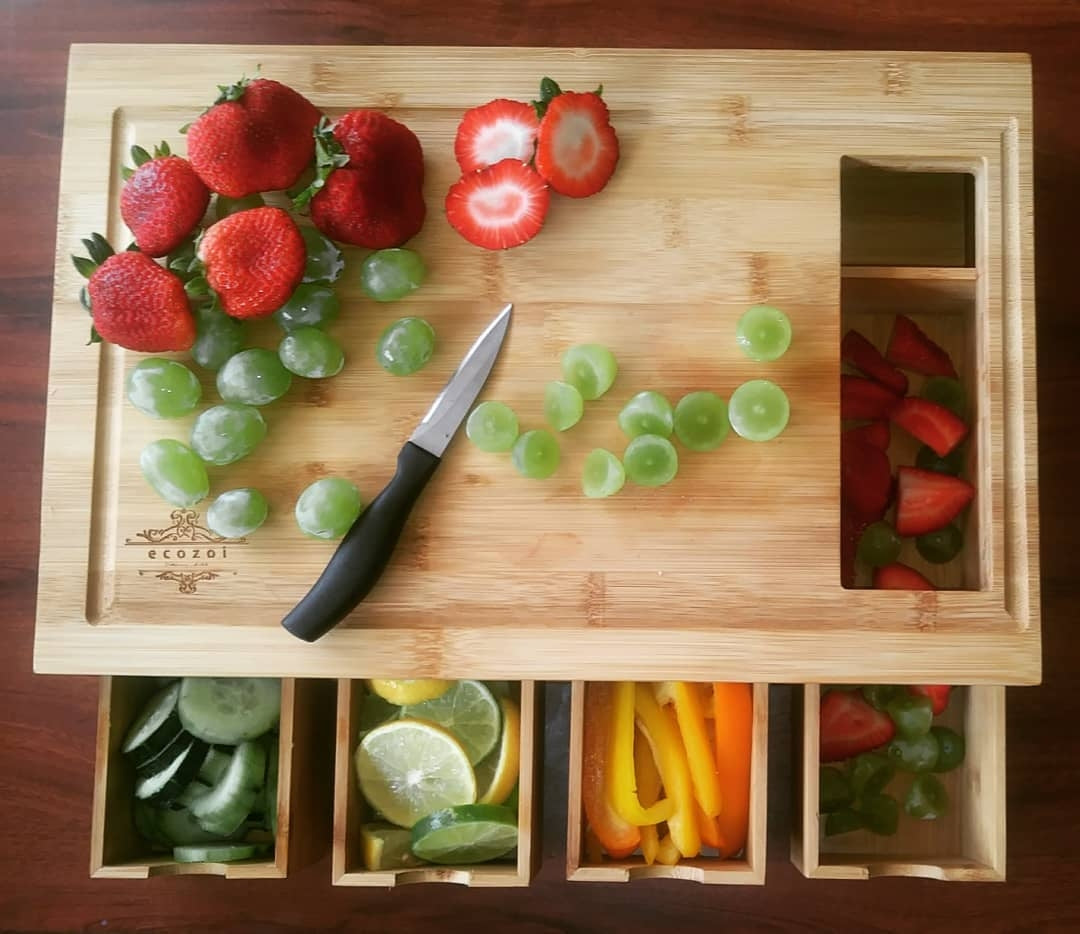


Ecozoi: Eco-Friendly Kitchen Products That Replace Plastic Without Cutting Corners
Most people do not want a kitchen full of throwaway items. They want tools that hold up, look clean, and make daily life easier without adding more plastic to the mix. That is where eco-friendly kitchen products come in.
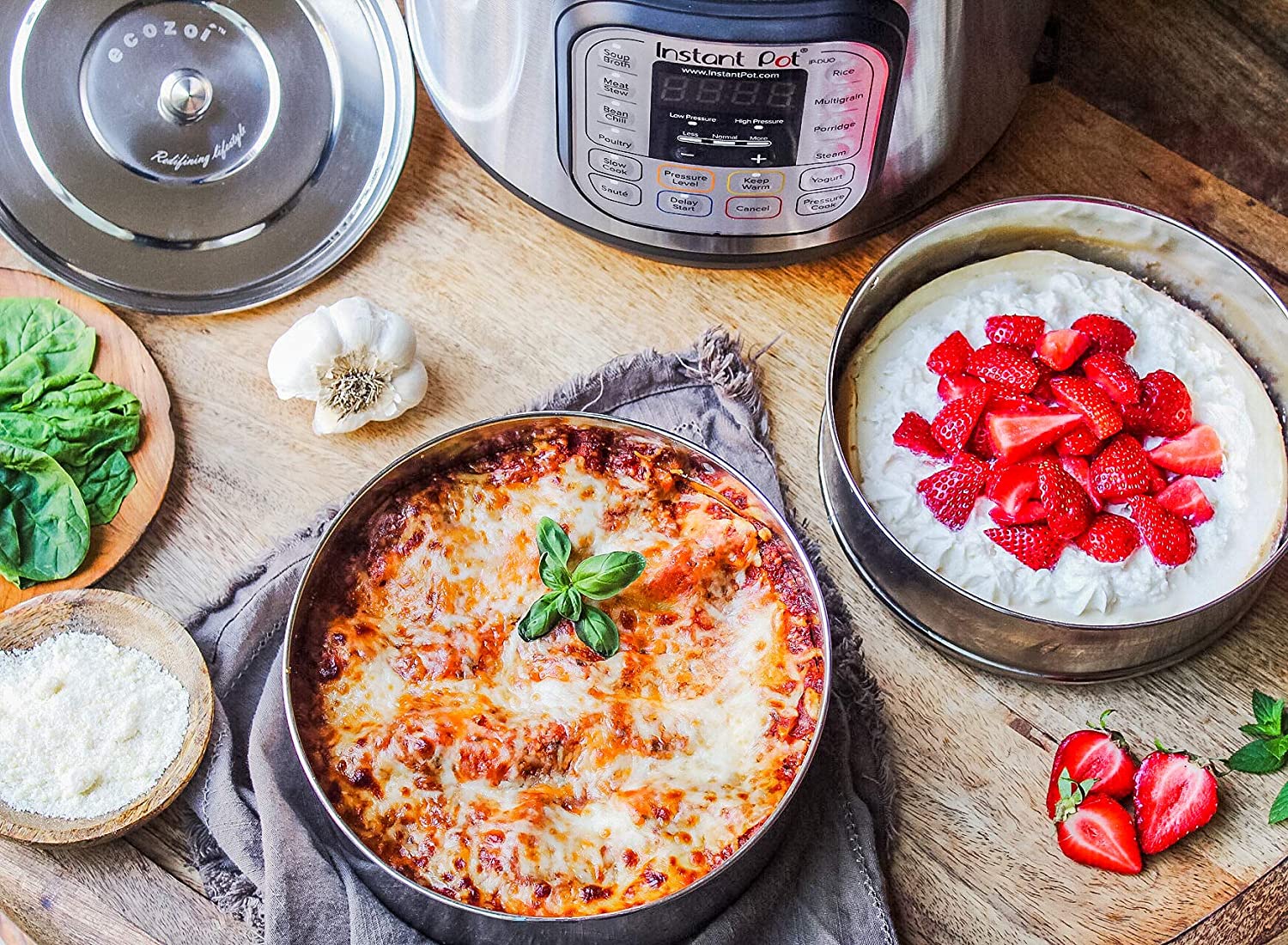
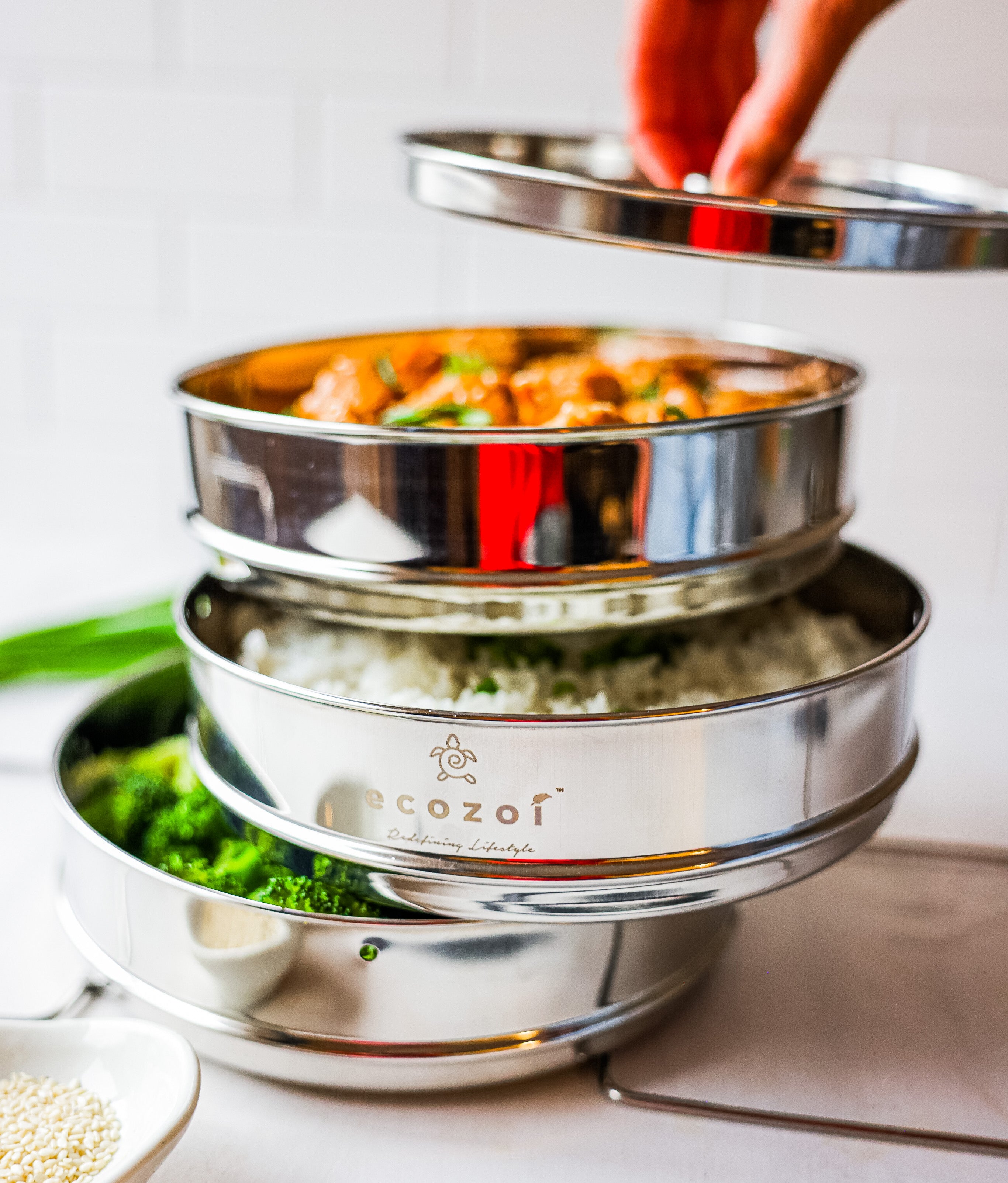
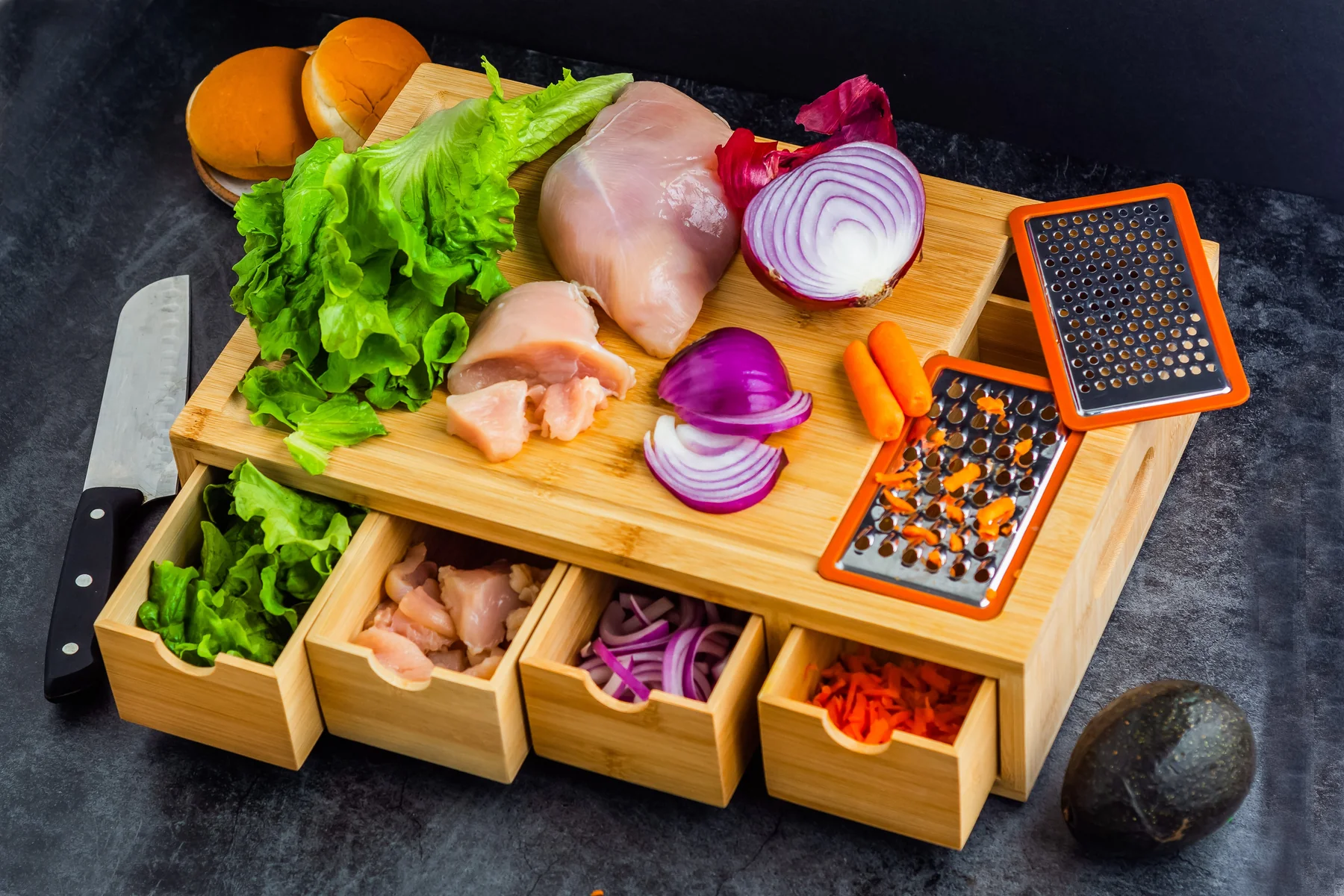
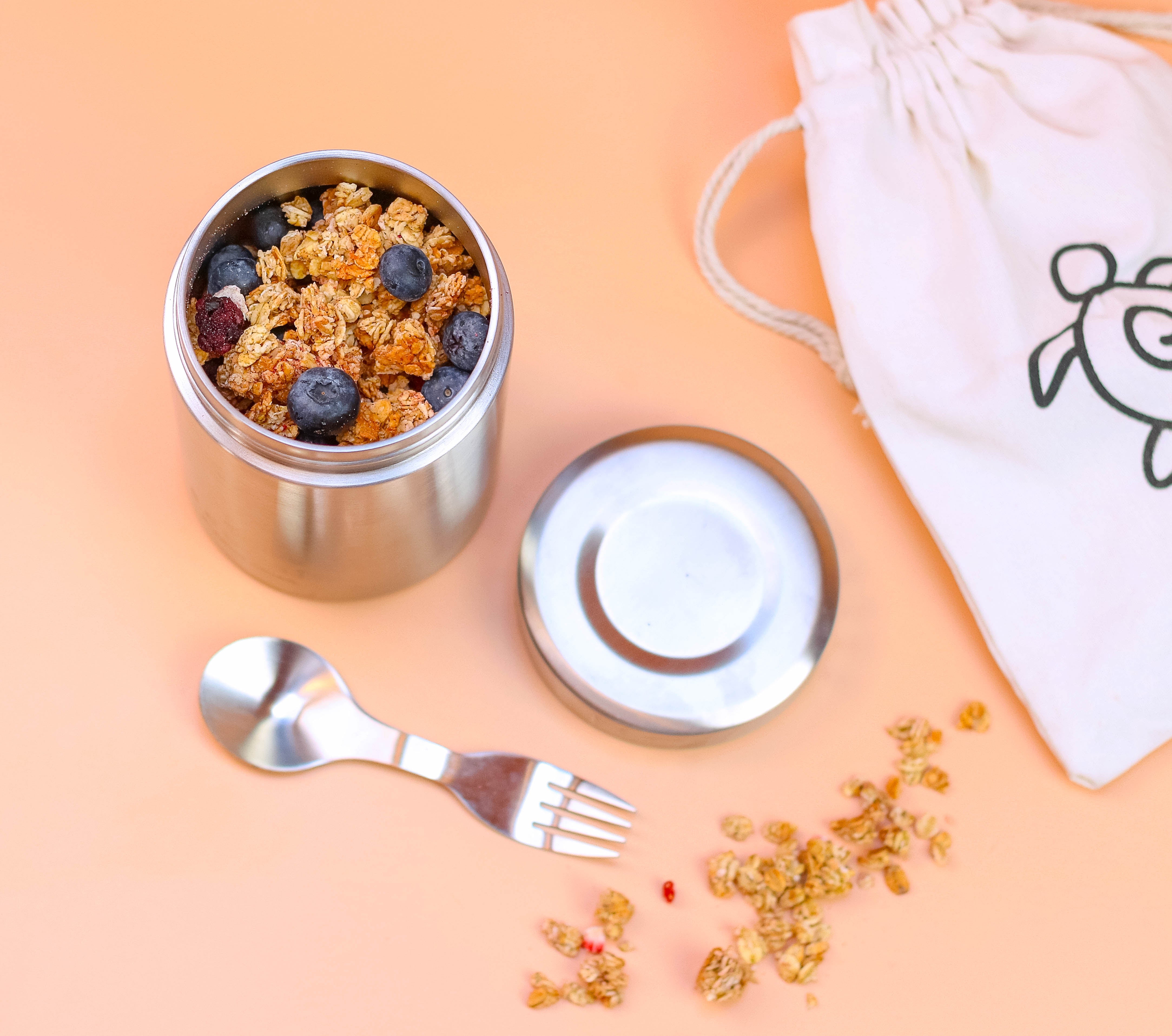
At Ecozoi, the goal is simple. Offer practical kitchen essentials made from materials people trust, like stainless steel and bamboo, so families, home cooks, and bulk buyers have better choices for everyday use. These are not decorative swaps. They are working products built for meals, storage, prep, and packing food with less waste.
Eco-friendly kitchen products are not about doing everything at once. They are about replacing the items you use every day with better ones, one step at a time.
What Eco-Friendly Kitchen Products Mean in Real Life
A lot of people search for eco-friendly kitchen products, but the real question is what they mean in practical terms.
In a home kitchen, it usually means products that last longer, use safer materials, and reduce the need for single-use plastic. It also means buying items that are easy to clean, easy to reuse, and simple to carry from the kitchen to the table or lunch bag.
Here is what that looks like in daily use:
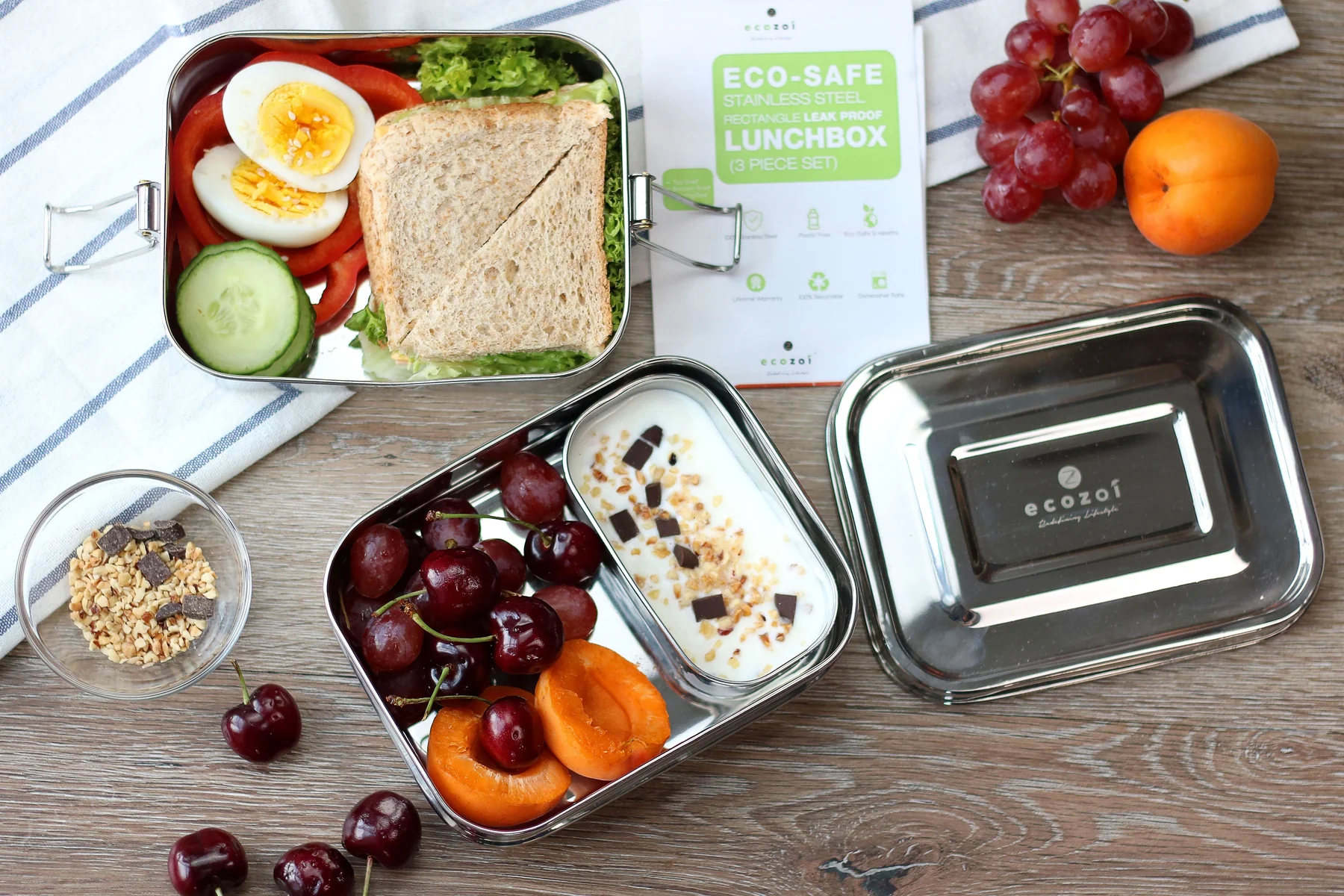
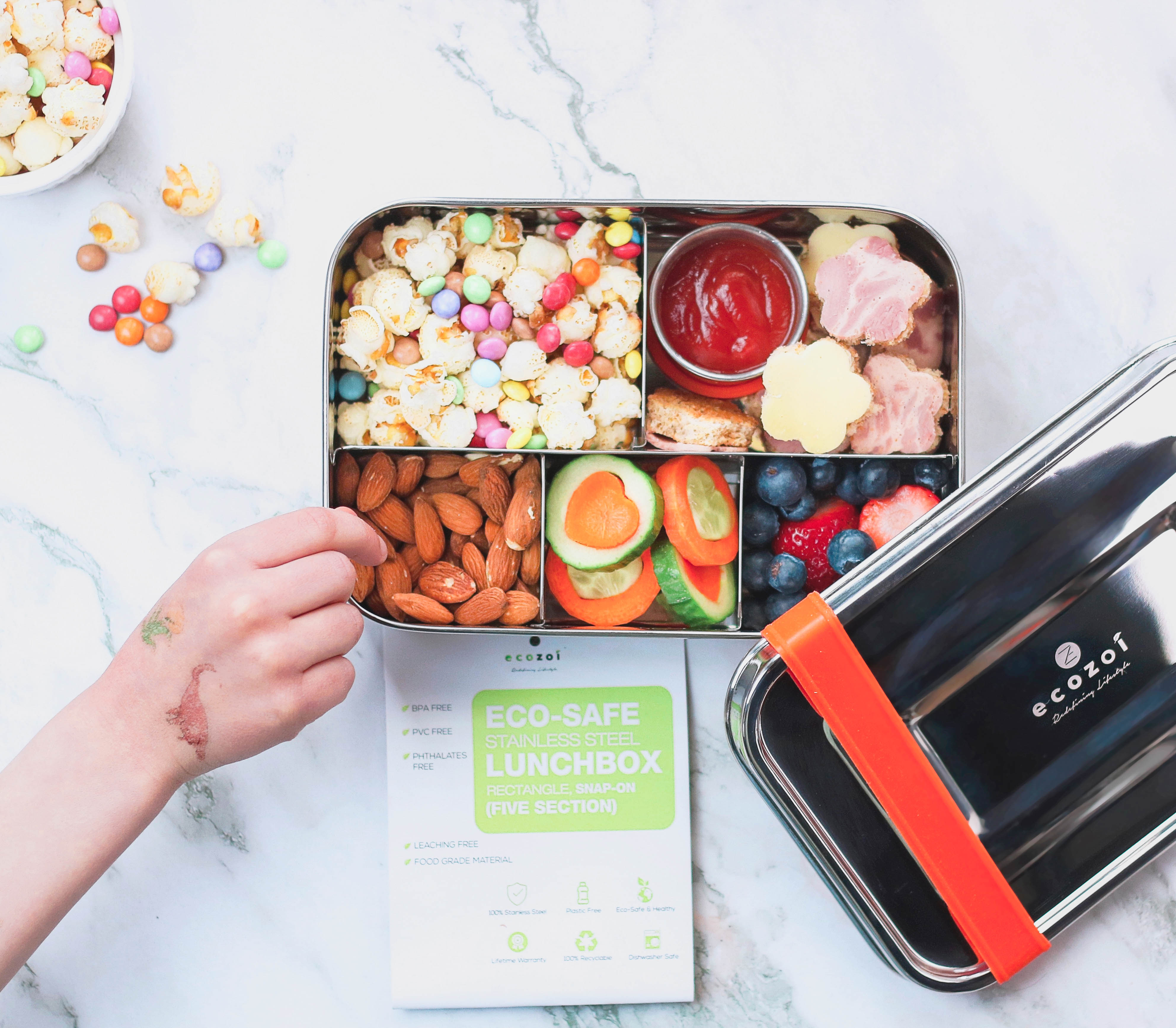
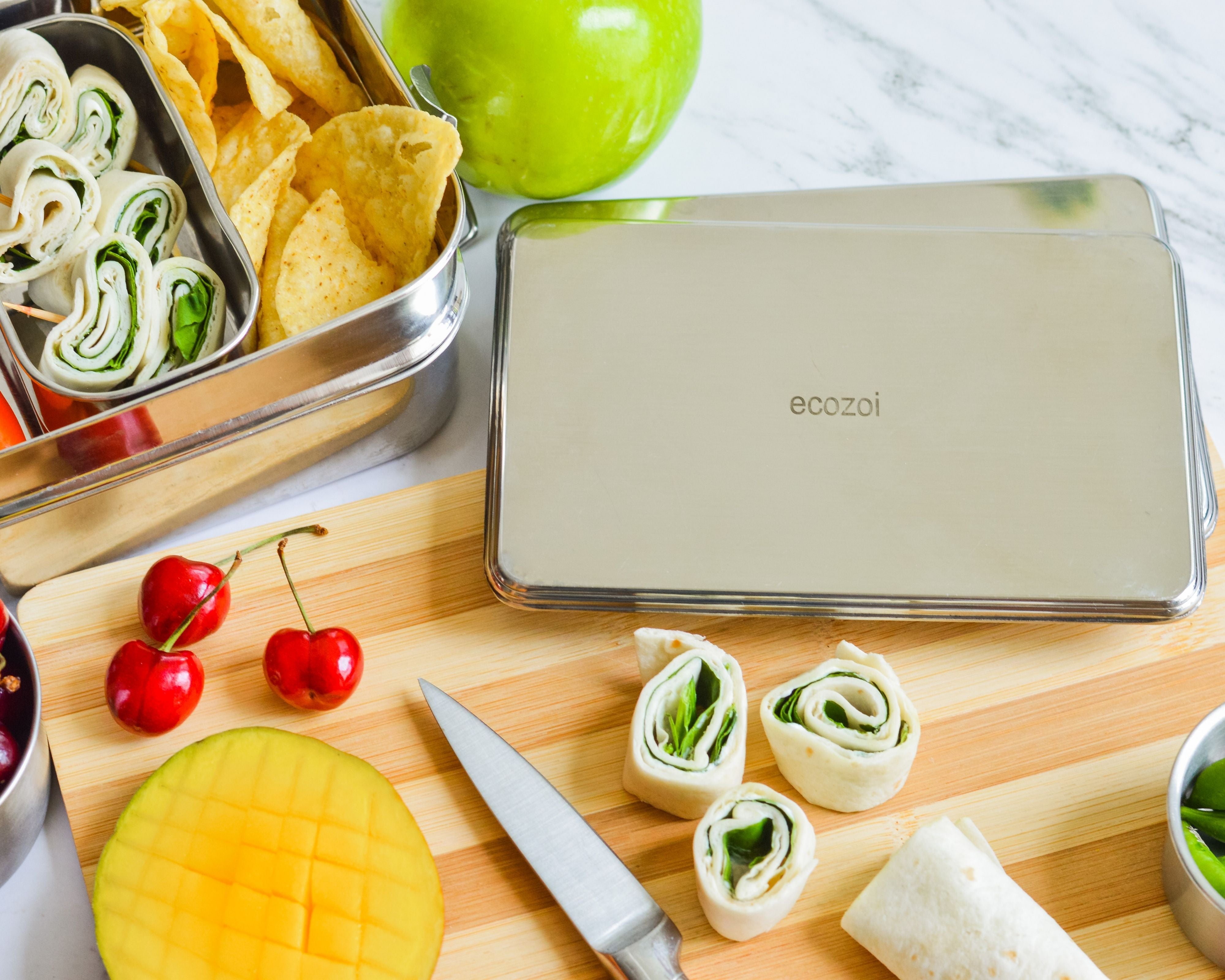
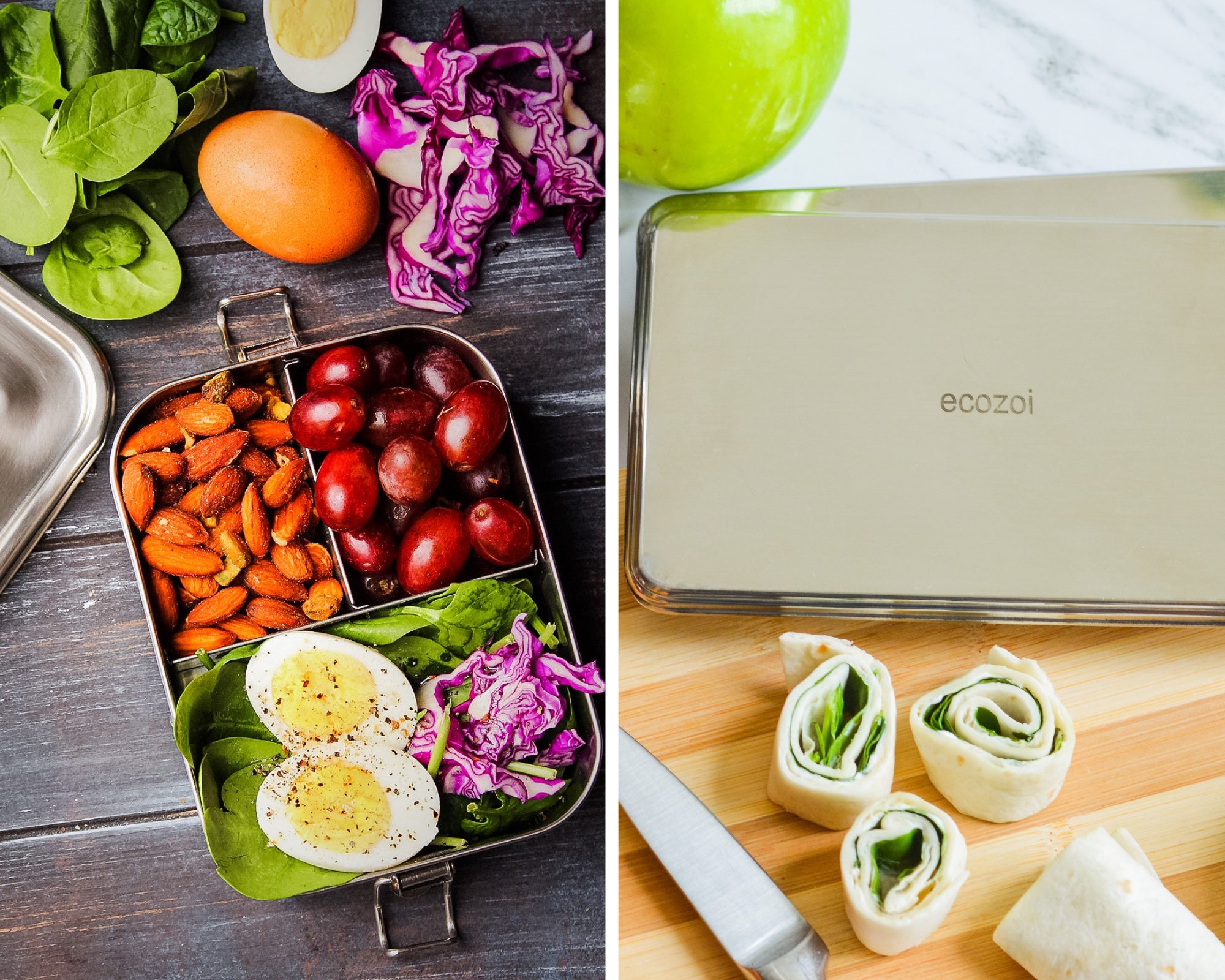
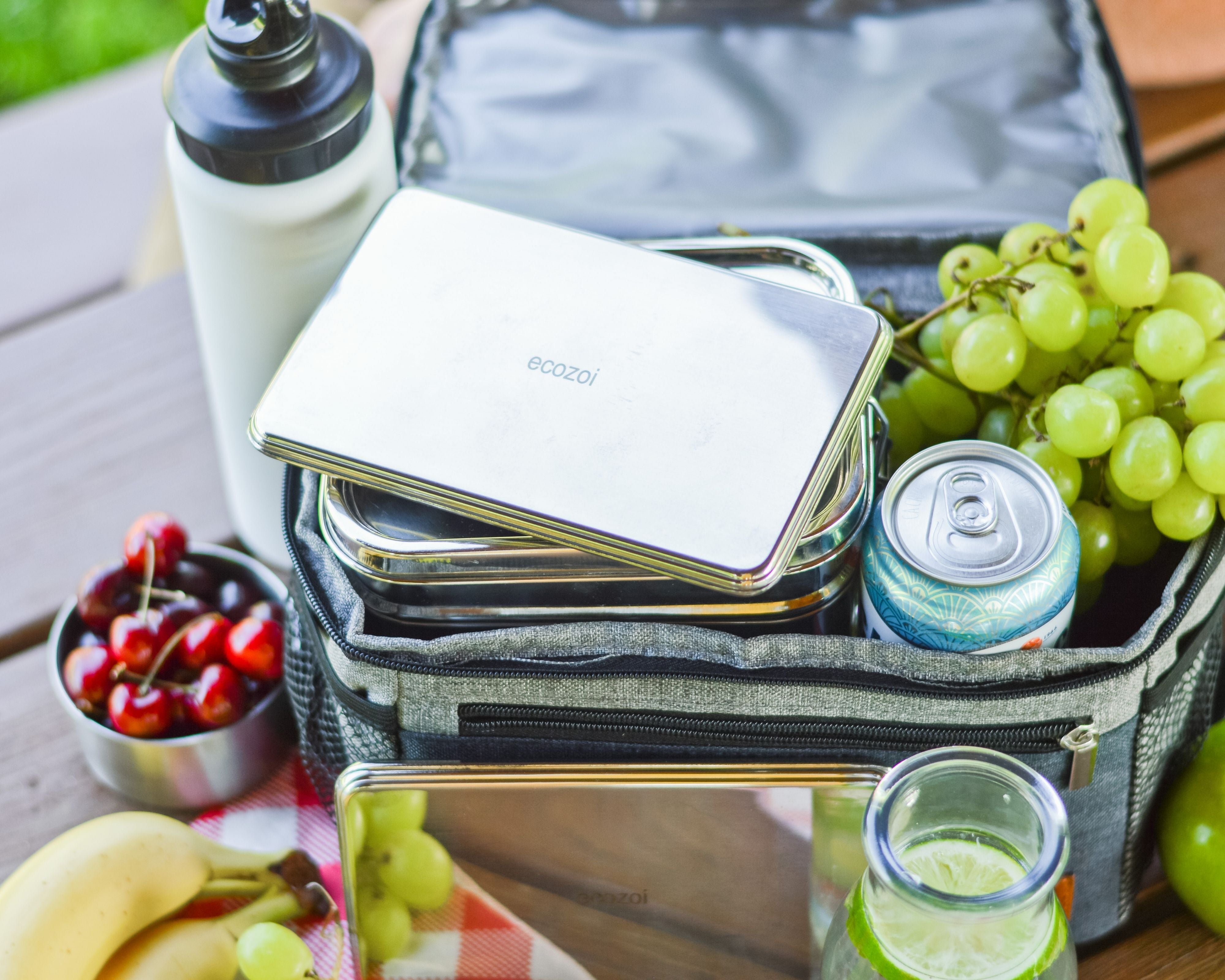
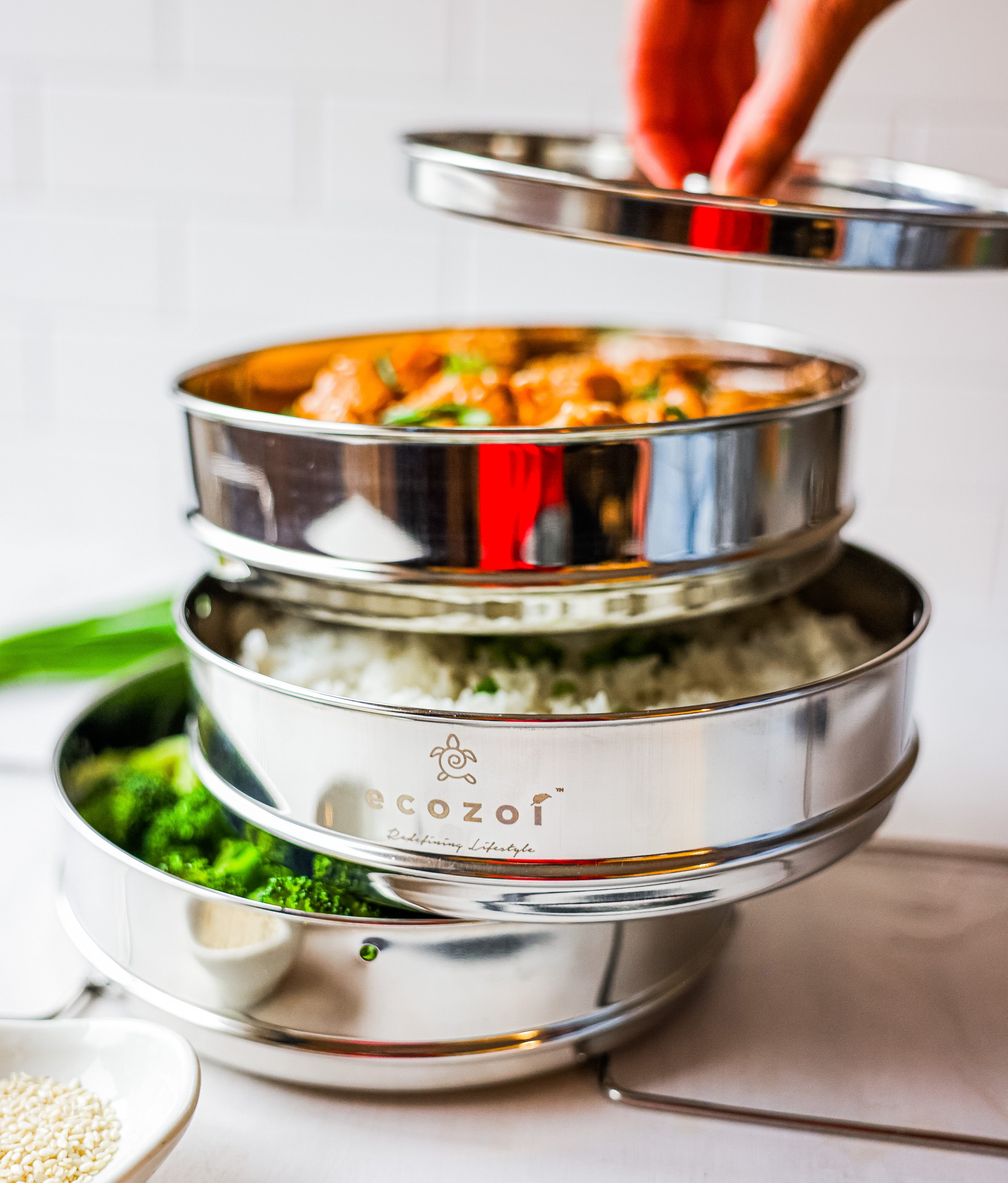
- A lunch box that replaces disposable wraps and plastic containers.
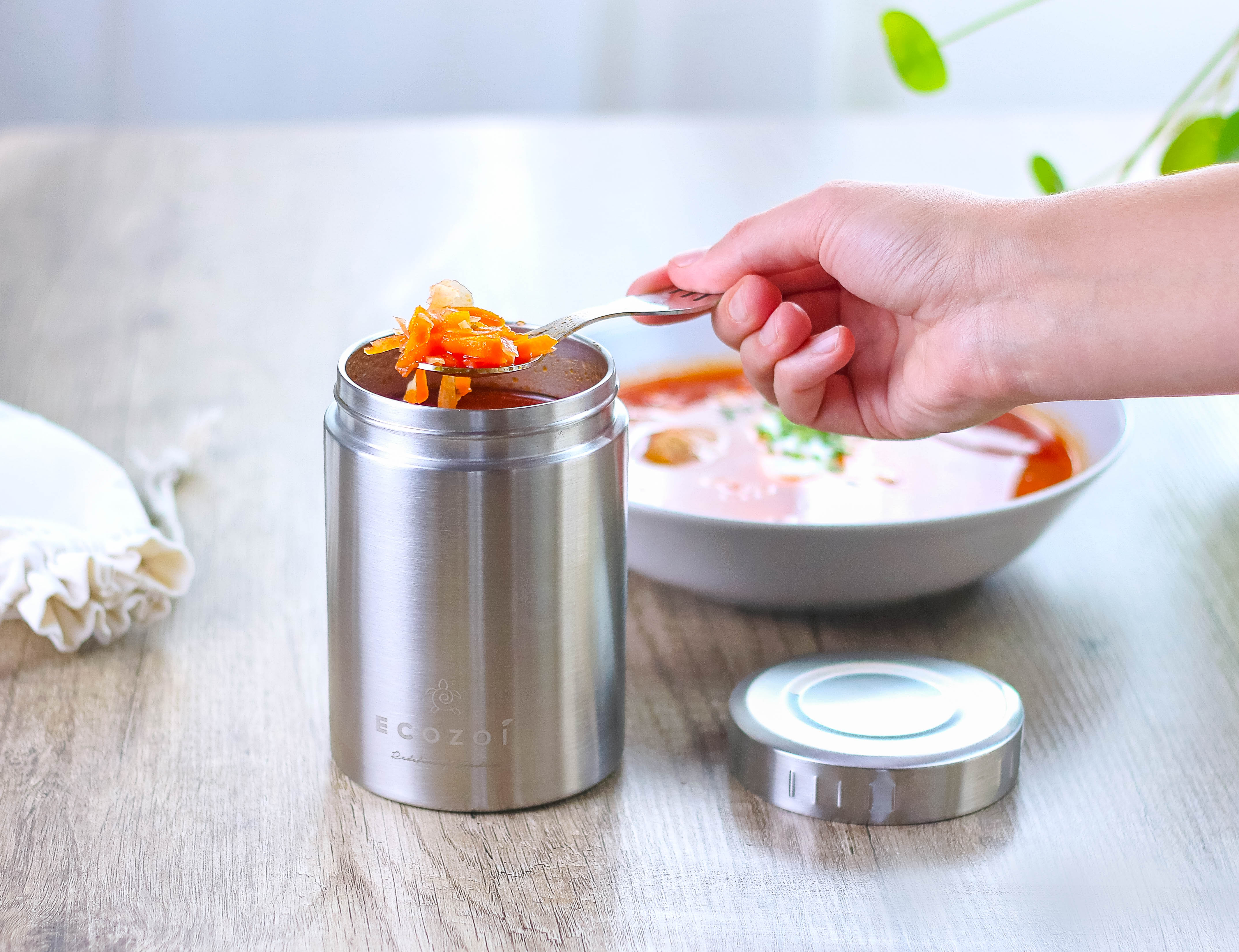
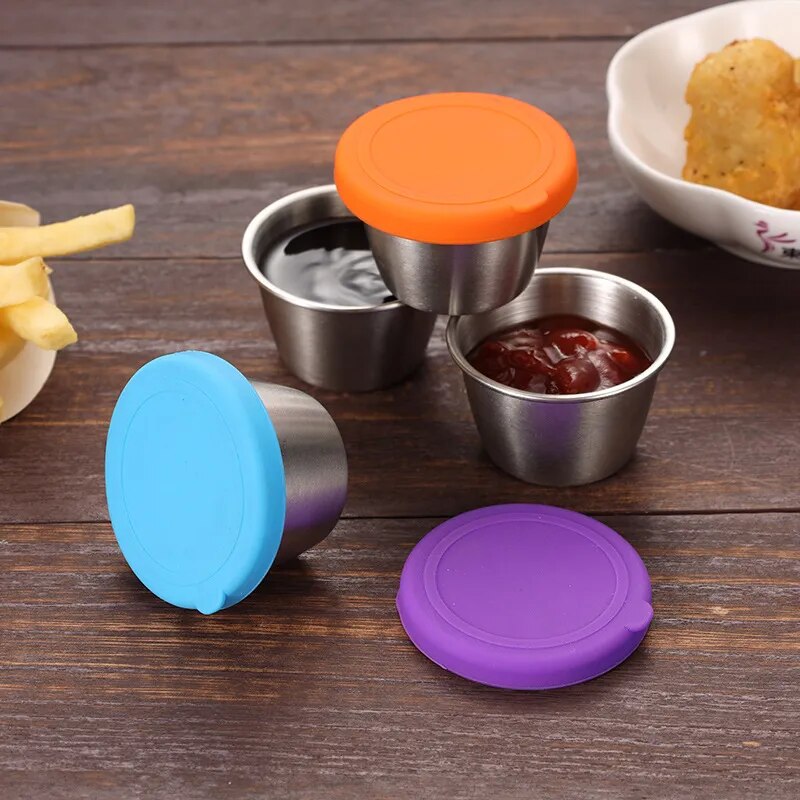
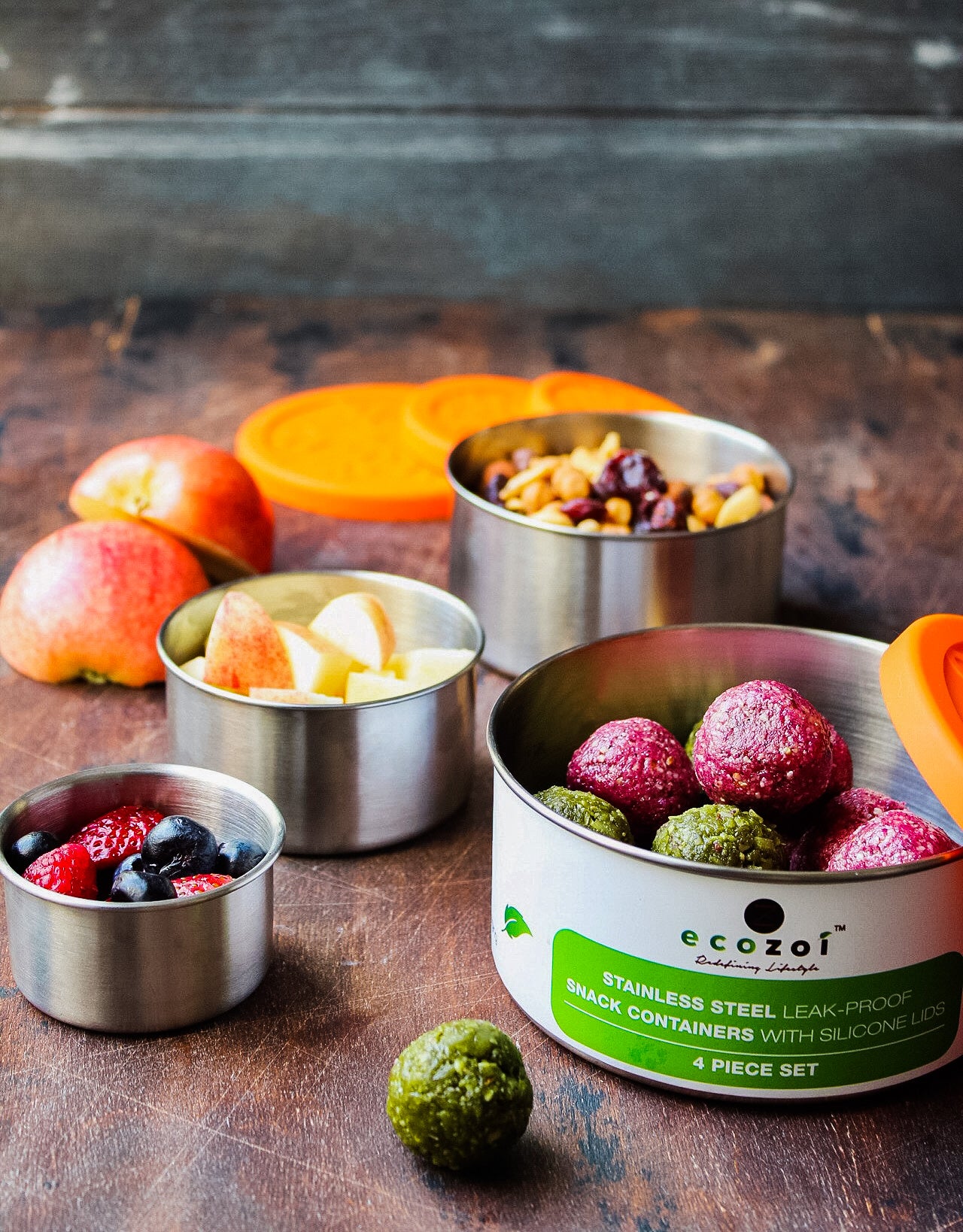
- A storage item that holds food without extra odor or staining.
- A prep tool that does its job without cracking, peeling, or breaking fast.
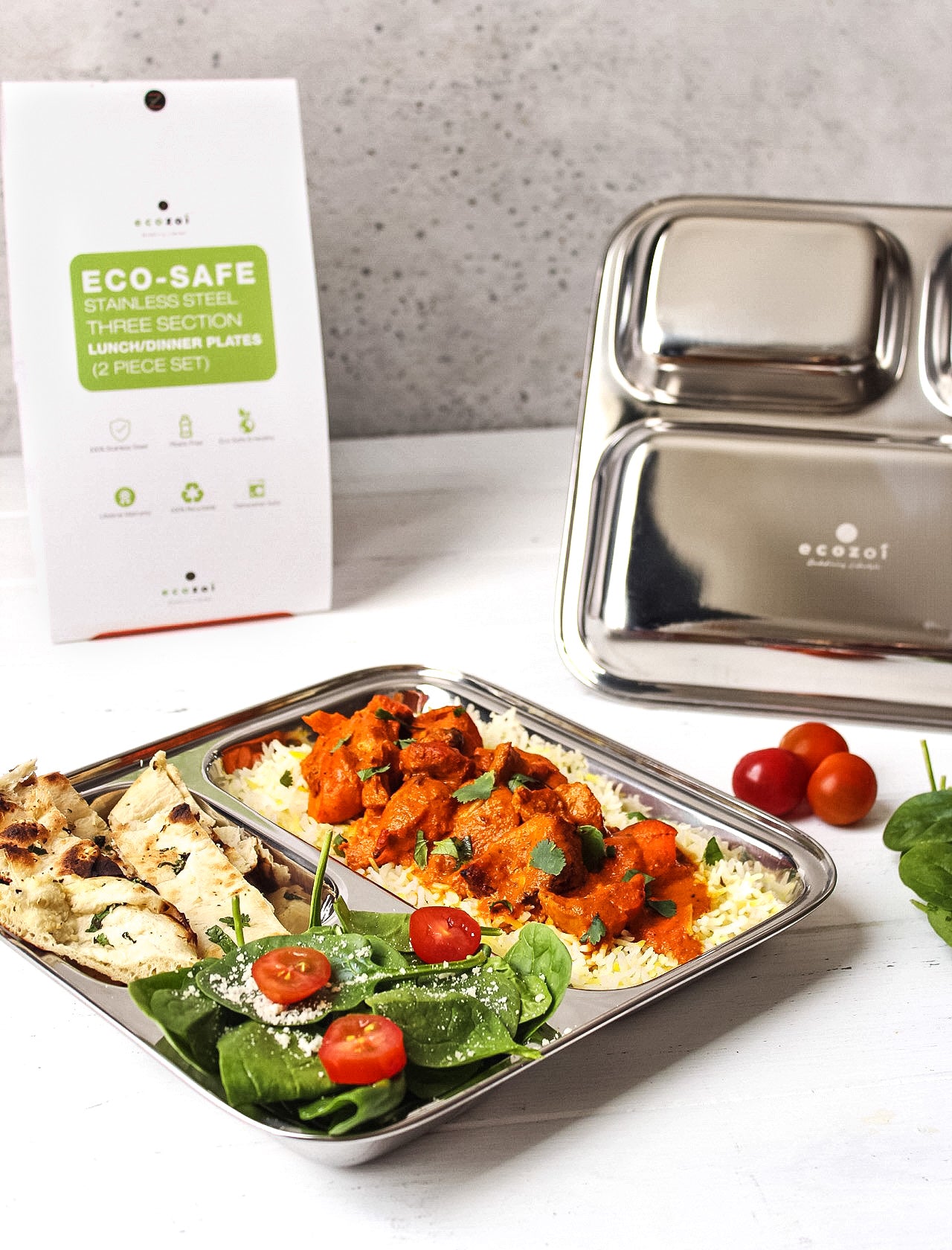
- A serving item that looks neat and works well in a busy kitchen.
- They do not leach chemicals into food when heated, frozen, or scrubbed
- They are built to last for years, not replaced every season
- They come from materials that break down safely or get reused, instead of sitting in a landfill for centuries
- Their packaging skips unnecessary plastic, too
That is the real value of eco-friendly kitchen products. They solve an everyday problem without creating a new one.
Stainless Steel and Bamboo Kitchen Products vs. Plastic
Plastic took over kitchens because it was cheap and light, not because it held up over time. It cracks under heat, stains from tomato sauce and turmeric, holds onto smells, and sheds microplastic with every wash cycle.
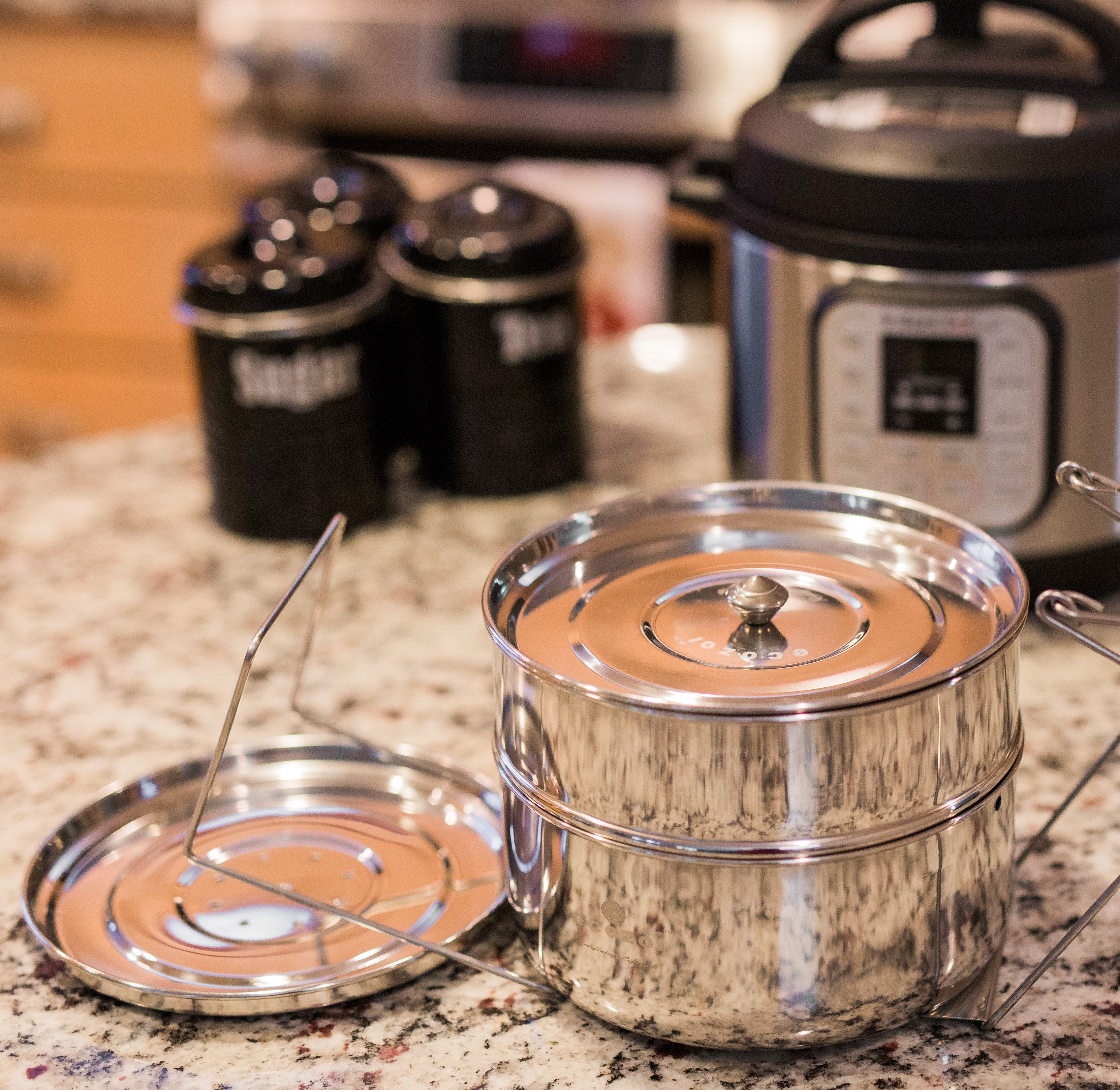
Stainless steel products solve most of that on their own. Food-grade stainless steel does not stain, does not absorb odors, and does not react with acidic foods the way some plastics can. It also survives the drop that would crack a plastic container on the first try.
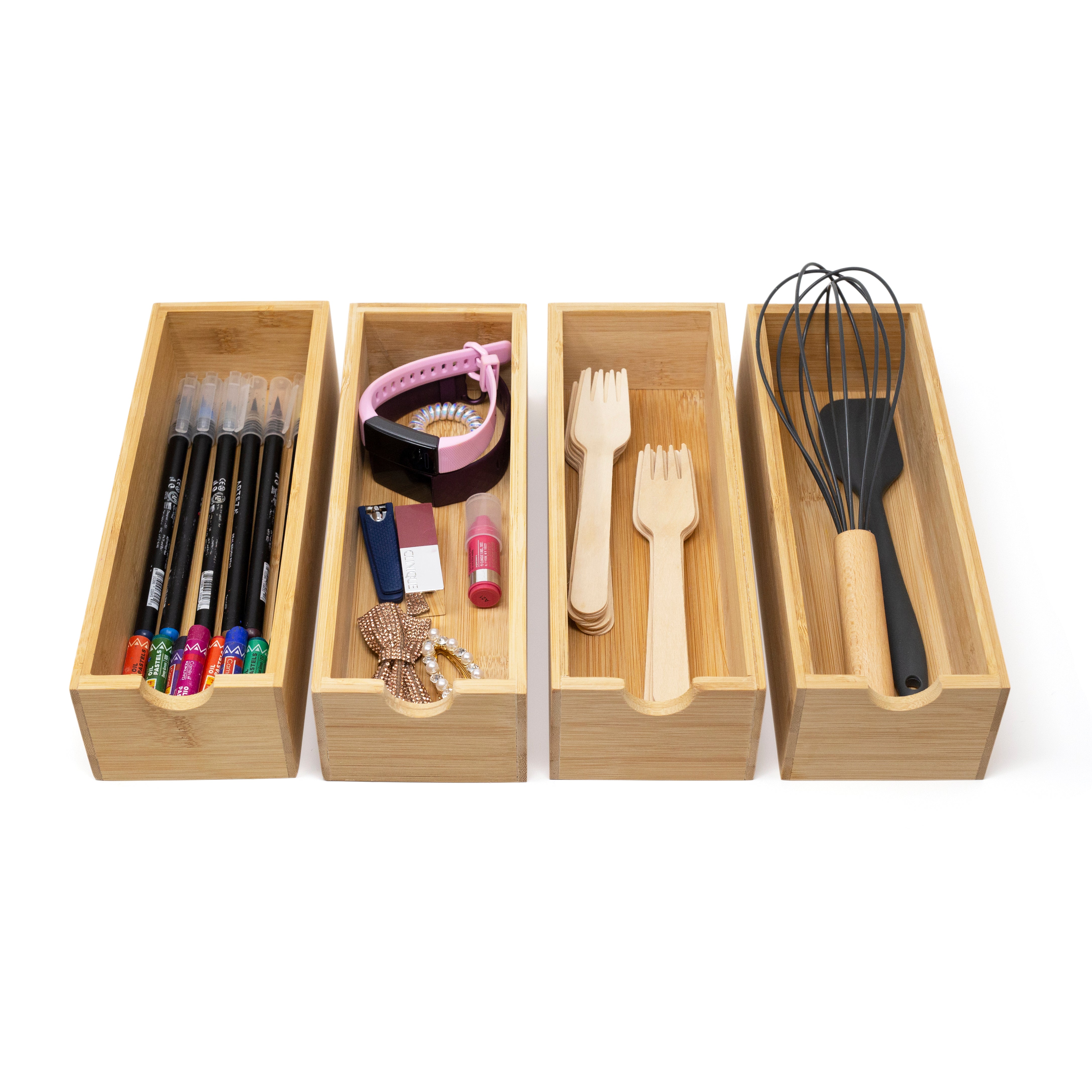
Bamboo products for kitchen use bring a different set of strengths. Bamboo is a fast-growing grass, not a tree, so it regrows quickly without needing to be replanted. It resists bacteria naturally, stays light enough for daily use, and breaks down at the end of its life instead of sitting in a landfill.
Neither material asks you to give up convenience. Stainless steel lunch boxes go straight into the dishwasher. Bamboo boards wipe clean with a damp cloth. The swap is not a downgrade. It is a fix.
Plastic-Free Lunch Boxes for Everyday Meals
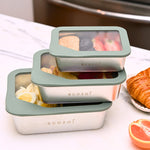
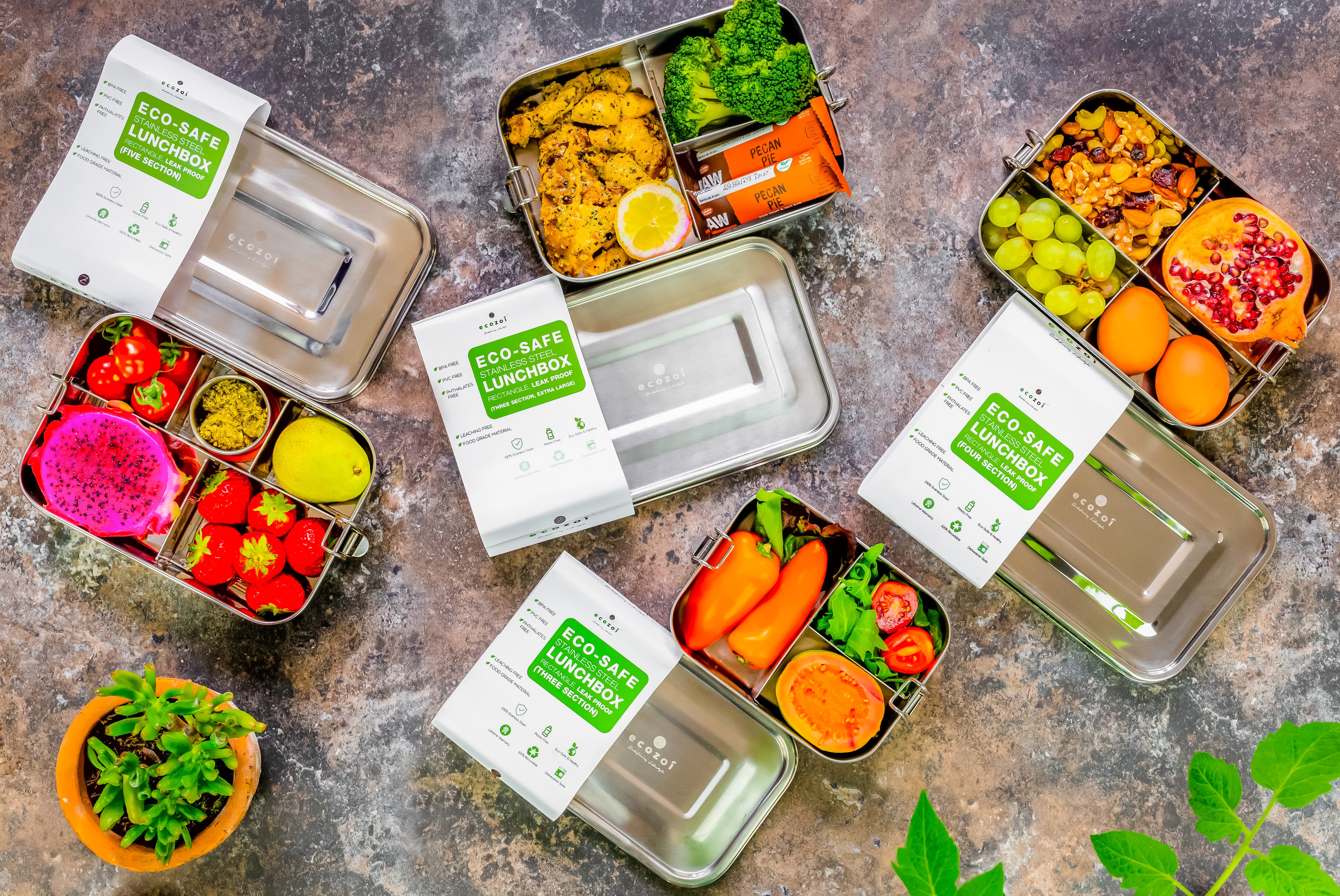
One of the most searched items in this space is plastic-free lunch boxes. The reason is easy to understand. People pack lunch at home, at work, at school, and while traveling. That makes the lunch box one of the most used items in the kitchen.
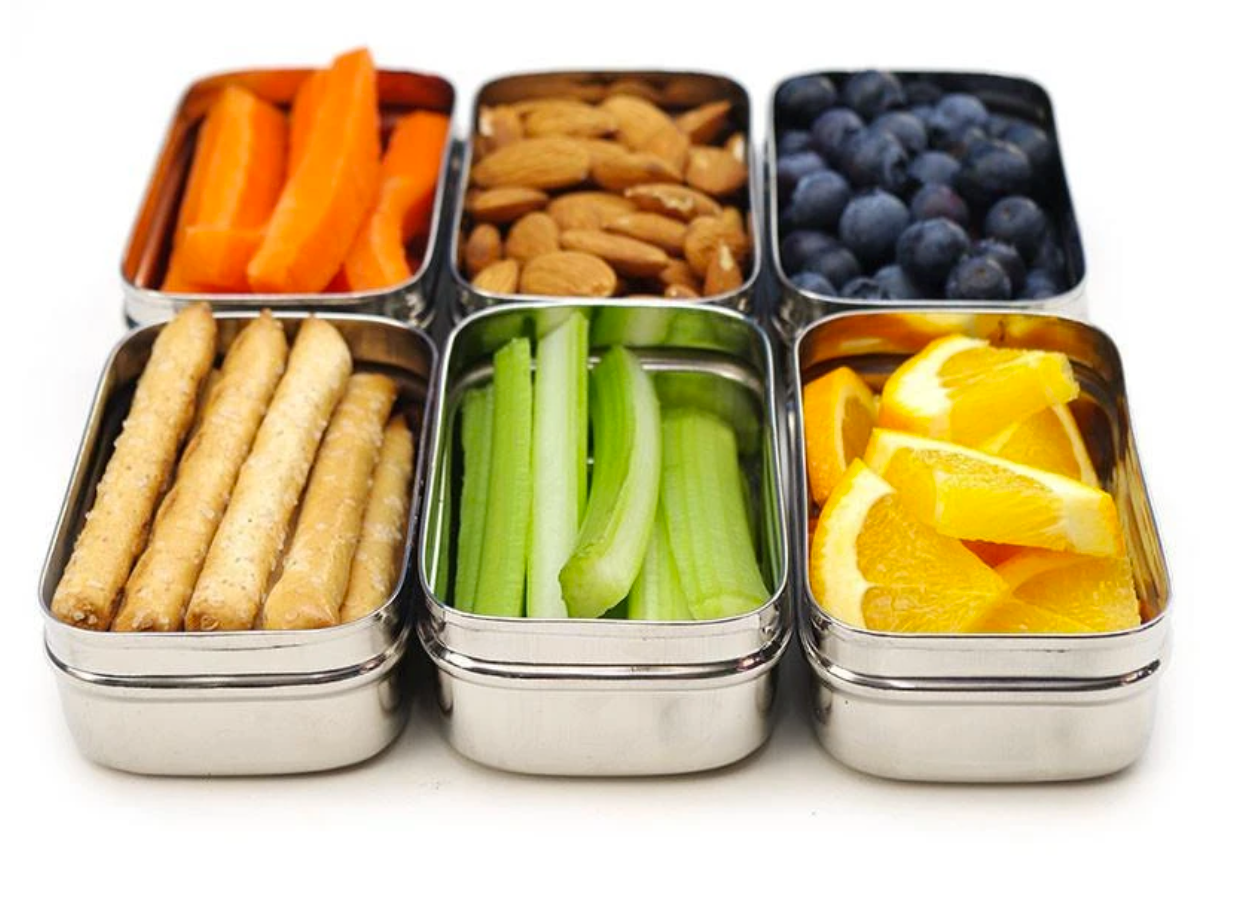
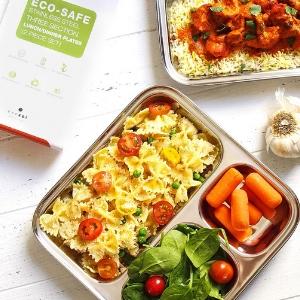
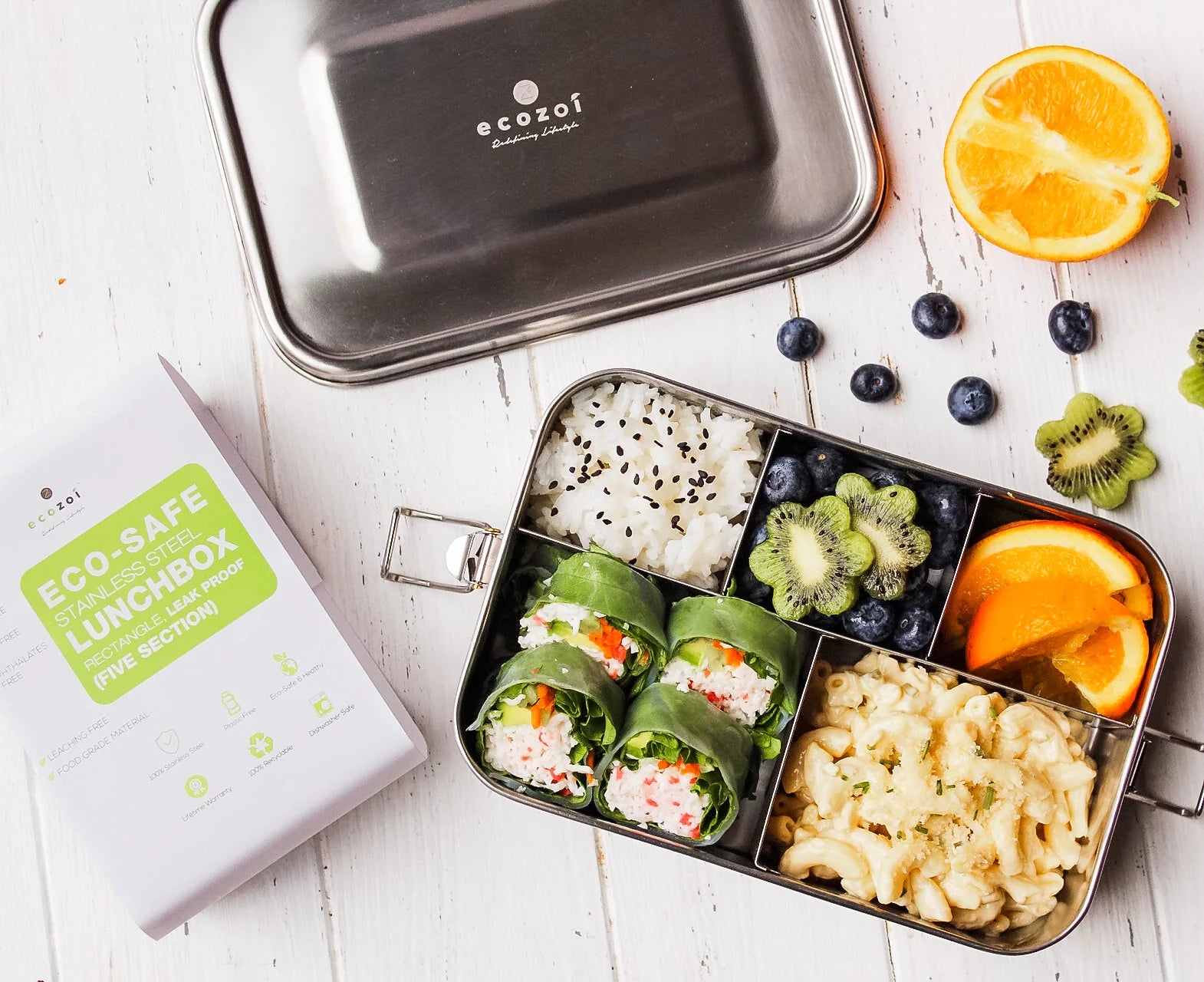
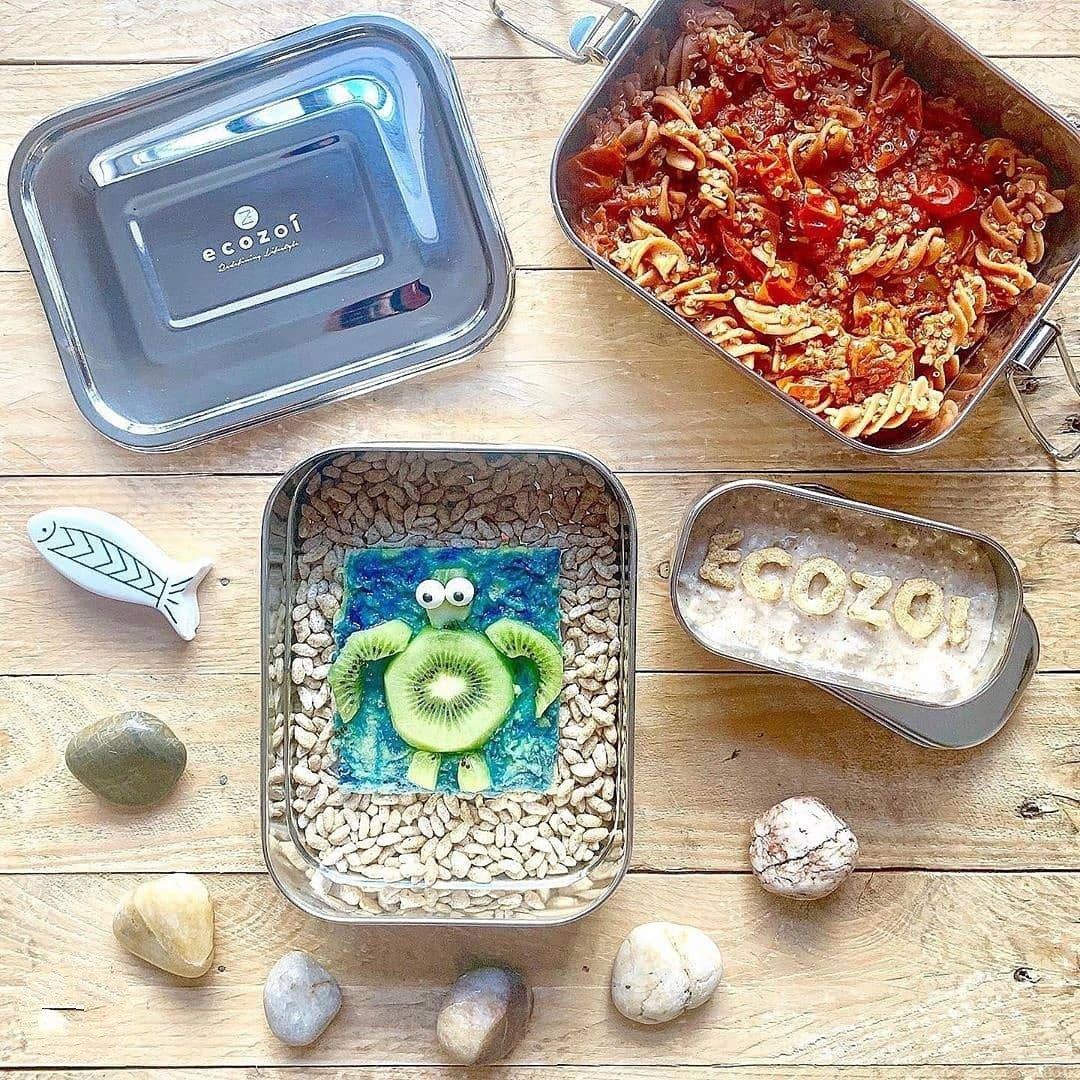
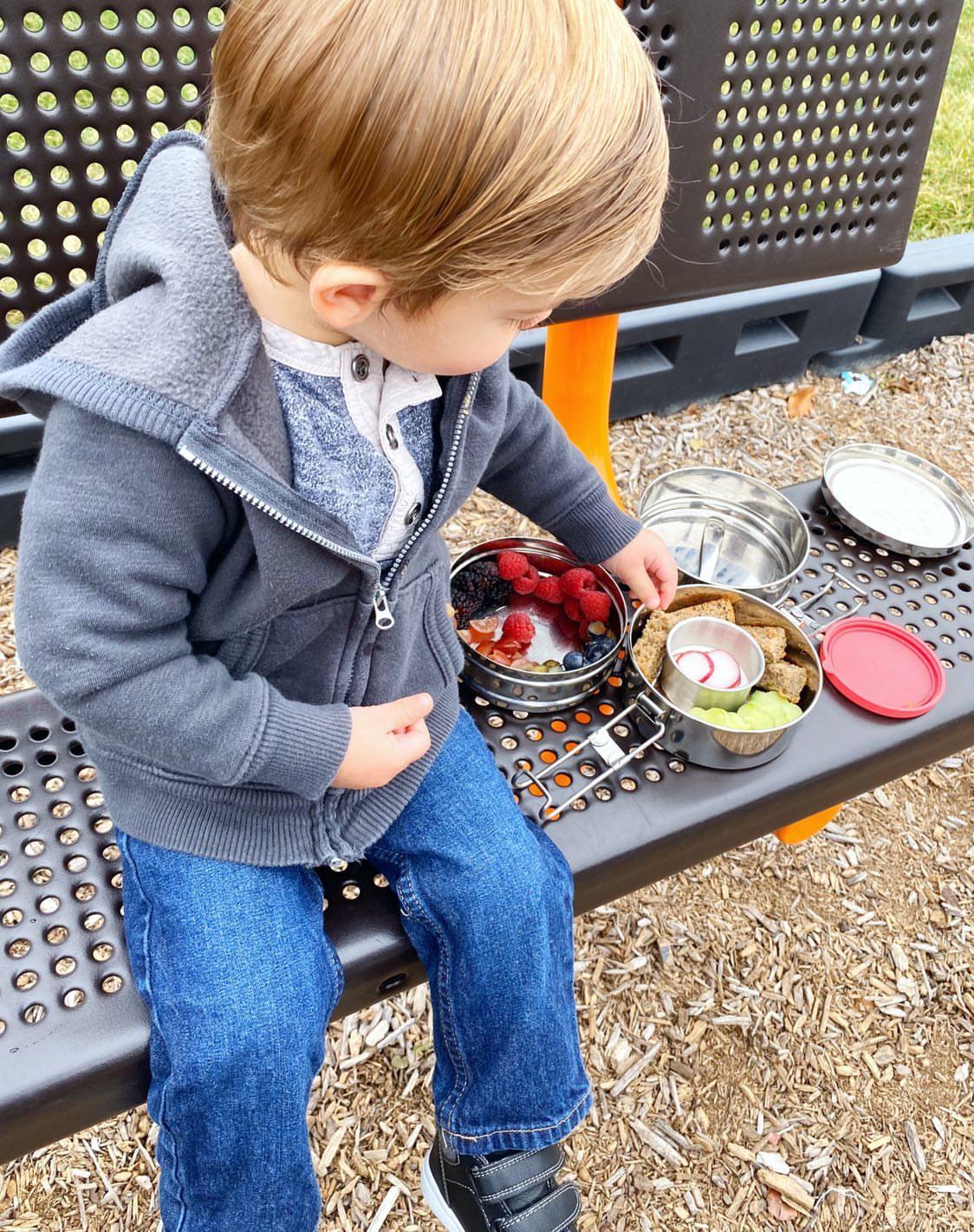
Plastic-free lunch boxes help reduce daily plastic use without making meal packing harder. They also suit people who want a cleaner, more durable option for storing rice, snacks, fruit, salads, and leftovers.
- It packs well.
- It cleans easily.
- It supports repeated use.
- It fits meal prep and storage needs.
How to Choose Eco-Friendly Kitchen Suppliers You Can Trust
Not every brand selling eco-friendly kitchen products backs up the claim once you look closer. Before buying, check a few things:
- What exact material touches your food (stainless steel, bamboo, silicone, and organic cotton are safer bets than a vague eco-plastic blend)
- Whether the company shares real information about where products are made and tested
- What happens if something breaks or shows up damaged
- Whether the packaging itself skips single-use plastic
That is the real difference between eco-friendly kitchen suppliers who back their materials like Ecozoi and those that just print a leaf on the box.
The Measurable Impact of Switching to Eco-Friendly Kitchen Products with Ecozoi
Small swaps add up fast once more than a million households make them at the same time.
- Trees planted: 400,000+
- Plastic replaced: 24+ tons
- CO2 reduced: 120+ metric tons
- Funded in green projects: $345,450+
These numbers come from Ecozoi's partnerships with Eden Reforestation, U Capture, and rePurpose Global, built into every order rather than treated as a one-time donation.
Bring Eco-Friendly Kitchen Products Into Your Home
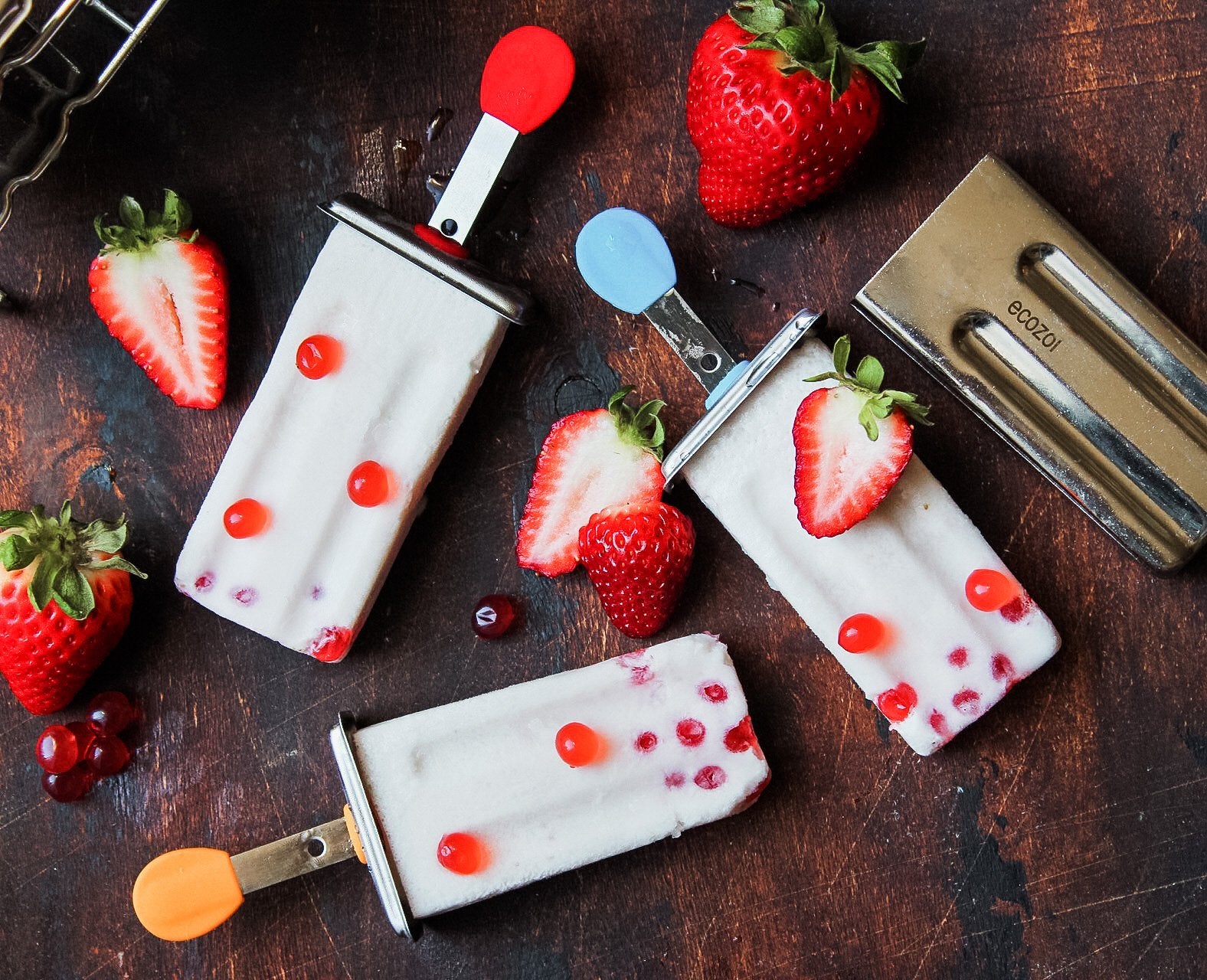
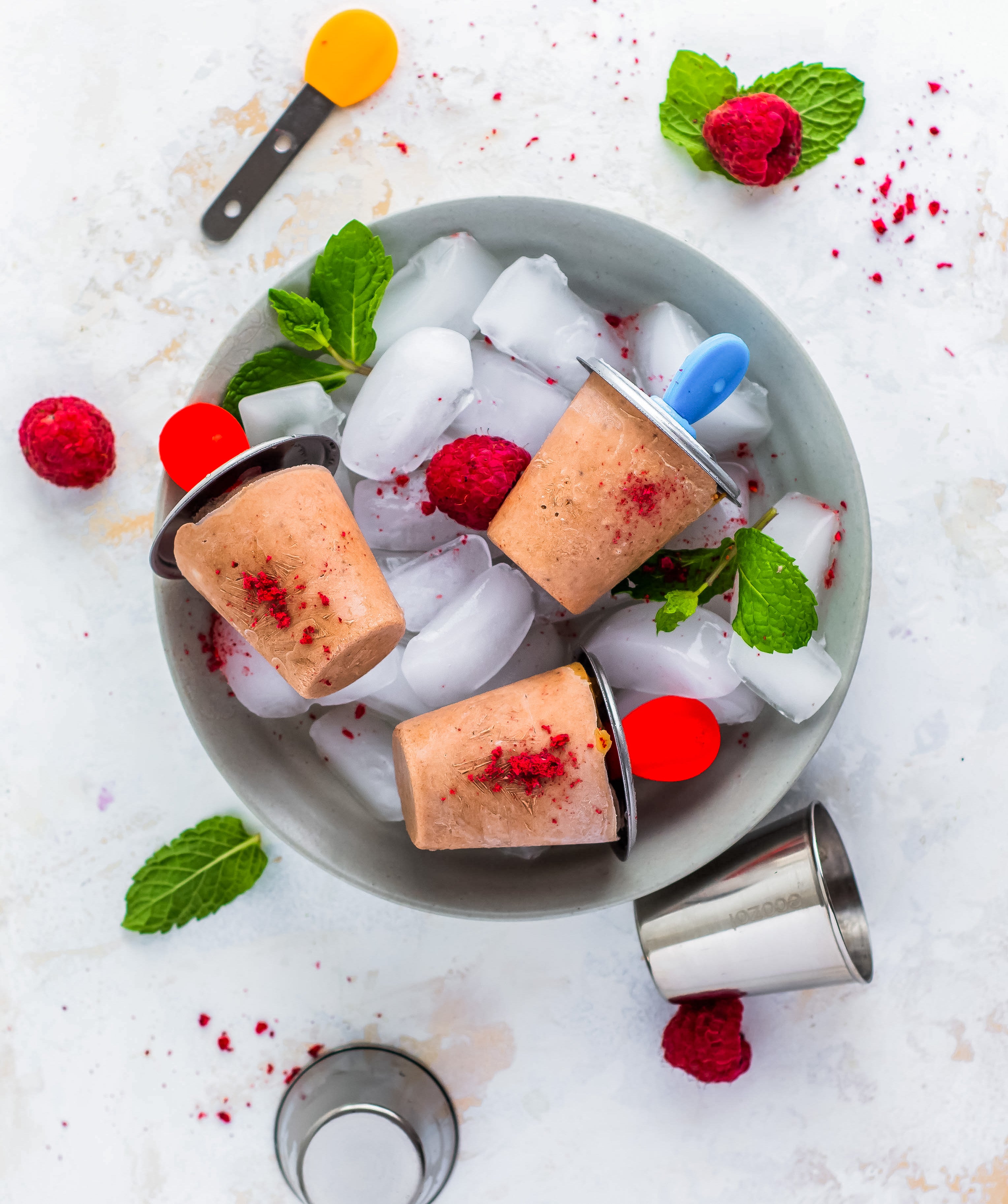
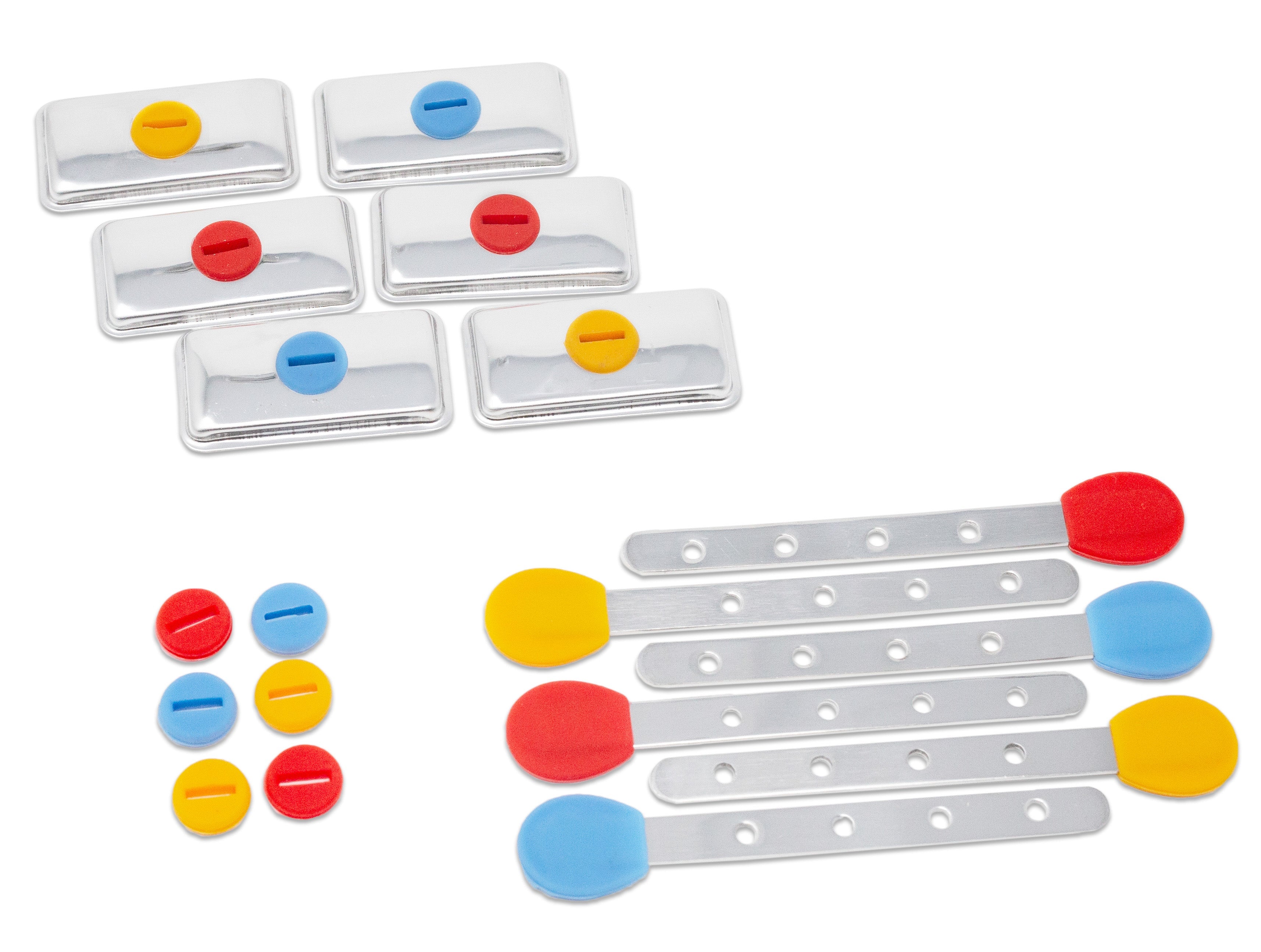
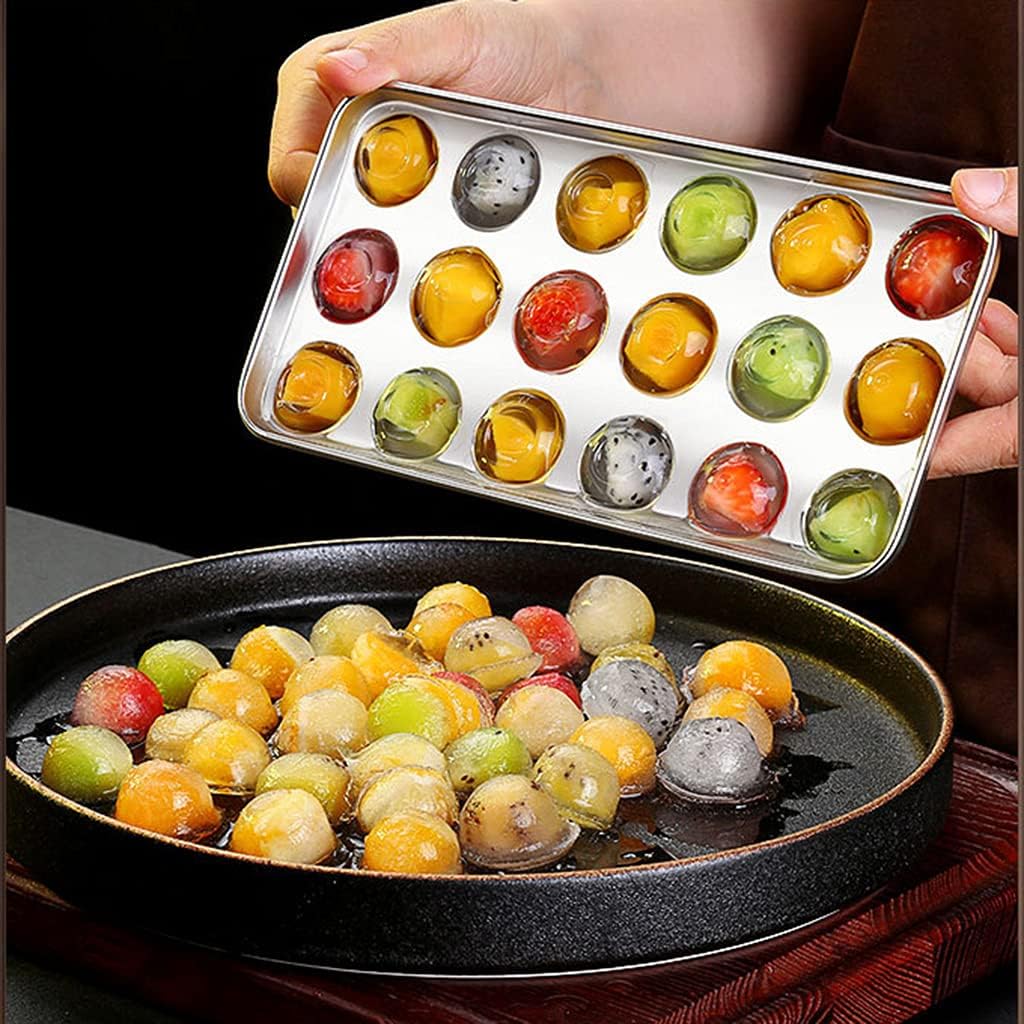
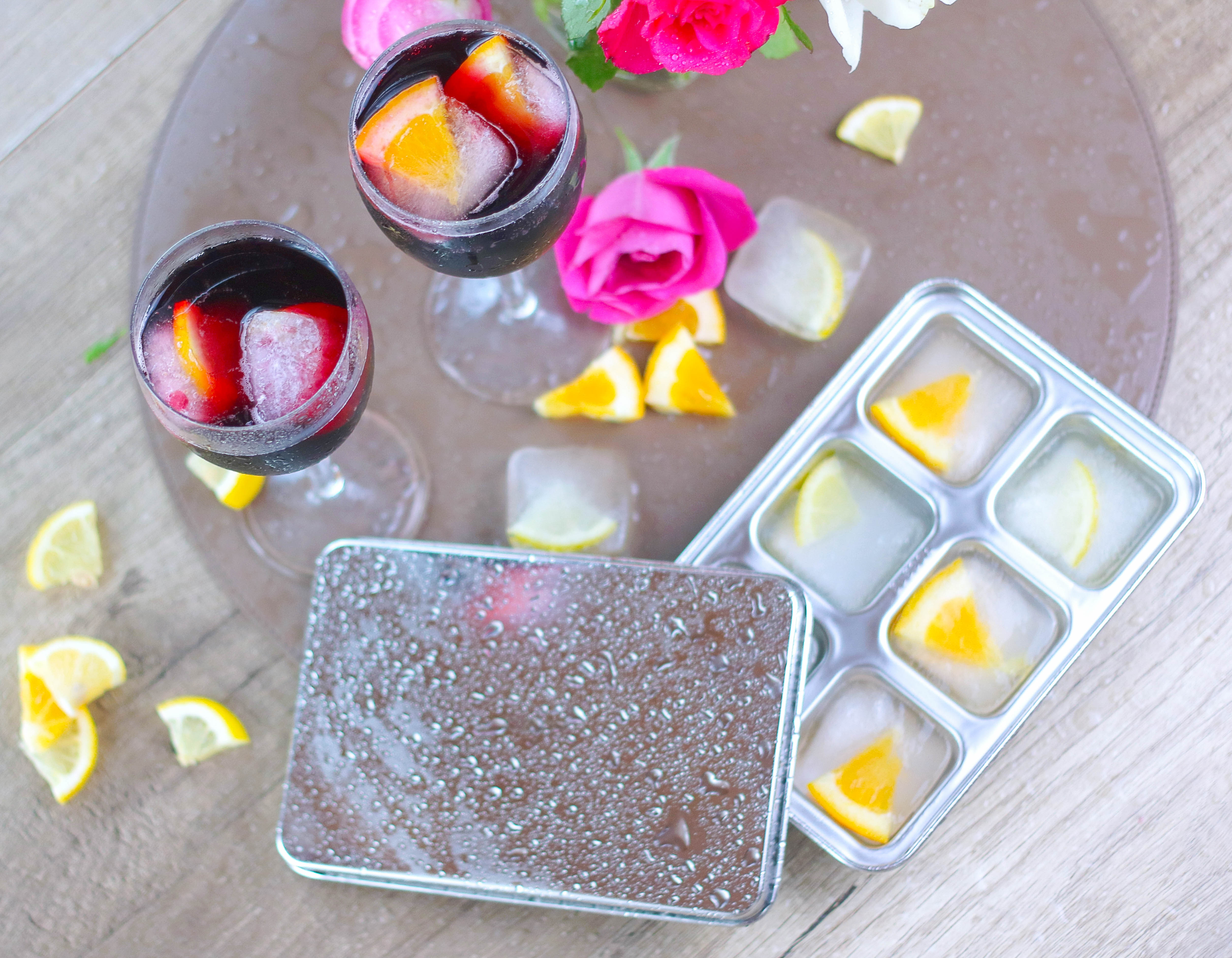
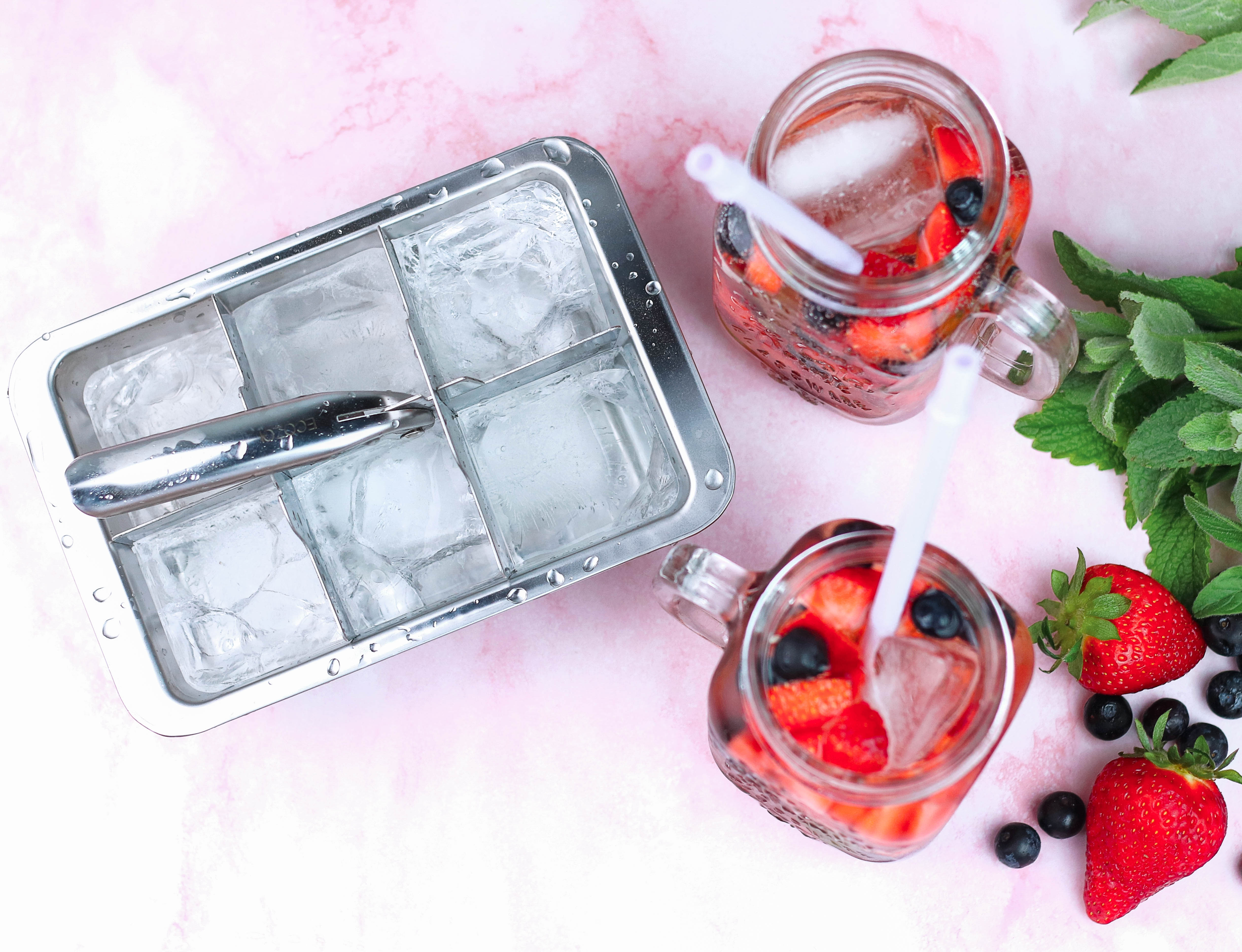
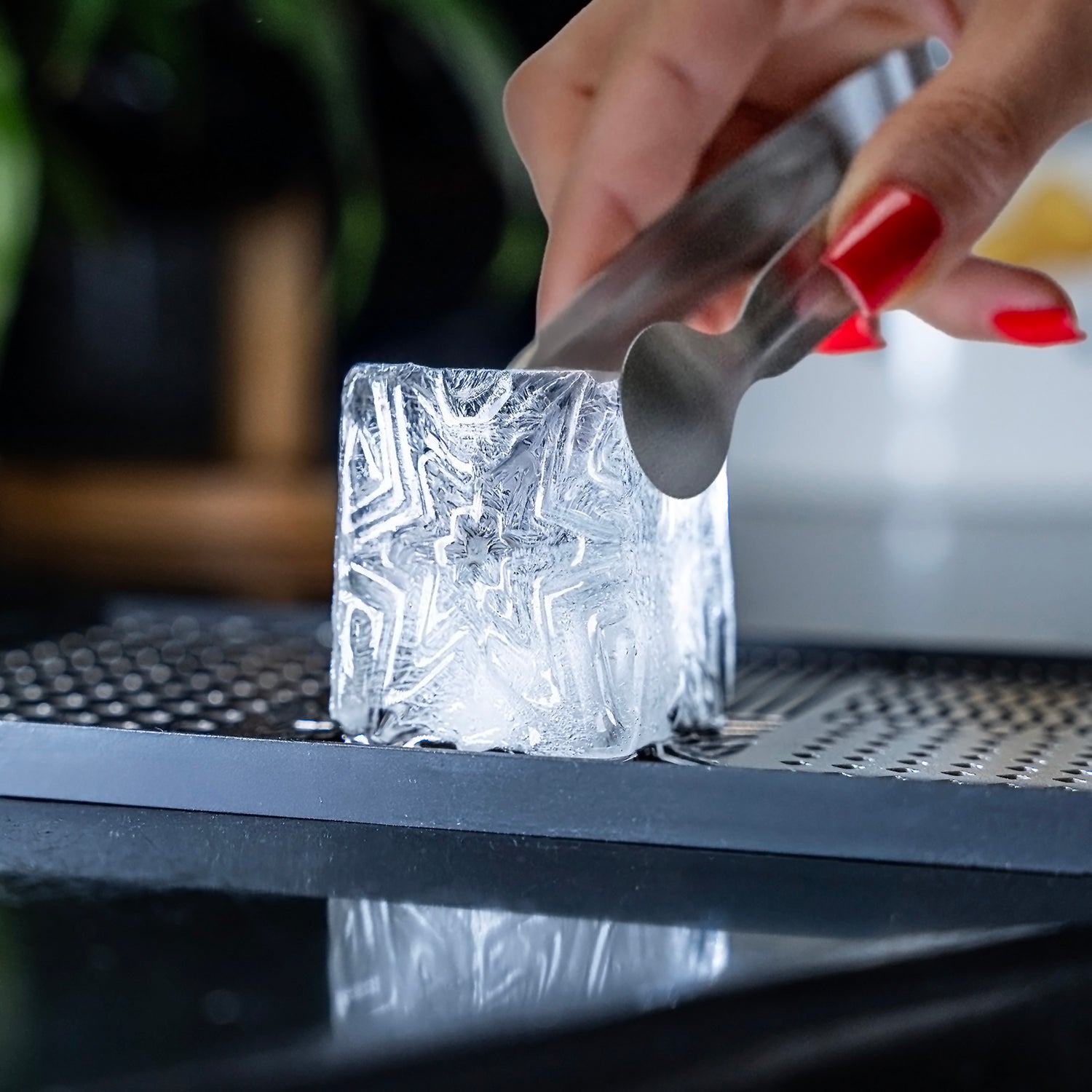
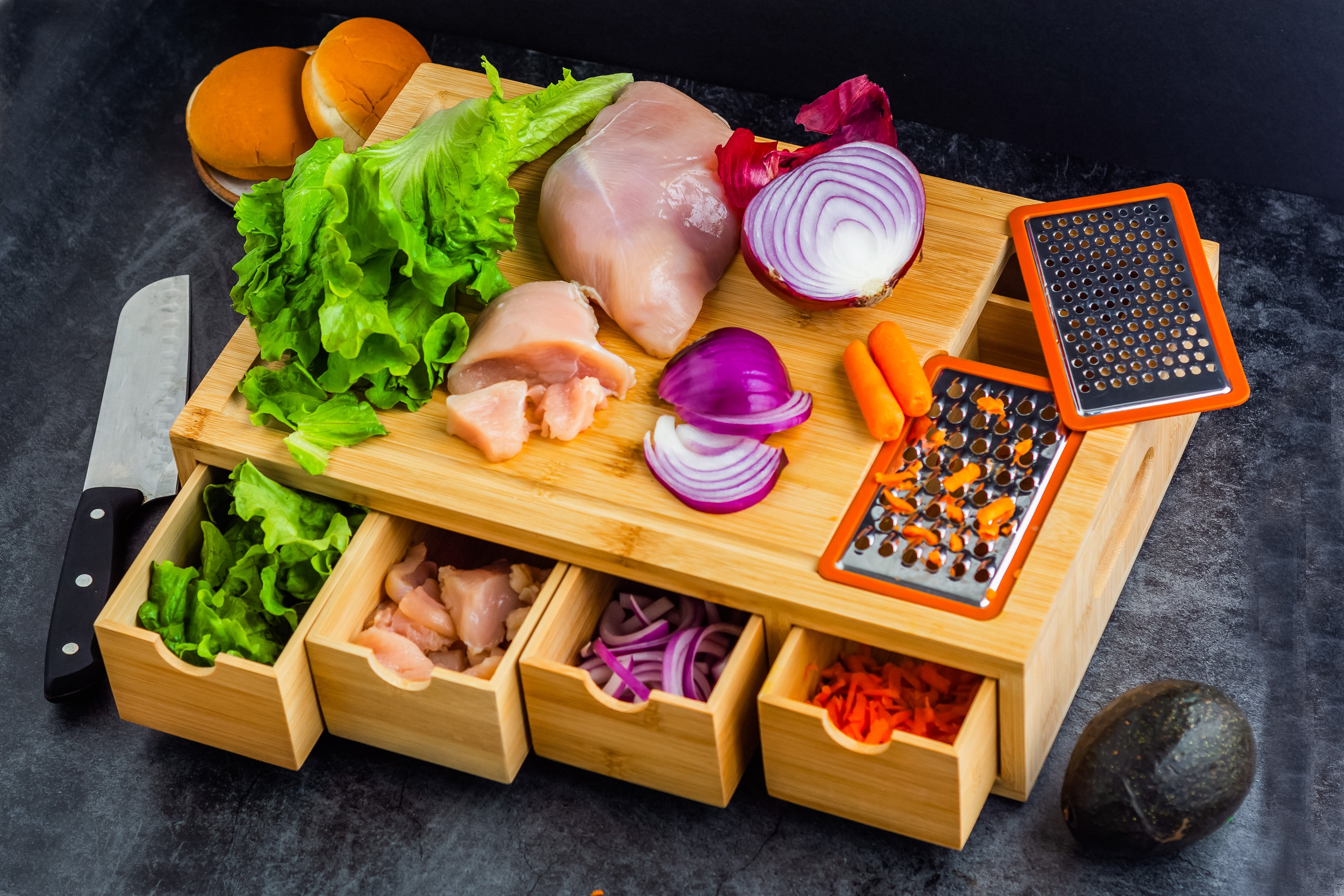
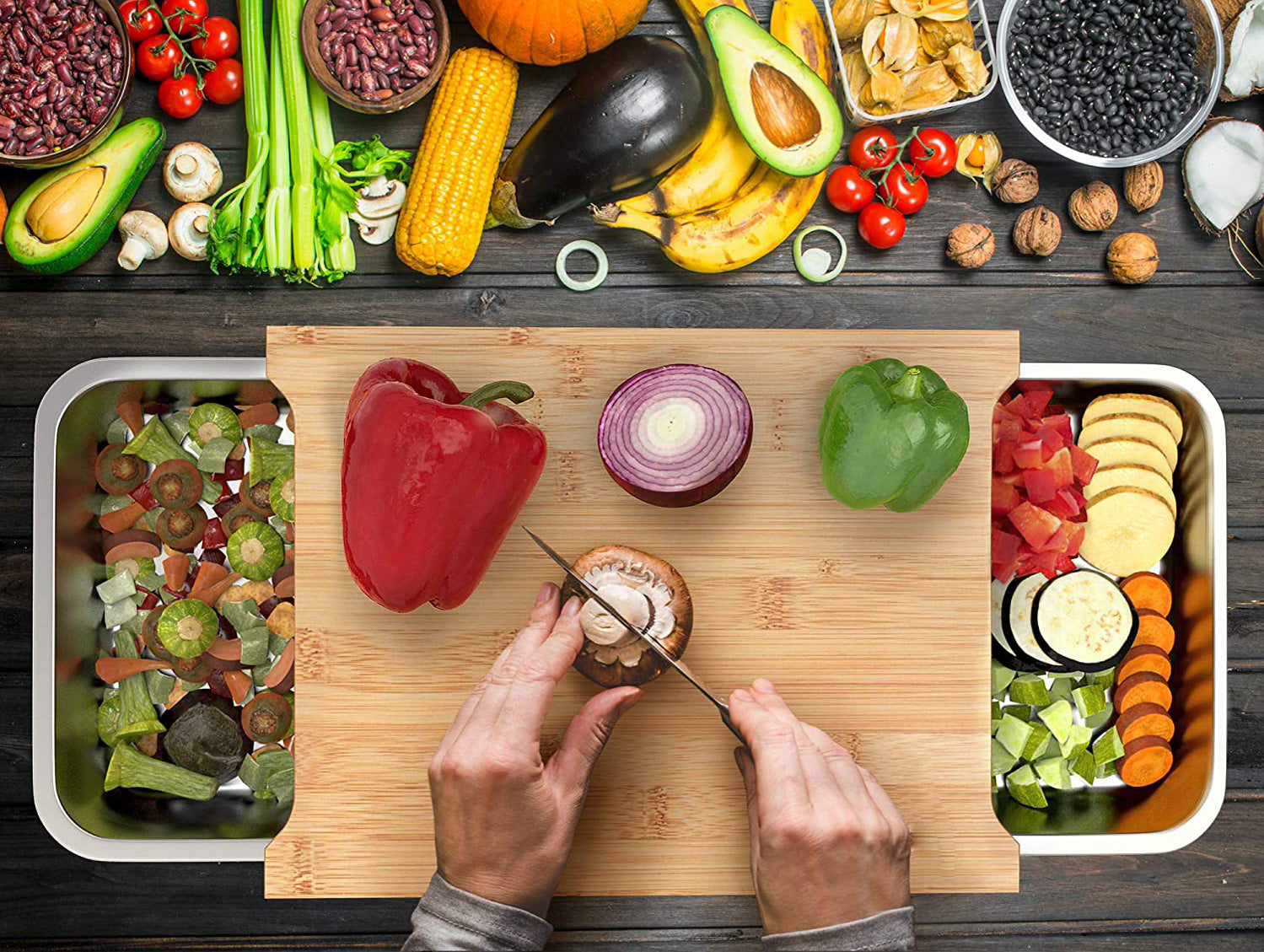
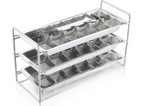
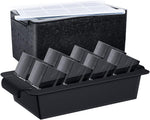
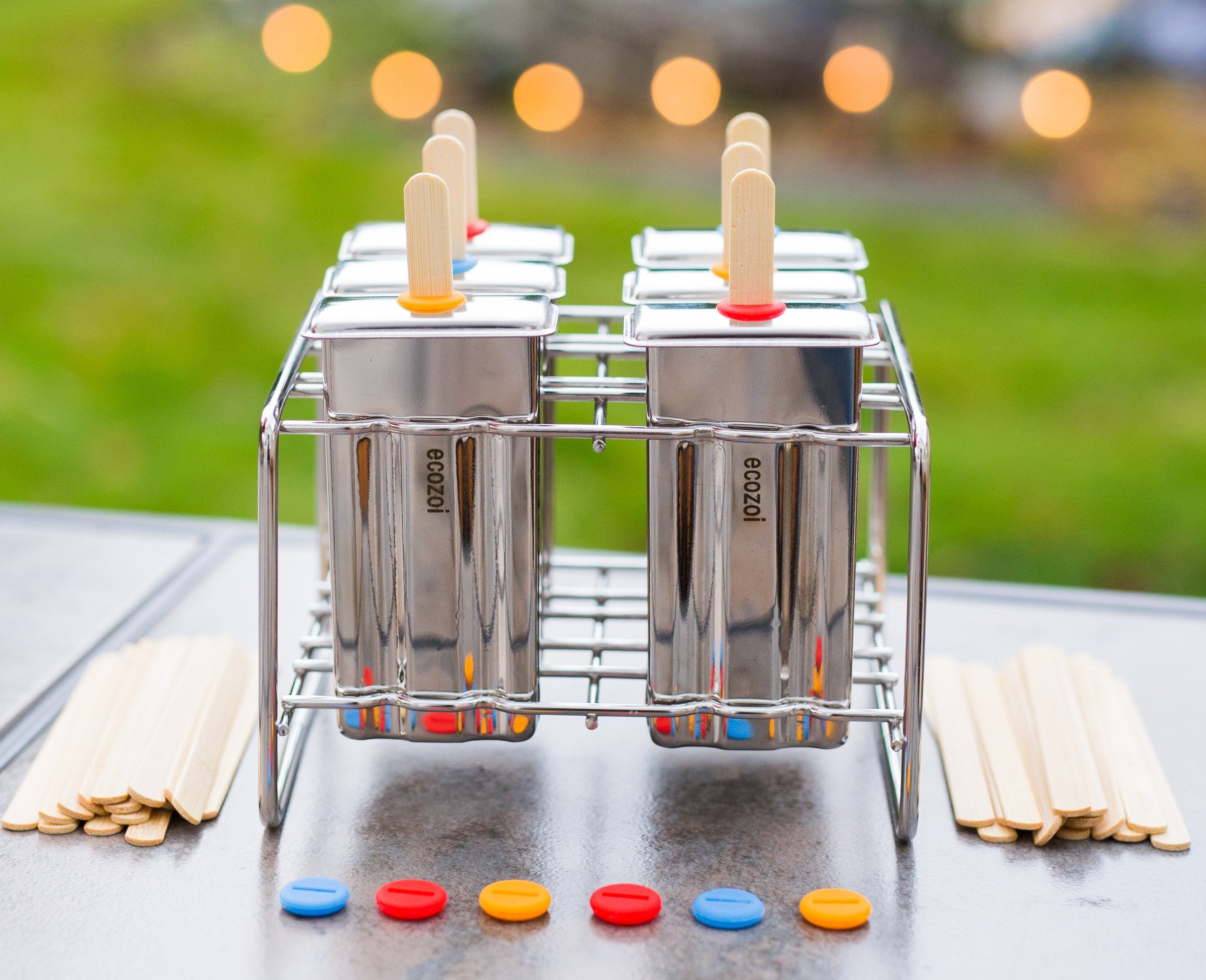
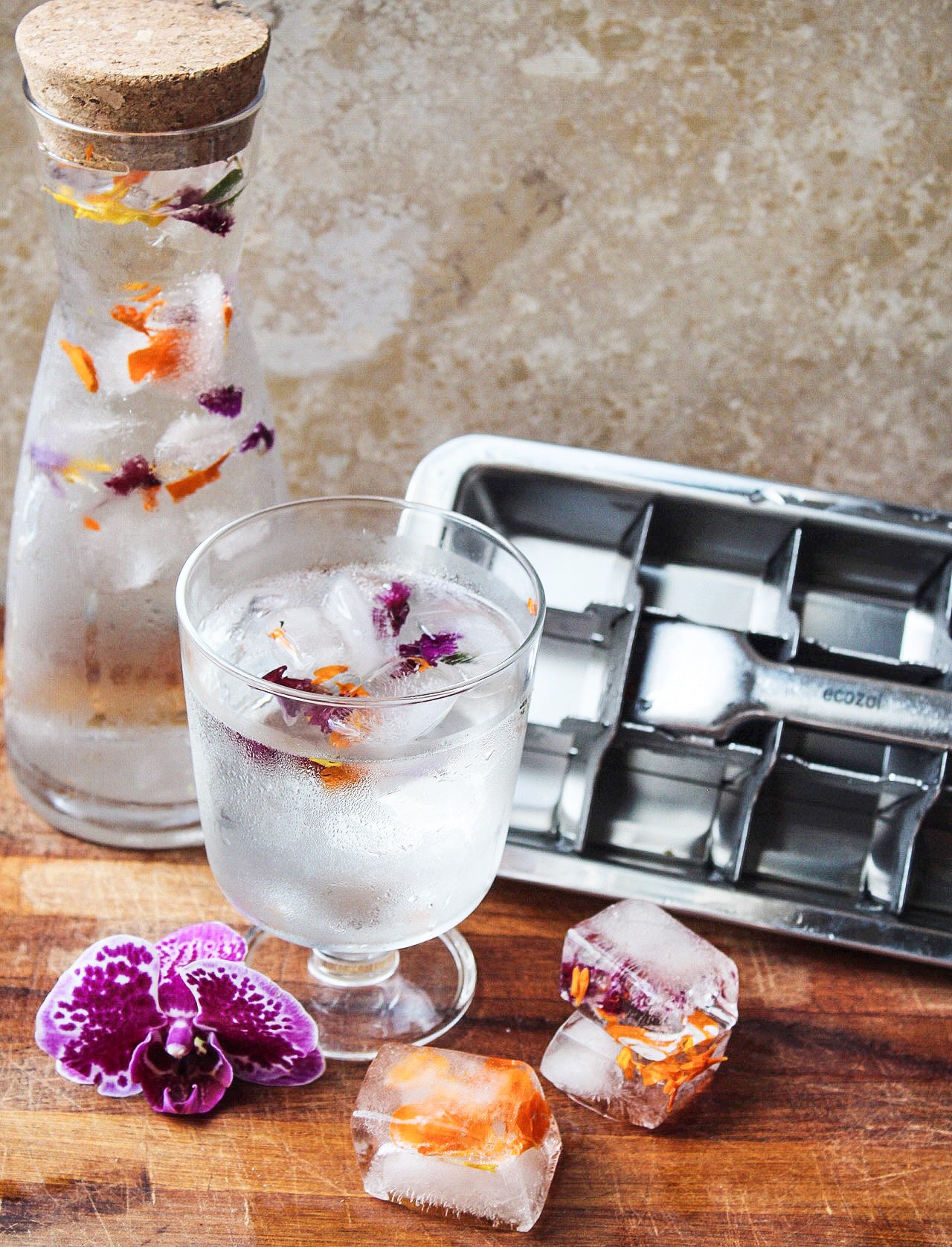
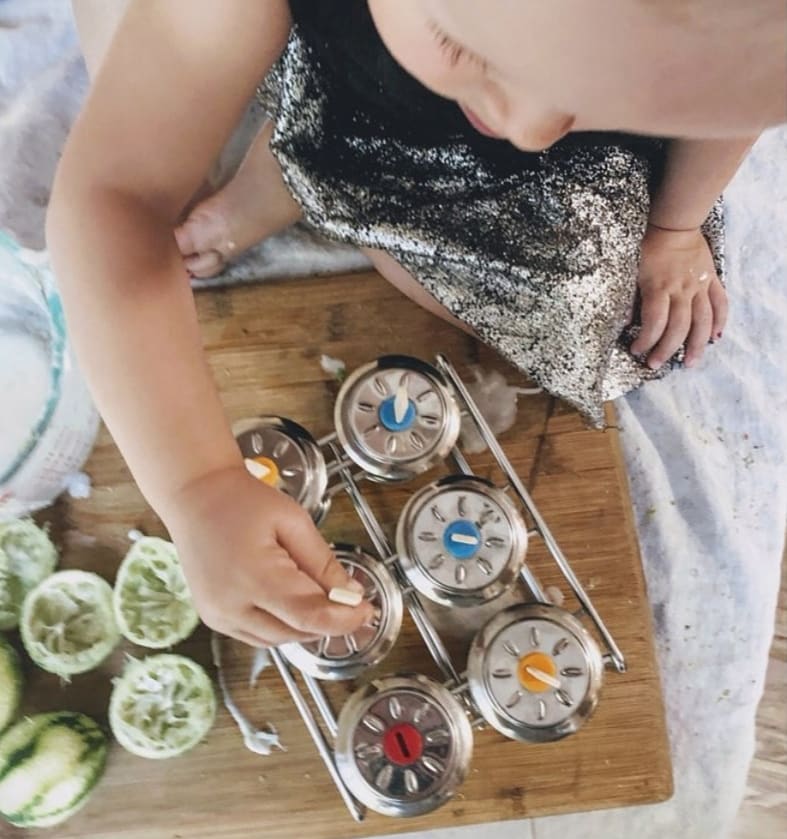
You do not have to redo an entire kitchen in one weekend. Start with the item you reach for every day, whether that is a lunch box, a cutting board, or a set of ice trays, and build from there. Every swap to eco-friendly products is one less piece of plastic in a landfill and one more in a kitchen built to last.
FAQs
1. What materials does Ecozoi use, and why are they safer than plastic?
Ecozoi builds its eco-friendly kitchen products from food-grade stainless steel (304 & 316), bamboo, organic cotton, and silicone. None of these leach chemicals into food the way some plastics can once scratched or heated, and they hold up to years of daily use instead of wearing out within months.
2. How much plastic does switching to Ecozoi products actually save?
Ecozoi's community has replaced more than 24 tons of plastic to date, tracked across orders rather than estimated. That adds up across the more than 1,000,000 homes currently using Ecozoi products in place of single-use plastic.
3. How are Ecozoi's lunch boxes better than plastic ones?
Ecozoi's plastic-free lunch boxes are made from stainless steel, so they resist cracking, staining, and the lingering food odors that plastic containers pick up over time. They also seal tighter, which means fewer leaks inside a backpack or work bag.
4. Does Ecozoi ship with plastic-free packaging?
Yes. Ecozoi packages orders in sustainable, plastic-free materials, so the shipping matches the products inside it instead of undercutting the point of the purchase.
5. What certifications does Ecozoi have?
Yes. Ecozoi products are independently tested by internationally recognized laboratories, including SGS, to verify compliance with applicable food-contact and safety standards. Depending on the product, testing includes FDA food-contact requirements, EU regulations, REACH, RoHS, LFGB, and screening for heavy metals and other harmful substances. Our bamboo fiber materials are also OEKO-TEX® certified for harmful substances.
6. Are your bamboo products truly eco-friendly?
Yes, our bamboo products are made entirely of sustainable, organic bamboo; are devoid of plastic and hazardous materials; are knife-friendly; and are naturally antimicrobial.
7. Is stainless steel food-safe and BPA-free?
Yes. Food-grade stainless steel (we use 304 & 316) is suitable for food contact, and it is naturally BPA-free because BPA is a chemical found in certain plastics, not in stainless steel.
8. What does "304 stainless steel" mean for food safety?
304 stainless steel is a widely used food-grade stainless steel known for its durability and corrosion resistance. It is a trusted material for food-contact products because it performs well in everyday use.