






Is Bamboo Really Sustainable for Kitchenware? Pros, Cons & Plastic Comparison
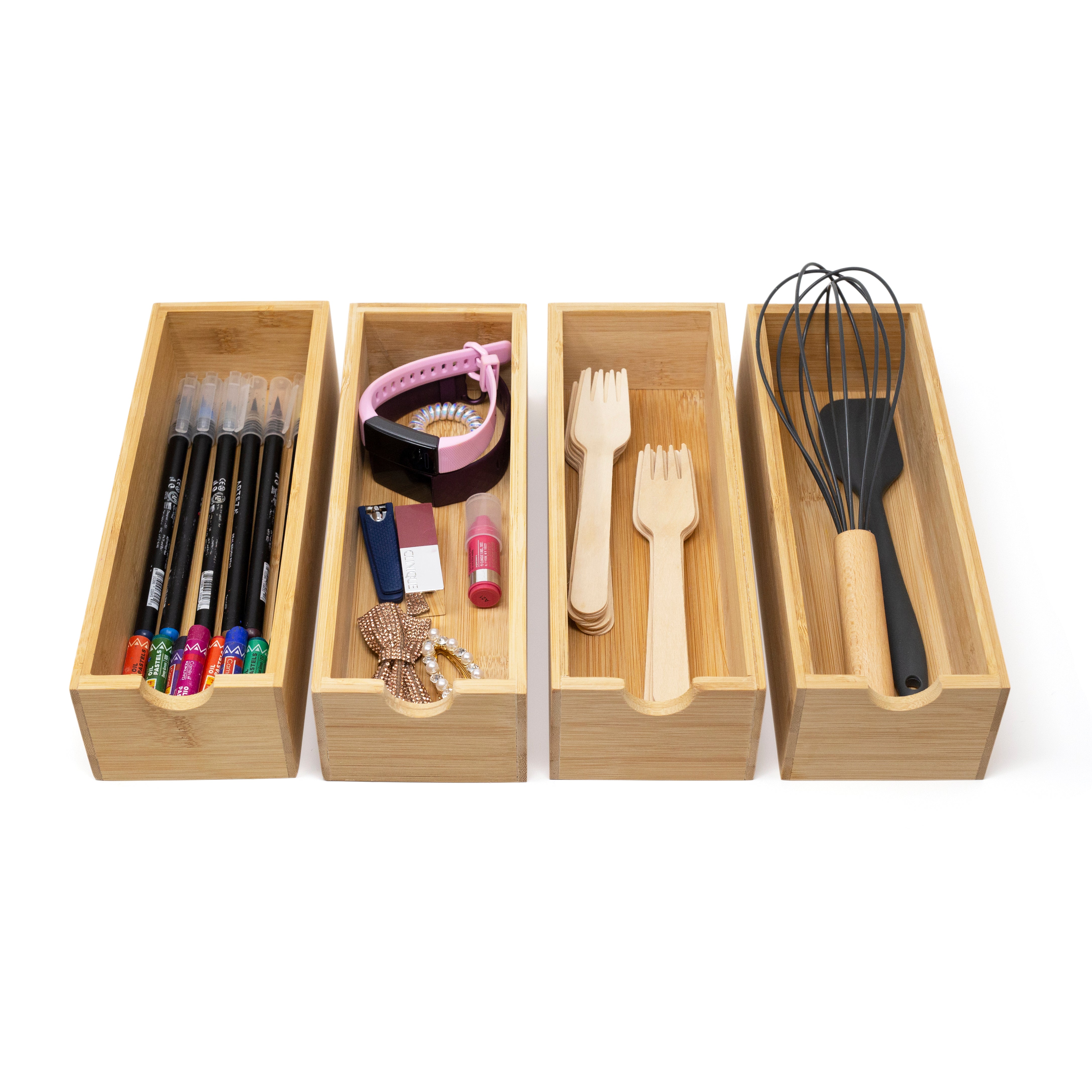
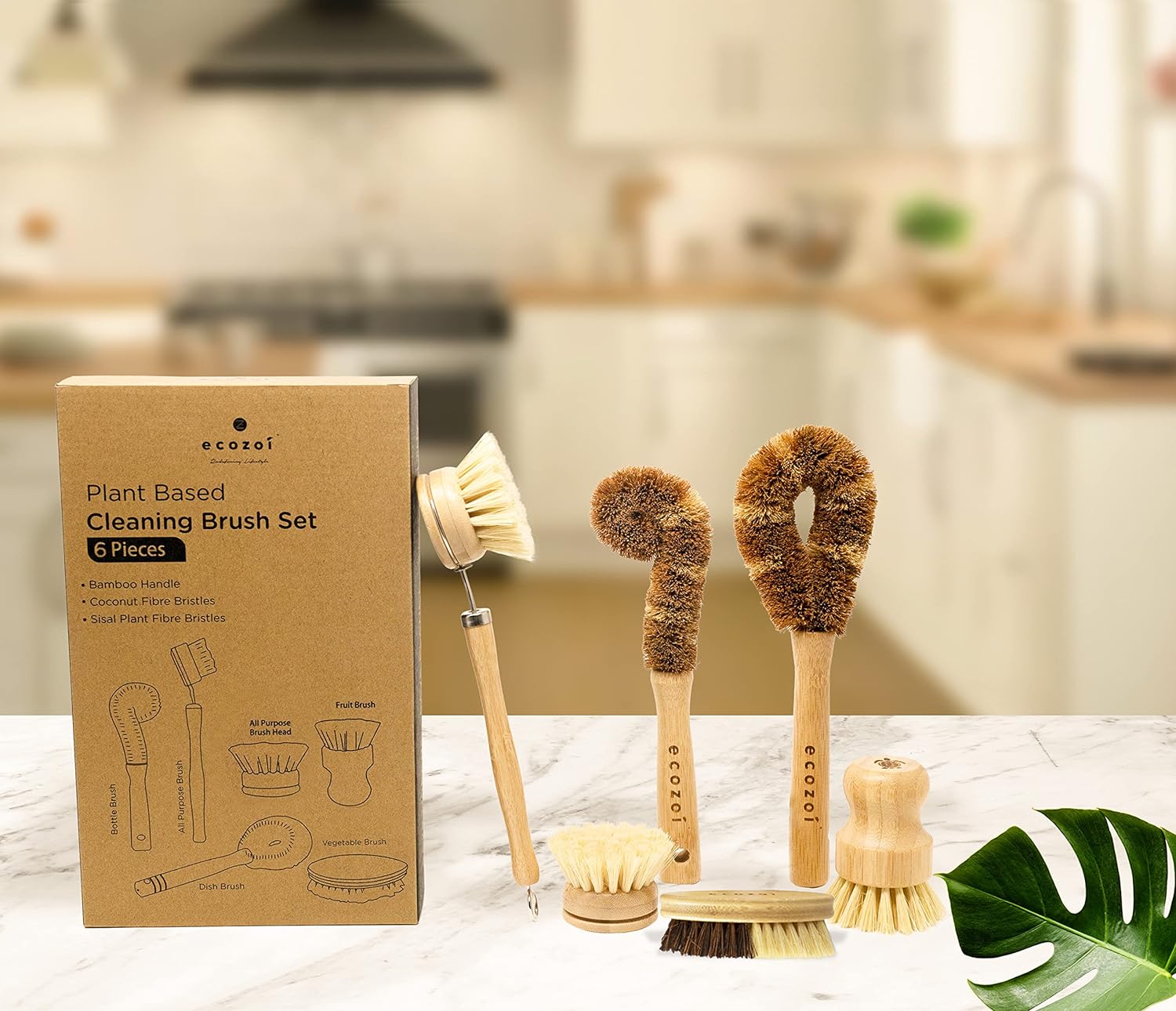
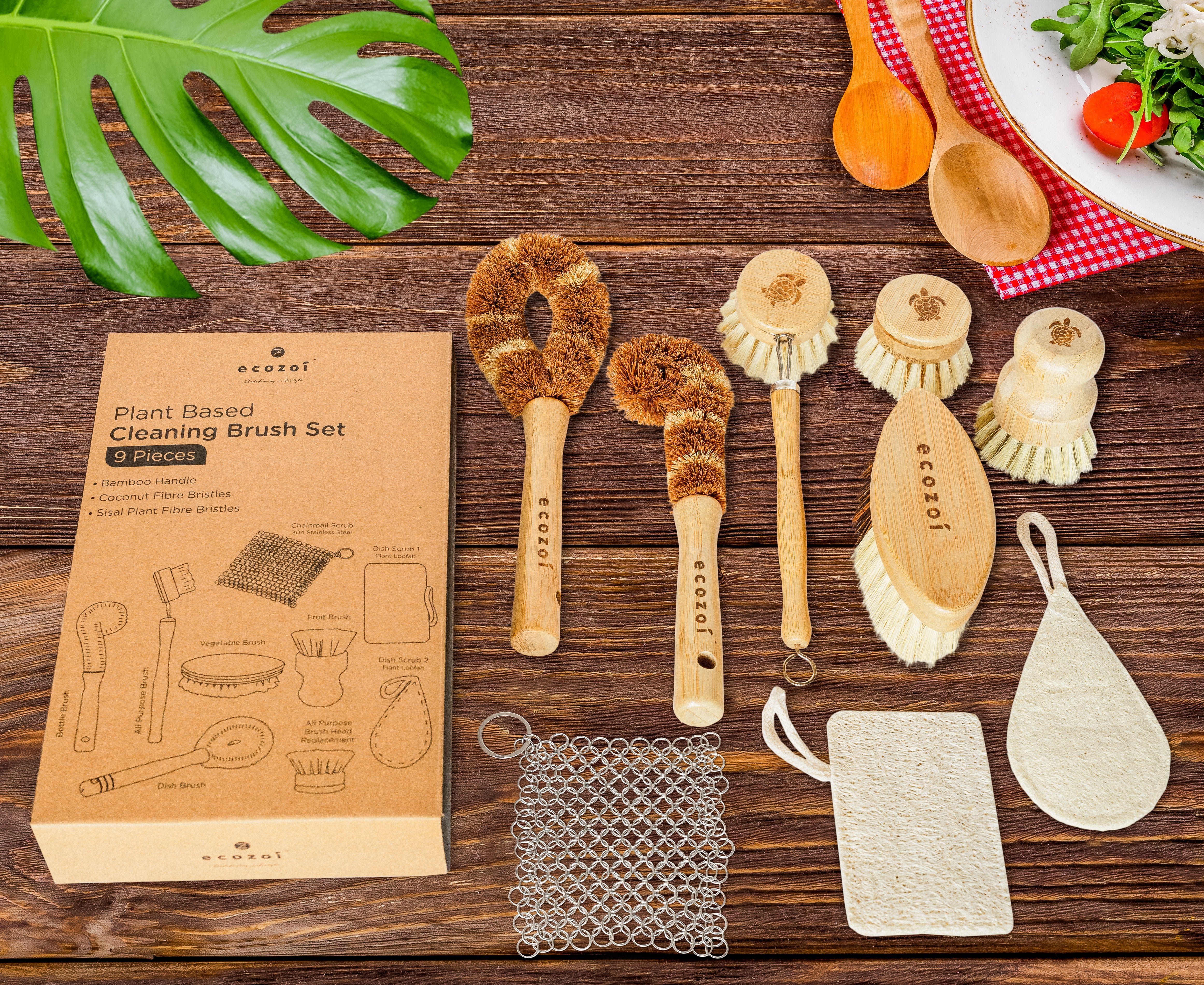
Bamboo kitchenware products are everywhere—from cutting boards and utensils to full bamboo kitchenware sets. Brands market bamboo as eco-friendly, biodegradable, and better than plastic.
But is bamboo sustainable in reality? Or is it just another green marketing trend?
In this guide, we’ll break down:
-
Whether bamboo is environmentally friendly
-
The real pros and cons of bamboo kitchenware
-
How bamboo compares to plastic alternatives
-
What to look for when buying the best bamboo kitchenware
Let’s separate facts from hype.
Is Bamboo Environmentally Friendly?
Bamboo is often described as one of the most renewable materials on Earth—and that’s largely true.
Why Bamboo Is Considered Sustainable
-
Rapid growth (3–5 years maturity)
-
Regrows without replanting
-
Requires minimal pesticides
-
Strong carbon absorption
At the raw material level, bamboo is highly renewable.
However, true sustainability also depends on processing, adhesives, transportation, and long-term durability.
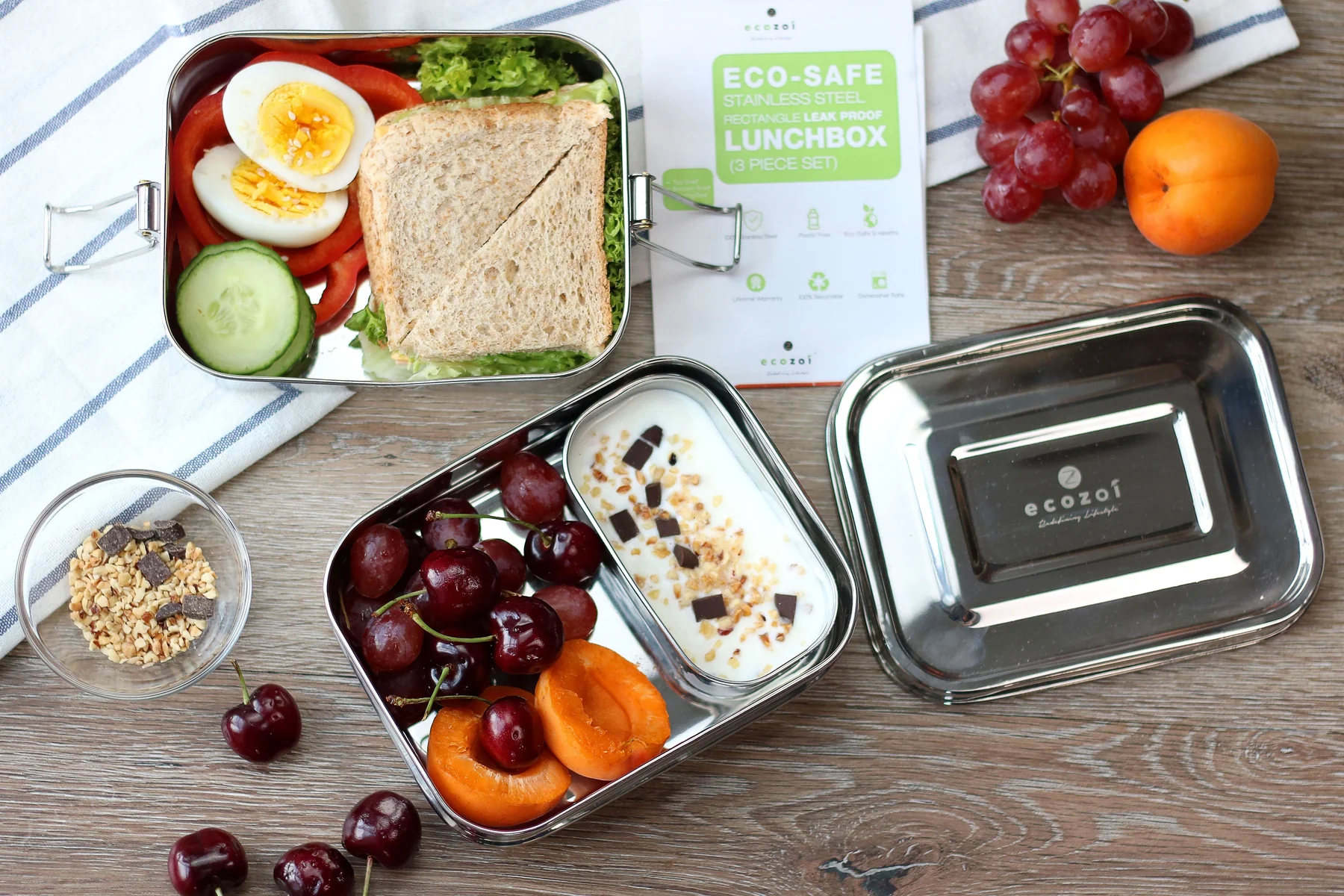
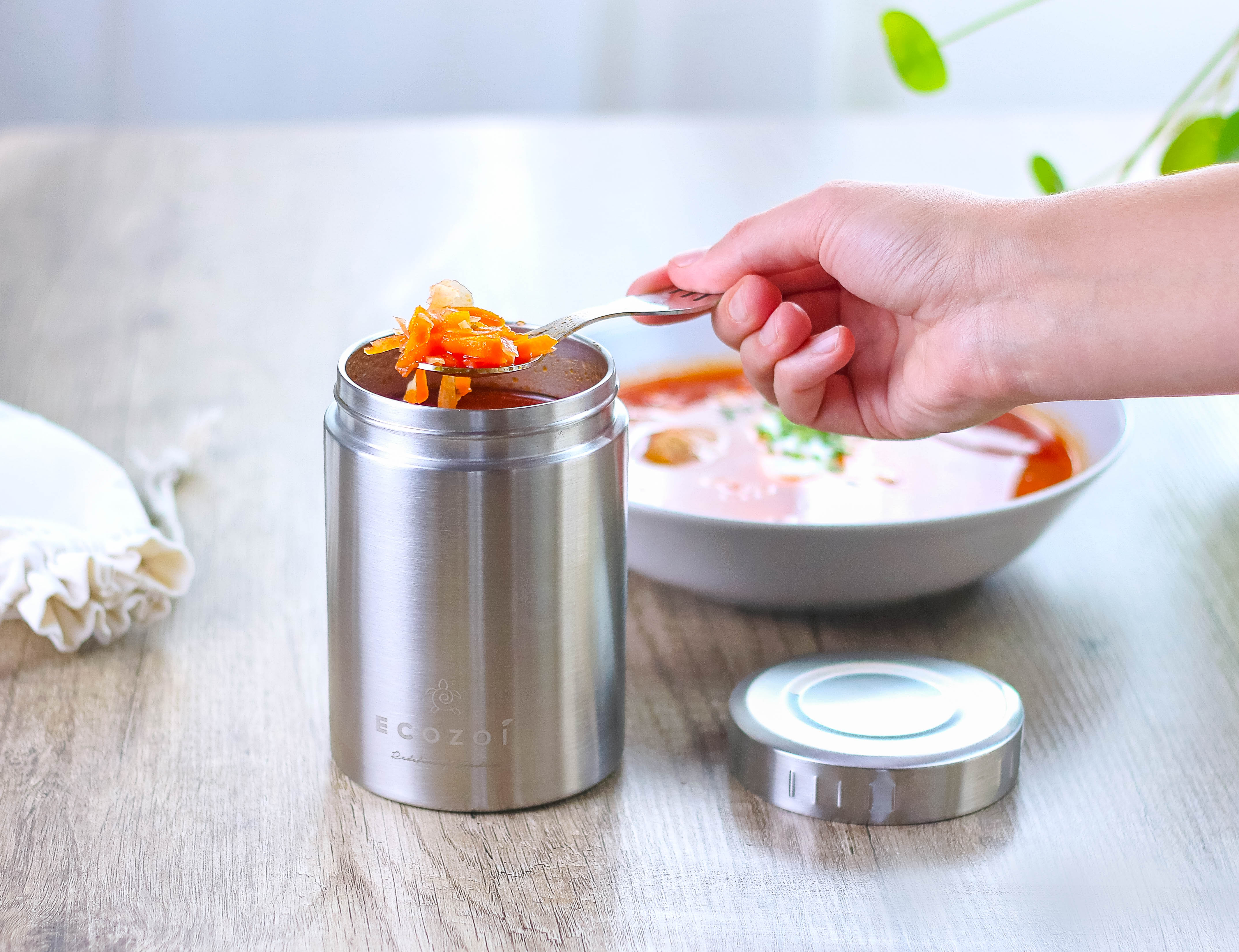
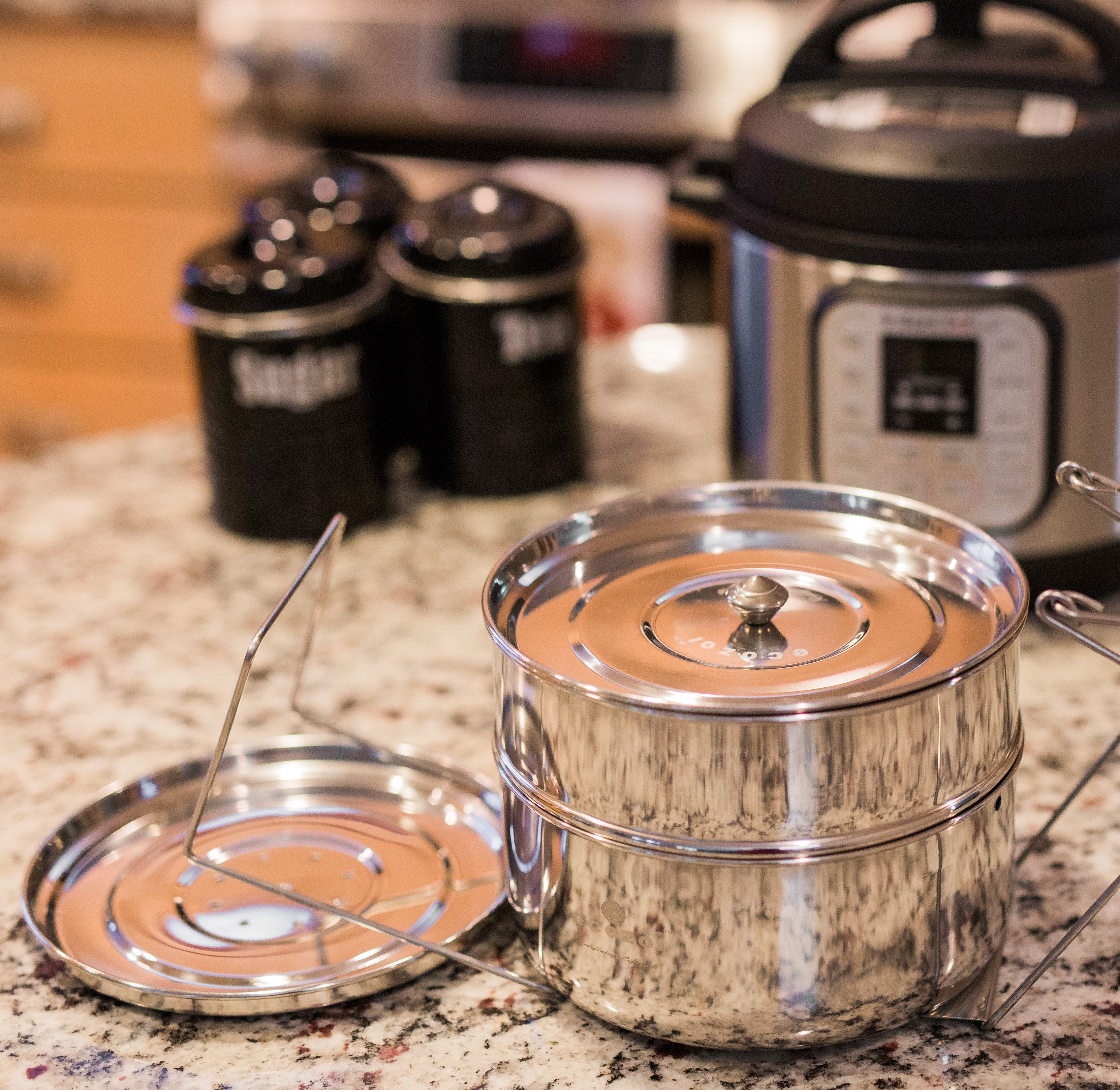
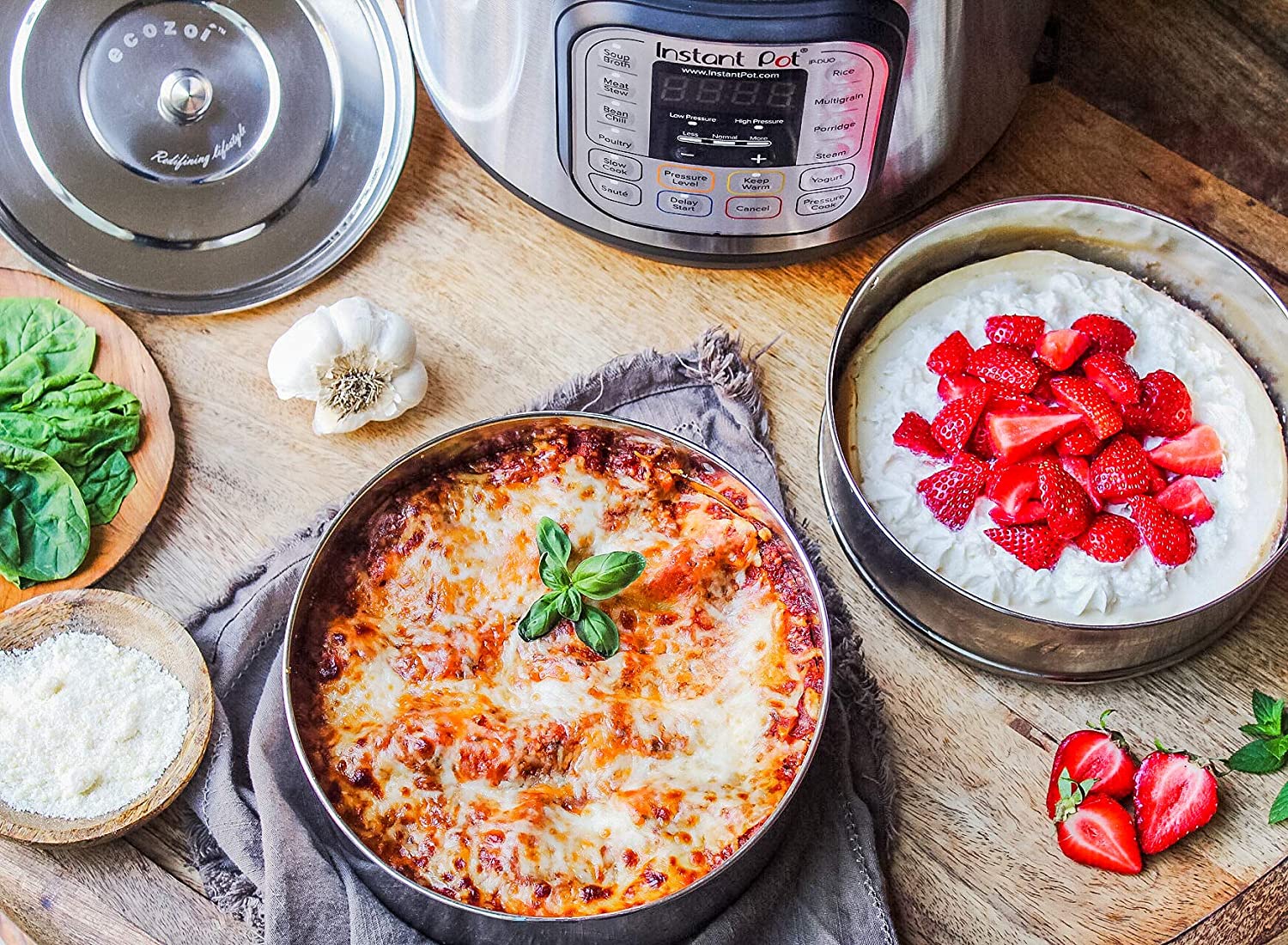
For example, many eco-conscious consumers compare bamboo to long-lasting metal alternatives like Ecozoi’s stainless steel kitchenware collection
Pros of Bamboo Kitchenware Products
If you’re considering bamboo products for kitchen use, here are the benefits:
1. Renewable & Biodegradable
Unlike plastic, untreated bamboo biodegrades naturally.
2. Lightweight & Durable
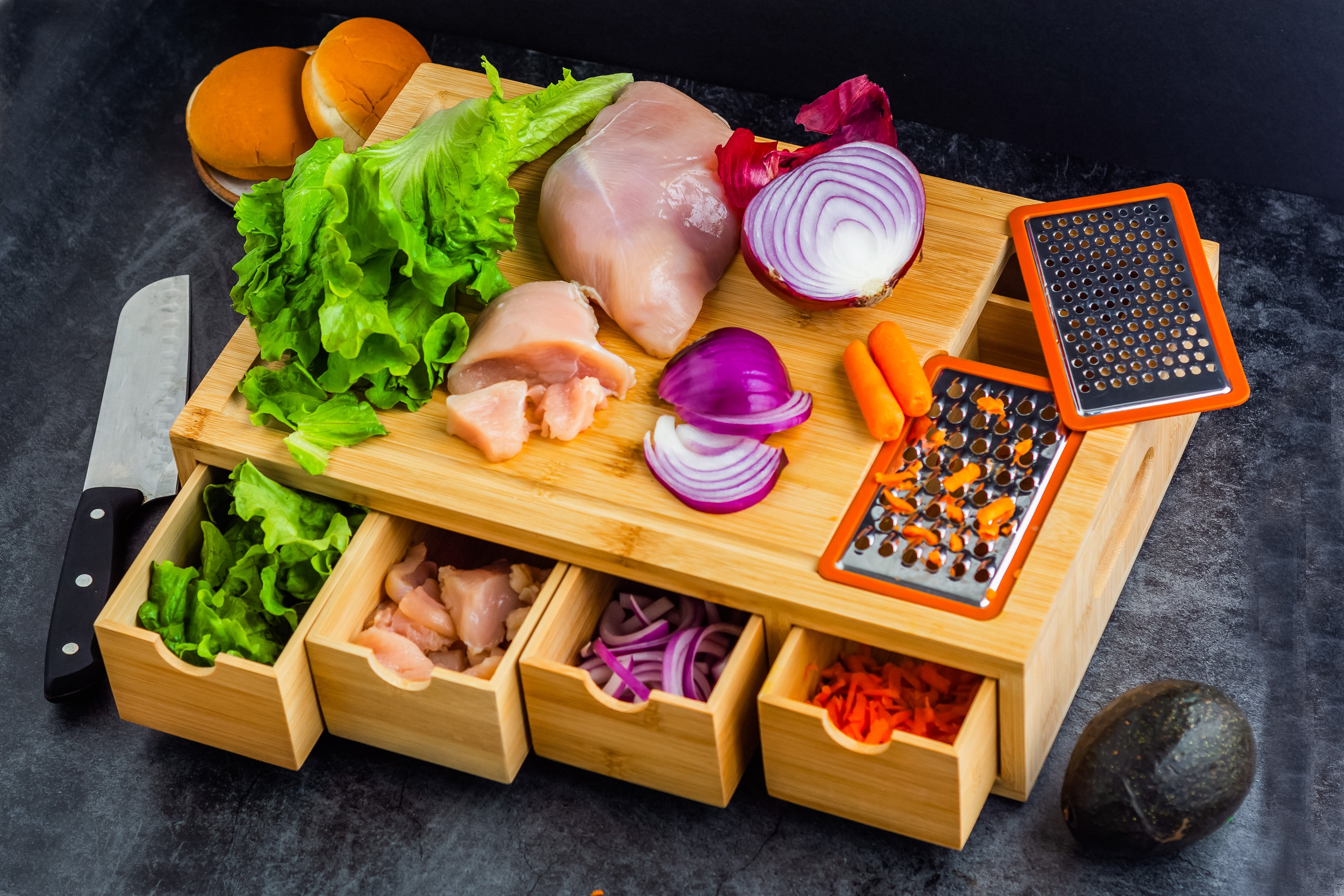
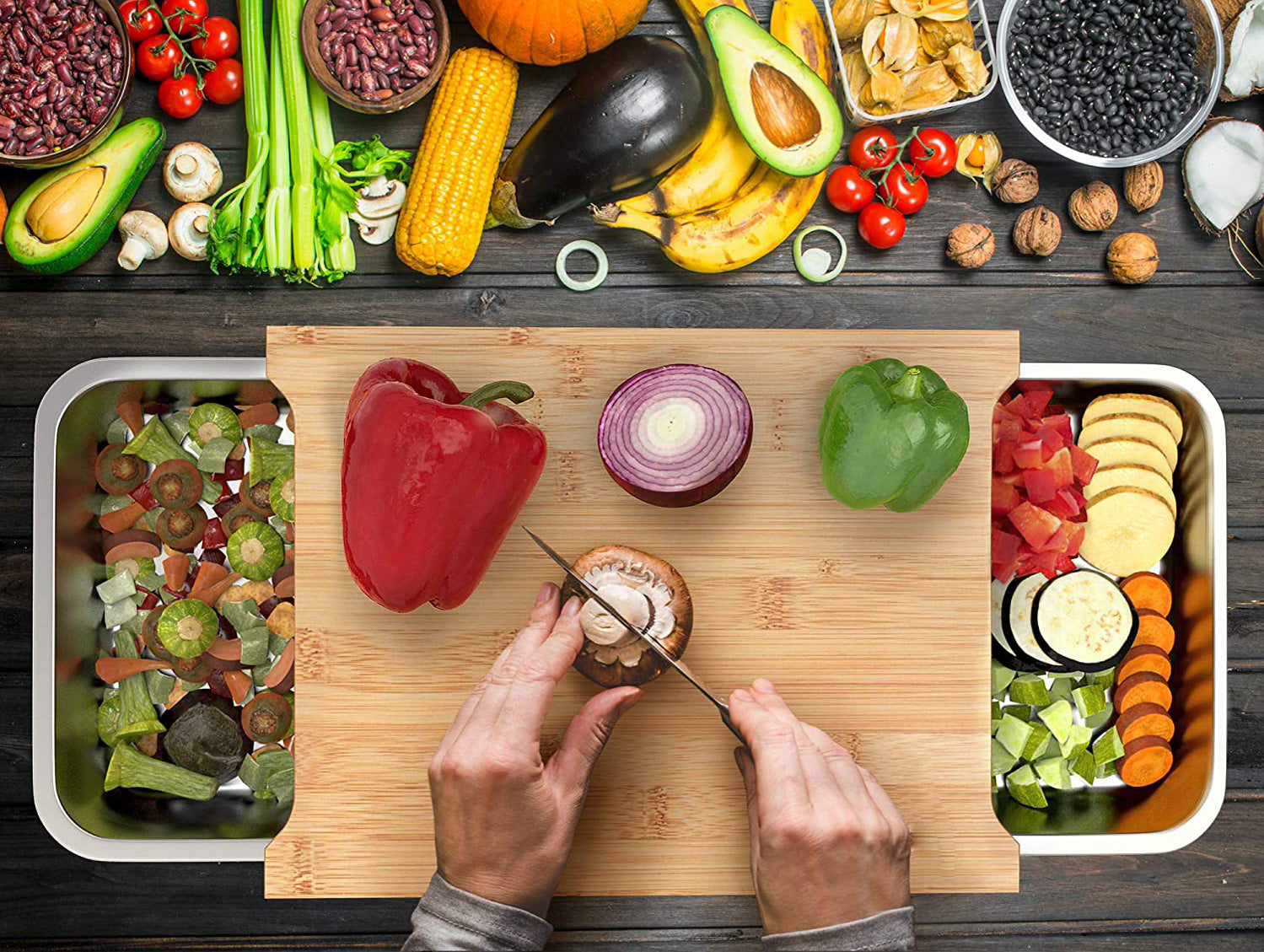
A bamboo kitchenware set is lighter than hardwood and easy to handle.
3. Naturally Antimicrobial
Bamboo has natural resistance to bacterial growth.
4. Plastic-Free Alternative
For families transitioning away from plastic, bamboo offers a safer option compared to petroleum-based kitchenware.
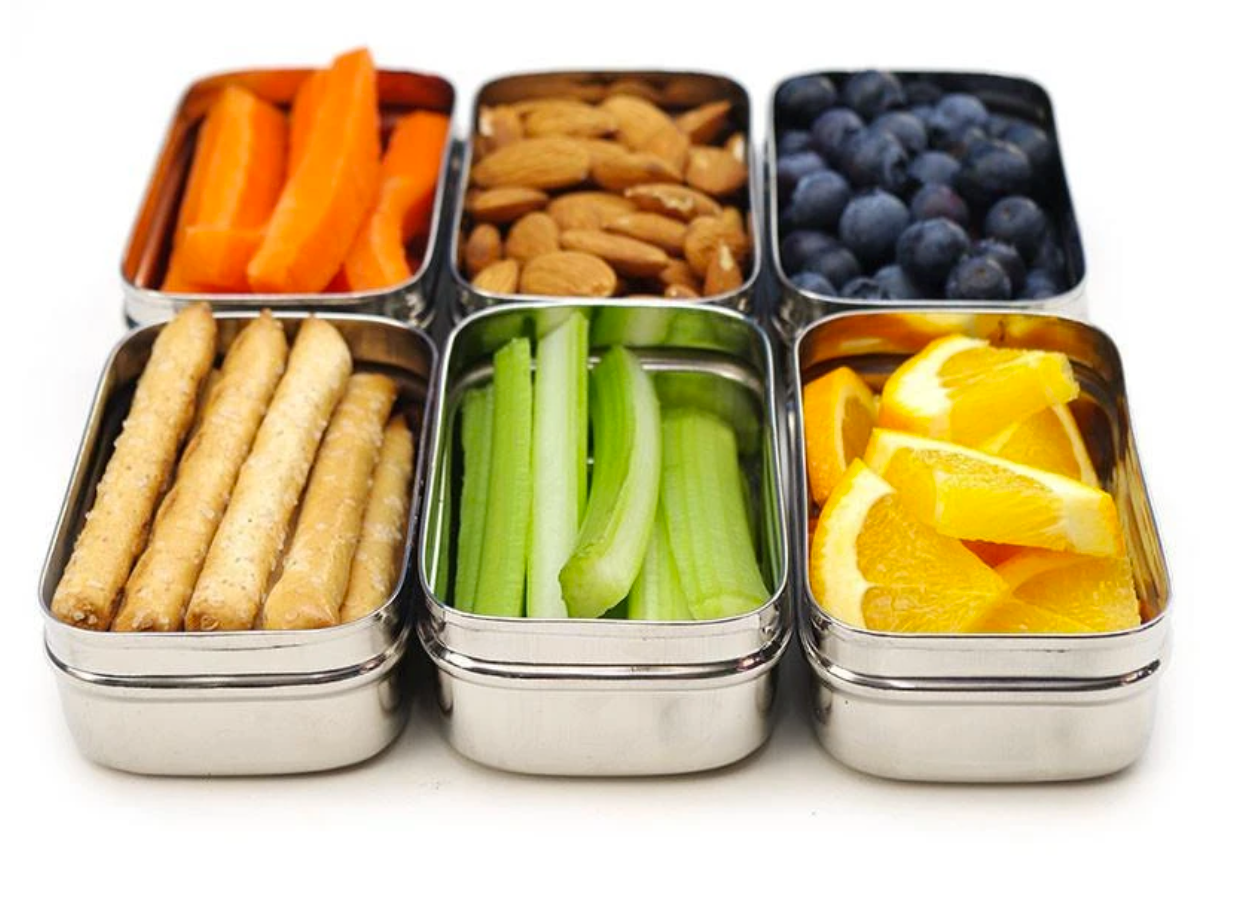
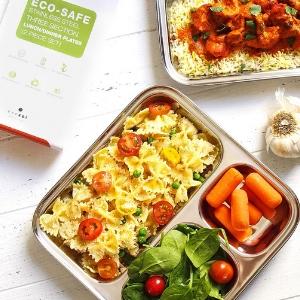
If you're reducing plastic entirely, you can also explore plastic-free stainless steel food storage containers
Hidden Cons of Bamboo Kitchenware
While bamboo has benefits, there are trade-offs.
1. Adhesives in Laminated Products
Some bamboo boards use glue that may contain chemicals if not certified safe.
2. Not Dishwasher Safe
Most bamboo kitchenware should be hand-washed only.
3. Shorter Lifespan Than Steel
Compared to high-grade stainless steel, bamboo may crack or splinter over time.
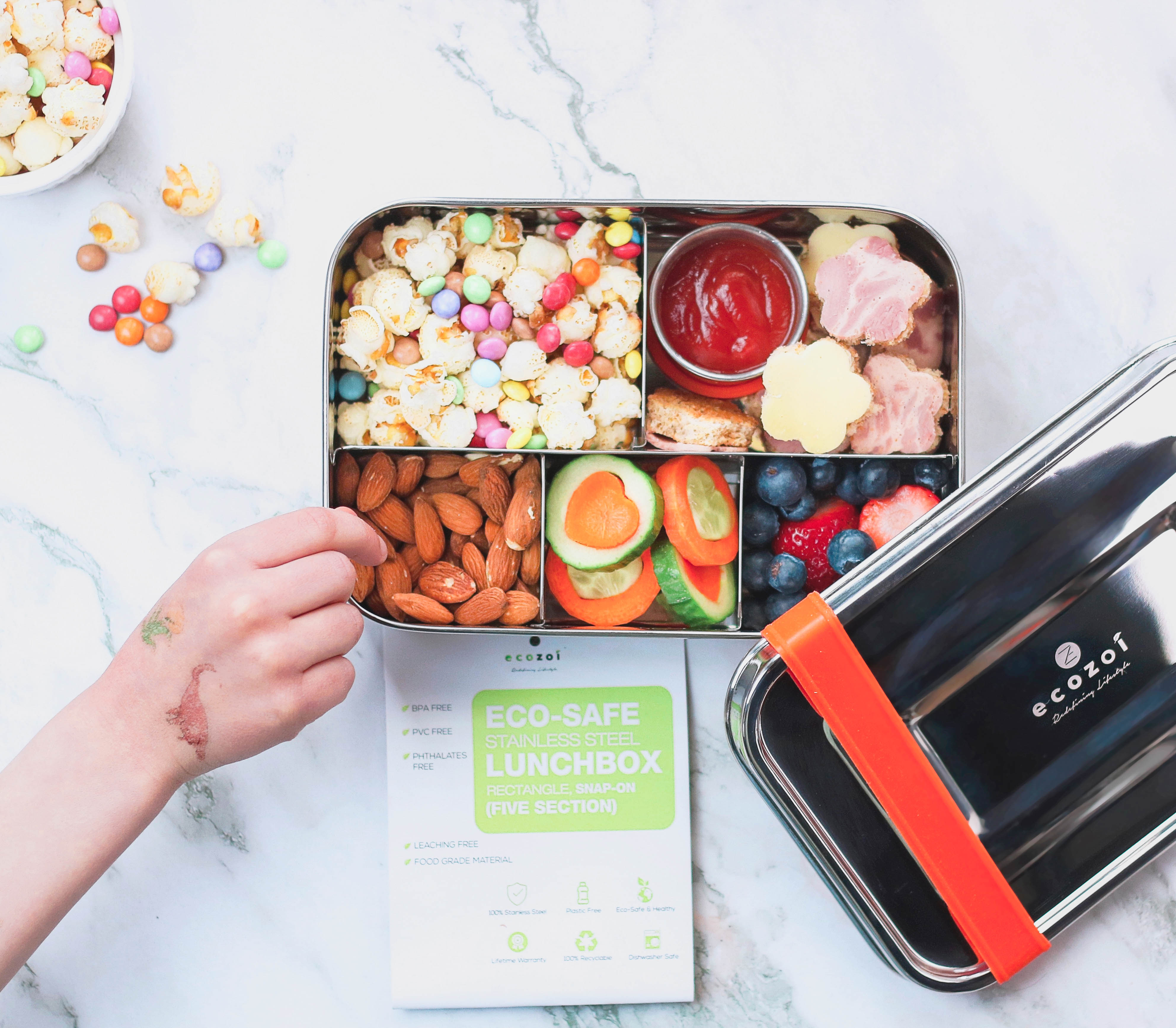
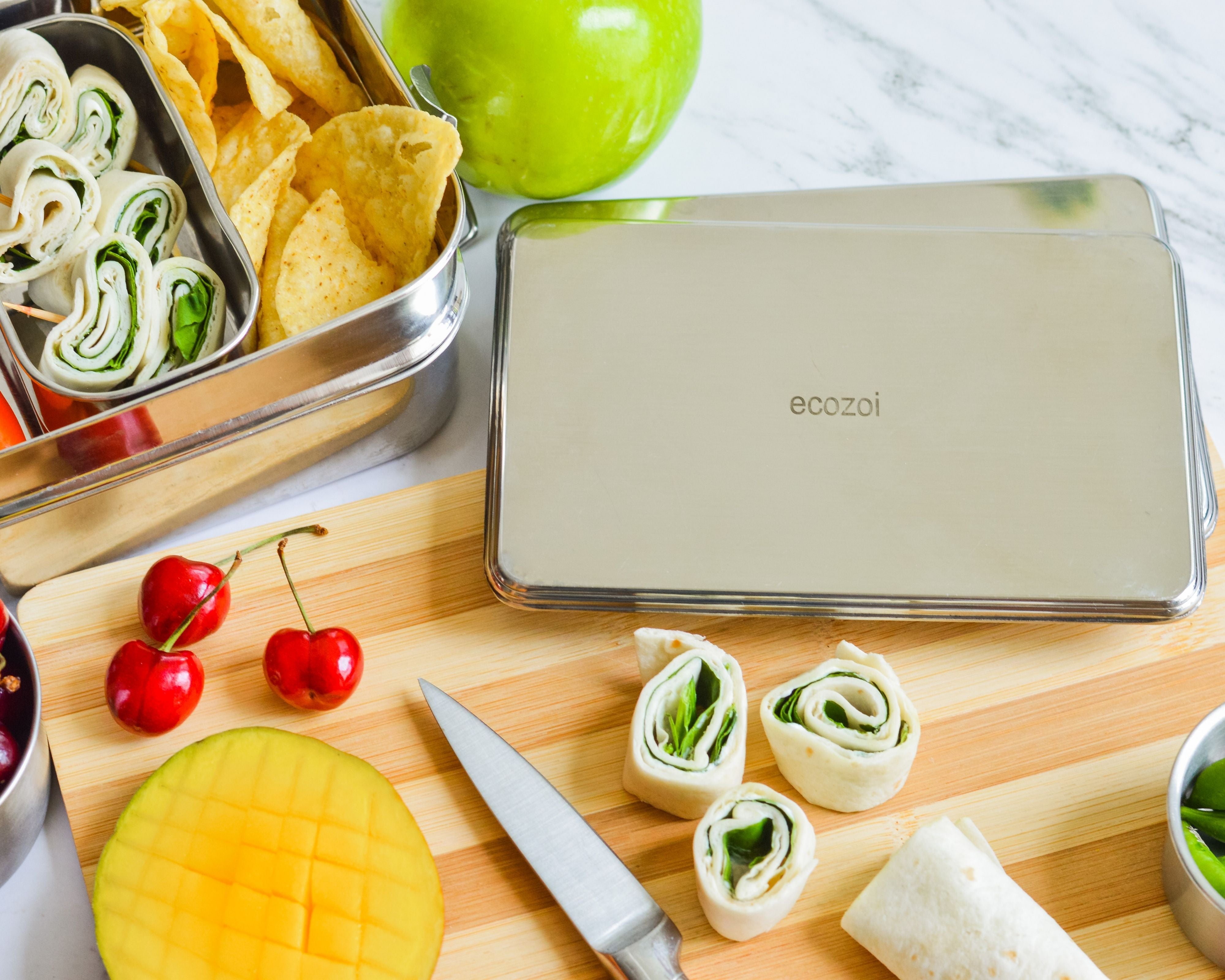
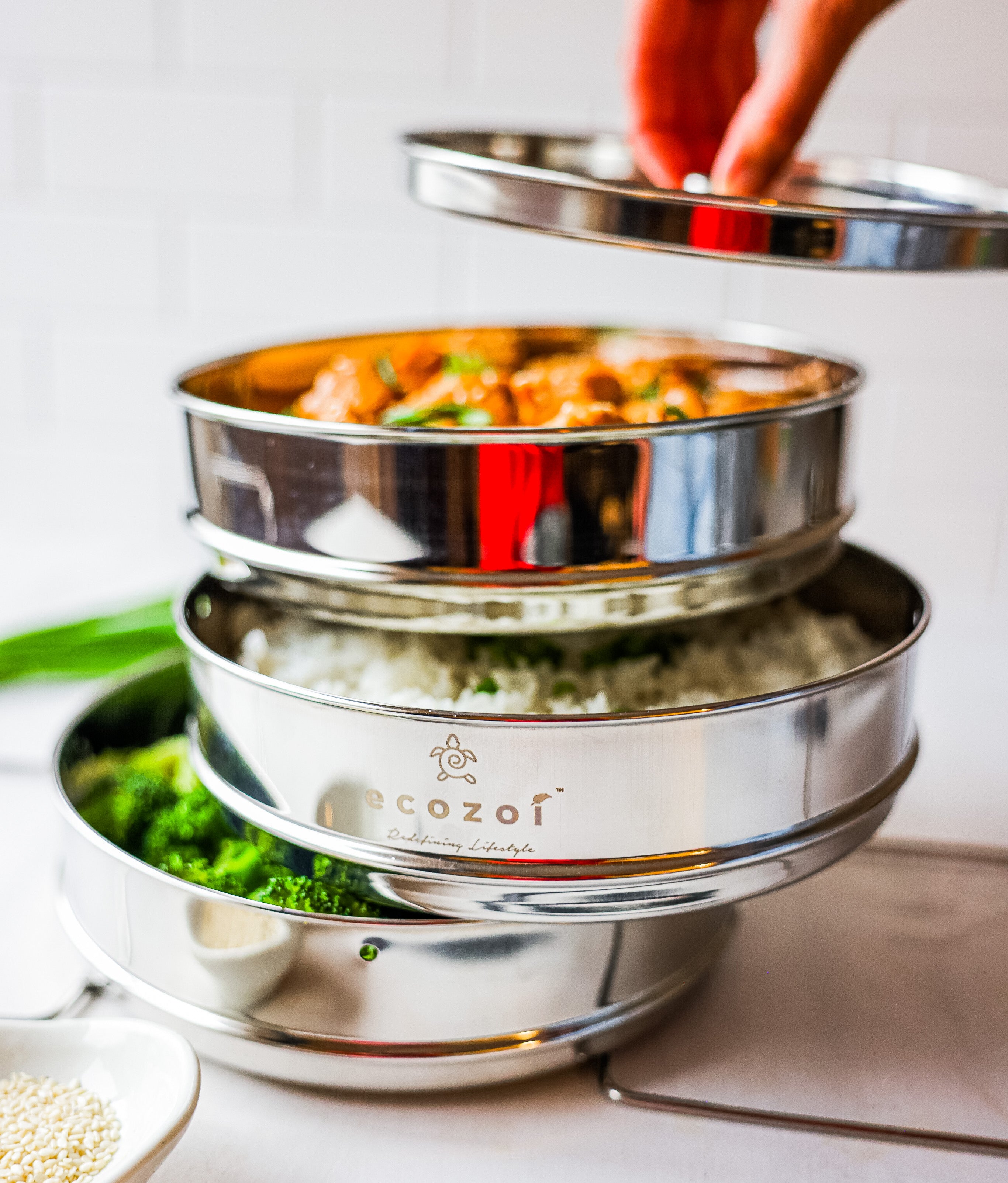
If durability is your priority, Ecozoi’s leak-proof stainless steel lunch boxes offer long-term reusable solutions
Bamboo vs Plastic Kitchenware
| Feature | Bamboo | Plastic |
|---|---|---|
| Renewable | Yes | No |
| Biodegradable | Yes | No |
| Microplastic Risk | None | High |
| Dishwasher Safe | Usually No | Yes |
| Environmental Impact | Low–Moderate | High |
Plastic kitchenware is typically petroleum-based and may release microplastics over time.
Consumers looking for a zero-leach, lifetime alternative often switch to products from Ecozoi, which focuses on durable stainless steel solutions.
Bamboo vs Stainless Steel: Which Is More Sustainable?
While bamboo grows fast, stainless steel lasts much longer.
High-quality stainless steel:
-
Can last decades
-
Is 100% recyclable
-
Doesn’t require oil maintenance
-
Won’t crack or warp
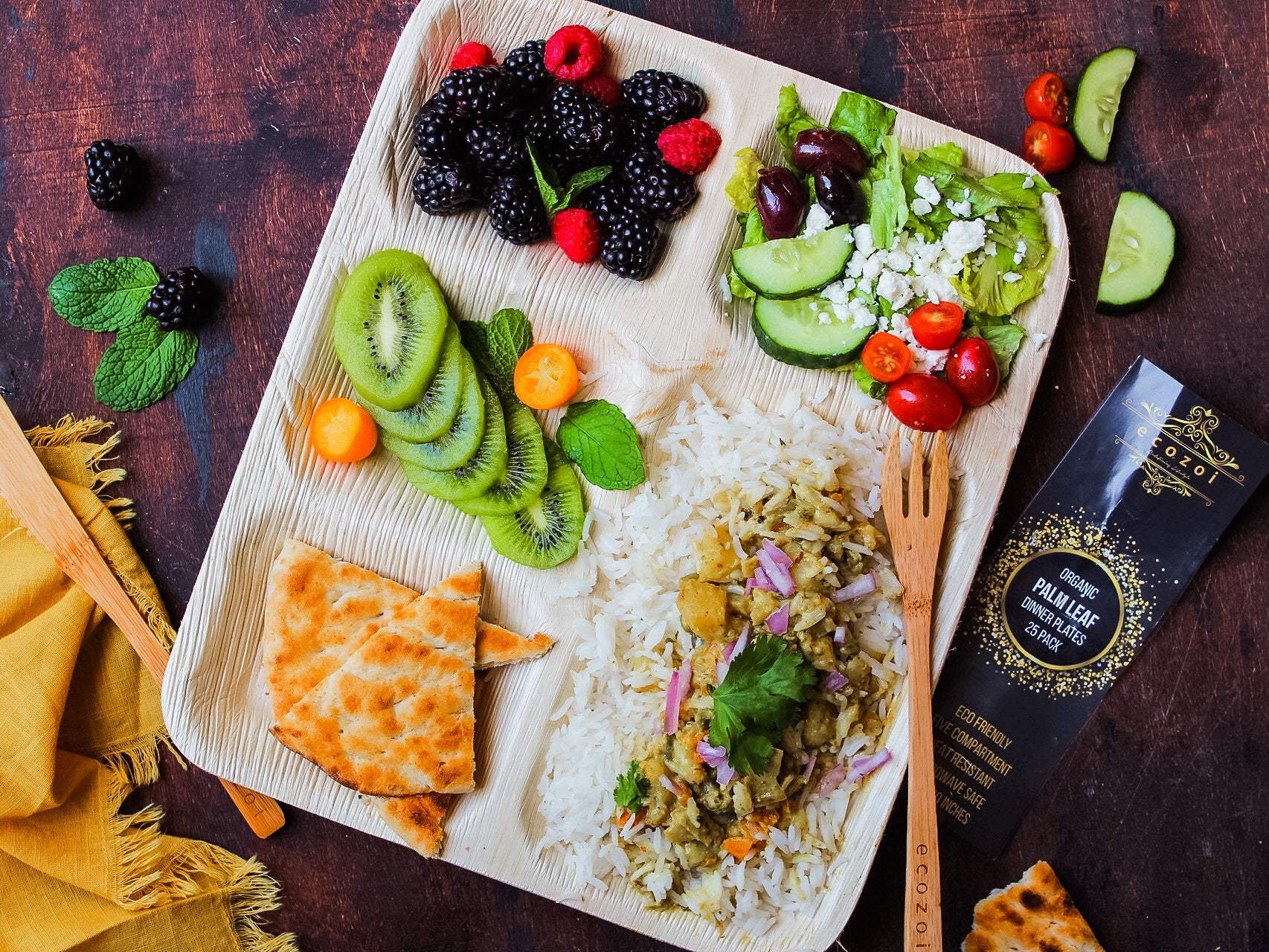
For example, Ecozoi’s stainless steel plates for camping and home use are built for long-term sustainability
If your sustainability goal is “buy once, use for years,” stainless steel often wins.

Can Bamboo Kitchenware Go in the Dishwasher?
No. Most bamboo kitchenware should not go in the dishwasher.
High heat and prolonged moisture can cause:
-
Warping
-
Cracking
-
Glue breakdown
Always hand wash and dry immediately.

How to Choose the Best Bamboo Kitchenware
When buying bamboo kitchenware products, check for:
- Formaldehyde-free adhesives
- Minimal coatings
- Sustainable sourcing claims
- Solid construction
- Clear brand transparency
Avoid ultra-cheap products that don’t disclose materials used in manufacturing.
Final Verdict: Is Bamboo Sustainable?
Yes, bamboo is sustainable when responsibly sourced and minimally processed.
However:
-
For renewability → Bamboo is excellent.
-
For convenience → Plastic is easier but harmful long-term.
-
For durability & lifetime use → Stainless steel is often superior.
The most sustainable choice is always the one that lasts longest and replaces disposable alternatives.
Explore Ecozoi’s full range of sustainable kitchen solutions here.

FAQs
Is bamboo kitchenware good?
Yes. Bamboo kitchenware products are lightweight, renewable, and biodegradable, but require proper care.
Are there any cons to using bamboo kitchenware?
Yes. They are not dishwasher safe and may use adhesives in laminated designs.
How does bamboo kitchenware compare to plastic alternatives?
Bamboo is renewable and biodegradable. Plastic is petroleum-based and contributes to microplastic pollution.
Can bamboo kitchenware go in the dishwasher?
No. Most bamboo products should be hand-washed only.
Where can I find the best bamboo kitchenware products?
Look for trusted eco brands with transparent sourcing. For long-lasting plastic-free options, explore stainless steel collections from Ecozoi.
We Want to Hear From You!
Let us know how Ecozoi’s products have helped you with your eco-friendly lifestyle! Please take a moment to fill out our Ecozoi Customer Survey. Your feedback helps us grow and improve!


