






What Does ‘BPA-Free’ Actually Mean? Does It Matter?
Walk down any kitchenware aisle and you’ll see labels proudly claiming “BPA-Free.” But what is BPA free, and does it truly make a difference to your health?
Understanding the BPA free meaning can help you make safer choices for your family—especially when it comes to food storage, water bottles, and lunch boxes.
What Is BPA?
BPA stands for Bisphenol A, a synthetic chemical used in certain plastics and resins since the 1960s. It is commonly found in:
-
Polycarbonate plastics (water bottles, food containers)
-
Epoxy resins (lining of canned foods)
-
Thermal receipt paper
BPA can leach into food, especially when containers are heated or scratched.

What Does BPA-Free Mean?
The BPA free definition is simple:
A product labeled “BPA-free” does not contain Bisphenol A in its material composition.
If you’re wondering:
-
What is meant by BPA free? → The product was manufactured without BPA.
-
What does no BPA mean? → It contains zero Bisphenol A.
-
What does it mean by BPA free? → An alternative material was used instead of BPA-based plastics.
But removing BPA doesn’t always mean the product is completely chemical-free.
Why Is BPA a Concern?
BPA is considered an endocrine disruptor, meaning it can mimic estrogen and interfere with hormone function.
Research suggests BPA exposure may be linked to:
-
Hormonal imbalances
-
Developmental issues in children
-
Reproductive concerns
-
Metabolic health risks
This is why many families now actively look for BPA-free or plastic-free alternatives.
Is BPA-Free Plastic Still Harmful?
Possibly.
While BPA-free removes Bisphenol A, some manufacturers replace it with similar compounds like BPS or BPF. Early studies suggest these substitutes may also have hormone-disrupting properties.
So BPA-free plastic may be better — but it’s not always the safest long-term solution.
That’s why switching to plastic-free stainless steel is a smarter alternative.
Why Stainless Steel Is a Safer Alternative
Instead of asking only “what’s BPA free?”, many health-conscious shoppers now choose materials that don’t involve plastic at all.
High-quality stainless steel:
-
Contains no BPA
-
Does not leach chemicals
-
Is heat-safe
-
Is long-lasting and recyclable
-
Eliminates plastic exposure completely
Ecozoi’s Plastic-Free Solution
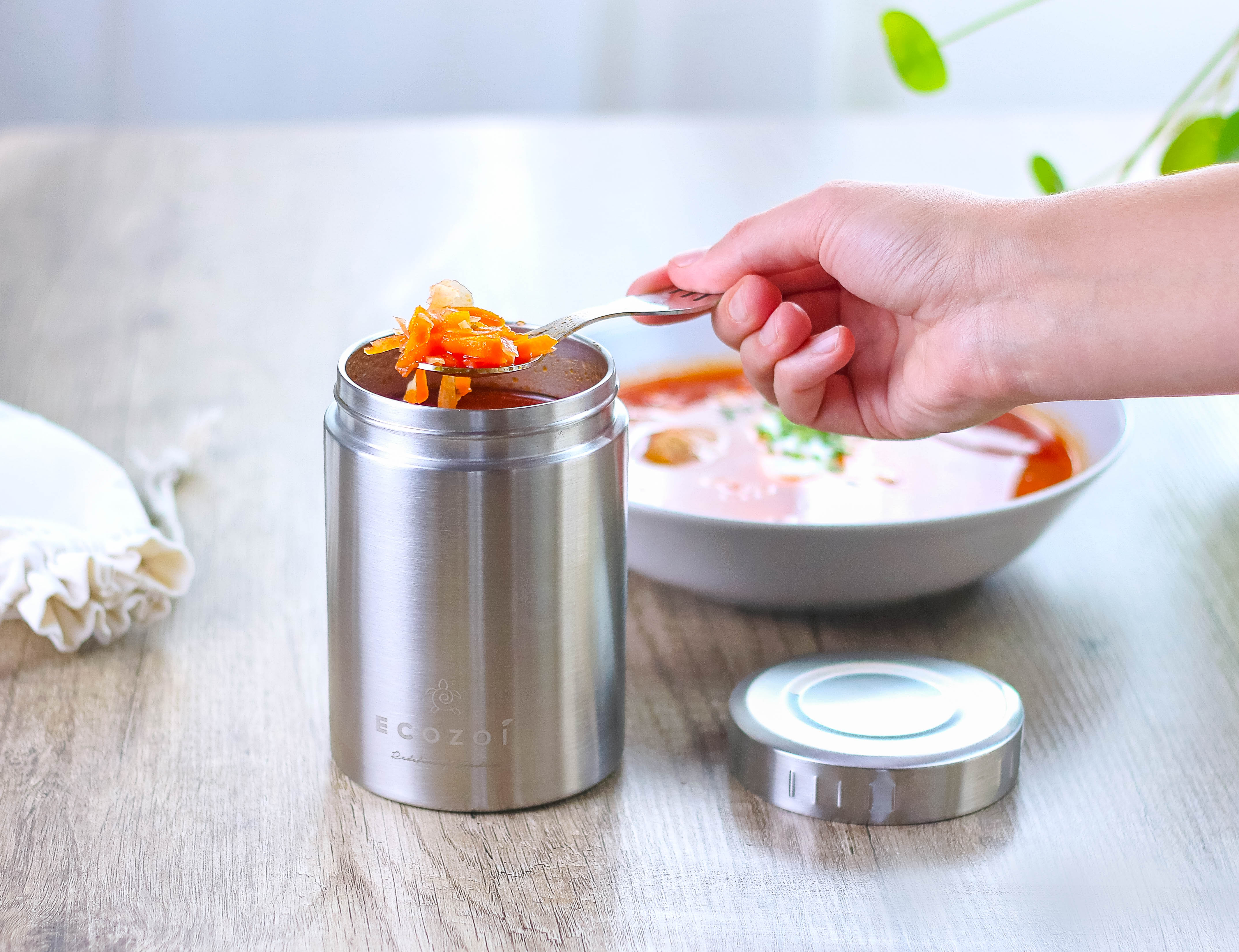
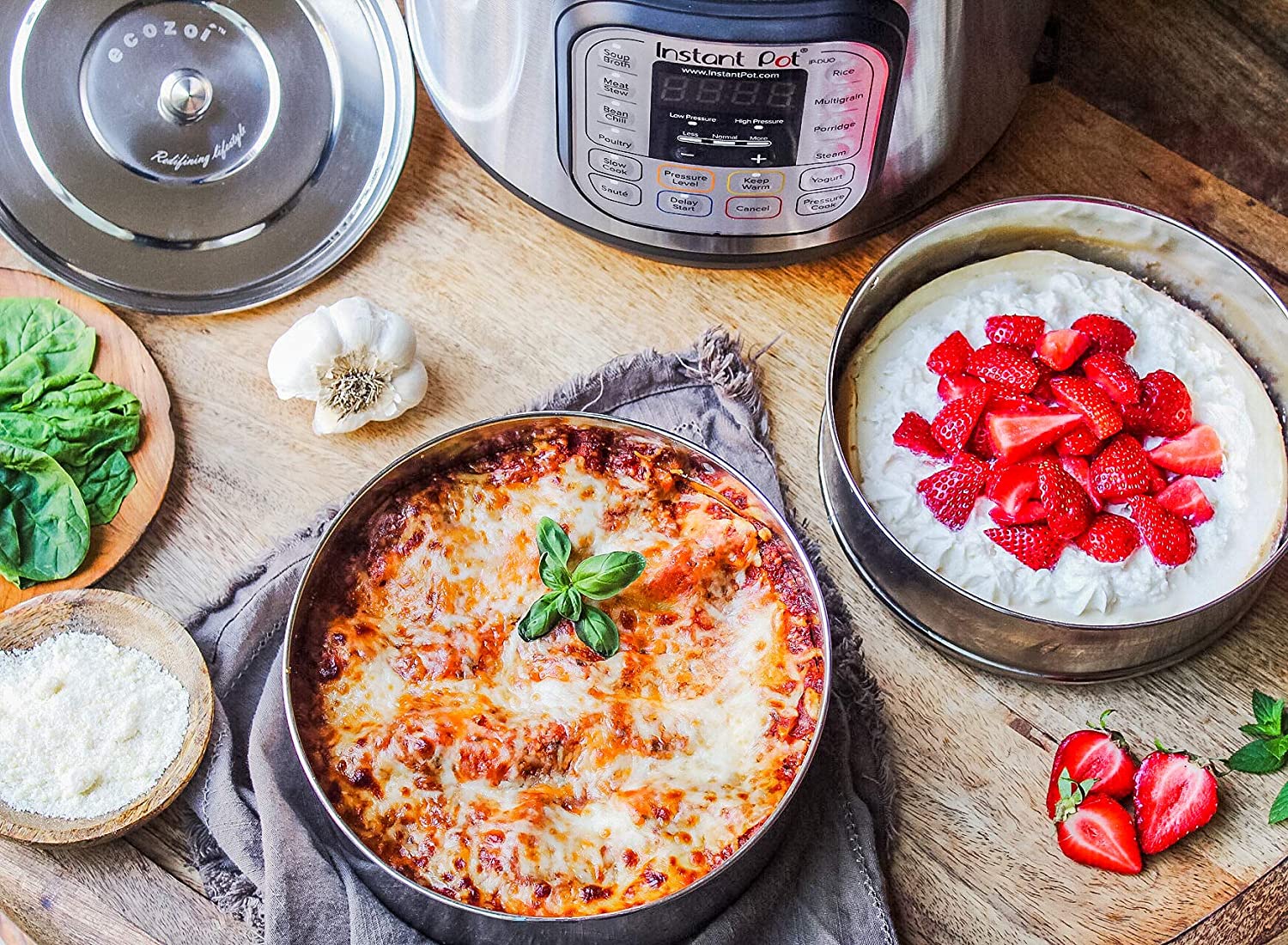
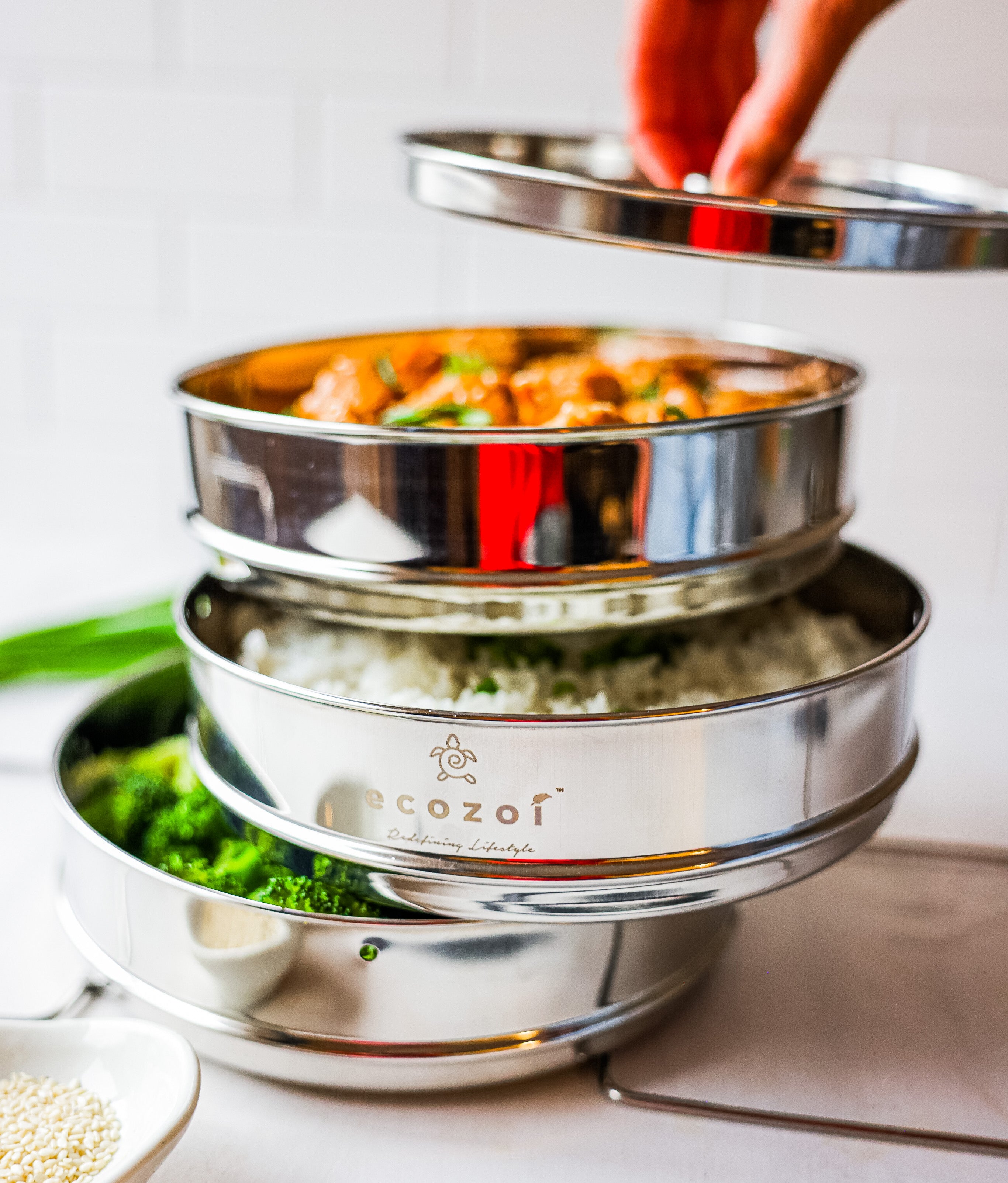
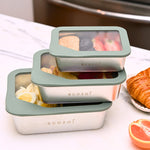
At Ecozoi, we go beyond BPA-free — we focus on 100% plastic-free food storage.
Here are specific safe alternatives you can link within the blog:
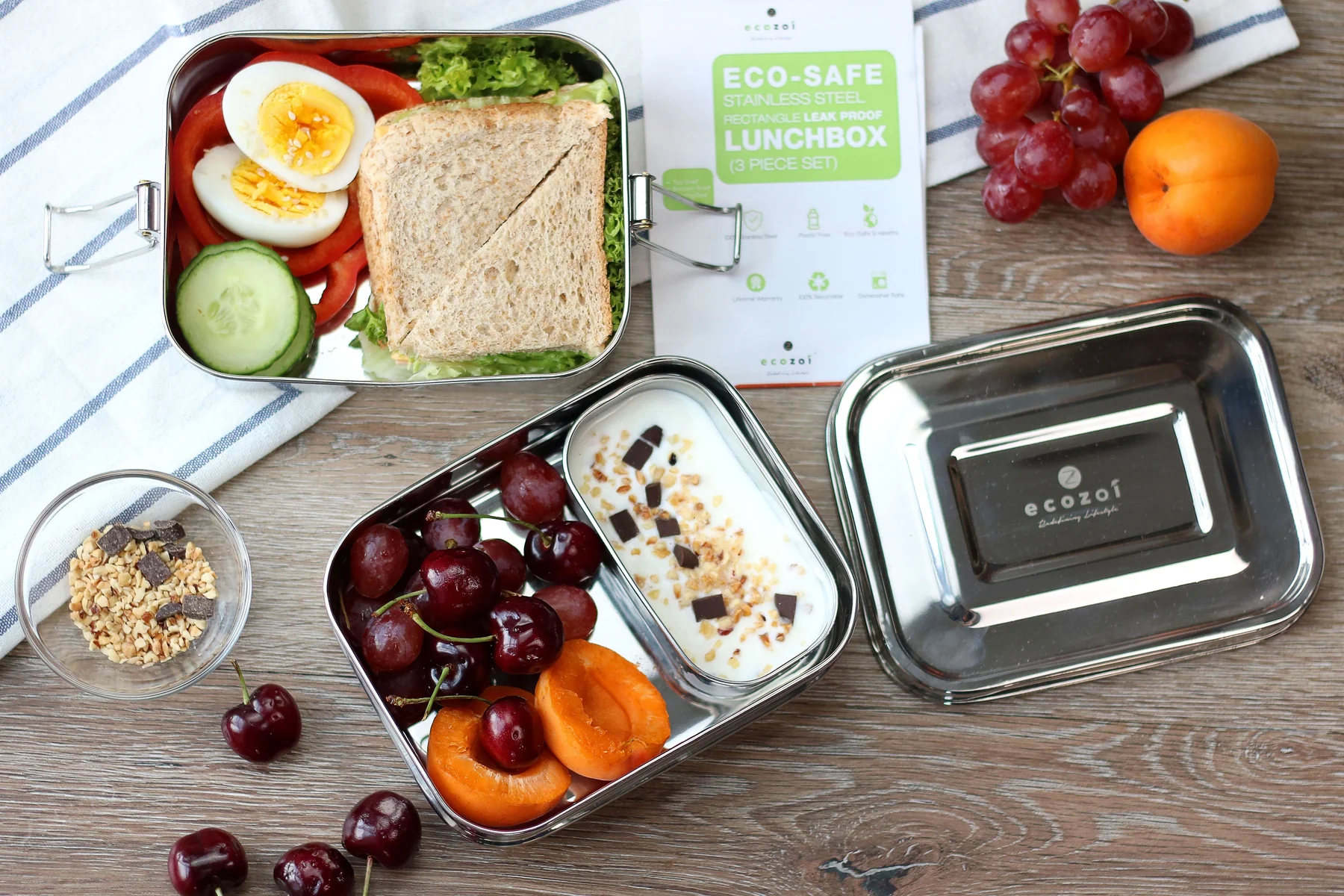
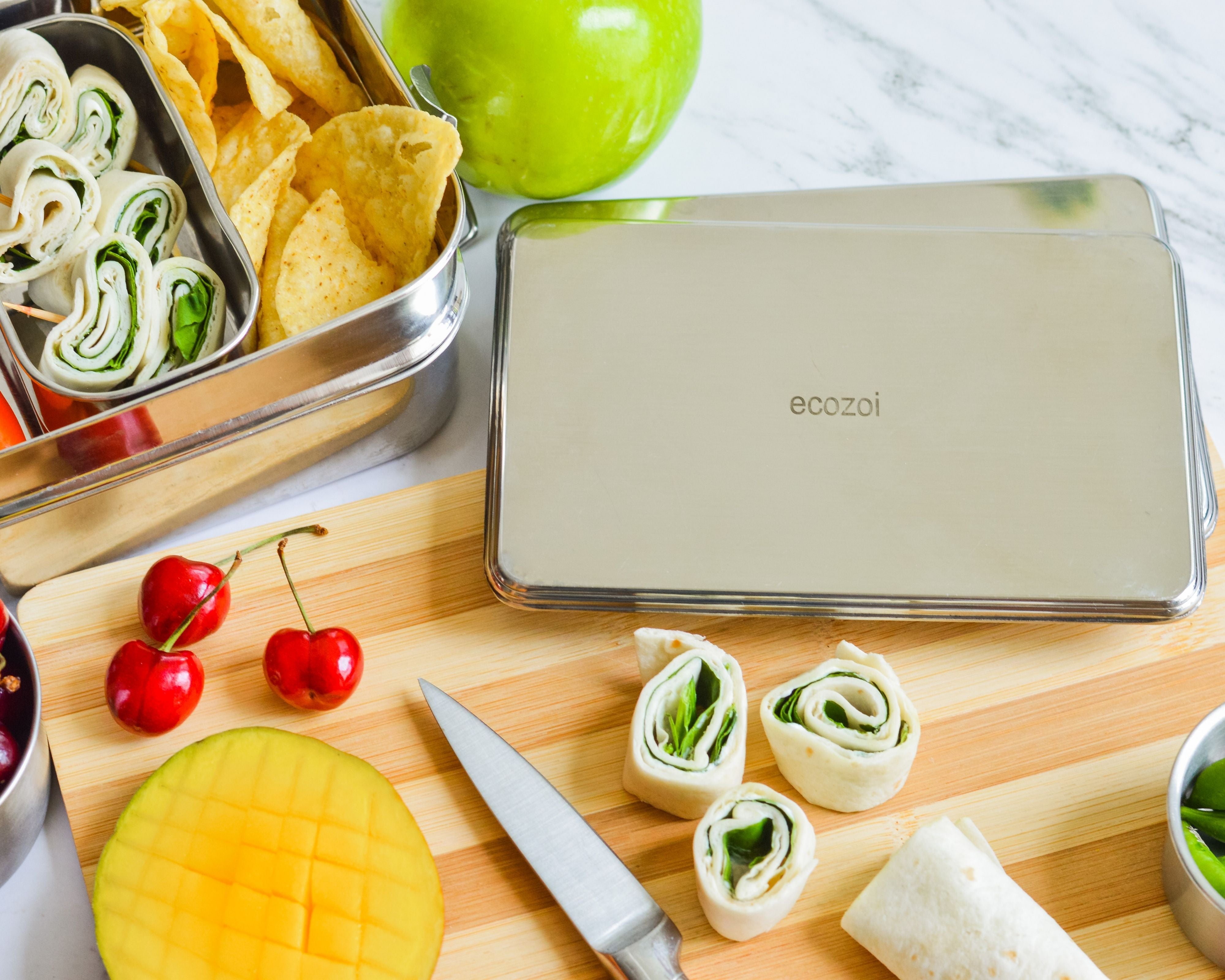
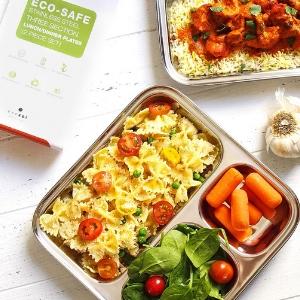
Ecozoi Stainless Steel Lunch Box (1-Tier Leakproof)
Perfect for work or school lunches, this durable, zero-waste option eliminates plastic entirely.
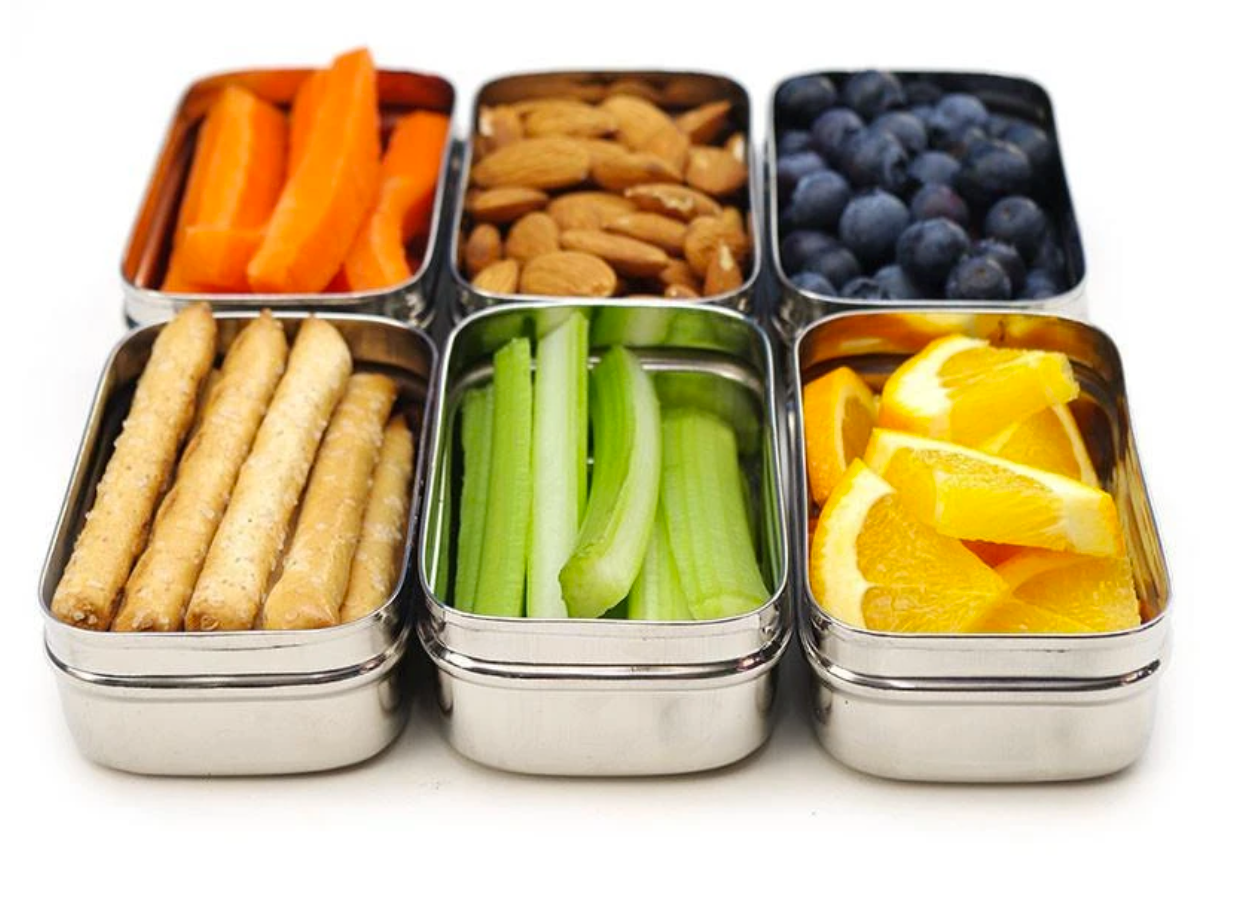
Ecozoi 3-Tier Stainless Steel Bento Box (42 oz)
Stackable, versatile, and ideal for portion control without chemical exposure.
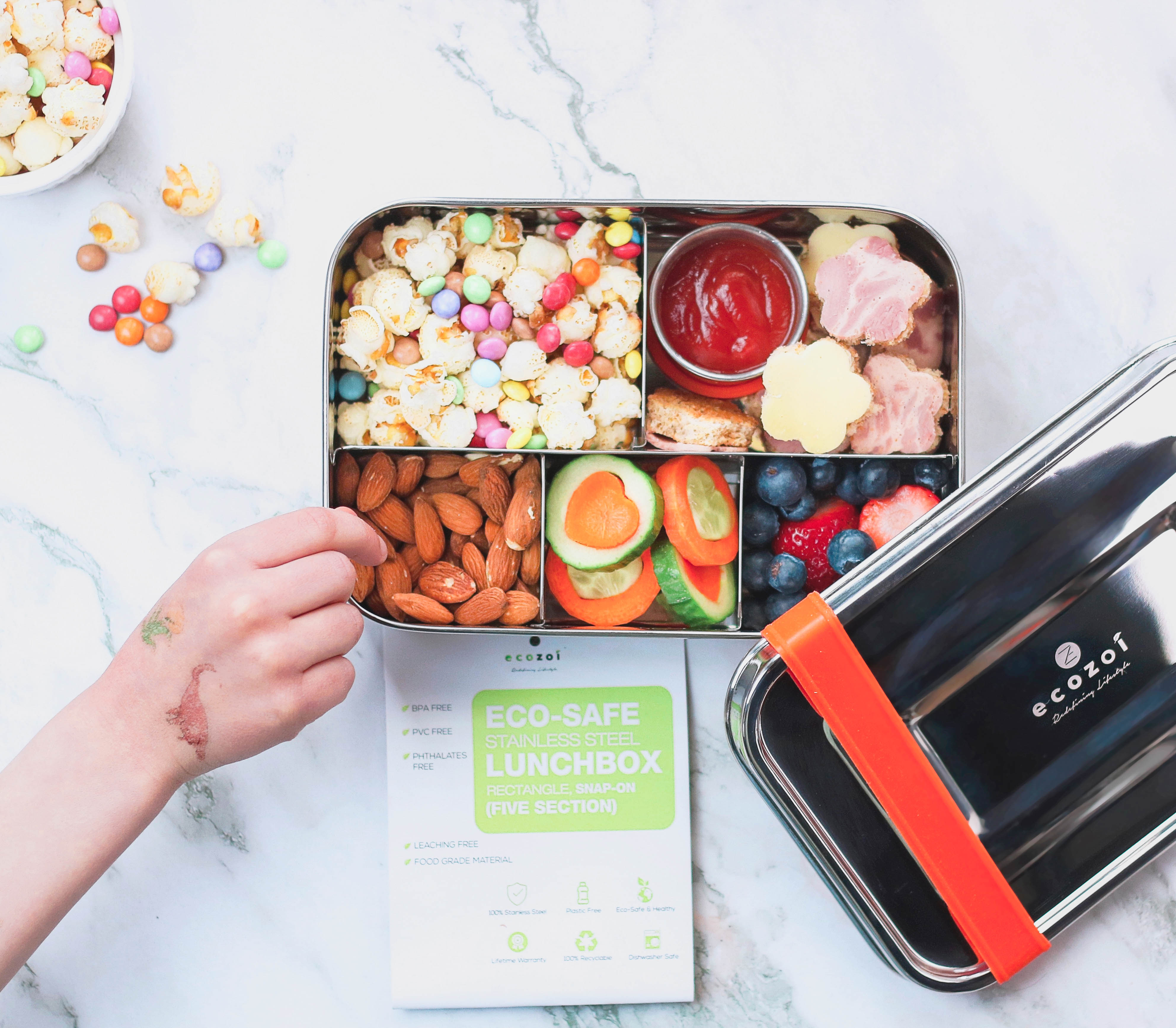
Ecozoi Leak Proof 3-in-1 Stainless Steel Lunch Box
Great for kids and adults who want separated compartments without plastic contact.
By choosing stainless steel instead of BPA-free plastic, you remove chemical uncertainty entirely.

BPA-Free vs Plastic-Free: What’s the Real Difference?
| BPA-Free | Plastic-Free |
|---|---|
| No Bisphenol A | No plastic at all |
| May contain other substitutes | No synthetic chemicals |
| Often petroleum-based | Stainless steel or natural materials |
| Safer than BPA plastic | Safest long-term option |
If your goal is reducing exposure to harmful chemicals, plastic-free wins.
Is It Important to Avoid BPA?
For families with children, the answer is generally yes. Children’s hormonal systems are still developing, making them more sensitive to chemical exposure.
Reducing BPA exposure is a preventative health step.
How Does BPA Affect Children?
Children are more vulnerable because:
-
They consume more food per body weight
-
Their endocrine systems are developing
-
They often heat food in plastic containers
Studies suggest potential links to behavioral and developmental concerns.
Switching to stainless steel lunch boxes eliminates that risk entirely.

What Are the Benefits of BPA Free?
-
Reduced exposure to endocrine-disrupting chemicals
-
Safer food storage
-
Greater peace of mind
However, upgrading to plastic-free stainless steel offers even stronger protection.
What Are the Risks of BPA?
-
Hormonal disruption
-
Reproductive concerns
-
Possible metabolic health impacts
-
Developmental risks in children
Even low levels can migrate into food under heat or wear.
How to Reduce BPA Exposure
-
Avoid microwaving plastic containers
-
Replace scratched plastic containers
-
Choose stainless steel for lunch boxes
-
Limit canned foods
-
Invest in reusable plastic-free storage
Ecozoi’s stainless steel collection makes this switch easy and sustainable.
Final Thoughts
So, what does BPA free mean — and does it matter?
Yes, it matters. BPA-free labeling is a step in the right direction. But if you truly want chemical-free peace of mind, plastic-free stainless steel is the safest solution.
Ecozoi products are designed to eliminate plastic contact entirely — because safety shouldn’t depend on a label.


