







Why Choose Bamboo Kitchen Utensils for Eco Homes
 Why Choose Bamboo Kitchen Utensils for Eco Homes
If your kitchen is the heart of your home, your utensils are its hands — and choosing the right ones can make all the difference. For families across the United States looking to live more sustainably, bamboo kitchen utensils are becoming the go-to choice. They’re not just beautiful and lightweight — they’re also a better choice for your health and the planet.
Let’s dive into why bamboo deserves a place in every eco-friendly kitchen, and how making this small switch can create a big impact.
1. Sustainability Starts with Bamboo
Bamboo isn’t a tree — it’s a fast-growing grass that can reach maturity in just 3–5 years. Unlike traditional wood, it doesn’t require replanting after harvesting; it regenerates naturally.
This makes it one of the most renewable materials on Earth. When you choose bamboo cooking utensils, you’re supporting a resource that:
-
Absorbs carbon dioxide and releases 35% more oxygen than trees
-
Grows without pesticides or fertilizers
-
Requires minimal water
So every time you stir your soup or flip your pancakes, you’re reducing your environmental footprint — one meal at a time.
👉 Learn more about Ecozoi’s sustainable kitchen range at Ecozoi.com
2. Safe and Non-Toxic for You and Your Family
Many plastic or metal utensils can leach chemicals or react with your food. Bamboo, on the other hand, is naturally BPA-free, toxin-free, and heat-resistant.
If you’ve ever wondered, “Are bamboo cooking utensils safe?” — the answer is absolutely yes. They don’t melt, scratch cookware, or absorb odors. This makes them perfect for non-stick pans and safe for everyday use — especially for homes with kids.
For example, Ecozoi’s Organic Bamboo Cooking Set (if available) is made without any synthetic coatings, ensuring that what touches your food remains pure and natural.
3. Built to Last (When Cared for Right)
Durability often decides whether a product truly supports sustainability. Bamboo cooking utensils, when properly cared for, can last for years. They resist moisture better than wood, don’t splinter easily, and retain their smooth texture.
To extend their lifespan:
-
Wash gently with mild soap and warm water
-
Avoid soaking them for long periods
-
Occasionally rub them with coconut oil to keep the surface conditioned
Simple care, long life — that’s bamboo’s promise.
4. Stylish and Naturally Beautiful
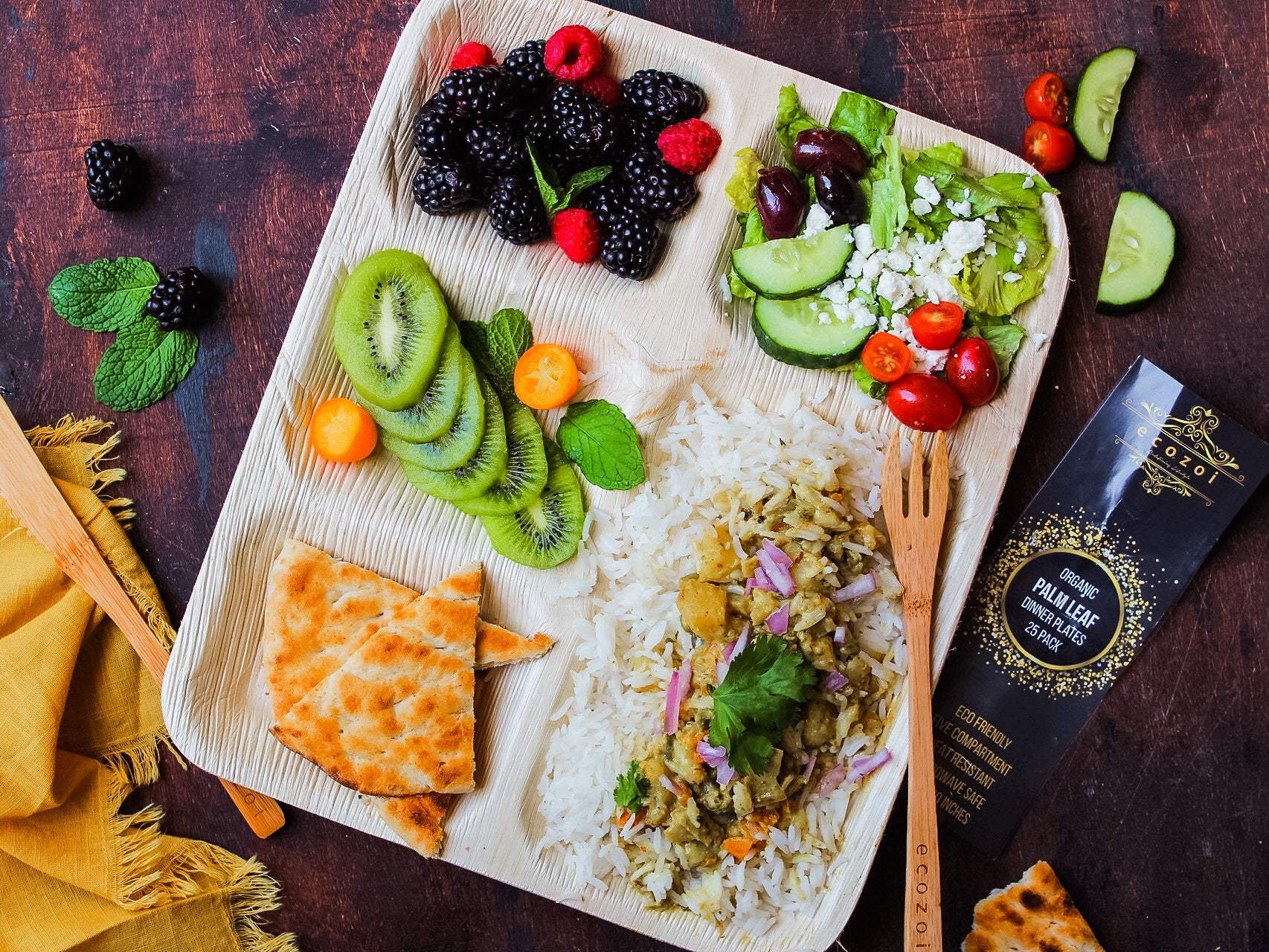
There’s something soothing about bringing nature indoors. The light color and natural grain of bamboo give your kitchen a warm, organic aesthetic that complements both modern and rustic styles.
From bamboo chopping boards to spatula sets, every piece adds a touch of earthy elegance — making your kitchen not just eco-friendly, but also Instagram-worthy.
📸 Want to see more styling inspiration? Follow @Ecozoi on Instagram for eco-living tips and product highlights.
5. Gentle on Cookware, Tough on Performance
Metal utensils can scratch your pots and pans, while plastic ones warp or melt. Bamboo is the perfect in-between — strong enough for heavy stirring yet gentle enough to protect your non-stick coatings.
It’s no wonder many professional chefs in the U.S. are switching to best bamboo cooking utensils for daily use.
6. Product Spotlight: Ecozoi’s Bamboo Kitchen Essentials
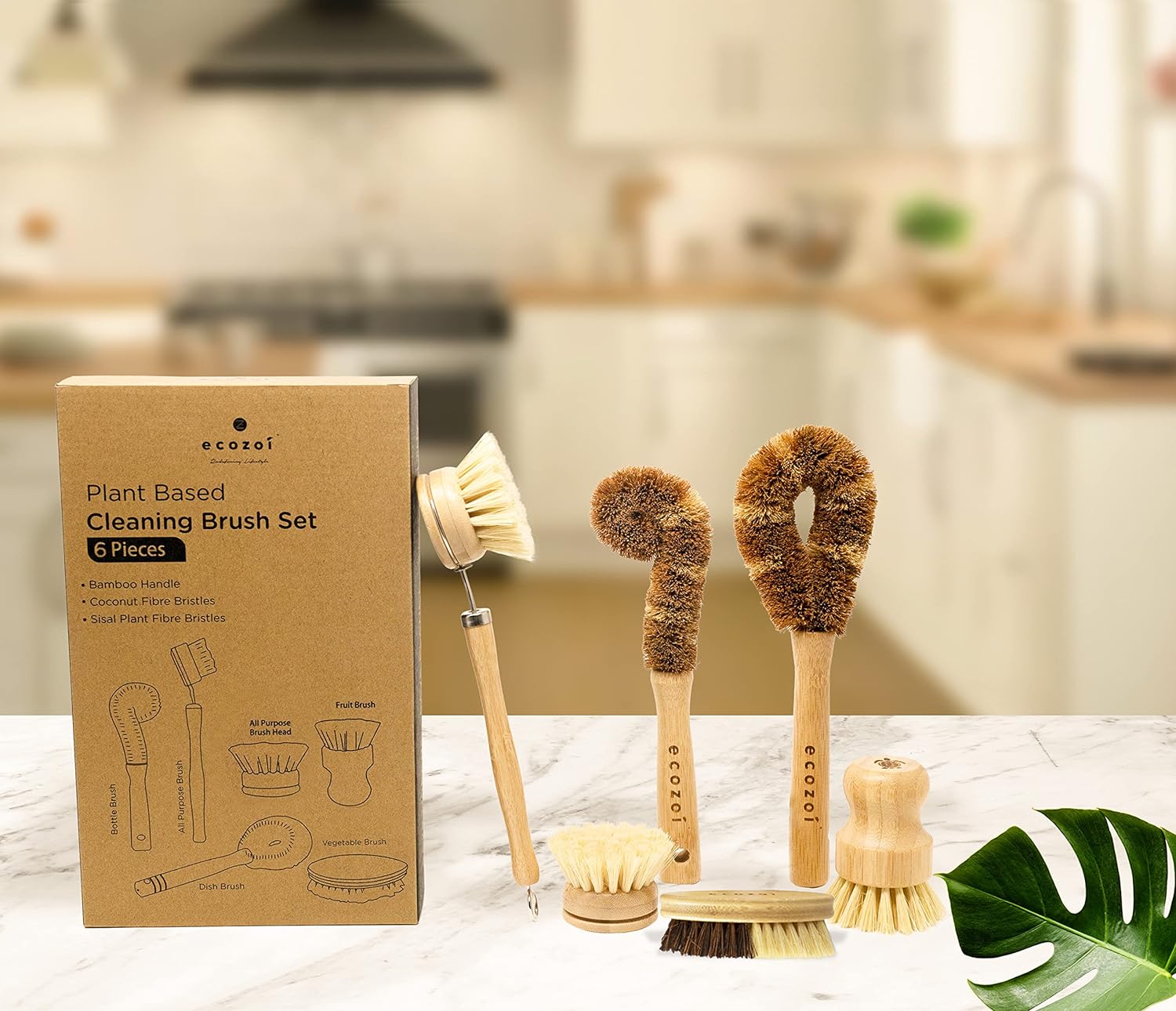
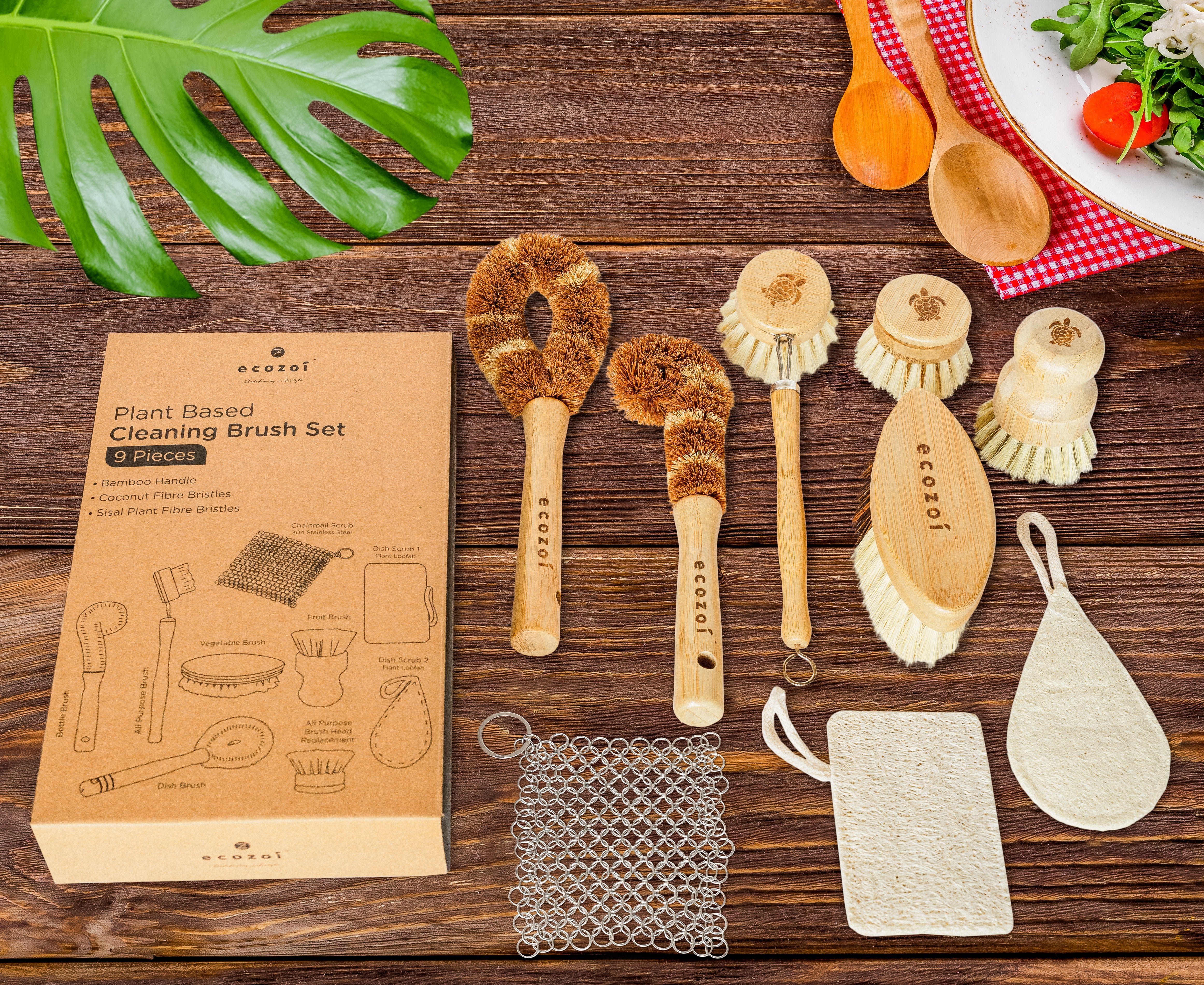
At Ecozoi, we believe every kitchen choice can create a ripple effect for the planet. Our Bamboo Kitchen Collection (if listed on the site) includes:
-
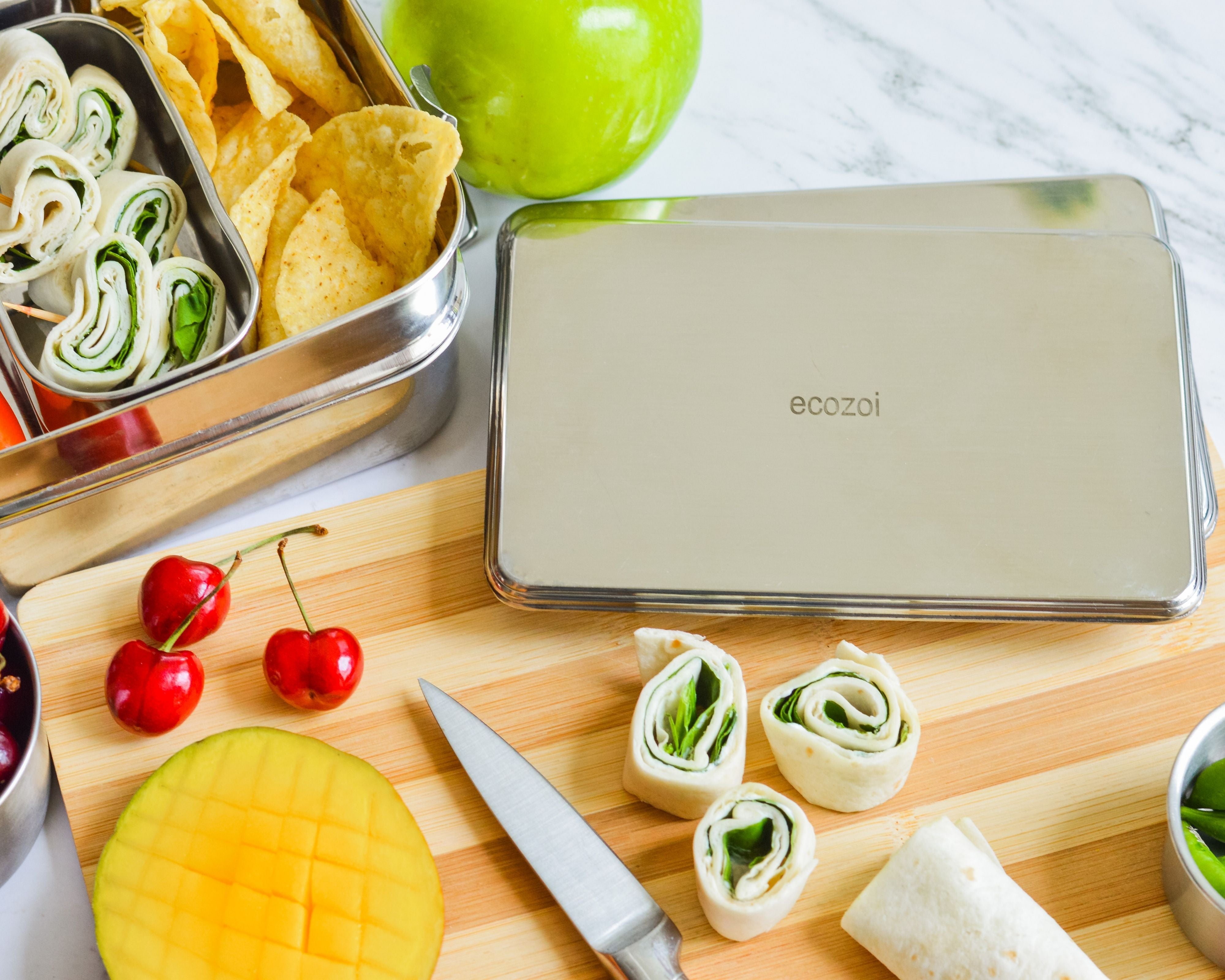
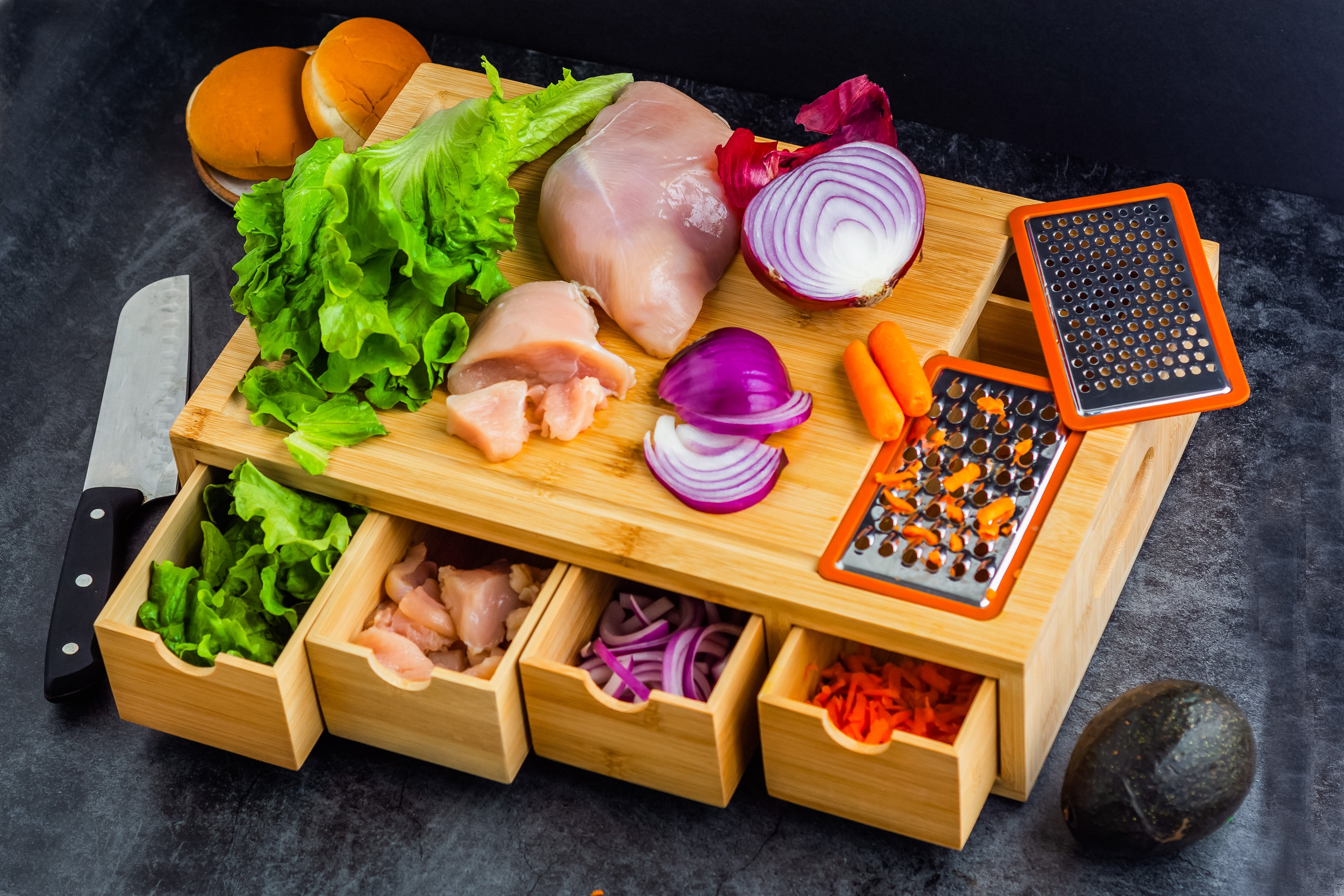
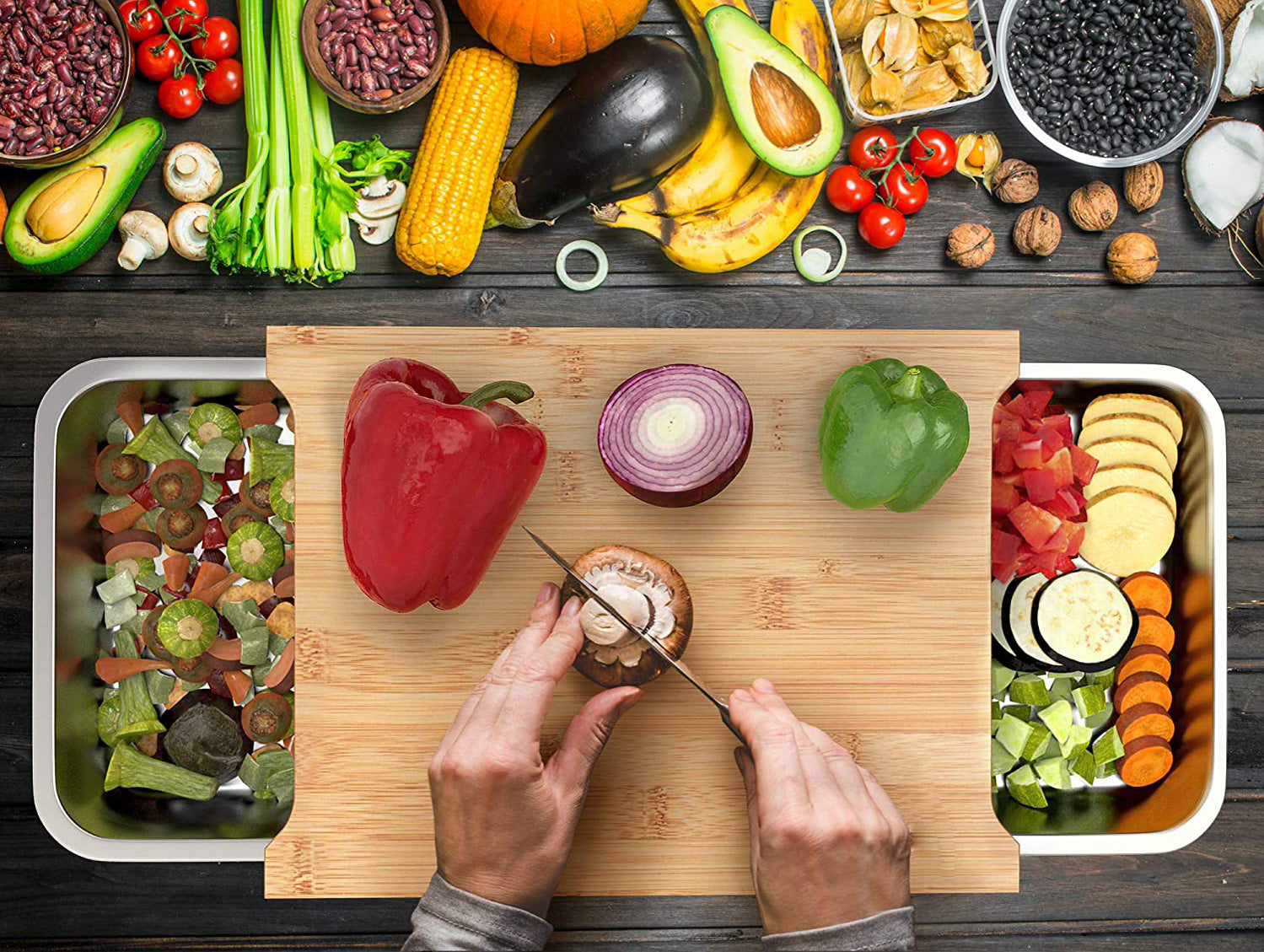
Organic Bamboo Cutting Board – crafted from sustainable, food-safe bamboo. Ideal for chopping veggies, fruits, or prepping your favorite Ecozoi recipes.
-
Bamboo Cooking Utensil Set – lightweight, durable, and perfect for non-stick cookware.
Each piece is thoughtfully designed to reduce waste while adding style and simplicity to your daily cooking routine.
✨ Shop the collection on Ecozoi.com
 7. Eco-Friendly Alternative to Plastic & Wood
While wooden utensils are also natural, they require cutting down trees and can sometimes be coated with synthetic finishes. Bamboo is more renewable, lighter, and easier to handle.
Compared to plastic, bamboo:
-
Doesn’t melt or release microplastics
-
Naturally resists bacteria
-
Is fully biodegradable at the end of its life
When your bamboo utensil finally wears out, you can compost it — zero guilt, zero waste.
8. Common Questions About Bamboo Kitchen Utensils
Q1: Are bamboo kitchen utensils good?
Yes, they’re durable, heat-resistant, and eco-friendly. They don’t damage cookware and are safe for your family.
Q2: What is the healthiest material for cooking utensils?
Bamboo and stainless steel are top choices. Bamboo wins for being lightweight, toxin-free, and biodegradable.
Q3: Is bamboo good for a chopping board?
Absolutely. Bamboo chopping boards are strong yet gentle on knives. They resist water and are less likely to harbor bacteria than plastic boards.
Q4: What are the disadvantages of bamboo cutting boards?
They can dry or crack if not oiled occasionally. Avoid dishwashers — hand wash only to keep them lasting longer.
Q5: Which is better — teak or bamboo cooking utensils?
Both are durable, but bamboo grows faster and is more eco-friendly. Teak is denser, but bamboo’s renewability makes it the greener choice.
Q6: How do I clean and care for bamboo utensils?
Hand wash with mild soap, dry immediately, and apply coconut oil monthly for longevity.
Q7: When should I replace my bamboo utensils?
Replace when you notice cracks or rough edges. With proper care, they can last several years.
 9. Bring Eco Living to Every Meal
Switching to bamboo kitchen accessories is one of those small lifestyle choices that create meaningful change. It’s sustainable, practical, and beautiful — everything an eco-conscious kitchen should be.
Whether you’re prepping your morning smoothie or cooking a family dinner, bamboo helps you cook cleaner and greener every day.
🌱 Explore more sustainable swaps at Ecozoi.com
Or try an easy, zero-waste meal idea from our Ecozoi Recipe Blog to get started today.


