






Step-by-Step: How to Create a Zero-Waste Lunchbox Routine
Packing lunch every day doesn’t have to mean piles of plastic wrap and disposable bags. With a few smart swaps, you can create a zero-waste lunchbox routine that’s eco-friendly, cost-effective, and healthier for your family.
Whether you're packing for school or work, this guide will help you build a waste free lunch system that’s easy to maintain.
What is a Zero-Waste Lunchbox?
A zero-waste lunchbox focuses on eliminating single-use plastics and reducing overall waste. Instead of disposable packaging, it uses reusable, durable, and sustainable materials.
Key Principles:
-
Use reusable containers
-
Avoid plastic wraps and foil
-
Pack fresh, homemade meals
-
Minimize food waste
Step-by-Step Guide to a Zero-Waste Lunchbox Routine
Step 1: Choose the Right Containers
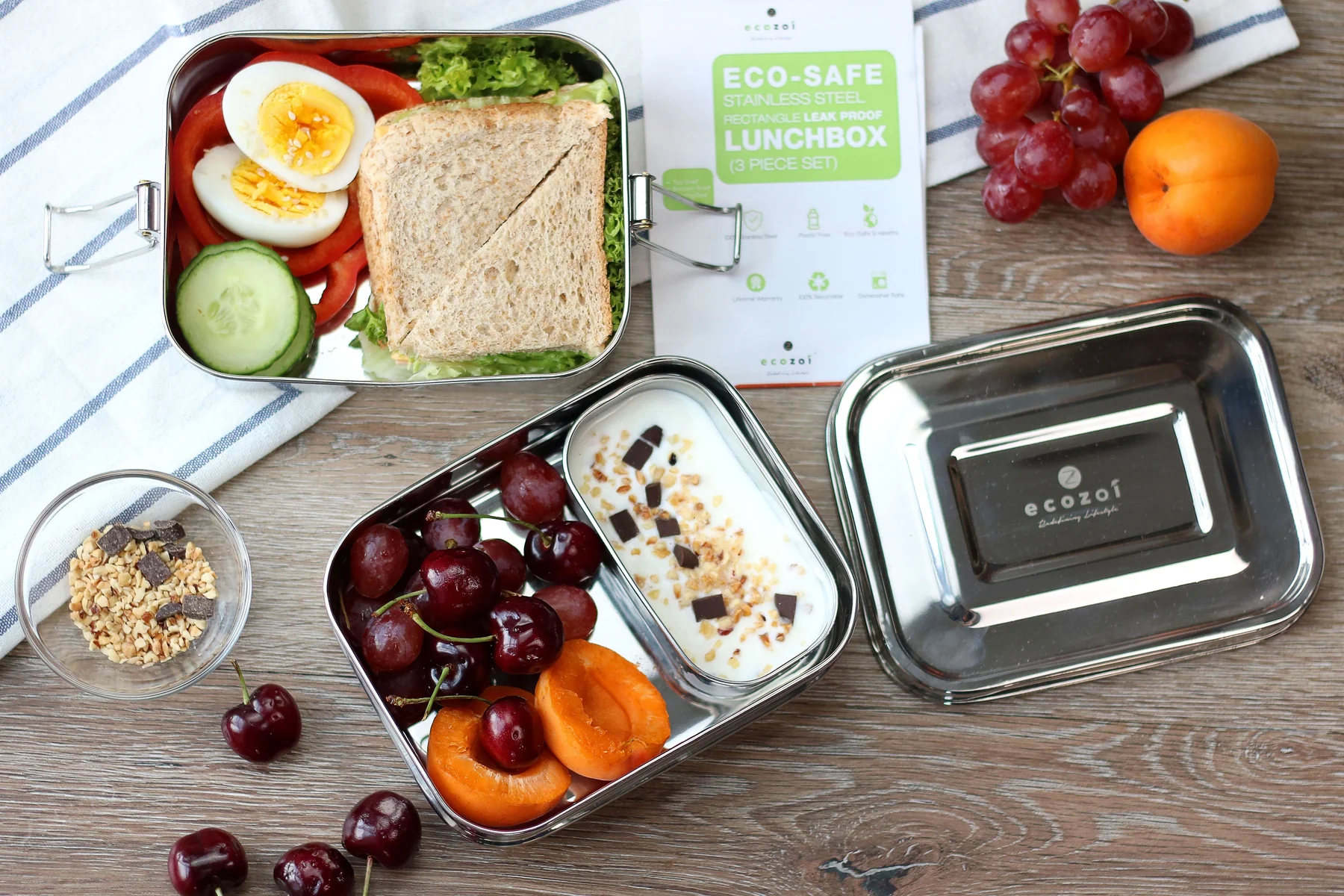
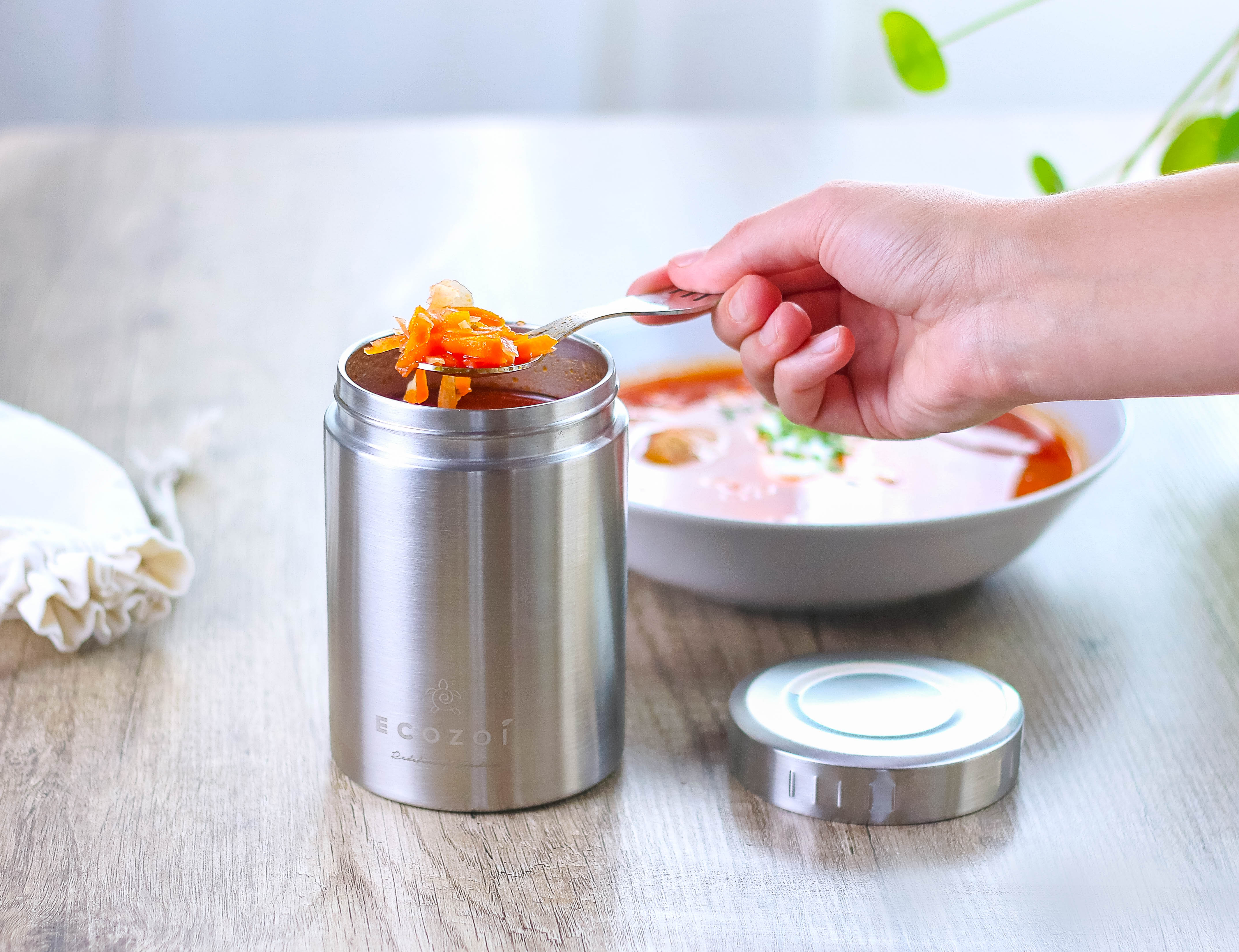
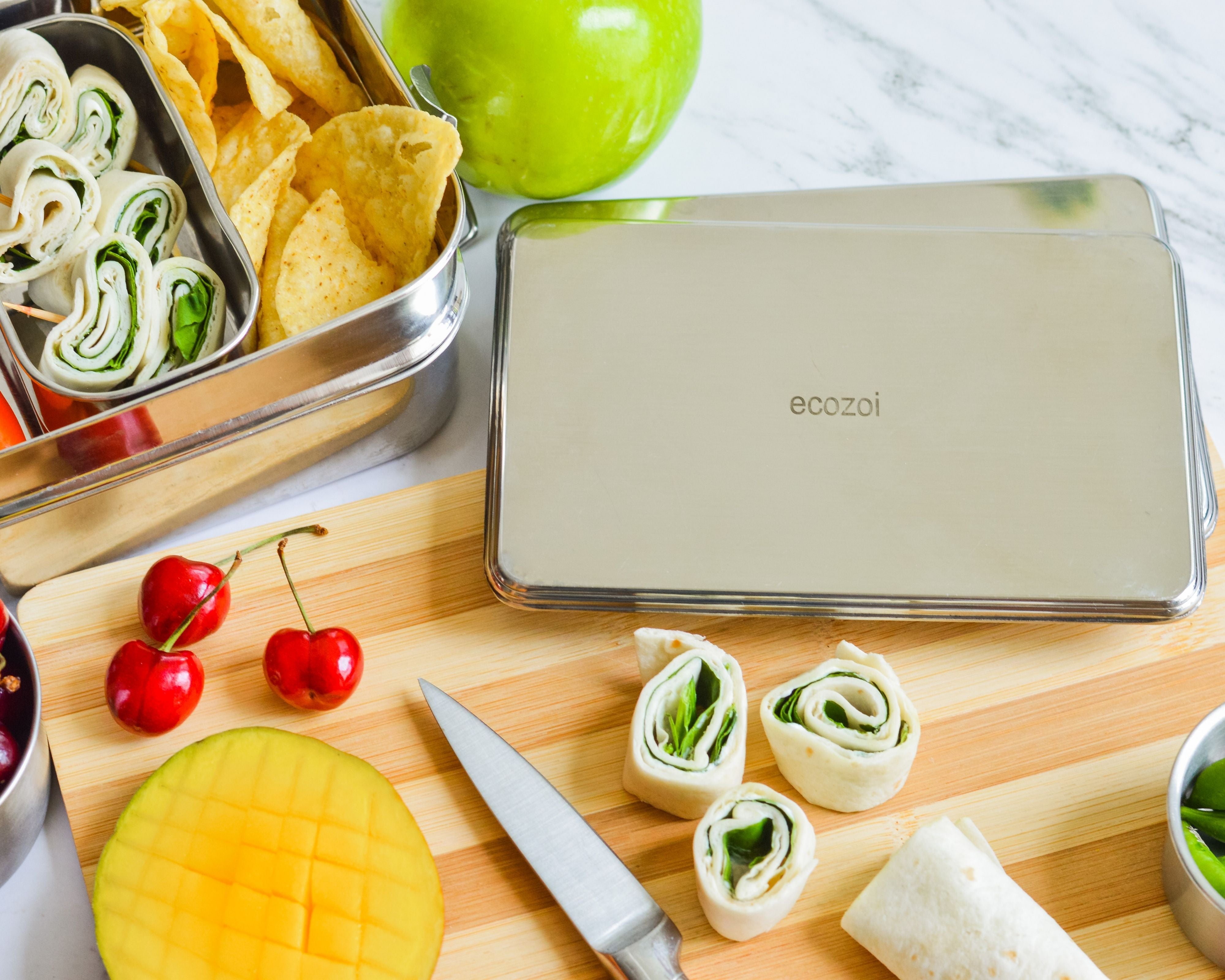
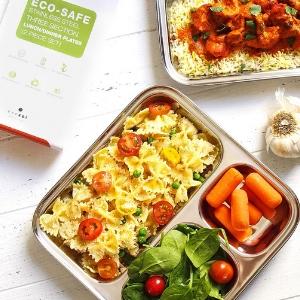
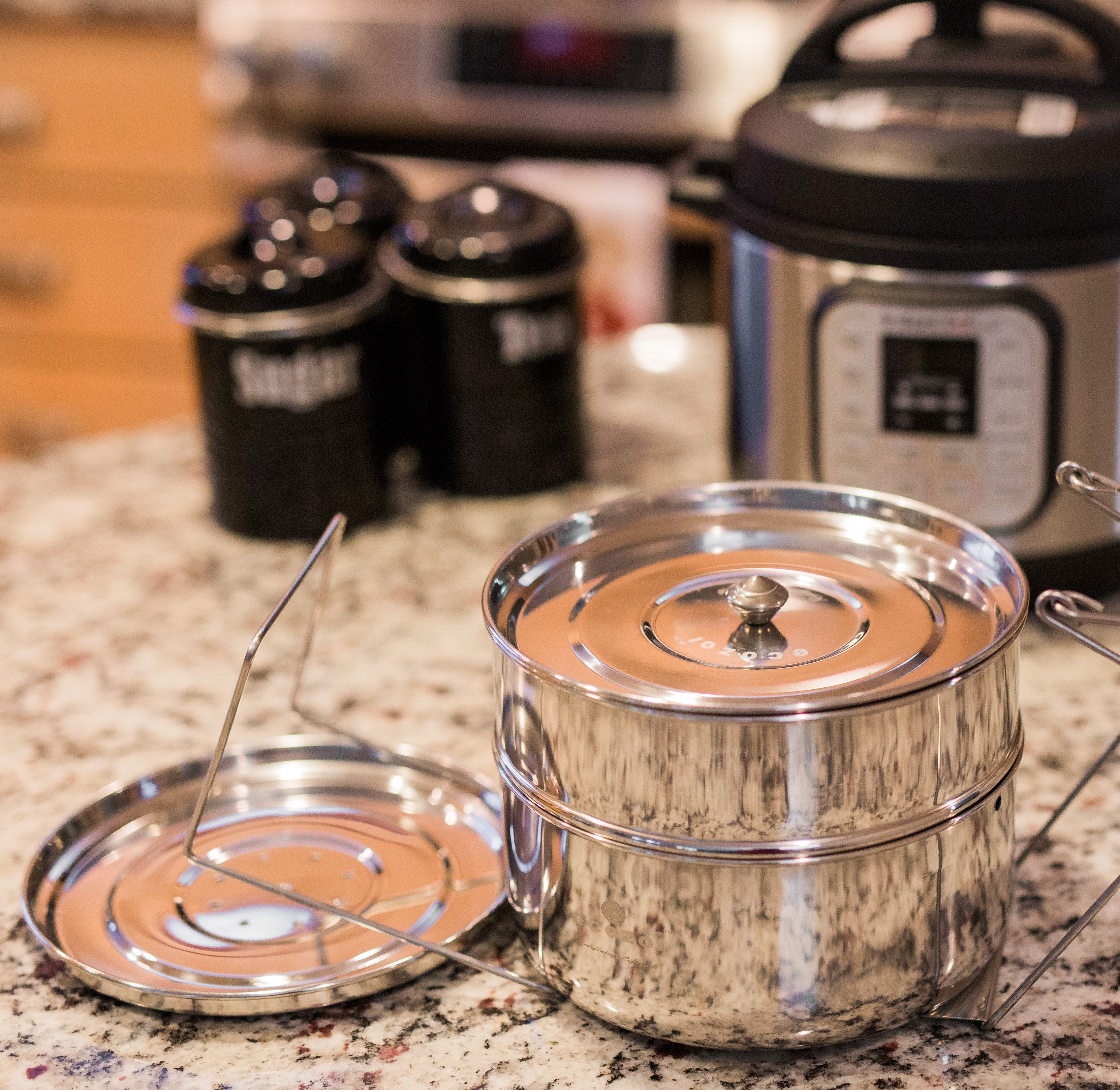
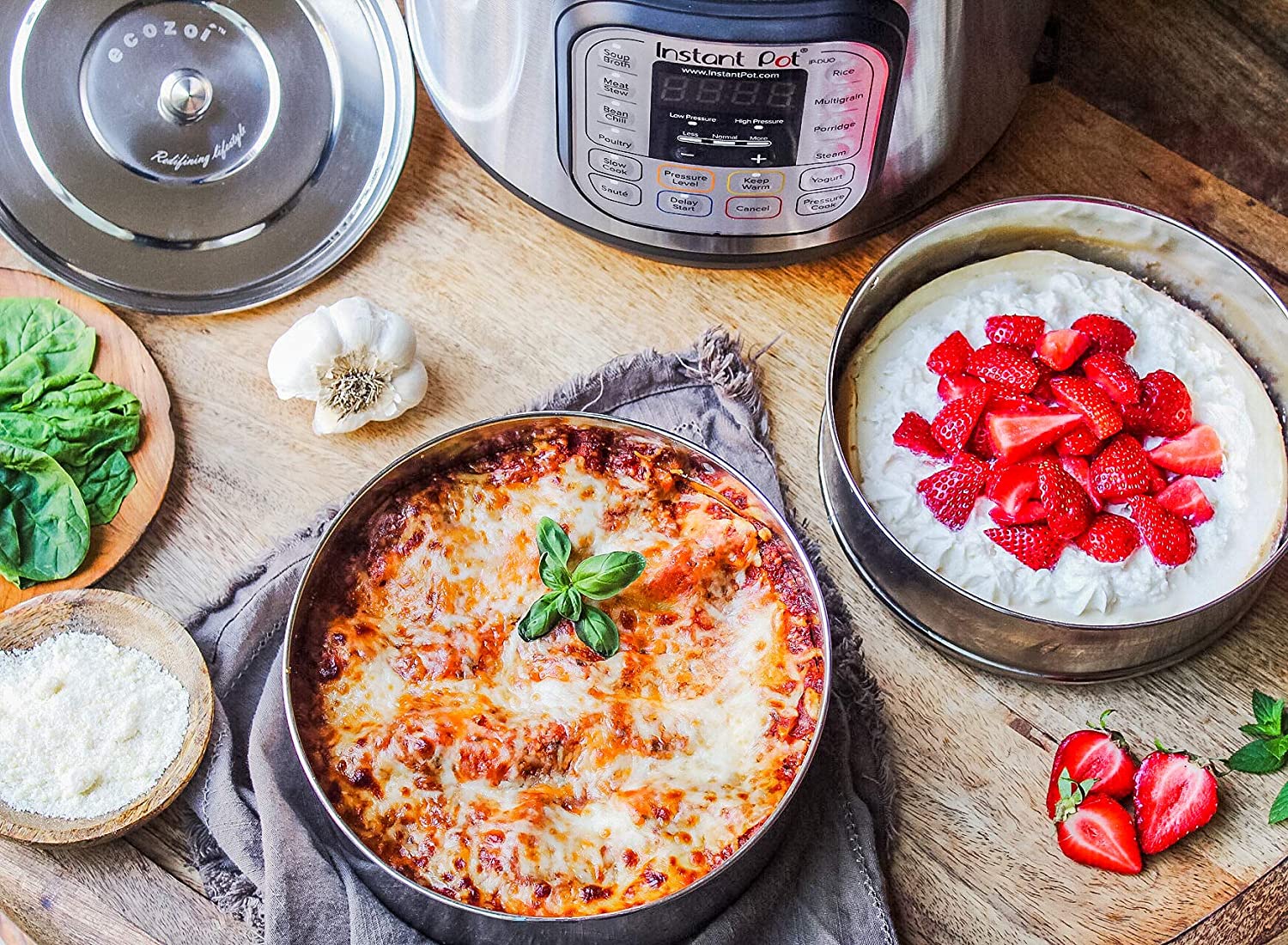
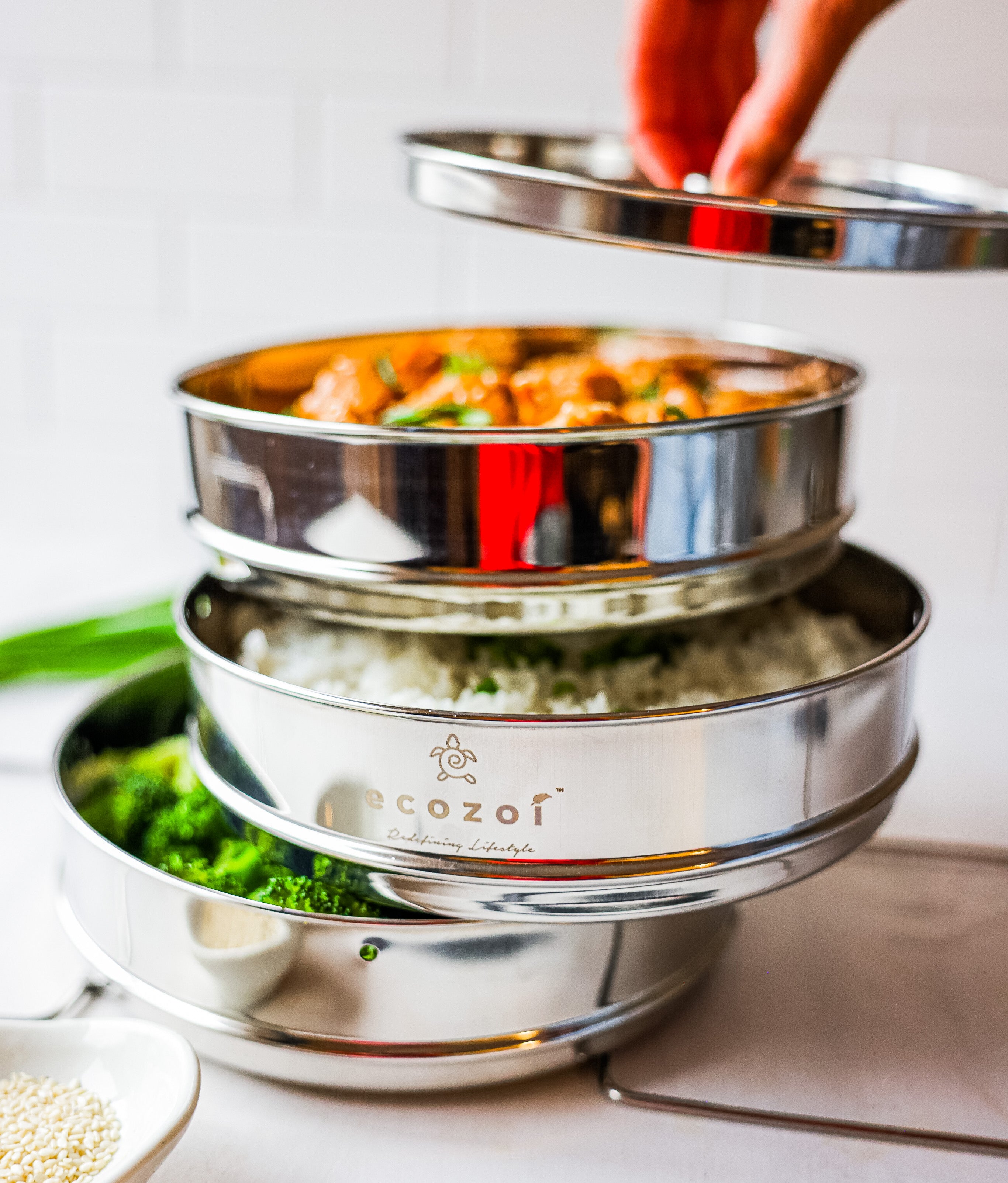
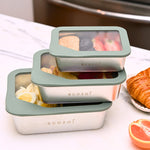
Start with plastic free lunch containers made from safe and long-lasting materials like stainless steel.

Ecozoi Stainless Steel Food Containers
https://ecozoi.com/collections/food-storage
Why stainless steel?
-
Durable and long-lasting
-
Non-toxic and BPA-free
-
Easy to clean
-
Doesn’t absorb odors

Step 2: Plan Your Meals in Advance
Planning helps reduce food waste and saves time.
Zero waste lunch box ideas:
-
Vegetable wraps
-
Pasta salads
-
Rice bowls
-
Fresh fruits and nuts
Batch cooking the night before makes mornings stress-free.
Step 3: Swap Disposable Items
Replace single-use items with reusable alternatives.
| Replace This | With This |
|---|---|
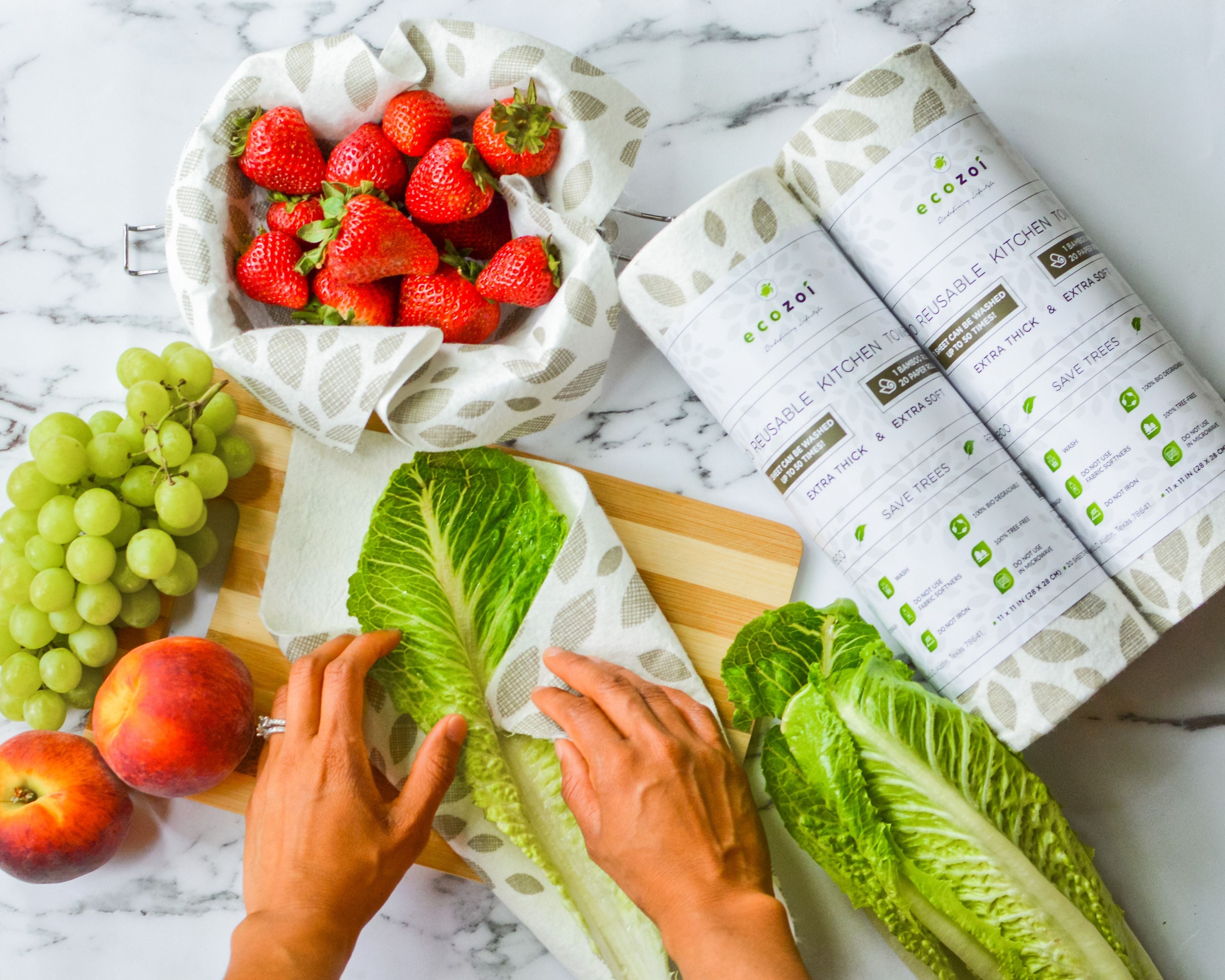
| Plastic wrap | Beeswax wraps |
| Paper napkins | Cloth napkins |
| Plastic cutlery | Stainless steel cutlery |
| Juice boxes | Reusable bottles |
Ecozoi Stainless Steel Cutlery Sets
https://ecozoi.com/collections/cutlery
Step 4: Pack Smart Portions
Avoid overpacking to reduce food waste.
Tips:
-
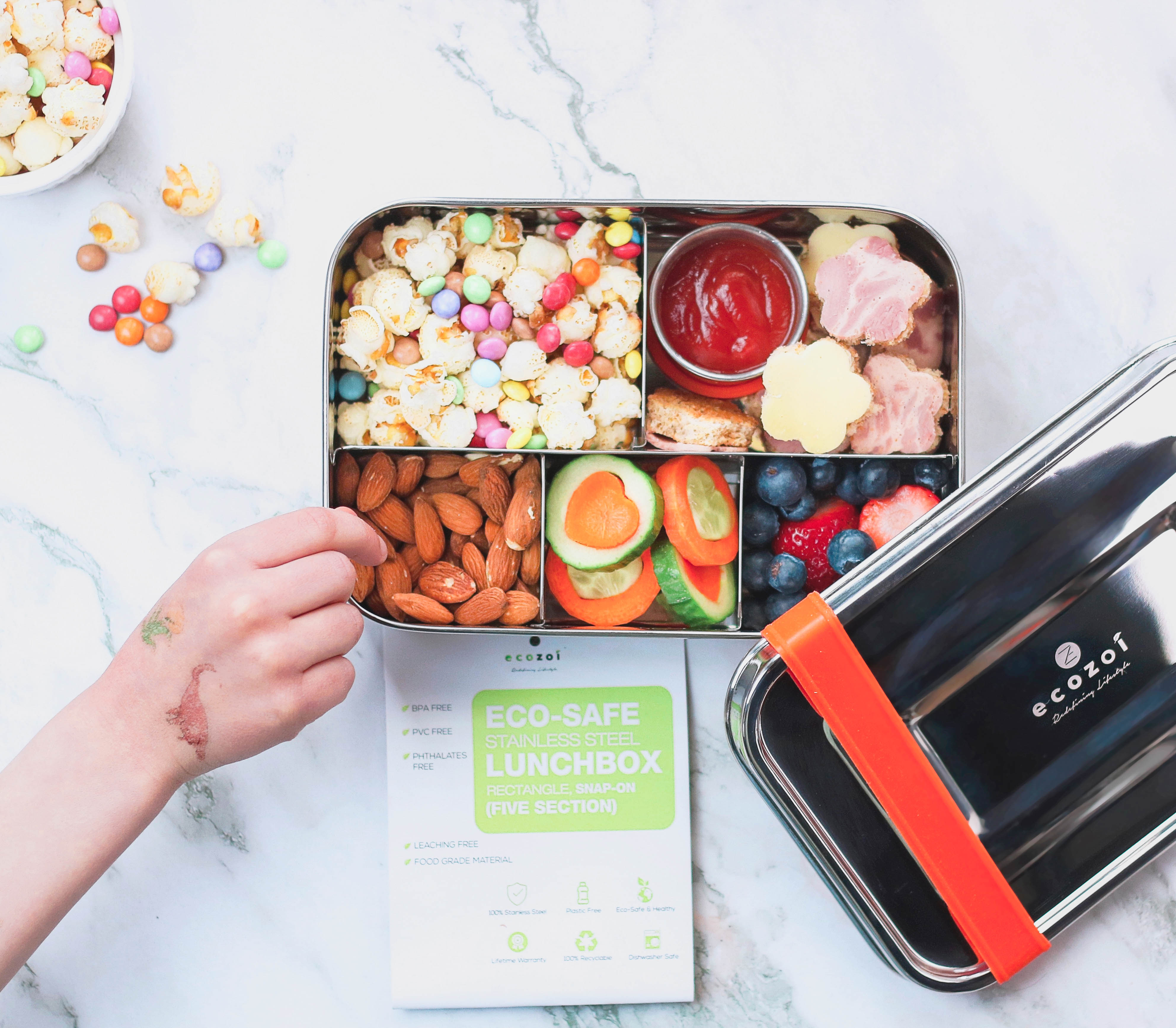
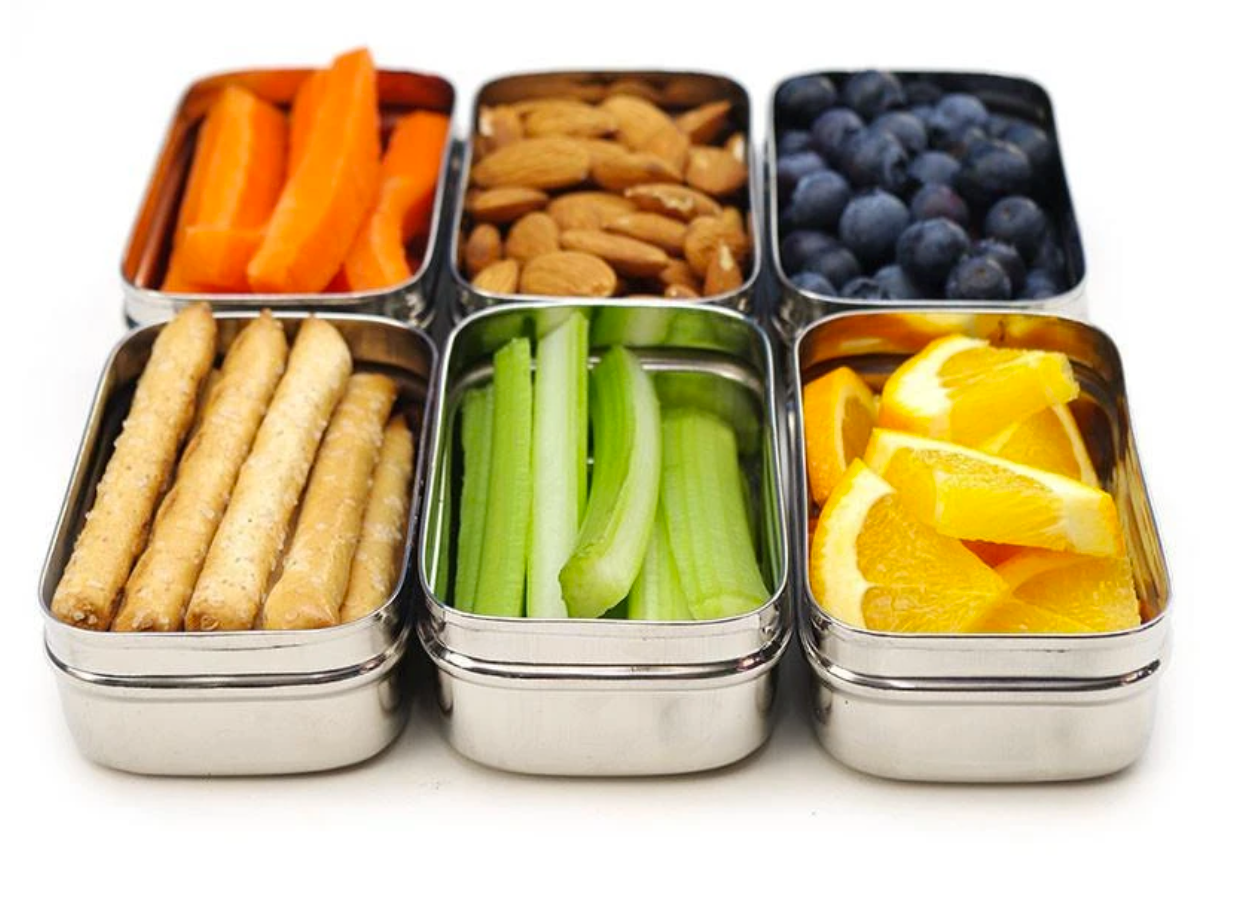
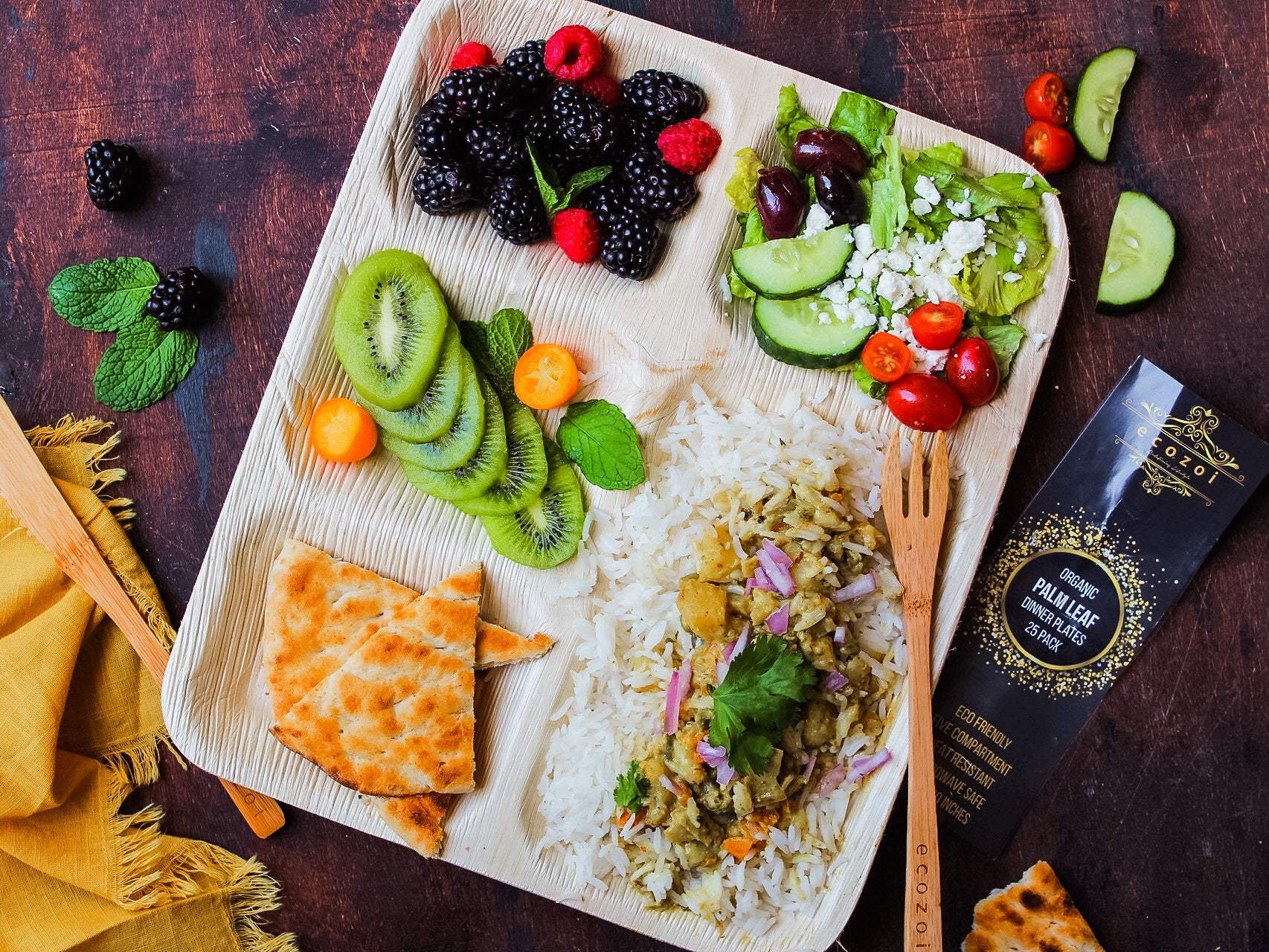
Use compartment containers
-
Pack snacks in small reusable jars
-
Keep portions balanced

Step 5: Make It Kid-Friendly
For kids, presentation matters!
-
Use colorful fruits
-
Cut food into fun shapes
-
Keep meals simple and familiar
This makes lunches to pack for school more exciting and reduces leftovers.

Step 6: Clean & Reset Daily
A quick cleaning routine ensures consistency.
-
Wash containers immediately
-
Air dry to prevent odor
-
Prep for the next day
Best Foods for a Waste-Free Lunch
Here are easy recipes for a waste free lunch:
1. Veggie Wrap
-
Whole wheat tortilla
-
Hummus
-
Sliced veggies
2. Fruit & Nut Mix
-
Almonds, cashews
-
Dried fruits
3. Rice Bowl
-
Brown rice
-
Stir-fried vegetables
-
Tofu or paneer
Benefits of a Zero-Waste Lunchbox Routine
1. Reduces Environmental Impact
Cuts down plastic waste and landfill contribution.
2. Saves Money
Reusable items eliminate daily disposable costs.
3. Healthier Eating
Homemade meals are more nutritious and fresh.
Common Mistakes to Avoid
-
Using low-quality reusable containers
-
Overpacking food
-
Skipping meal prep
-
Forgetting reusable cutlery
FAQs
How to pack a zero waste lunch?
Use reusable containers, avoid plastic packaging, and pack homemade meals with cloth napkins and reusable cutlery.
How do I make my lunchbox more sustainable?
Switch to stainless steel containers, plan meals, and eliminate single-use plastics.
How to pack kids lunch without plastic?
Use compartment stainless steel lunchboxes, reusable snack bags, and refillable bottles.
What are the best containers for a zero-waste lunch?
Stainless steel containers are the best due to durability, safety, and eco-friendliness.
What is the safest material for a zero-waste lunchbox?
Stainless steel is the safest option as it is non-toxic, BPA-free, and long-lasting.
Conclusion
Creating a zero-waste lunchbox routine doesn’t have to be complicated. With the right tools, simple planning, and mindful choices, you can reduce waste while enjoying fresh and healthy meals every day.
Start small, stay consistent, and make sustainable lunch packing a daily habit.


