














2 vs 3 vs 4 vs 5 Compartment Lunch Boxes: Which Layout Fits Your Meals?
Stand in front of a shelf of stainless steel lunch boxes and count the dividers. Two sections. Three. Four. Five. The number looks small on a label, but it changes how you eat for the next year.
A compartment lunch box does one job. It keeps your food apart. The real question isn't how many walls a box comes with, it's how many you need. Too few, and your rice sits in your curry by noon. Too many, and you spend Sunday night portioning out five tiny piles of almonds nobody asked for.
The compartment count decides what you're able to pack together and how much cleanup waits for you after dinner. Stainless steel changes the math too. Unlike a stack of plastic containers, one box means one wash and less plastic in the bin every week, without giving up how much food fits.
Key Takeaways
- 2 compartments suit simple meals, like a sandwich and a side.
- 3 compartments fit a standard plate: main, vegetable, and starch, and work for most people.
- 4 or 5 compartments suit variety, meal prep, or picky eaters, though portions get smaller.
- All sizes are stainless steel, leak-proof, and dishwasher safe, but skip the microwave.
The 2-Compartment Lunch Box: Room To Breathe
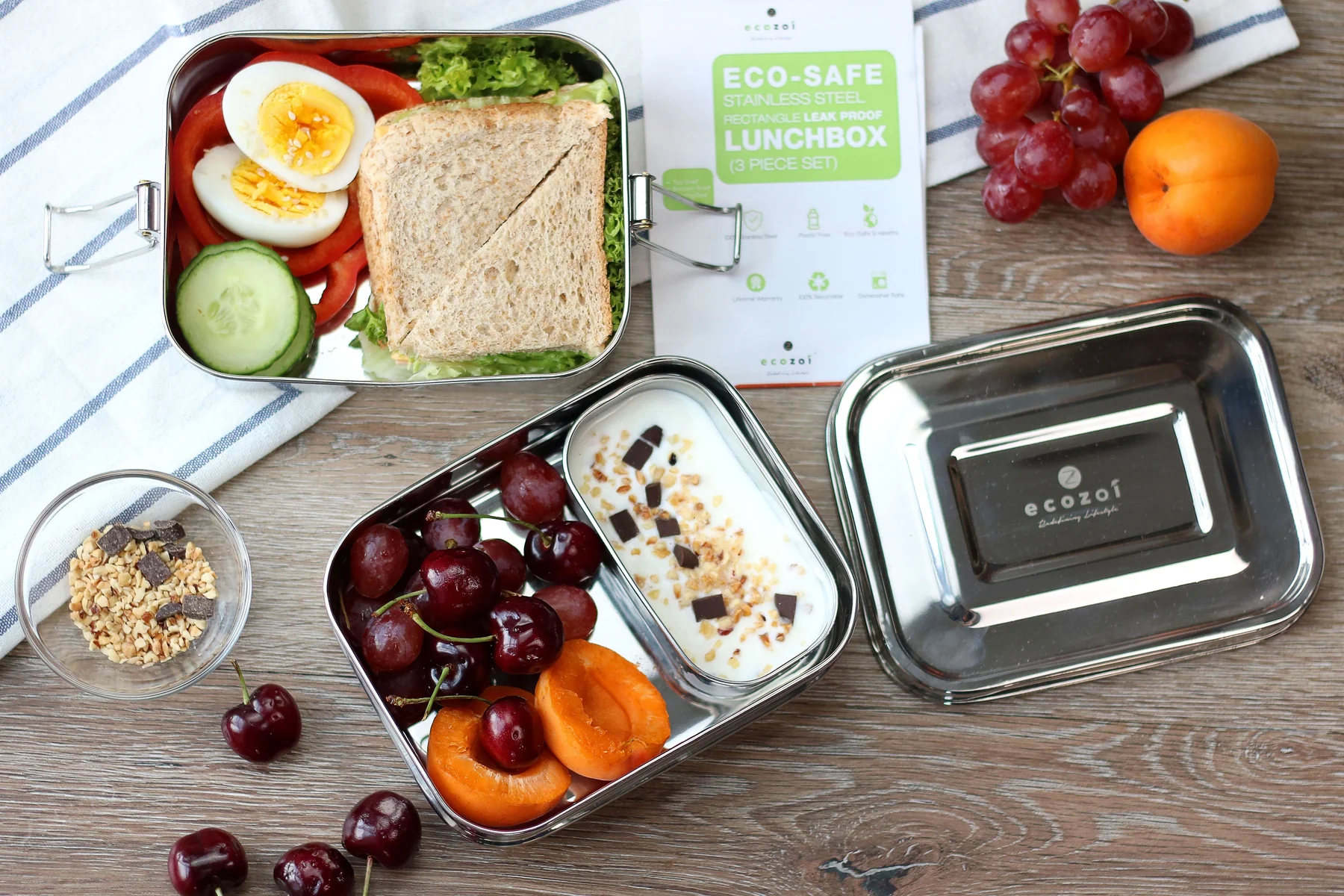
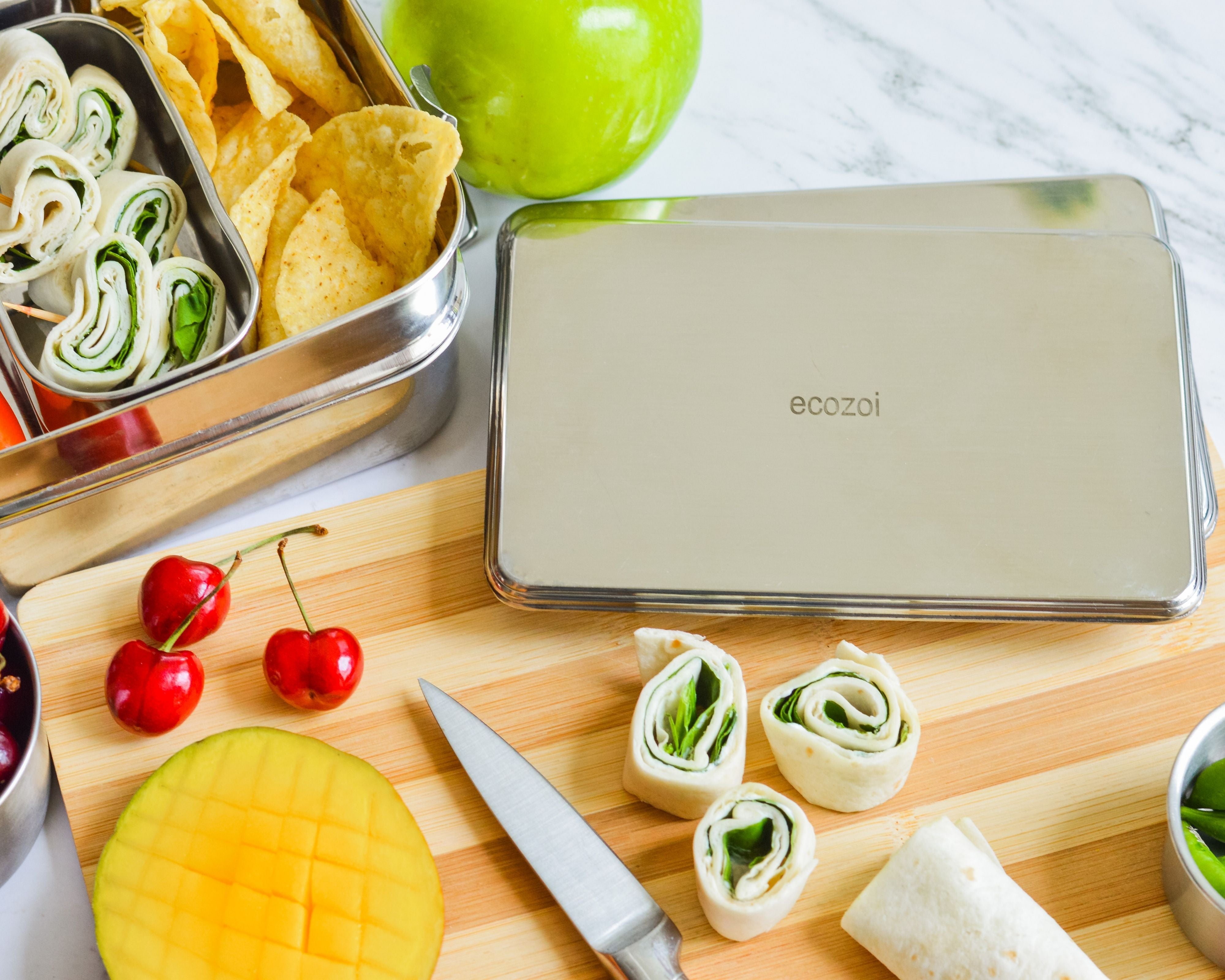
Two compartments mean two zones, usually one bigger and one smaller. Ecozoi's 2 compartment lunch box comes in a 50 oz size with a removable divider, so you take it out entirely when you're packing one dish, like fried rice or lasagna, instead of two.
People who eat simply do well with this layout. A sandwich on one side, fruit or chips on the other. A large serving of pasta with a small side salad. Each compartment holds real volume instead of a grid of small squares, which matters if you'd rather not arrange your lunch like a puzzle every morning.


The 3-Compartment Lunch Box: The One Most People Reach For
Three compartments match how a plate normally works. A main, a vegetable, and a starch or fruit. It shows up in more meal-prep photos than any other layout because it maps onto how people already build a meal, without much thinking involved.
Ecozoi sells this size two ways. A 24 oz version, priced around $32, sized for younger kids, who need something lighter to carry and manage on their own. A 50 oz version, closer to $31, for teens and adults who need more food in each section.
It also works as a step up from a sad desk lunch. Pack a proper protein next to a vegetable side, both kept away from the rice underneath, and you've got a lunch beating the soggy cafeteria plate down the hall, no extra tubs cluttering your bag.
Buy only one compartment lunch box in your life, and three is the safe pick. It handles most lunches and dinners without forcing a meal into a shape it doesn't fit, and it still leaves room for a proper breakfast on the weekends.
The 4-Compartment Lunch Box: Built For Variety
Bored of the same three foods circling your plate on repeat? Four compartments give you room to rotate: a grain, a protein, a vegetable, and something extra on the side, a dressing, a treat, whatever keeps the week interesting. Ecozoi's 4 compartment lunch box holds 50 oz total, split across four sections instead of three larger ones, priced close to the 3-compartment version.
It also helps if you dislike two foods touching, since four walls give more separation than three does.
The catch is portion size. Each compartment holds less than it would in a 3-compartment box of the same total volume. Eat a large portion of one particular food, and four small sections will feel tight fast.
The 5-Compartment Lunch Box: For Grazers And Meal Preppers
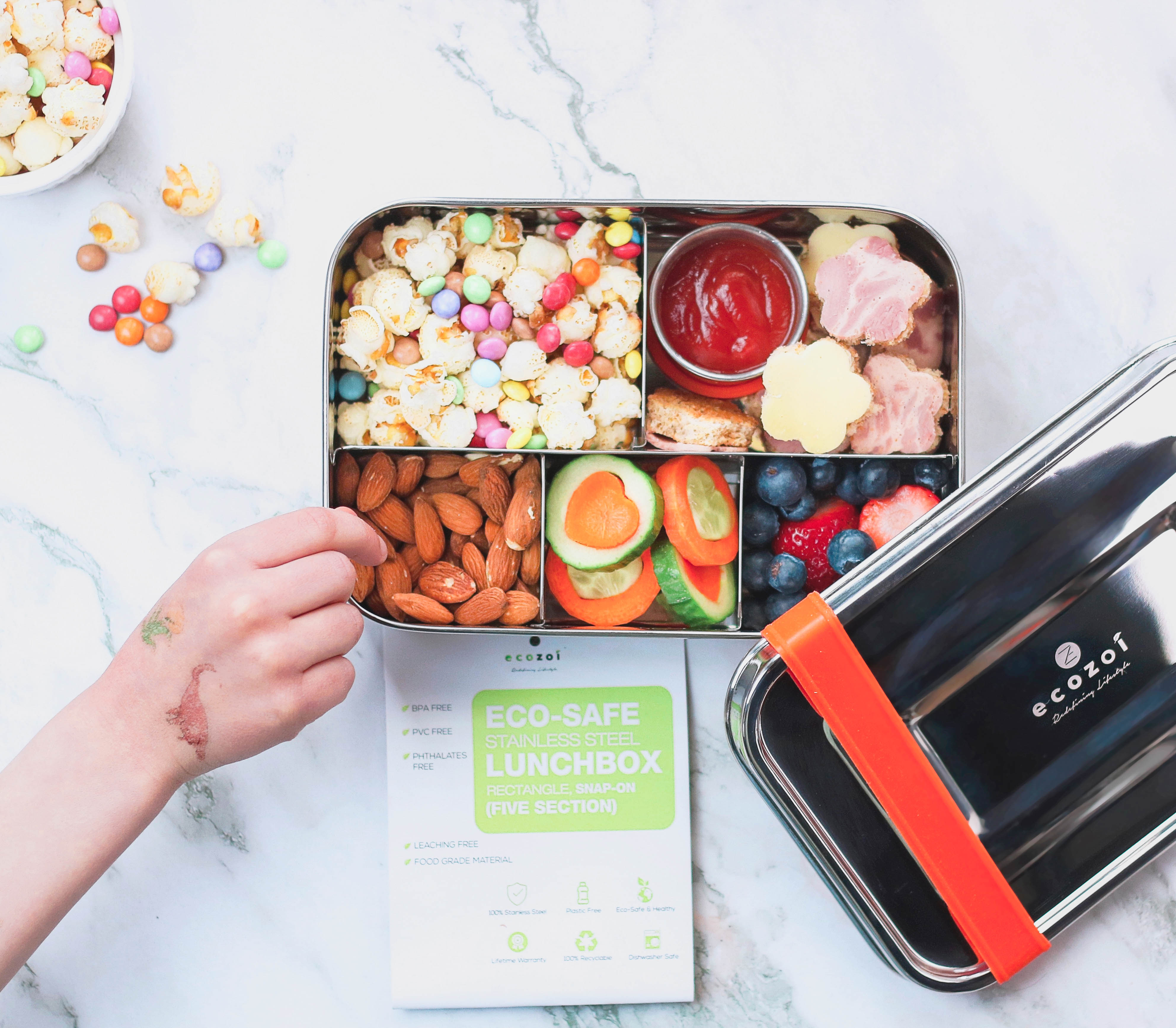
Five is the ceiling for most compartment lunch boxes, and it's built for a different way of eating. Several small portions instead of one large meal. Grazing plates, snack-style lunches, or diets built around specific, separated portions, like some diabetic or low-FODMAP meal plans.
Ecozoi's 5 compartment lunch box also holds 50 oz, spread thin across five sections. Picky eaters do well with this layout too. Nobody's cucumber touches anybody's hummus, and a kid who refuses to let broccoli near mac and cheese gets five separate zones for five separate opinions about food touching.
How To Pick The Right Layout
Skip the marketing and look at your actual plate. Count how many separate foods you eat in one sitting on a normal day, not a special one.
Two separate items point to a 2-compartment box. Main, veg, and starch point to 3. Rotate four or five small items on a regular basis, and it's worth sizing up.
Kids tend to do better with fewer, bigger compartments until they're old enough to manage a five-way tray without dumping half of it in a backpack. Adults following a portion-controlled diet often prefer more, smaller compartments, since the layout enforces the split before the food even reaches the table.
What Matters Beyond The Compartment Count
All four sizes above are 304 stainless steel lunch boxes with a silicone seal and locking clips, which is why they hold sauces and dressings without leaking sideways in a bag. They're dishwasher safe, and hold heat well, so a hot lunch stays warm past mid-morning.
They're also free of BPA and other plastic-derived toxins, which matters most for the kid sizes, since it's the box getting washed and reused every school day for a year.
What they won't do is go in the microwave. Stainless steel and microwaves don't mix, so plan to move food to a plate before reheating, or pack meals meant to be eaten cold or at room temperature.
The Real Answer
Most people overthink the compartment count and underthink how often they'll wash the box. A 5-compartment lunch box gathering dust in a cupboard, because loading it feels like a hassle, loses to a plain lunch bag you reach for every day without fail.
If you're still unsure, start with three. It fits the widest range of meals, comes in both a kid size and an adult size, and leaves room to add a 2 or 4-compartment box later, once you know your own eating pattern.
Where To Shop Compartment Lunch Boxes By Size
Ecozoi carries the 2, 3, 4, and 5-compartment layouts covered above, all in 304 stainless steel with a silicone seal and locking clips. We list each box by capacity and compartment count, letting you compare sizes side by side before deciding which layout fits your meals.
FAQs
1. What advantages does a lunch box with compartments provide?
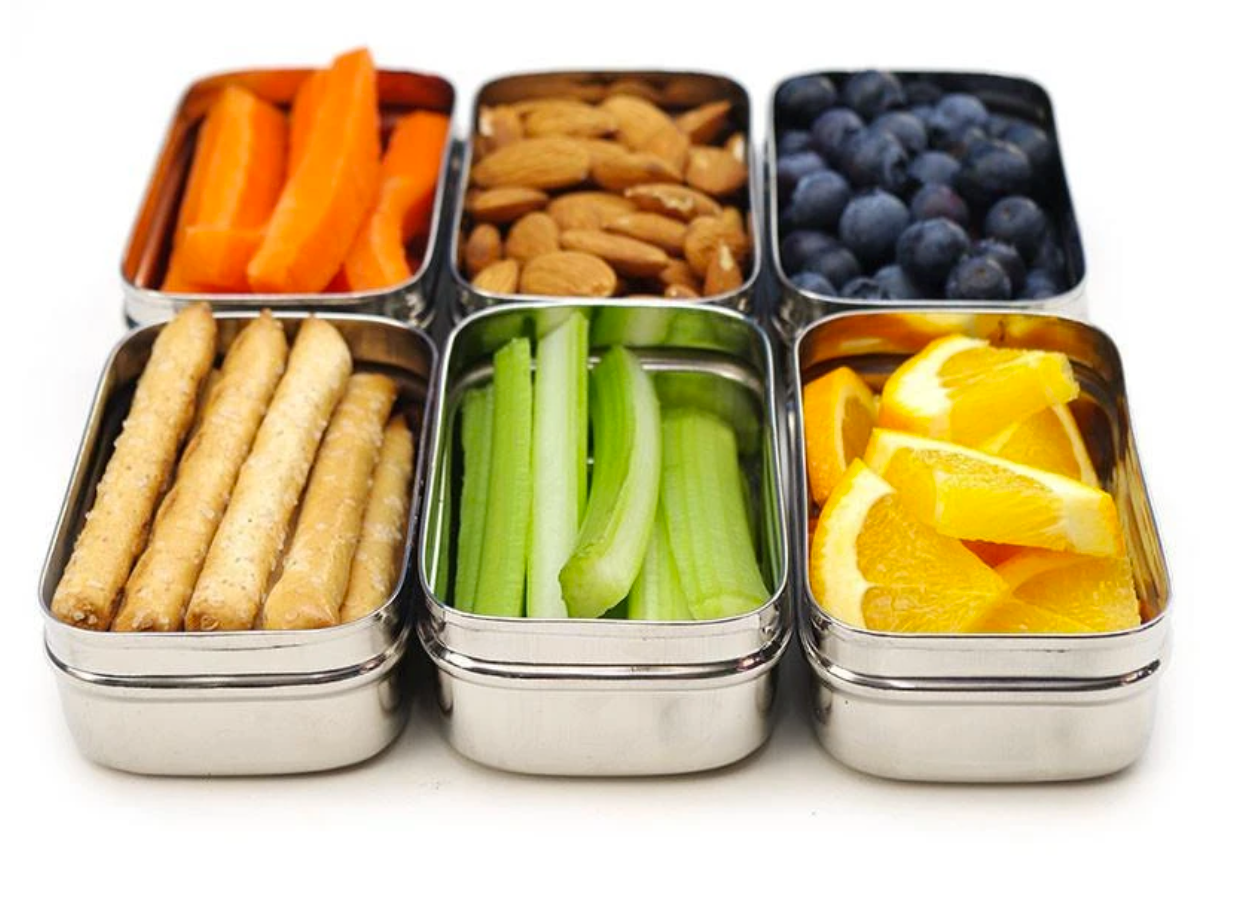
It keeps foods from bleeding into each other, so a wet curry doesn't turn your rice mushy by lunchtime. It makes portion control close to automatic, since each section already holds roughly the amount you'd want to eat. It cuts down on extra containers too, one box instead of three small tubs rubber-banded together in a bag.
2. Which layout is best for kids' lunches?
It depends on the kid's age, not only their appetite. For ages 4 to 7, a 24 oz box with 3 compartments works better than a 5-compartment one. Fewer sections mean less spilling and less frustration when a child is managing the lid alone. Older kids and teens usually handle a 50 oz box with 3 or 4 compartments without trouble, since they eat larger portions and manage more sections without help. Save 5 compartments for kids old enough to want the extra separation.
3. Can I use compartment lunch boxes for meal prepping?
Yes, and the 4 and 5-compartment versions work best for it. Batch cook on a Sunday and split it straight into the compartments, protein in one section and vegetables in another, with a carb filling whatever's left. Nothing needs re-portioning during the week. Stainless steel boxes go straight into the fridge and the dishwasher, so cleanup stays quick. One limit worth planning around: they aren't microwave safe, so either transfer food to a plate before reheating or prep meals meant to be eaten cold.
4. How do I choose the right compartment lunch box for my dietary needs?
Match the compartments to how your diet splits a meal. A simple two-part plate, protein and vegetable, fits a 2 compartment lunch box. A standard balanced plate, main, veg, and carb, fits a 3 compartment lunch box. Managing portion sizes for a specific plan, several small, separately measured servings, and a 4 or 5-compartment box does the portioning for you before you sit down to eat.
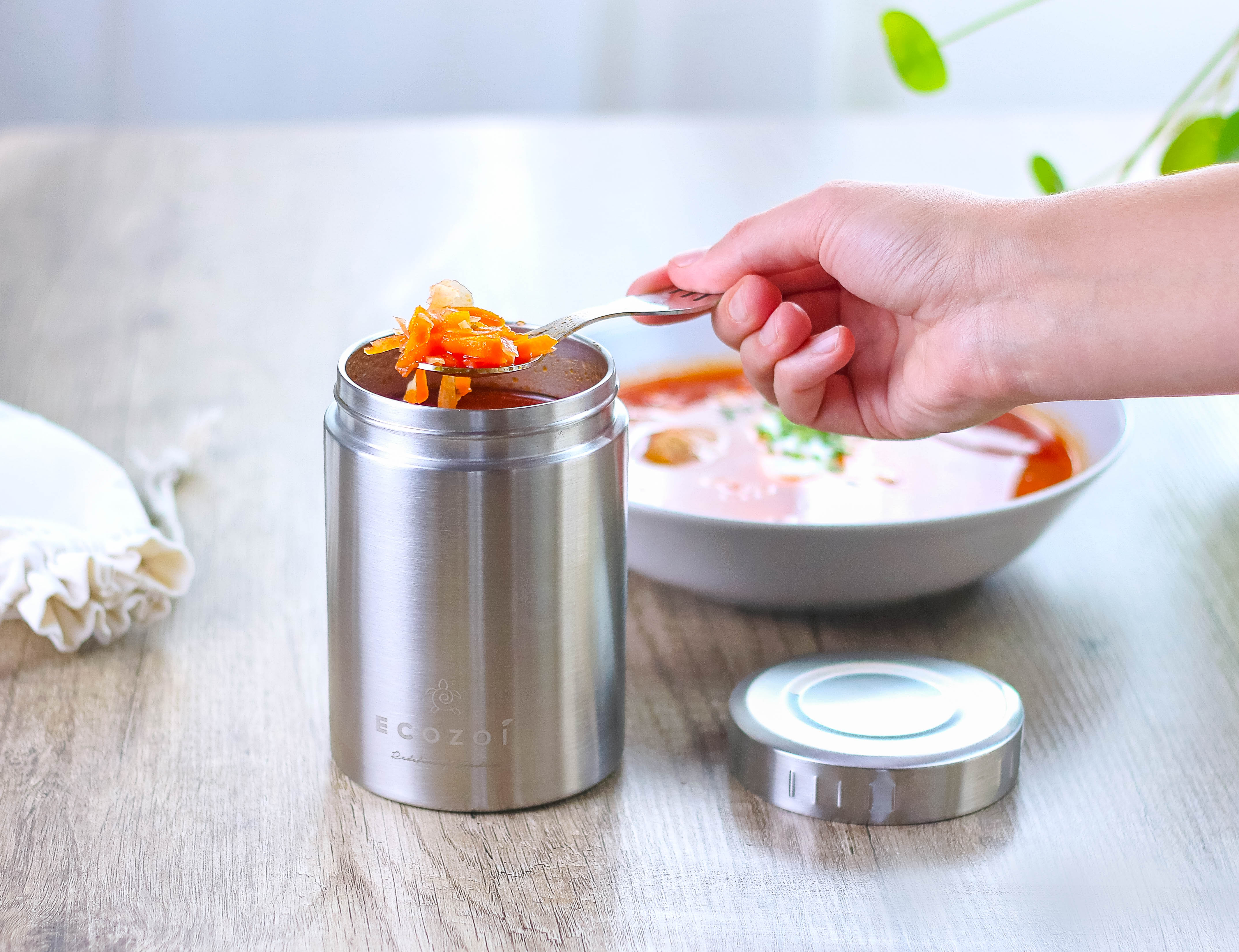
5. Can I pack liquids in compartment lunch boxes?
Thick liquids travel fine in a compartment lunch box with a silicone seal and locking clips, think dressing or curry. They're built to handle tilting and jostling in a bag. Thin, runny liquids like soup are riskier. Even a leak-proof box will weep a little if it sits on its side for hours. For soup or broth, pack a small, separate liquid-tight container inside one compartment instead of pouring it in directly.


