


































What 'Carbon-Neutral Shipping' Actually Means: A Complete Guide to Greener Delivery
In today’s fast-paced e-commerce world, online shopping offers unmatched convenience. With just a few clicks, items arrive directly at your doorstep within days—or even hours. However, behind every package delivered lies a complex logistics network involving cargo planes, freight trucks, delivery vans, and fulfillment centers. Together, these transportation channels contribute significantly to global carbon emissions.
To tackle this environmental challenge, many forward-thinking brands now offer carbon-neutral shipping at checkout. But carbon neutral: what does it mean when applied to delivering packages? Is it a genuine environmental solution or merely a clever marketing strategy?
In this comprehensive guide, we will break down the carbon neutrality definition, explain how green delivery works behind the scenes, explore the critical role of carbon-neutral packaging, and detail what companies must do to ensure their environmental claims are legitimate and impactful.
Understanding Carbon Neutrality: Definitions and Core Concepts
Before examining shipping logistics specifically, it is essential to establish a clear carbon neutrality definition.
At its core, achieving carbon neutrality means balancing the total amount of greenhouse gases (GHG)—primarily carbon dioxide (CO2)—emitted into the atmosphere with an equivalent amount removed or offset.
Net Carbon Footprint = Total Carbon Emissions Generated − Carbon Emissions Offset or Removed
When a process achieves a balance of zero net emissions, it reaches net-zero status.
What Does It Mean to Be Carbon Neutral?
Understanding what does it mean to be carbon neutral requires looking at the total lifecycle of an activity. When a company or individual operates in a carbon-neutral manner, they calculate their total greenhouse gas emissions across three primary categories:
● Scope 1 (Direct Emissions): Fuel burned by company-owned delivery trucks, facilities, and machinery.
● Scope 2 (Indirect Emissions): Electricity and heating consumed to power fulfillment warehouses and headquarters.
● Scope 3 (Supply Chain Emissions): Emissions from third-party logistics partners, raw material extraction, packaging manufacturing, and last-mile postal services.
When discussing the 100 carbon neutral meaning, it signifies that 100% of the emissions generated across these calculated operational boundaries have been measured, reduced where possible, and completely offset through recognized environmental investments.
What is Carbon-Neutral Shipping and How Does It Work?
So, what is carbon neutral shipping, and how does a package travel from a seller to your doorstep without leaving a net environmental mark?
Shipping carbon-neutral means that the carbon footprint generated by transporting a product from the warehouse to the end consumer is calculated and neutralized. A standard carbon neutral shipment goes through a four-step cycle:
- Measurement: Advanced logistics software calculates the precise distance, vehicle fuel efficiency, package weight, and transportation modes (air, rail, road, or sea) used to move the shipment.
- Efficiency Optimization: Logistics managers optimize delivery routes, consolidate freight, and utilize fuel-efficient or electric delivery vehicles to reduce direct emissions as much as possible.
- Offset Calculation: The remaining, unavoidable greenhouse gas emissions for that parcel are converted into carbon dioxide equivalent metric tons (MTCO2e).
- Offset Investment: The retailer or shipping carrier purchases verified carbon offset credits equal to those remaining emissions, funding clean energy, reforestation, or atmospheric carbon removal projects.
The Role of Carbon Offsets in Greener Logistics
Because modern freight transport still relies heavily on fossil fuels, completely eliminating emissions across long-distance freight is currently impossible. This is where high-quality carbon offsets bridge the gap.
How Carbon Offsets Work
A carbon offset credit represents the certified removal or prevention of one metric ton of CO2 from the atmosphere. When companies invest in certified carbon projects, their funds directly support global initiatives such as:
● Reforestation & Afforestation: Planting native trees that absorb carbon dioxide naturally as they mature.
● Renewable Energy Infrastructure: Financing wind, solar, and hydro-energy grids to displace fossil-fuel power plants.
● Methane Capture: Capturing harmful landfill or agricultural gases and converting them into clean energy.
At Ecozoi, our commitment to the planet extends beyond everyday plastic-free living. By collaborating with verified global organizations such as Eden Reforestation, rePurpose Global, and U Capture, we help fund forest restoration and environmental cleanup projects that protect sensitive ecosystems while helping lower overall atmospheric carbon. You can explore more about our core sustainability values on the Ecozoi plastic-free family mission page.
Carbon-Neutral Packaging: Reducing Weight and Waste at the Source
While offsetting carbon emissions is crucial, genuine sustainability requires reducing waste before a package ever enters a delivery truck. This is where carbon-neutral packaging plays a central role.
The physical weight and volume of a parcel directly influence the fuel required to ship it. Oversized corrugated boxes filled with plastic air pillows create inflated dimensional weight, leading to fewer packages fitting inside each delivery truck—thereby increasing truck trips and fuel consumption.
How Eco-Friendly Packaging Cuts Delivery Emissions
- Dimensional Weight Optimization: Designing right-sized boxes eliminates excess empty space, enabling carriers to fit more orders into a single delivery trip.
- Zero Single-Use Plastics: Substituting petroleum-based plastic wrap and bubble wrap with 100% recyclable Kraft paper or compostable materials reduces manufacturing emissions.
- Reusable & Multi-Use Solutions: Transitioning to durable, long-lasting alternatives reduces the ongoing demand for disposable packaging materials.
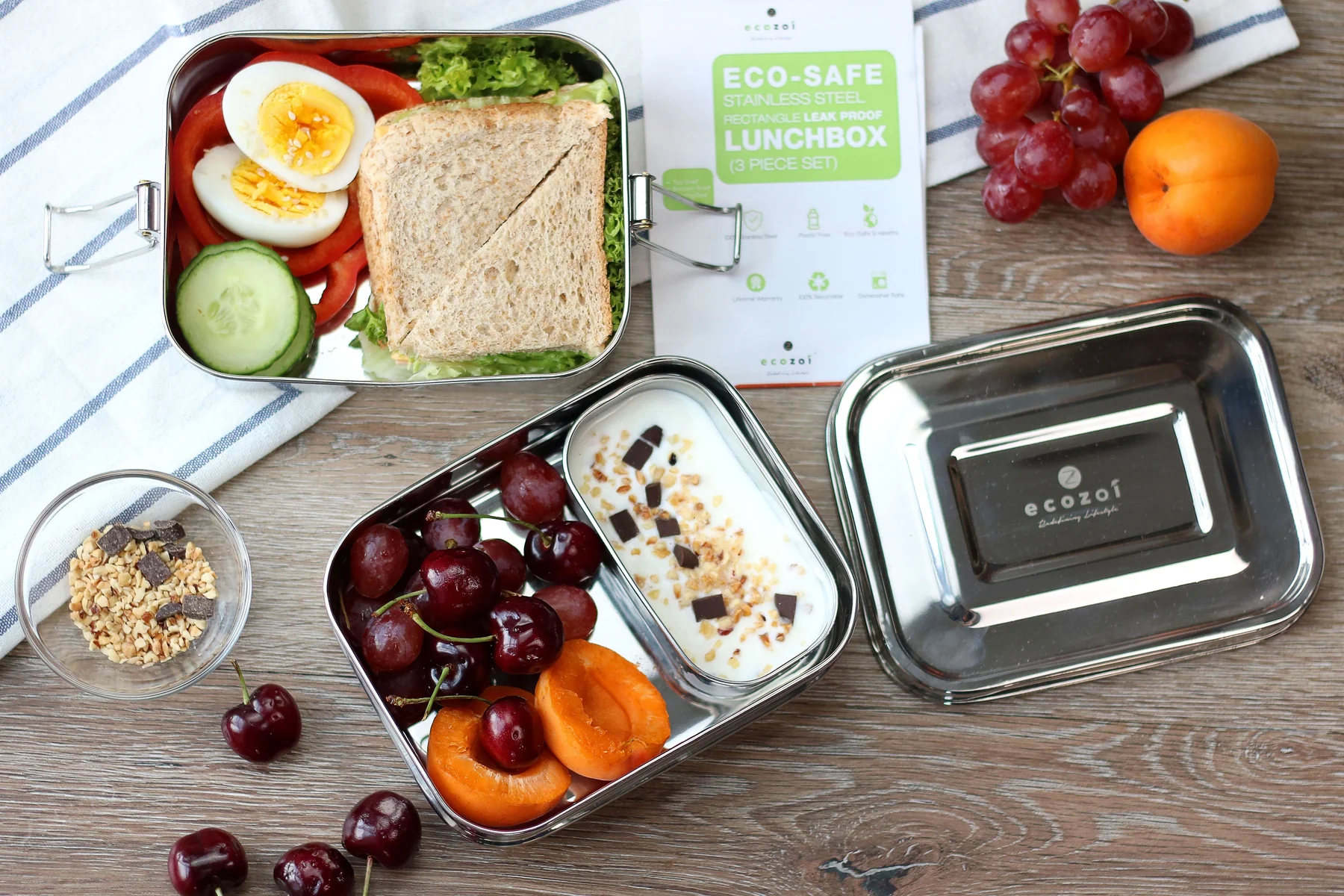
For example, choosing durable, long-lasting kitchen and home essentials—such as Ecozoi's leak-proof stainless steel bento boxes or reusable bamboo kitchen paper towels significantly decreases single-use waste at home while ensuring products are shipped using minimal, plastic-free packaging.
What Companies Should Check Before Claiming Greener Delivery
As consumer demand for eco-conscious choices increases, companies must ensure their environmental statements are grounded in facts. False or exaggerated claims—often referred to as "greenwashing"—undermine consumer trust and hinder real progress.
Before any business claims to offer a carbon neutral delivery, it should evaluate its practices against this 5-point checklist:
1. Comprehensive Supply Chain Accounting
Does the carbon calculation account for the full journey? True accounting covers first-mile transit, warehouse storage, packaging materials, and last-mile delivery.
2. Verified High-Quality Offset Credits
Are the offset projects independently audited by recognized carbon standards like Gold Standard, Verra (VCS), or Climate Action Reserve? Low-quality offset programs often lack permanence or additionality.
3. Source Reduction Prioritization
Is the company actively reducing physical waste before purchasing offsets? Offsetting should complement not replace emission reduction strategies like lightweight packaging and route optimization.
4. Third-Party Auditing and Transparency
Are emissions data and sustainability metrics publicly accessible? Transparent brands share their environmental impact reports openly with consumers.
5. Transitioning to Plastic-Free Fulfillment
Is the packaging truly recyclable or compostable? Sustainable brands replace synthetic tape, plastic mailers, and styrofoam peanuts with renewable alternatives, such as plant-based cleaning supplies and plastic-free packaging.
Ecozoi’s Commitment to Sustainable Logistics
At Ecozoi, reducing environmental impact is deeply rooted in our brand story. From day one, our mission has been clear: help families transition to plastic-free living through safe, durable, and thoughtfully designed home goods.
We realize that creating eco-friendly products like stainless steel lunchware, ice pops, and kitchen tools is only half the equation—how those products reach your home matters just as much.
● 100% Plastic-Free Packaging: We ship our products using unbleached, recyclable cardboard boxes and paper-based tape, eliminating single-use plastics from fulfillment.
● Compact, Space-Efficient Designs: By optimizing our packaging size and weight, we reduce transit bulk and fuel consumption per delivery.
● Giving Back to the Earth: Through our green partners, Ecozoi has helped plant over 370,000 trees and funded hundreds of thousands of dollars in eco-projects to restore ecosystems and offset environmental impact.
To learn more about sustainable living tips, eco-friendly recipes, and zero-waste guides, explore our Ecozoi eco-friendly blog.
FAQs
1. What is carbon neutral shipping?
Carbon neutral shipping is a delivery method where the greenhouse gas emissions created during transit—from warehouse handling to last-mile transportation—are calculated, reduced through logistics efficiencies, and fully offset by funding verified environmental projects like reforestation or clean energy.
2. What is carbon neutral?
Carbon neutral describes any process, product, business, or service whose net carbon dioxide emissions equal zero. This balance is achieved by measuring total emissions, reducing direct emissions where possible, and absorbing or offsetting any remaining carbon emissions.
3. What does it mean to be carbon neutral?
Being carbon neutral means an individual or organization actively measures their total carbon footprint and ensures that an equal amount of carbon dioxide is removed from the atmosphere or prevented from entering it, resulting in a net-zero impact on global warming.
4. What does shipping carbon-neutral mean?
Shipping carbon-neutral means that every parcel delivered has its transportation carbon footprint neutralized. The seller or carrier calculates the fuel and energy used for that specific delivery and purchases certified carbon credits to balance out those exact emissions.
5. How do companies achieve carbon neutral shipping with reusable packaging?
Companies achieve carbon-neutral shipping with reusable packaging by replacing single-use boxes and plastic mailers with durable, returnable containers or lightweight compostable materials. Reusable packaging eliminates recurring manufacturing emissions, lowers package weight, optimizes transit space, and drastically cuts down overall landfill waste over multiple delivery cycles.
Conclusion: Making Every Delivery Count
Understanding what 'carbon-neutral shipping' actually means empowers consumers to make informed choices that benefit the environment. While carbon-neutral delivery isn't a magic wand that instantly eliminates transit emissions, it represents a meaningful step toward responsible e-commerce when combined with waste reduction, optimized packaging, and certified offset programs.
By supporting brands that prioritize plastic-free packaging, durable materials, and verified environmental restoration, you help build a cleaner, greener future one delivery at a time.


