







202 vs 304 Stainless Steel: Which One is Best for Kitchenware?
When shopping for kitchen essentials, stainless steel is often the go-to choice. But not all stainless steel is the same. One of the most common comparisons is 202 stainless steel vs 304 stainless steel—and choosing the wrong one can affect durability, safety, and long-term value.
If you’ve ever wondered why some steel utensils are cheaper while others last for years, this guide breaks it down simply. Let’s explore the differences in composition, price, and performance so you can make the smartest choice for your kitchen.
What is Stainless Steel 202?
Stainless Steel 202 is a lower-cost alternative to premium stainless steel grades. It contains:
-
Lower nickel content
-
Higher manganese content
-
Moderate corrosion resistance
Key Features of SS 202
-
Affordable and budget-friendly
-
Decent strength for basic use
-
Less resistant to rust compared to 304
-
Suitable for dry environments
Because of its lower nickel content, SS 202 vs SS 304 price shows a clear gap—202 is significantly cheaper.
What is Stainless Steel 304?
Stainless Steel 304 is considered the gold standard for kitchenware. It contains:
-
Higher nickel content (8–10.5%)
-
Chromium for corrosion resistance
-
Excellent durability
Key Features of SS 304
-
Highly resistant to rust and corrosion
-
Food-safe and non-reactive
-
Long-lasting and durable
-
Maintains shine over time
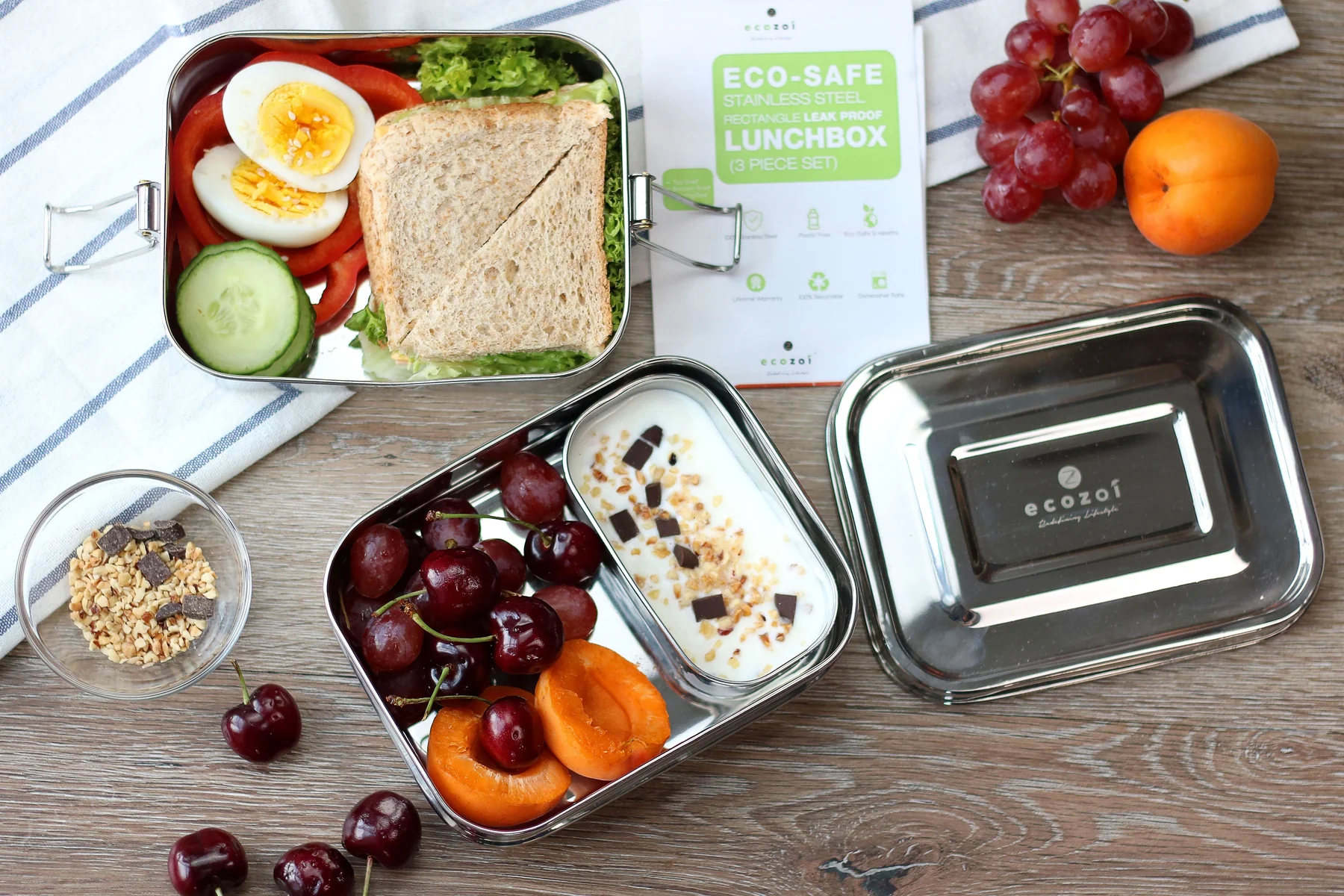
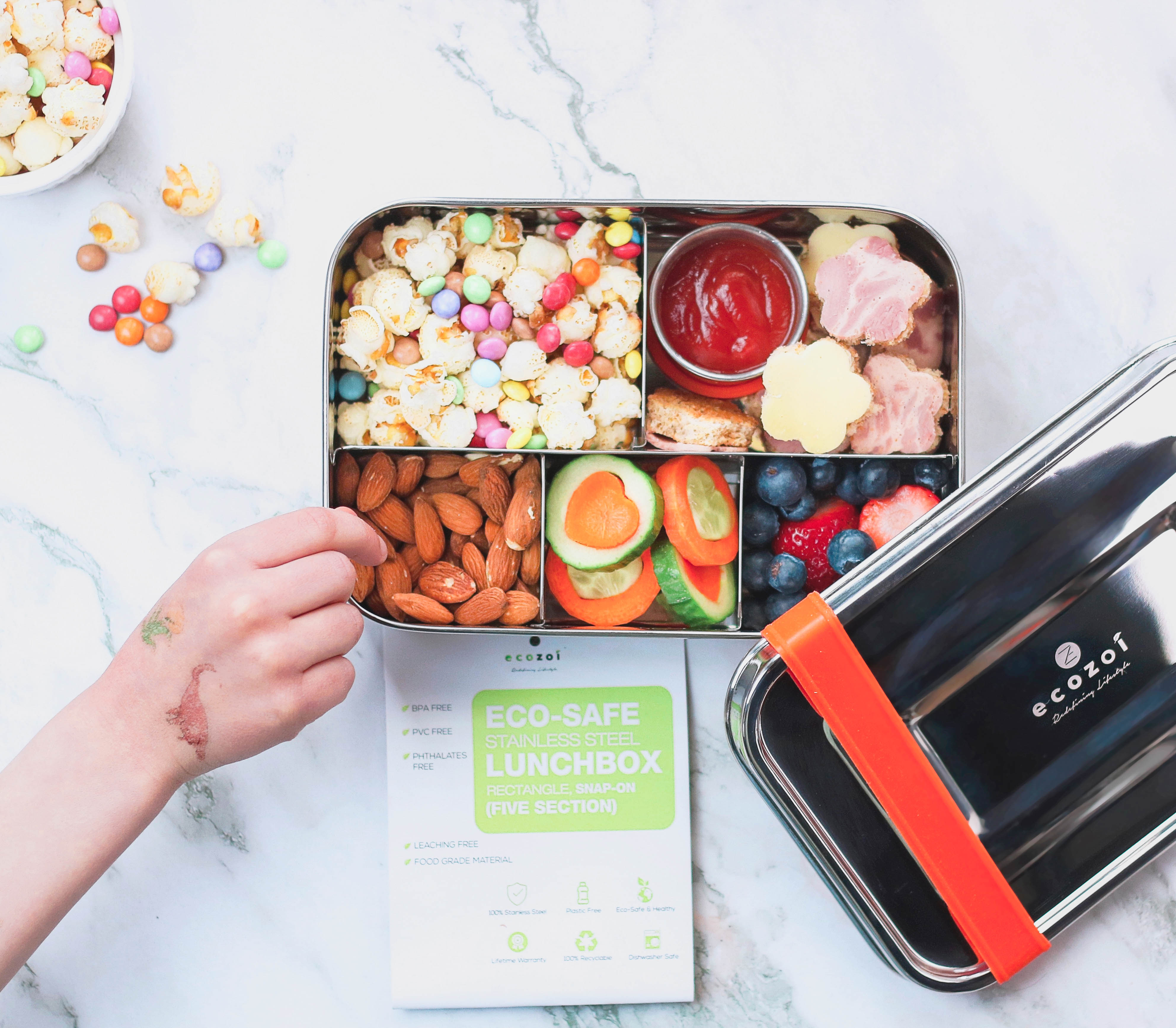
This is why most premium brands (including Ecozoi) prefer 304-grade steel for food-related products.
202 Stainless Steel vs 304: Key Differences
| Property | Grade 202 | Grade 304 |
| Composition | Cr, Mn, Ni, N | Ni, Cr, Fe |
| Manganese (%) | 7.5% – 10.0% | 2.0% Max |
| Mechanical Properties | Moderate | High |
| Tensile Strength | 515 MPa | 515 – 720 MPa |
| Yield Strength | 275 MPa | 205 – 310 MPa |
| Hardness | 217 (Brinell) | 201 (Brinell) |
| Corrosion Resistance | Moderate; susceptible to pitting in harsh environments. | High; excellent resistance to oxidation and corrosion. |
| Cost | Low (Economic) | Relative (Higher due to Nickel content) |
| Application | Indoor sinks, automotive trim, and general kitchenware. | Industrial equipment, chemical containers, and food processing. |
1. Composition & Properties
-
202 stainless steel properties include higher manganese and lower nickel
-
304 stainless steel contains more nickel, making it more corrosion-resistant
Result: 304 performs better in wet and humid kitchen conditions.
2. Corrosion Resistance
-
202 can develop rust over time, especially with water exposure
-
304 resists rust even with regular washing
If you live in humid regions (like coastal or tropical areas), 304 is the better choice.
3. Strength & Durability
-
202 is strong but less durable long-term
-
304 is tougher and more resilient
For daily-use kitchenware like lunchboxes, cutlery, or containers—304 wins.
4. Appearance & Shine
-
202 may lose shine over time
-
304 maintains a polished, premium finish
If aesthetics matter, 304 is superior.
5. Price Comparison
One of the biggest deciding factors:
-
304 vs 202 cost: 304 is more expensive
-
Stainless steel 202 vs 304 price: 202 is cheaper due to lower nickel
But remember: cheaper upfront doesn’t always mean cost-effective long-term.
SS 202 vs SS 304 Price Difference
Here’s a quick breakdown:
| Factor | SS 202 | SS 304 |
|---|---|---|
| Initial Cost | Low | High |
| Maintenance | Higher (rust risk) | Low |
| Lifespan | Shorter | Longer |
| Value Over Time | Lower | Higher |
Conclusion: SS 304 offers better long-term value despite higher initial cost.
Which Stainless Steel is Better for Kitchenware?
Choose SS 202 if:
-
You are on a tight budget
-
You need temporary or occasional-use items
-
The product won’t be exposed to water frequently
Choose SS 304 if:
-
You want long-lasting kitchenware
-
You prioritize food safety
-
You want rust-free, low-maintenance products
For most households, 304 stainless steel is the better choice.
Why Ecozoi Uses 304 Stainless Steel
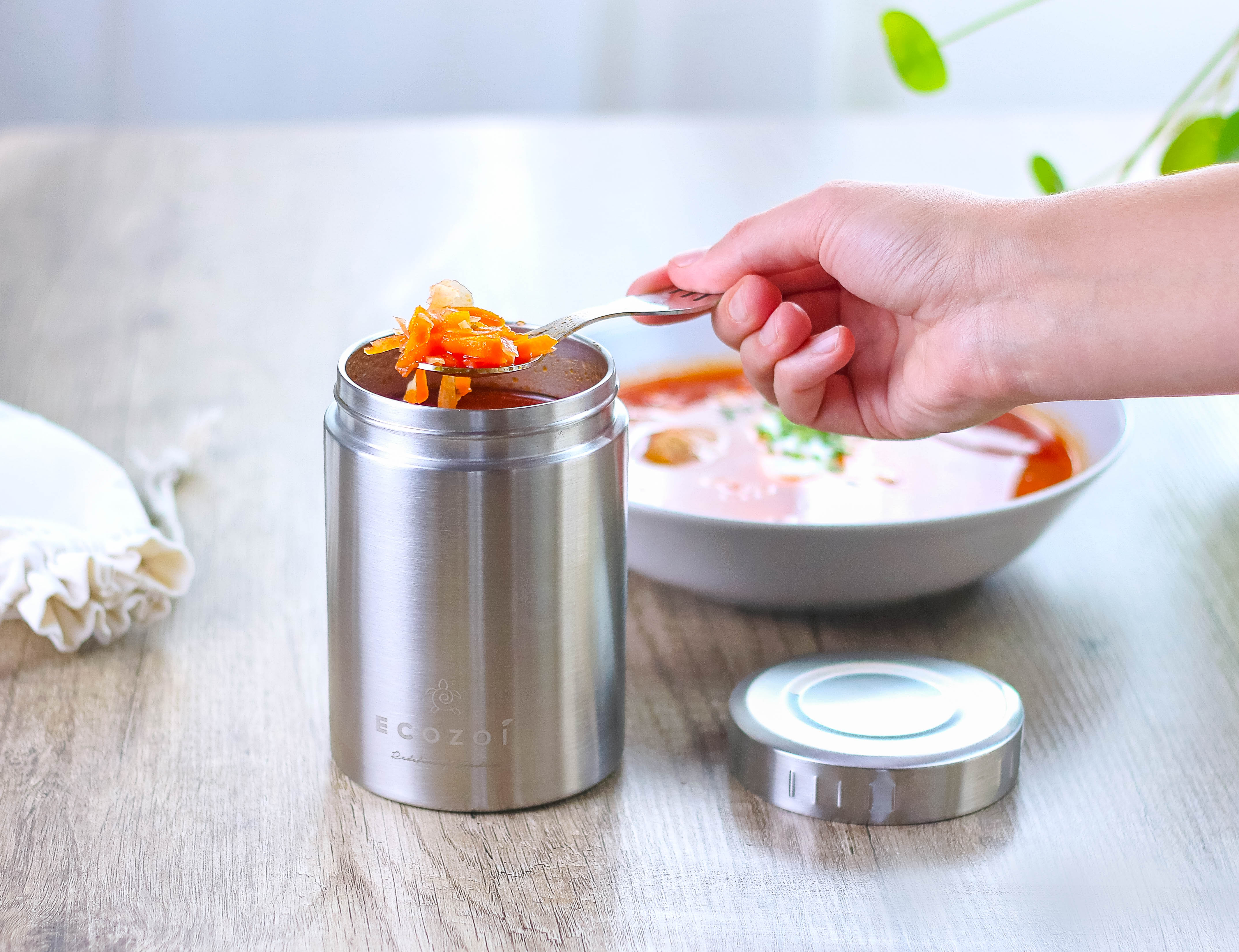
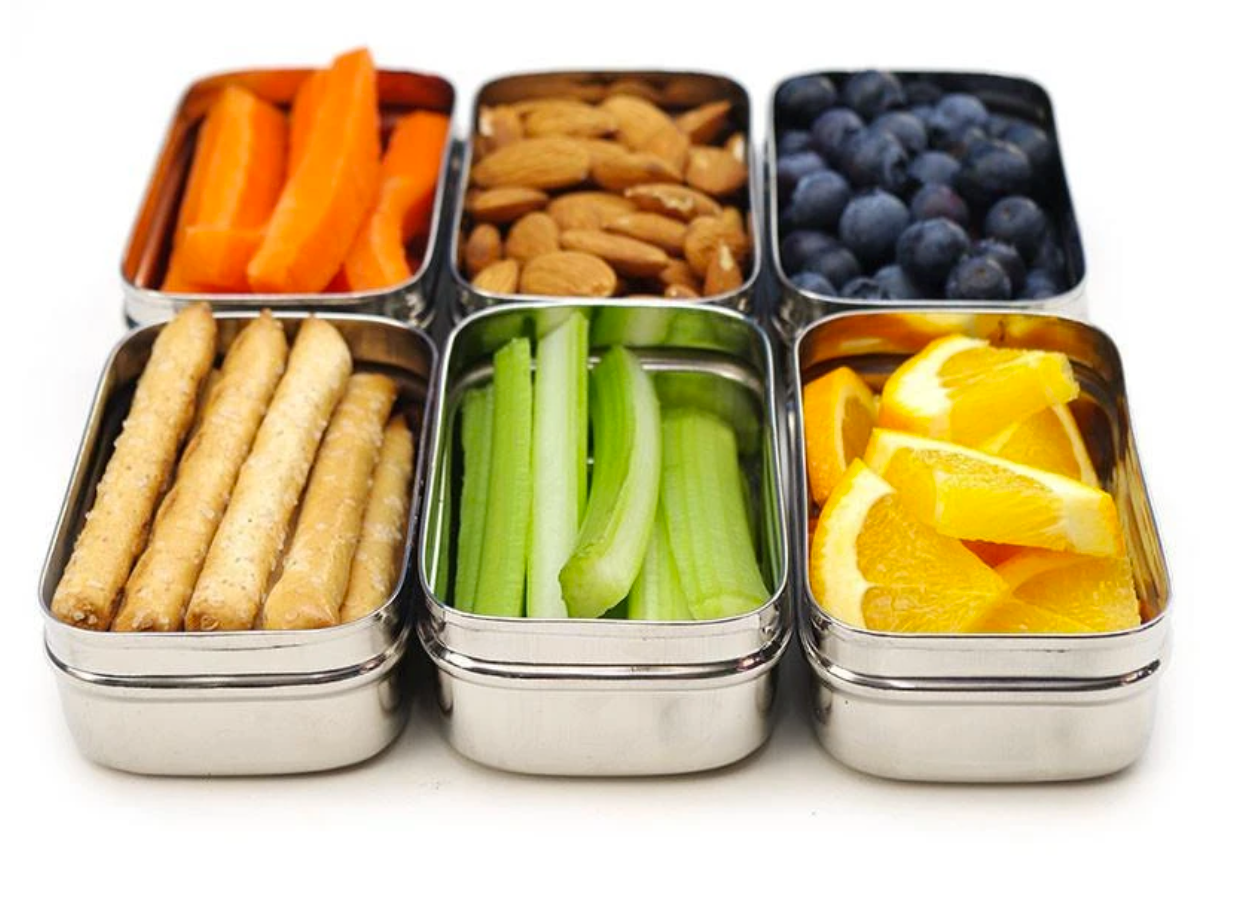
Ecozoi focuses on sustainability, safety, and durability. That’s why most Ecozoi kitchen products are made from high-quality 304 stainless steel.

Benefits of Choosing Ecozoi Products:
-
100% food-safe materials
-
Plastic-free and eco-friendly
-
Long-lasting and reusable
-
Easy to clean and maintain
Explore Ecozoi’s collection of stainless steel kitchenware for a healthier and greener lifestyle.
Care Tips for Stainless Steel Kitchenware
Whether you choose 202 or 304, proper care increases lifespan:
-
Always dry after washing
-
Avoid harsh scrubbers
-
Use mild detergent
-
Store in a dry place
These simple steps help maintain shine and prevent damage.
FAQs
1. Which is better, stainless steel 202 or 304?
304 stainless steel is better for kitchenware due to its higher corrosion resistance, durability, and food safety.
2. What is the price of steel 202 vs 304?
202 stainless steel is cheaper, while 304 is more expensive due to higher nickel content and better quality.
3. Why is 304 more expensive than 202?
304 contains more nickel, which improves durability, rust resistance, and overall performance—making it more costly.
4. Which one should I choose?
Choose 304 for daily kitchen use and long-term value. Choose 202 only for budget or temporary needs.
5. How are stainless steel 304 and stainless steel 202 different?
They differ mainly in composition, corrosion resistance, durability, and price. 304 is superior in almost every category.
Conclusion
When comparing stainless steel 304 vs 202, the decision ultimately comes down to budget vs long-term value.
-
SS 202: Affordable but less durable
-
SS 304: Premium, long-lasting, and food-safe
If you’re investing in kitchenware that lasts for years, saves money over time, and keeps your food safe—304 stainless steel is the clear winner.
We Want to Hear From You!
Let us know how Ecozoi’s products have helped you with your eco-friendly lifestyle! Please take a moment to fill out our Ecozoi Customer Survey. Your feedback helps us grow and improve!


