






Best Cutting Board Material for Eco-Conscious Homes
Creating a sustainable, zero-waste kitchen is a journey that goes far beyond the food you buy or the containers you use for storage. The very surfaces you use to prepare your meals play a massive role in both the health of your family and the health of the planet. When chopping daily vegetables, slicing bread, or mincing garlic, the friction of your knife constantly interacts with the board beneath it.
If you are using synthetic materials, this simple daily task can introduce unwanted elements into your diet. That is why finding the best cutting board material is an essential step for any eco-conscious home. By choosing safe cutting boards made from renewable, natural resources, you ensure that your food remains pure while keeping harmful synthetics out of the landfill. Let's compare the top contenders—bamboo, natural wood, and recycled options—to help you pick a green choice for your kitchen today.
The Hidden Dangers: What Material is Not Recommended?
Before we look at the best options, we must address the worst offender in the modern kitchen: the plastic cutting board. For decades, plastic was touted as the most hygienic choice because it could be easily sanitized in a dishwasher. However, modern science has revealed a different reality.
When you drag a sharp chef's knife across a plastic surface, you create microscopic grooves. Not only do these deep grooves become breeding grounds for bacteria that are incredibly difficult to clean out, but the action of the knife also shaves off tiny fragments of the board itself. This means that plastic boards routinely release microplastics directly into the food you are preparing.
For anyone searching for a non toxic cutting board, avoiding traditional plastic is the foundational first step. Upgrading to natural materials eliminates the risk of microplastic consumption and ensures a much safer meal-prep environment.

Comparing the Best Eco-Friendly Cutting Boards
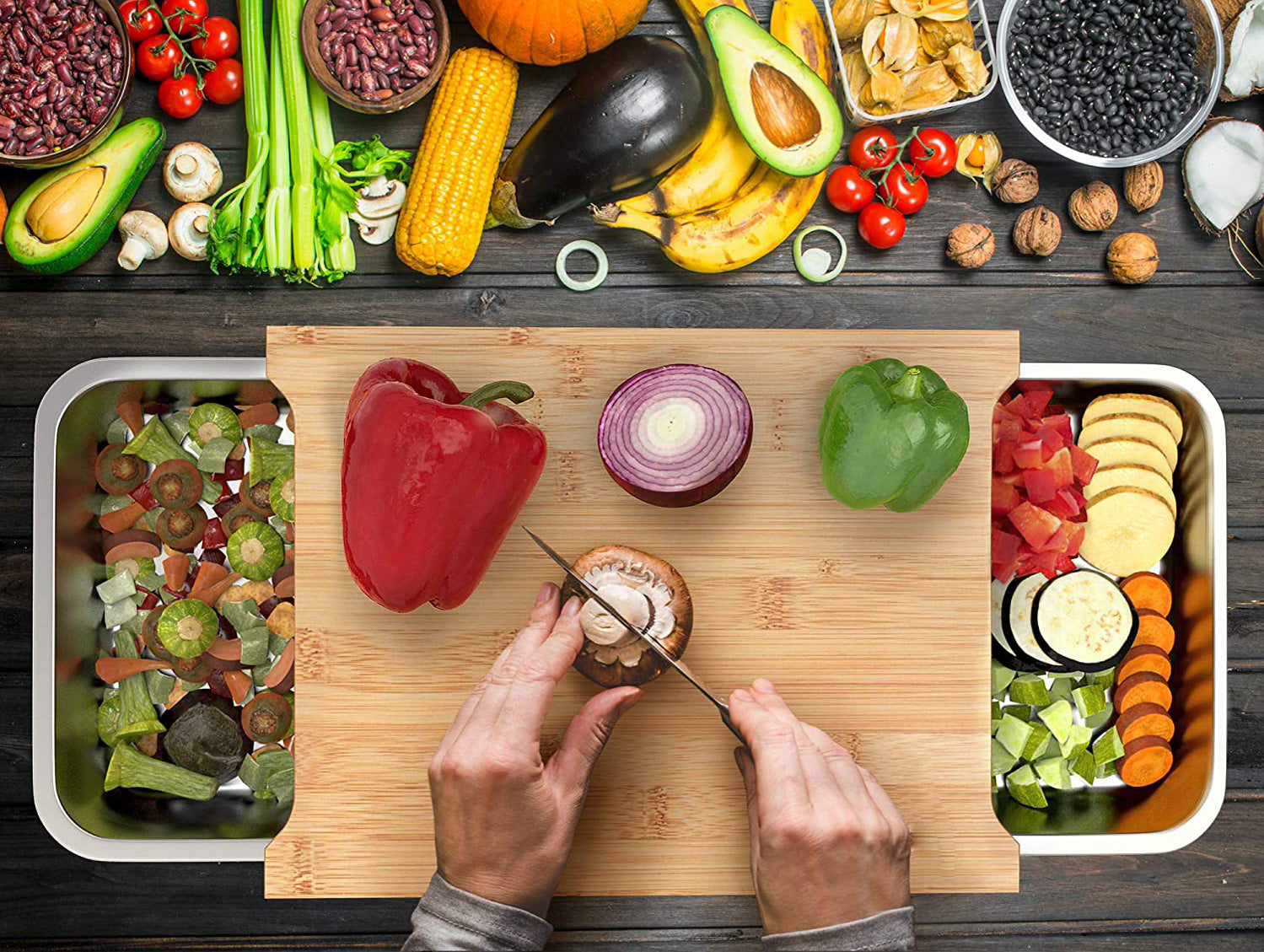
When you want the healthiest cutting boards available, nature provides the best solutions. Here is a breakdown of the top eco-friendly materials dominating sustainable kitchens today.
1. Natural Hardwood (Maple, Walnut, Cherry)
Solid hardwood is widely considered the safest cutting board material by professional chefs and sustainability advocates alike. Hardwoods are incredibly durable and boast a "self-healing" property, meaning the wood fibers naturally close back up after being struck by a knife blade.
-
Eco-Friendliness: Excellent, especially if sourced from sustainably managed forests (look for FSC certification). When its lifespan is over, it is 100% biodegradable.
-
Hygiene: Wood is naturally antimicrobial. Studies show that bacteria like salmonella trapped in the pores of the wood actually die off quickly, rather than multiplying as they do in plastic grooves.
-
Durability: With proper oiling and maintenance, a high-quality hardwood board can easily last for decades, drastically reducing waste.
2. Bamboo
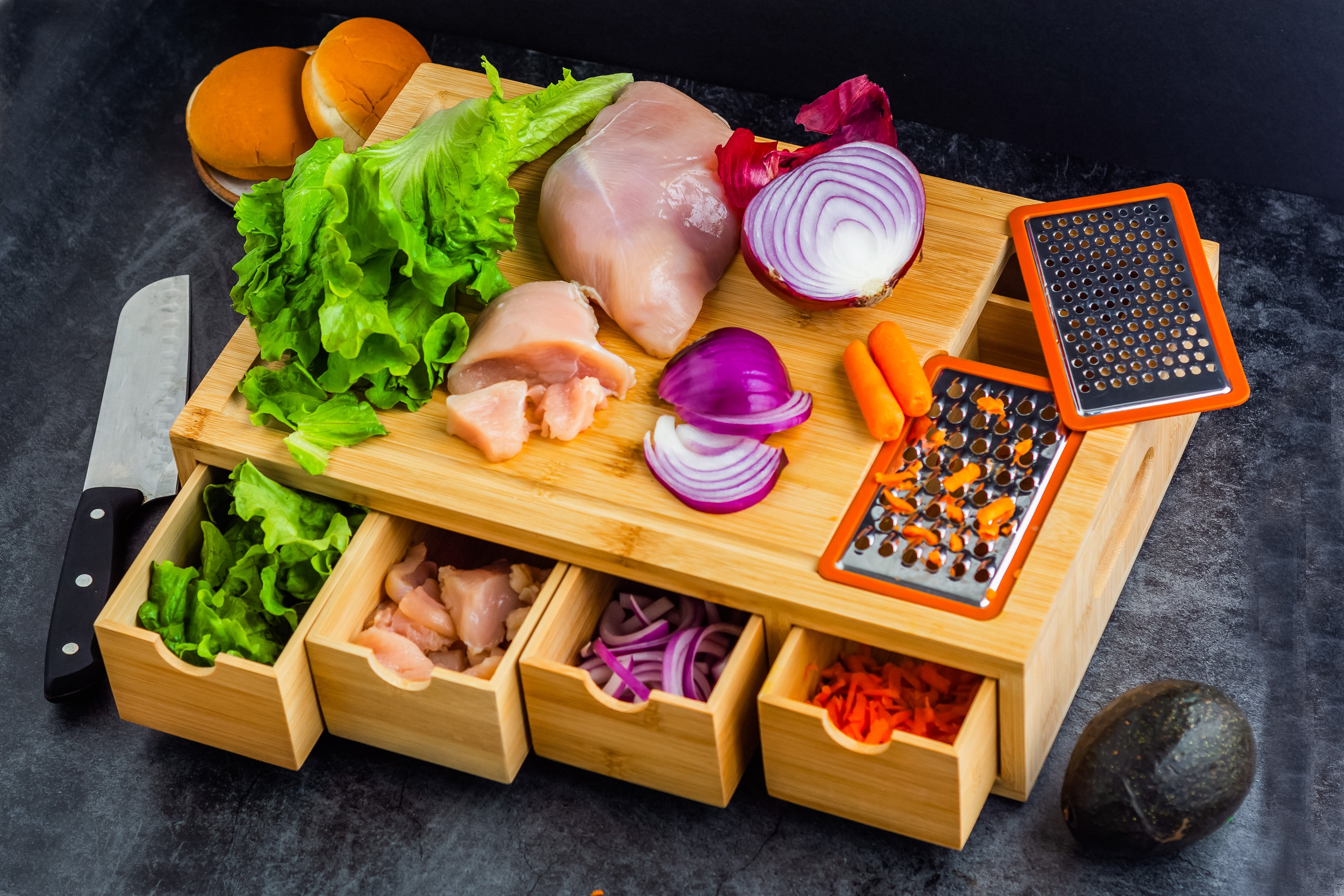
Bamboo is technically a grass, not a wood, but it performs brilliantly as a cutting surface. It is rapidly becoming the go-to choice for non toxic cutting boards due to its incredible growth rate and minimal environmental impact.
-
Eco-Friendliness: Exceptional. Bamboo grows incredibly fast and requires no pesticides or synthetic fertilizers, making it one of the most renewable resources on the planet.
-
Hygiene: Like hardwood, bamboo is dense and naturally resists water absorption and bacterial buildup.
-
Durability: It is harder than most woods, meaning it resists deep knife scarring beautifully. However, this extreme hardness means it can dull your kitchen knives slightly faster than traditional wood.
3. Recycled Wood Fiber / Composite
If you want the convenience of a lightweight, dishwasher-safe board without the environmental guilt of virgin plastic, recycled wood fiber boards are an innovative solution. These are made from compressed paper and wood fibers bonded with food-safe resin.
-
Eco-Friendliness: Great. They repurpose waste materials that would otherwise be discarded, giving them a functional second life.
-
Hygiene: Because they are baked and compressed at extreme pressures, they are non-porous and harbor zero bacteria.
-
Durability: Highly durable, heat-resistant, and won't warp in the dishwasher.
|
Material |
Microplastic Risk |
Knife Friendliness |
Maintenance Required |
Best For |
|
Solid Hardwood |
Zero |
Excellent |
High (Requires regular oiling) |
Serious home chefs, heirloom quality |
|
Bamboo |
Zero |
Moderate |
Medium (Occasional oiling) |
Budget-conscious, ultra-green homes |
|
Recycled Fiber |
Zero |
Good |
Low (Dishwasher safe) |
Busy households needing quick cleanup |
Integrating Safe Prep into a Zero-Waste Kitchen
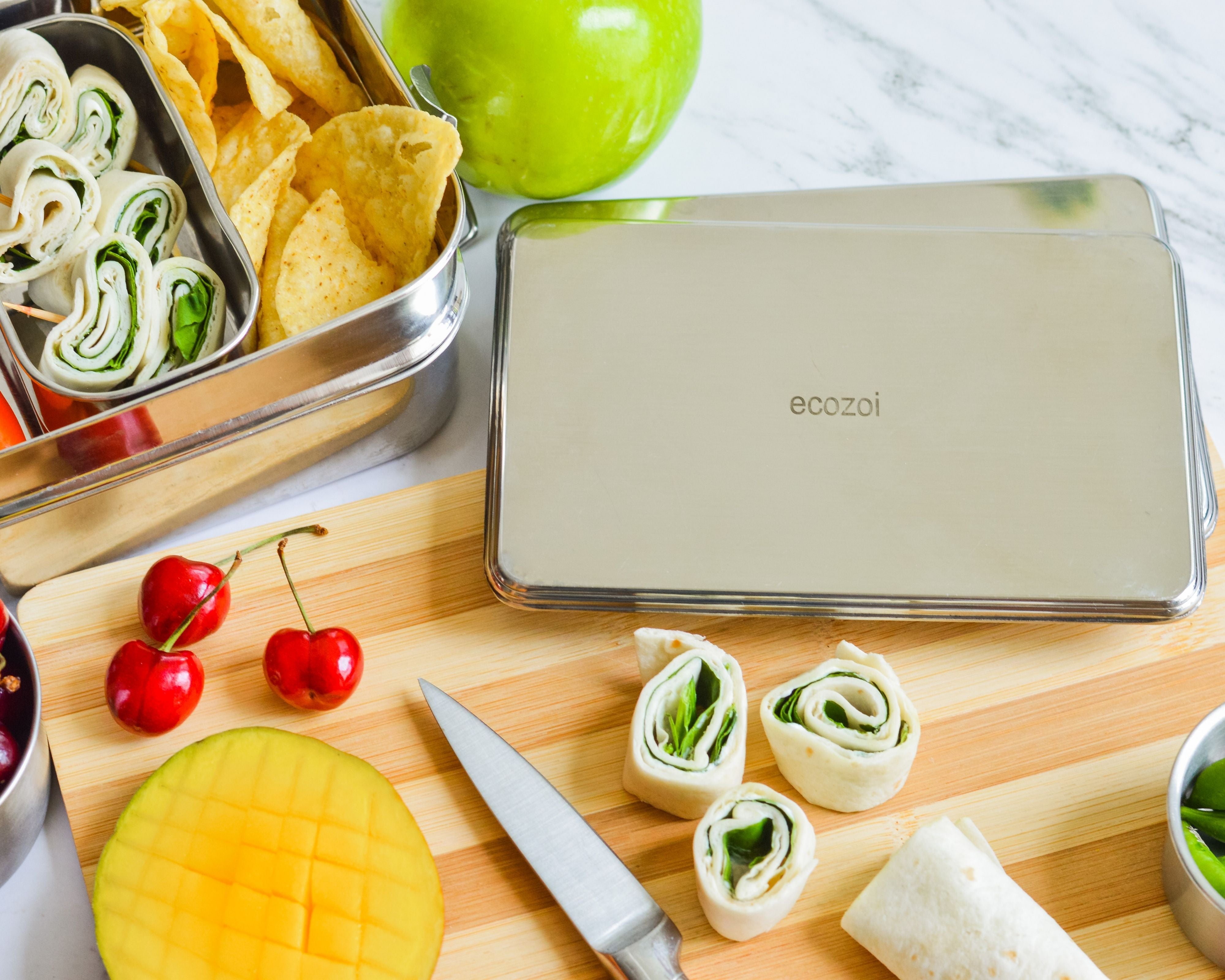
Adopting a zero-waste lifestyle starts with small, daily choices. Once you have chopped your vibrant, organic produce on the safest cutting boards, you need equally safe ways to cook and store those ingredients.
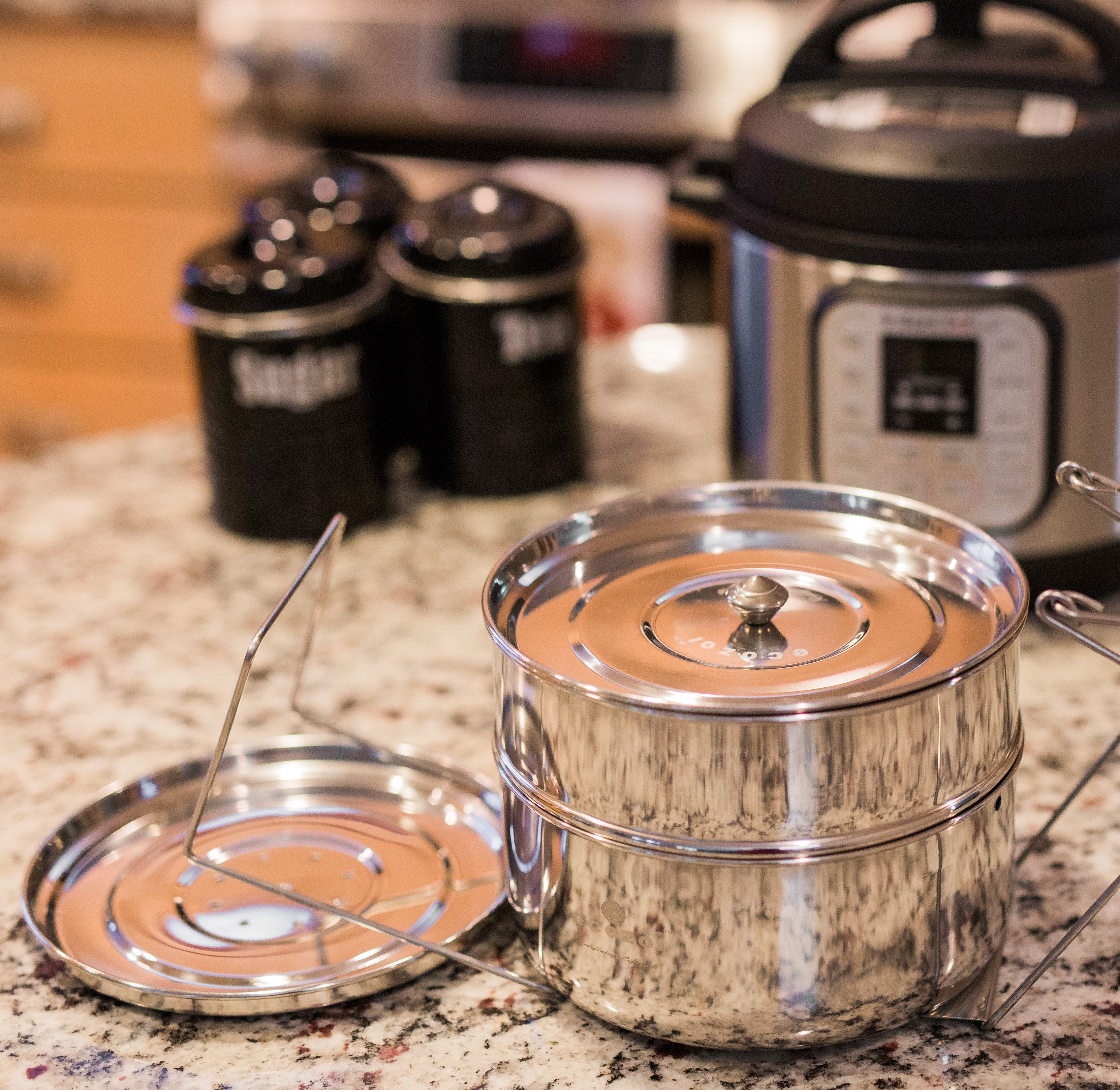
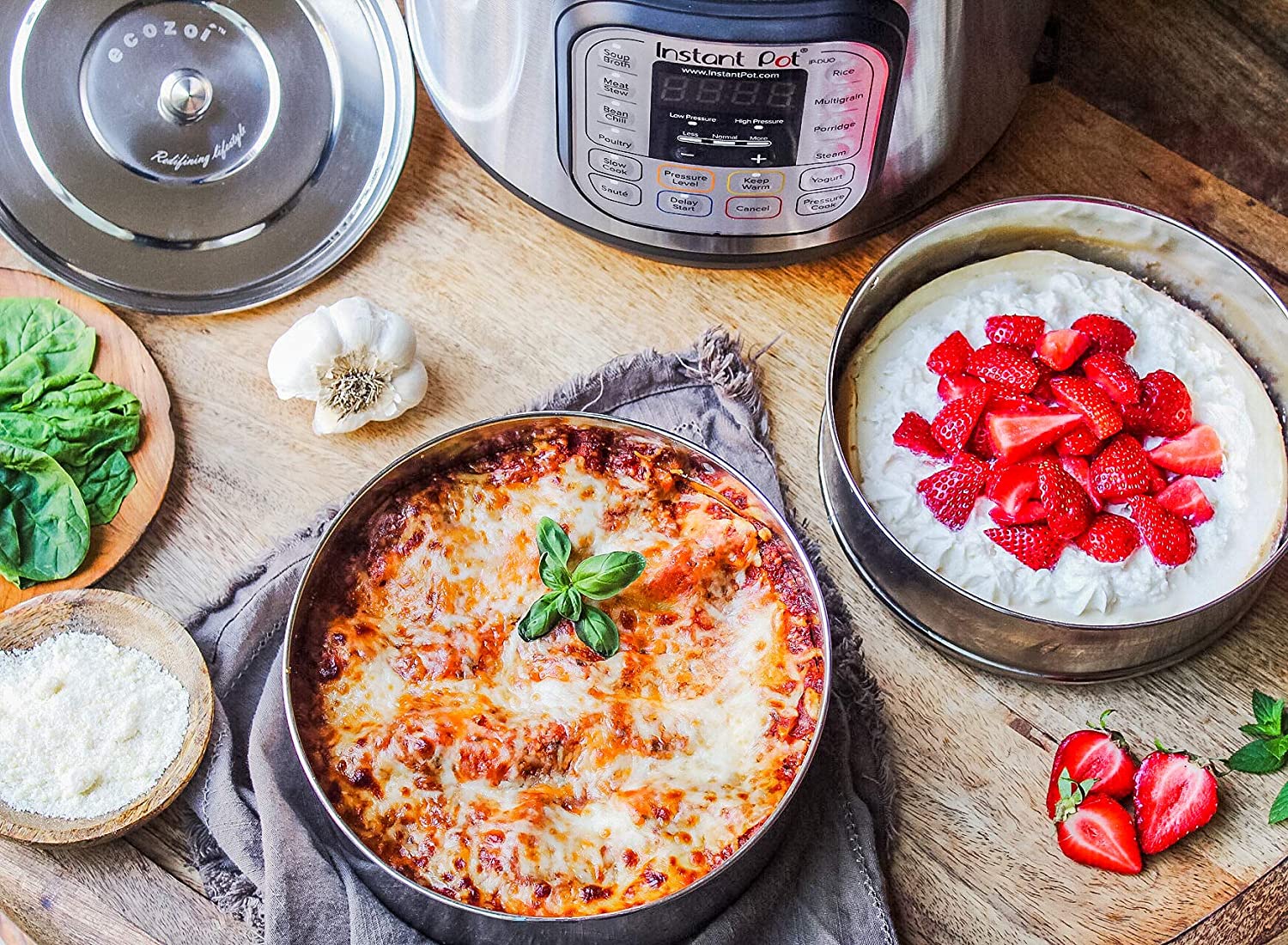
If you are batch-cooking healthy meals in a pressure cooker, you might ask: Are Stainless Steel Instant Pot Inserts Safe?. The answer is an absolute yes—stainless steel is non-toxic, free from BPA, lead, and phthalates, making it the perfect companion to your new eco-friendly cutting board.
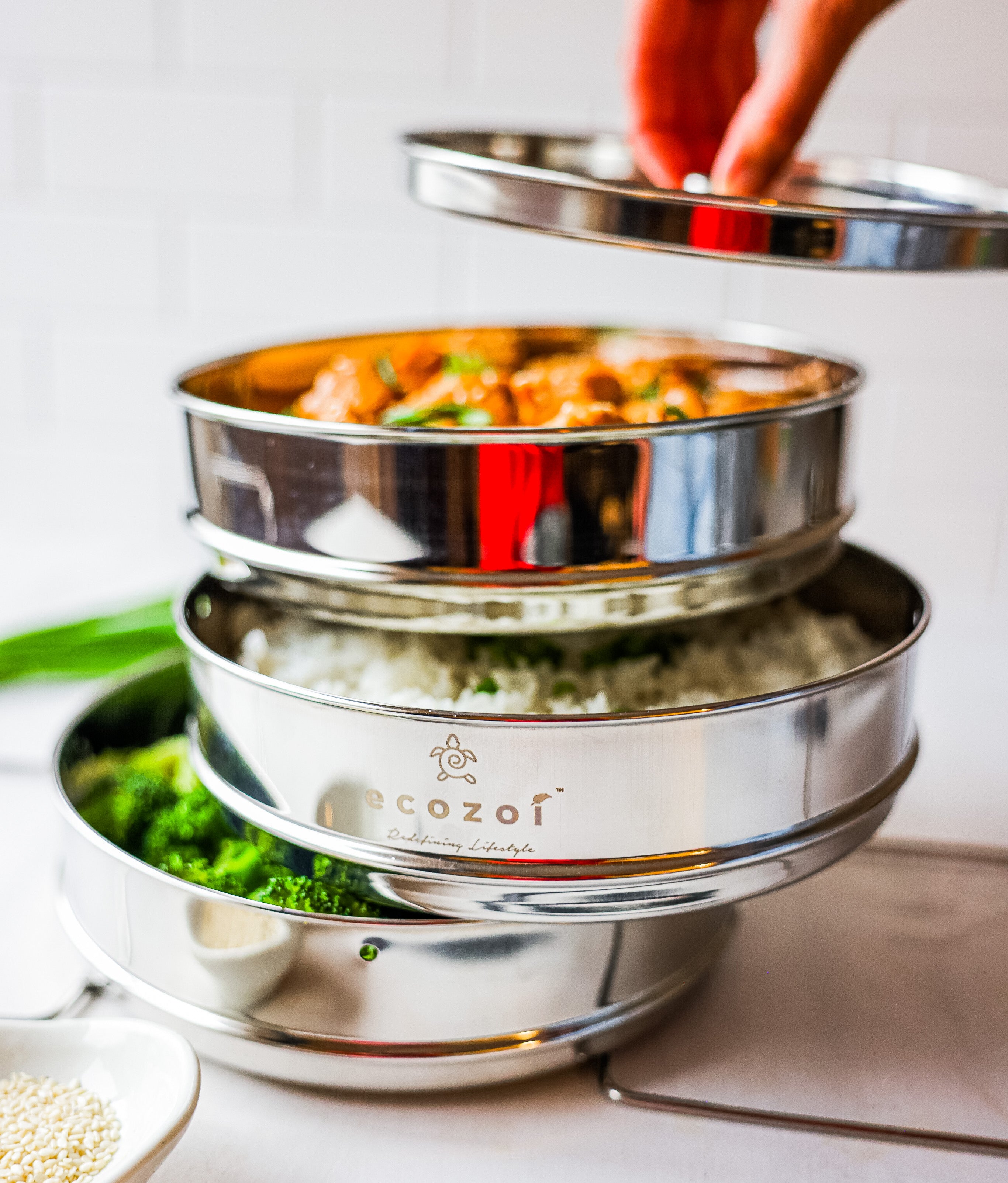
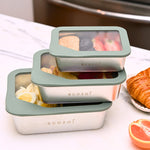
Furthermore, every year, millions of single-use plastic bags and takeaway containers end up in landfills. By choosing a reusable, durable container, you drastically reduce your carbon footprint. After safely preparing your meals, make sure you store them in high-quality, plastic-free containers.
-
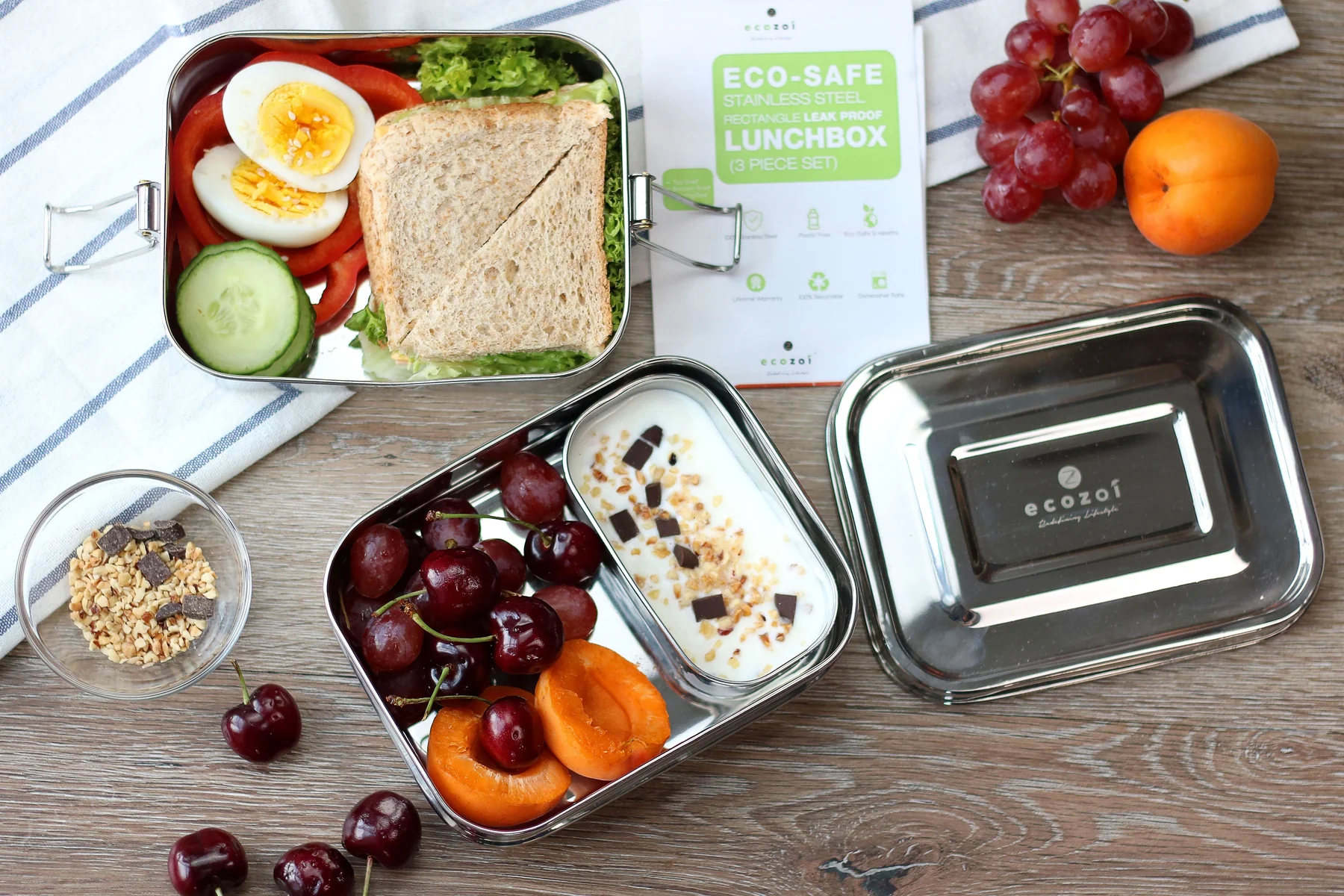
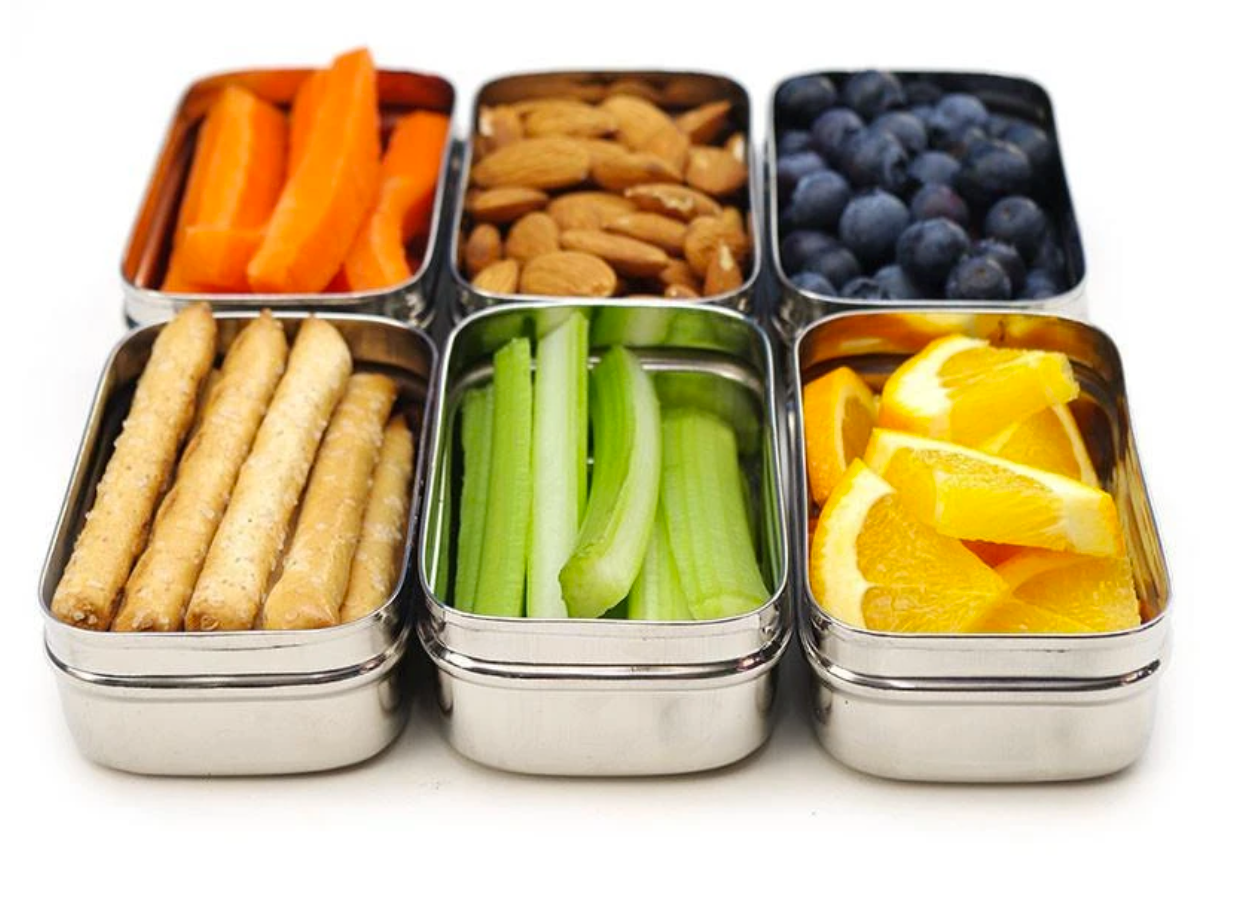
Need to pack up those freshly chopped veggies? Discover the best lunch boxes for adults in 2026. Top picks keep meals fresh, leak-proof, and easy to clean.
-
Prepping a healthy office meal? 15 Easy Picnic Food Ideas You Can Prepare in Under 30 Minutes
-
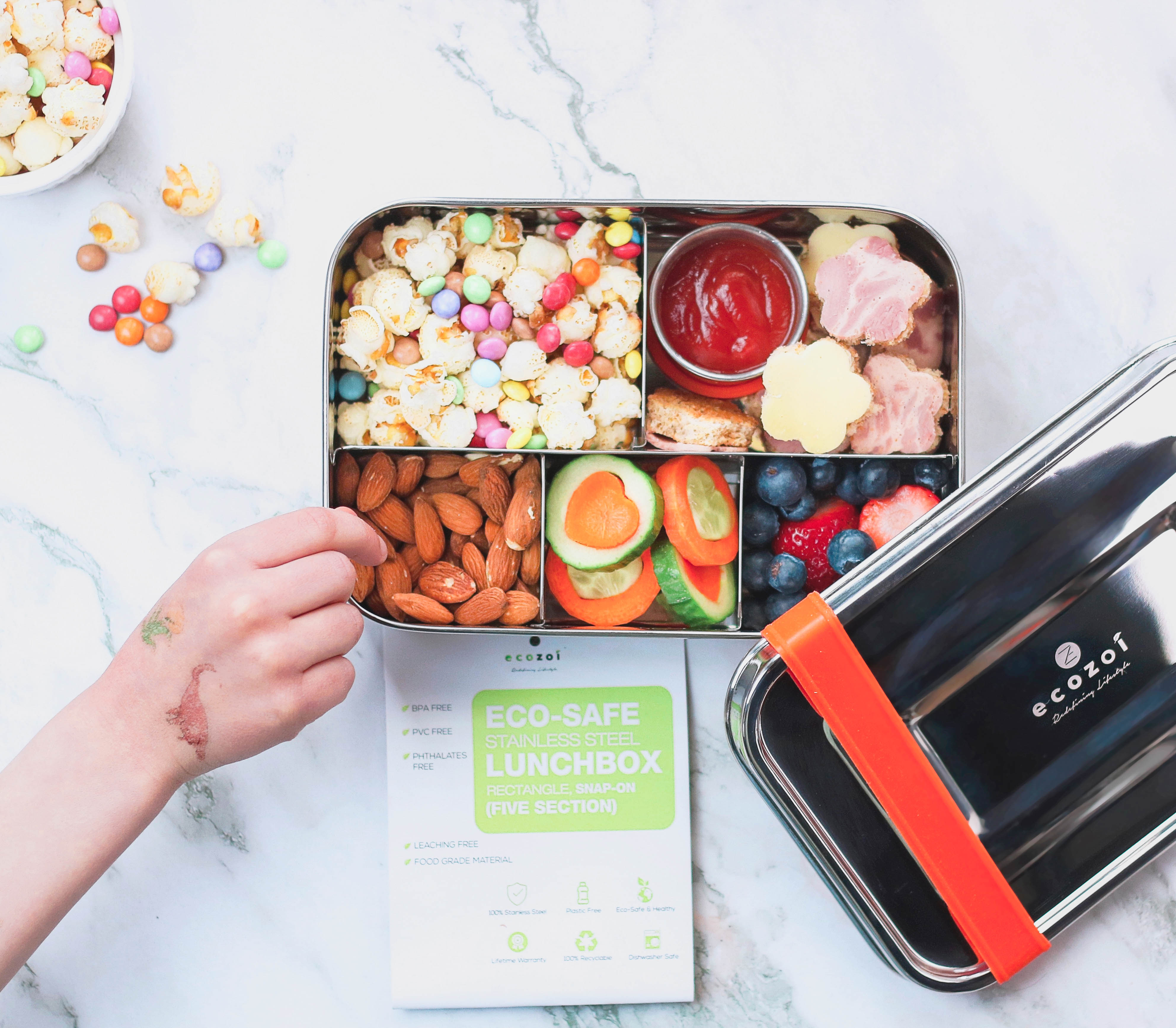
Making food for the kids? How to Pick the Right Stainless Steel Lunch Box Size for Your Kid's Age | Ecozoi

FAQs
What is the most eco-friendly cutting board?
Bamboo and recycled wood composite boards are generally considered the most eco-friendly. Bamboo is a highly renewable resource that grows rapidly without pesticides, while recycled wood fiber boards utilize manufacturing waste, keeping materials out of the landfill while creating cutting boards safe for your home.
What is the healthiest material for a cutting board?
Solid hardwood (like maple, walnut, or cherry) is universally recognized as the healthiest material. Wood contains natural antimicrobial properties that draw bacteria down into the fibers where they safely die off, rather than sitting on the surface waiting to contaminate your next meal.
Which is the most hygienic cutting board?
While many assume non-porous surfaces are the most hygienic, natural wood is actually the superior choice over time. Because wood self-heals, it does not develop the deep, jagged ravines that plastic does, which are notorious for trapping dangerous bacteria.
What cutting boards do not release microplastics?
Any cutting board made from natural materials—such as solid wood, bamboo, or even glass (though glass will quickly ruin your knives)—will not release microplastics into your food. Sticking to nature-derived materials is the only way to guarantee a microplastic-free meal prep experience.
What material is not recommended for cutting boards?
Plastic is not recommended. Over time, knife strokes carve deep grooves into plastic, turning it into a haven for stubborn bacteria. Worse, these knife strokes actively shave microplastics off the board, which easily transfer into your food and eventually into your body.
Conclusion: Make the Green Choice Today
Equipping your kitchen with the best cutting board material is a simple but profound investment in your family's health and the environment's future. By choosing beautiful, natural materials like hardwood or bamboo, you actively eliminate the threat of microplastics in your food and support sustainable manufacturing practices.
Pairing your healthy food with sustainable, plastic-free containers ensures that you are taking care of both your body and the planet. Take a look around your kitchen today, retire those scarred plastic boards, and upgrade your culinary space with the safest cutting board material available. Your knives, your health, and the earth will thank you!


