







What's in Your Stainless Steel Thermos Food Jar Plastic-Free, Explained
A stainless steel thermos food jar has steel walls, but the lid, gasket and any coating decide whether it is plastic-free. Some lids include plastic or silicone parts, and a leak-proof lid still needs a gasket. BPA-free removes one chemical, while plastic-free means no plastic touches your food. Flip the lid and check the underside.
Key Takeaways
- An all-steel lid has no foam core and loses more heat, so preheat with boiling water.
- Powder coating is a polymer, so coatings on the lid underside or interior matter most.
- Silicone differs from most plastics chemically but is still a synthetic polymer made with fossil-fuel hydrocarbons.
- Brands define plastic free differently, so request a materials list or declaration of compliance before buying.
Inside a Stainless Steel Thermos Food Jar
Open one up, and you find a short parts list:
- Two steel walls with a vacuum between them
- An exterior finish, either bare steel or a coating
- A lid, either all steel or partly plastic
- A gasket, the ring inside the lid, usually silicone
- Extras such as a spoon, base sleeve or carry bag
Vacuum insulation removes the air between the two walls; this stops heat from conducting across the gap. The body is the easy part, since the walls are metal. The finish, the lid and the gasket decide whether the jar is plastic-free. If a listing says nothing about the lid, ask the seller.
BPA Free vs Plastic Free Jars: Two Different Claims
BPA free removes one chemical. Plastic free removes the material. Only the second answers whether plastic touches your food.
BPA is the starting material for polycarbonate plastics, according to Scientific American.
The FDA's long-held position is that BPA is safe at the levels found in food. It has still amended its rules so certain BPA-based materials no longer appear in baby bottles, sippy cups and infant formula packaging. It also acknowledges a basic fact about packaging: small, measurable amounts of material sometimes migrate into food in direct contact.
The agency agreed in 2022 to reconsider its position, and BPA now sits on its list of chemicals under review.
You don't need to settle the debate to make a choice. A label names what a maker left out. It says nothing about what went in. A jar with no plastic touching your food skips the debate.
Coatings, Nickel and the Meaning of Non-Toxic
Some jars wear a powder coating for color or grip. Wikipedia describes powder coating as a thermoplastic or thermosetting polymer, commonly polyester, polyurethane, epoxy or acrylic.
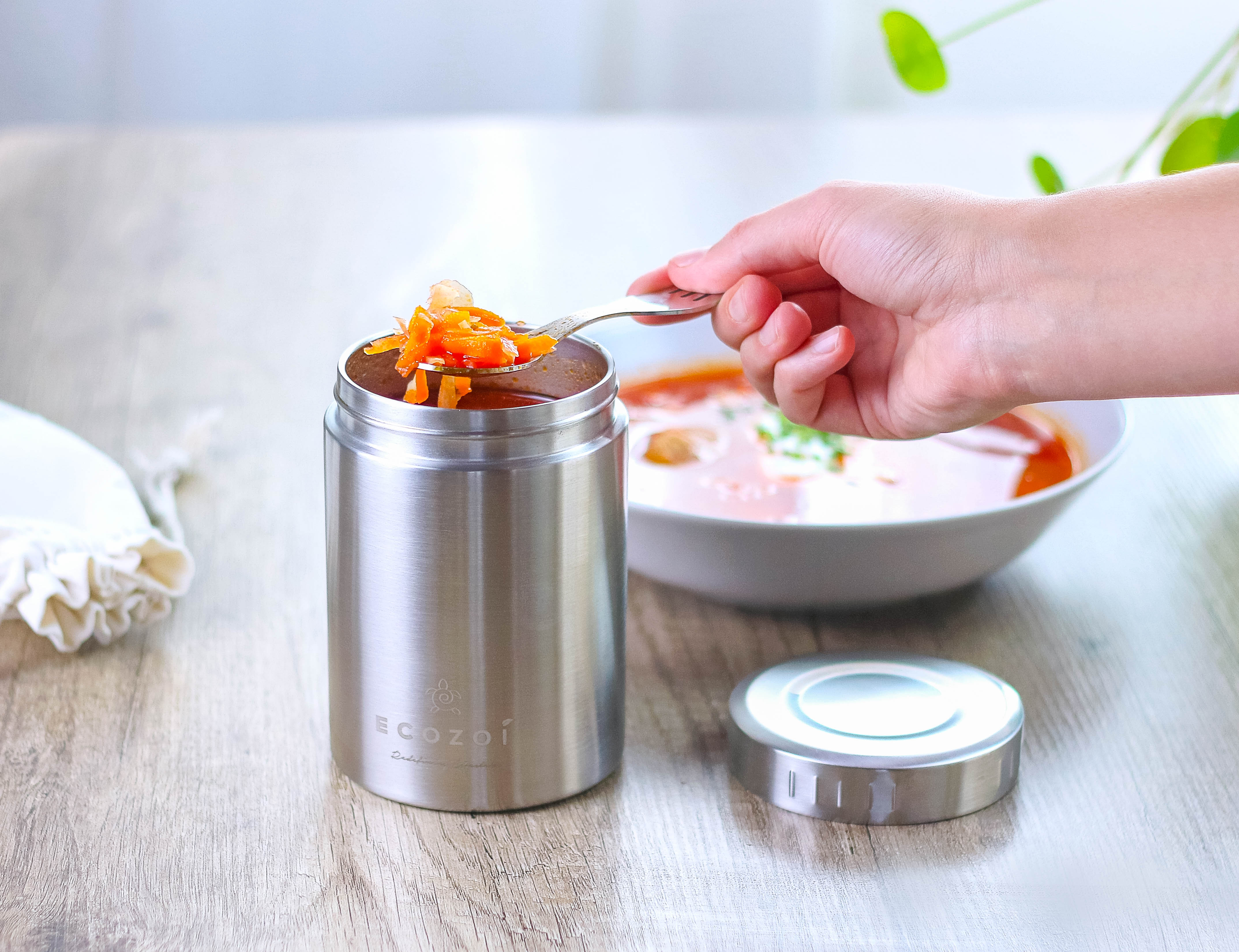
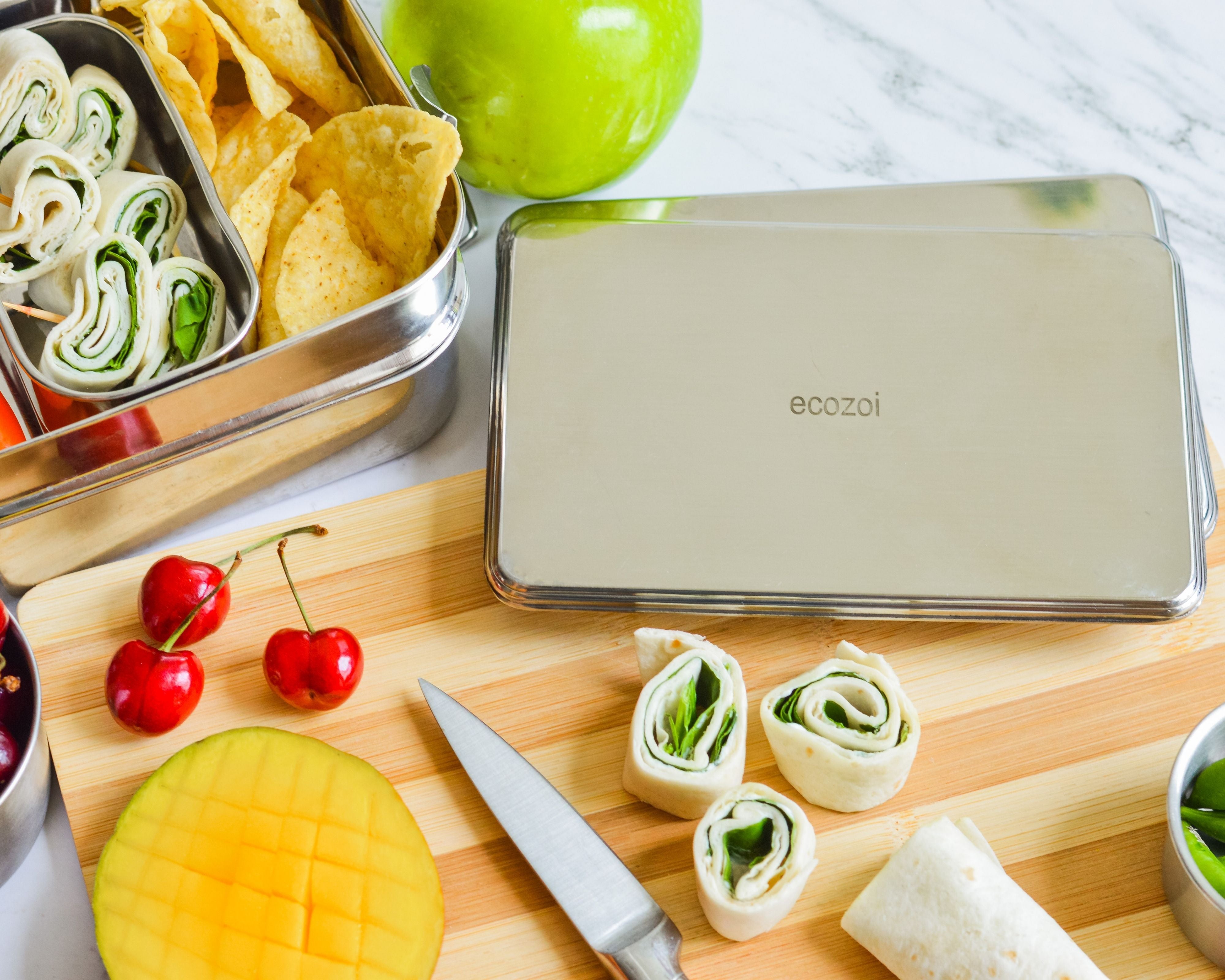
Where a coating sits matters more than whether it exists. The exterior never meets your food. The lid underside and the interior do. Ecozoi's jars have a brushed steel exterior.
The label non toxic food container jars is looser than plastic free. Every grade of stainless steel contains nickel, food grade included. Our jars are free of lead, cadmium and phthalates.
100% Plastic Free Stainless Steel Thermos Jar: Our Parts List
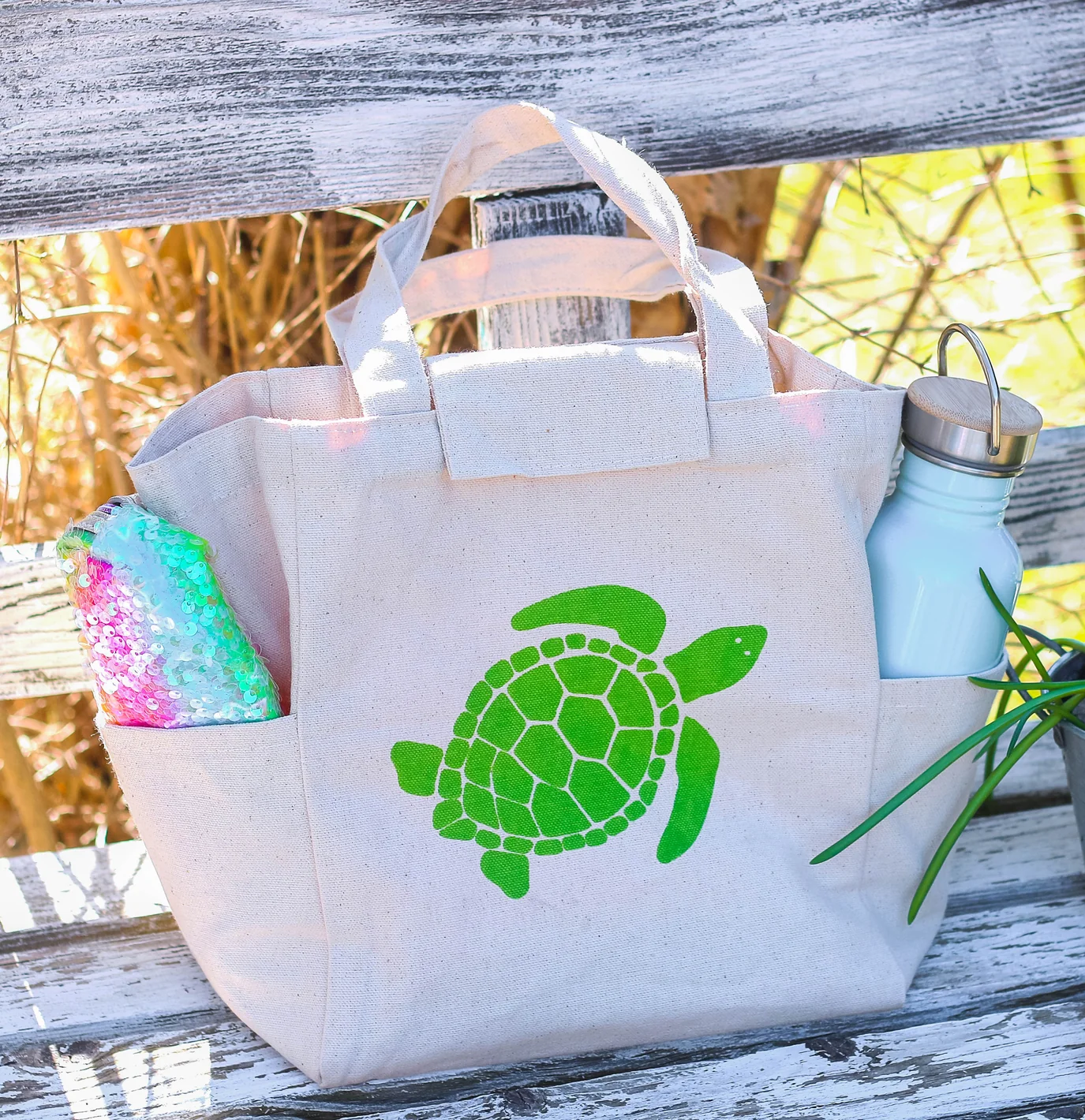
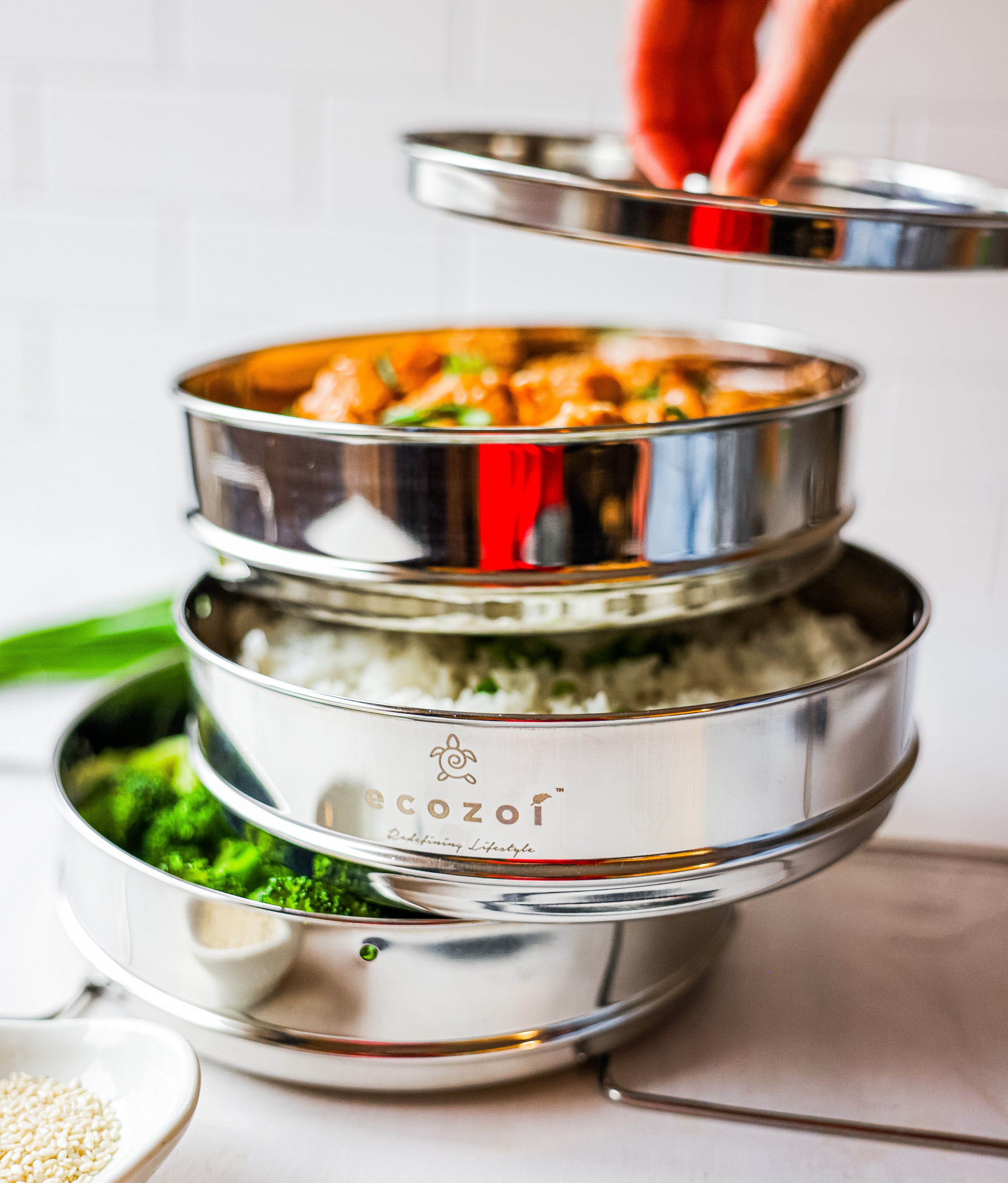
Any brand selling a 100% plastic-free stainless steel thermos jar, us included, owes you a parts list. Ours: the jar and the spork are 18/8 stainless steel, and the page lists no plastic parts. The lunch bag is organic cotton. A silicone seal ring goes inside the lid.
Silicone isn't steel, and we won't pretend otherwise. Silicone differs from most plastics at the molecular level: its backbone is silicon and oxygen, whereas most plastics use carbon and hydrogen.
It is still a synthetic polymer, and Life Without Plastic notes it is made with fossil-fuel hydrocarbons. The ring is the only non-steel part the page names on the jar itself.
Our 12 oz jar also ships with a spork and lunch bag, and both sizes are 304 stainless steel. We sell replacement rings in a two-pack. If you open the lid and disagree with our parts list, you have 30 days to return it.
Check the Underside Before You Buy
If you're shopping for stainless steel food containers with lids, no plastic, flip the lid before you read the box. Check the underside and the ring. Ask about any coating. Ask for a materials list when the listing doesn't give one. A plastic-free claim is only as good as its parts list.
Ecozoi Stainless Steel Thermos Food Jars: Materials and Parts
Ecozoi is a US-based brand selling stainless steel thermos food jars in 12 oz and 17 oz sizes. Both products are made out of 18/8 stainless steel, have no plastic parts, and include a silicone seal ring inside the lid. Replacement rings are sold separately.
FAQs
1. Why is it so hard to find a plastic free thermos?
Many thermos jars use plastic components in their lids and silicone seals to create a tight, leak-resistant closure. Some also have insulated lids with foam or other materials to reduce heat loss.
A stainless-steel lid without an insulating core avoids conventional plastic components, but it can allow more heat to escape through the top. That's one of the trade-offs with this design. Our jar uses a silicone sealing ring, rather than a conventional plastic seal.
To help keep your food warm for longer, preheat the jar with boiling water before adding food, as recommended in Ecozoi's Thermos Food Jar FAQ.
2. Are your stainless steel food jars completely plastic-free?
Yes. Ecozoi's stainless steel food jars are designed without conventional plastic components. The jar body and lid are stainless steel, while a removable silicone O-ring creates a tight seal and helps prevent leaks. Each set also includes a stainless steel spork and an organic cotton carry bag.
3. How to tell if a metal lid has a plastic coating?
- Read the listing for the words powder coated, painted or lacquered.
- Flip the lid. Bare steel looks uniform and metallic. A matte, colored or textured layer means something else is on it.
- Check the rim and threads for chips or flaking.
- Ask the brand for its declaration of compliance or materials list. Thermos publishes one for the TC Food Jar, so the request is not unusual.


