










Rainbow Stains on Stainless Steel Containers: How to Remove Them
Rainbow stains on stainless steel containers are thin oxide films caused by heat, grease, leftover detergent, or tap water minerals. They are cosmetic and do not change how the container performs. To remove them, cover the stain with diluted white vinegar, work it in with a soft sponge, then rinse and dry completely. Stubborn stains need a gentle powdered cleanser paste.
Key Takeaways
- Location hints at cause: base and lower walls mean heat, a full-interior swirl means water or detergent.
- Bleach, chloride cleaners, steel wool, and silver dip damage discolored stainless steel through corrosion, scratches, or etching.
- Prevent recurrence: add food or oil before heating, use medium heat, rinse detergent fully, and towel-dry after washing.
- Heat tint is not permanent, but acid etching removes metal, and no cleaner reverses it.
- Reddish or brown dots and rust stains are different problems, tied to salt, hard water, or iron.
What Causes Rainbow Stains on Stainless Steel
Stainless steel resists rust because chromium in the alloy reacts with air and forms a protective oxide layer. Heat thickens the layer, and the thicker film bends light into rainbow hues. Cooks call the heat version heat tint. The film is a sign that the chromium is present and the protection is working. Four things produce stainless steel rainbow discoloration.
- Heat comes first: Heavy-gauge steel holds heat well, so an empty pan on a high flame discolors fast. Cooks must never preheat an empty stainless pan on high.
- Grease leaves its own mark: Hot fat and meat juices sometimes leave stubborn rainbow stains. Meat dishes see these marks more often than cutlery does.
- Detergent is easy to miss: Suds left to dry on the steel without a rinse leave a film of their own, and Meyer Group warns the film sticks around.
- Then there is your tap water: The metal ions in tap water cling to the surface as the water evaporates. The deposit reads as a rainbow. Hard tap water carries more minerals, so you see the film more often.
Read the Stain Before You Scrub It
Ask where the container has been. The answer points to the cause.
- Color on the base and lower walls follows the heat, so think about the burner.
- A greasy, uneven film where you cooked meat or oil points to burnt-on residue.
- A swirl across the whole interior points to water or detergent left to dry in place.
If the container never touched a flame, start with your rinse routine and your tap water. Skip the scrubbing until you know the cause. A hard scrub on the wrong stain wastes your effort and scratches the steel.
How to Remove Rainbow Stains from Stainless Steel Containers
Let the container cool first. Let stainless steel cool completely before cleaning, as wiping warm metal can leave behind new stains. Always work from mild to strong cleaners, because a scratch is permanent and a stronger option is always one step away.
Start with white vinegar. Its acidity breaks down the thin oxidized layer while staying gentle on your pans. Follow the method below:
- Pour or spray diluted white vinegar over the stain until it is covered.
- Work it in with a soft sponge or cloth.
- Rinse the container and dry it completely with a towel.
Repeat the cycle if color lingers. Citric acid also does the same job as vinegar. If a faint ring survives two rounds, step up to the paste below. Harder scrubbing scratches the steel. A stronger cleaner does not.
Stubborn stain? Mix a powdered stainless cleanser, such as Bar Keepers Friend, with water into a paste. Scrub with a non-abrasive sponge. Rinse until no powder remains. Light damage to the protection heals, since the oxide layer repairs itself when fresh chromium meets air.
Greasy rainbow? Switch to baking soda. Burnt oil residue calls for gentle scrubbing with baking soda or a stainless steel cleaner. Once the grease is gone, run the vinegar steps to clear the leftover color.
Lids need one extra move. Pull the silicone seal off before you treat the lid. You reach the steel underneath, and the groove rinses clean. Dry the seal before you press it back in, since trapped water leaves the mineral film you removed.
Unsure about a cleaner? Test it on a small hidden spot first.
What to Keep Away From Discolored Stainless Steel
Skip bleach and chloride-based cleaners. They attack the oxide layer and cause corrosion and permanent damage. Also, chlorine and sulfur dioxide are among the chemicals known to strip the layer and leave the surface dull or discolored. Skip steel wool as well.
One more cleaner backfires. Silver-cleaning solutions etch stainless steel with their acids, leaving an iridescent rainbow stain first and surface damage in the end. Keep silver dip away from your containers. Every harsh option on this list trades a color problem for a surface problem, and the surface is harder to fix.
Stop the Rainbow From Coming Back
Four habits cut the odds:
- Add food or oil before you turn on the heat
- Hold the flame at medium
- Rinse off every trace of detergent
- Dry the container right after you wash it
If the Rainbow Keeps Returning
A stain returning after a clean vinegar treatment points to a habit. The container is fine. Check your detergent first.
Then look at your water. Every wet container left to air-dry in a hard water home picks up a thin mineral film. A towel beats evaporation.
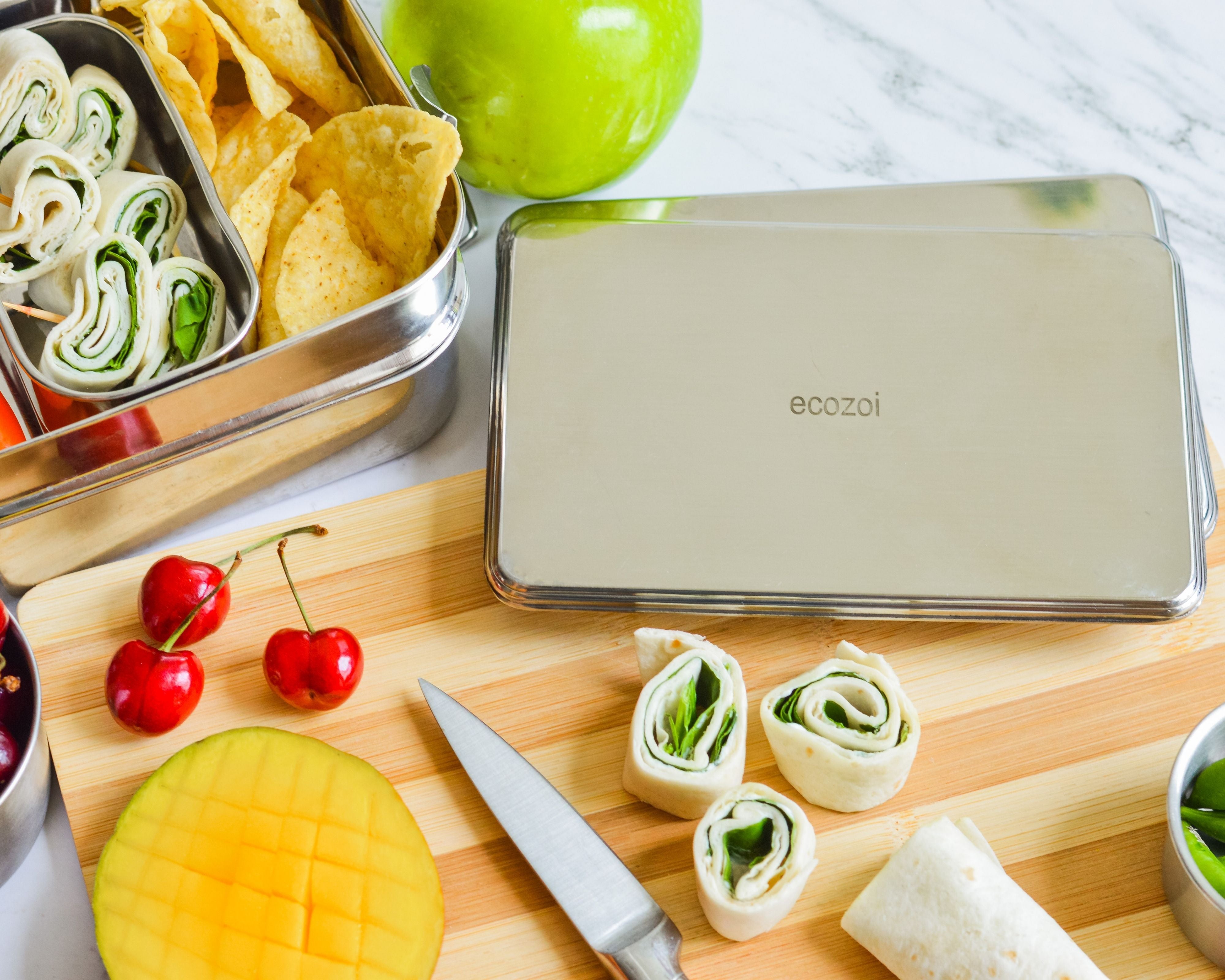
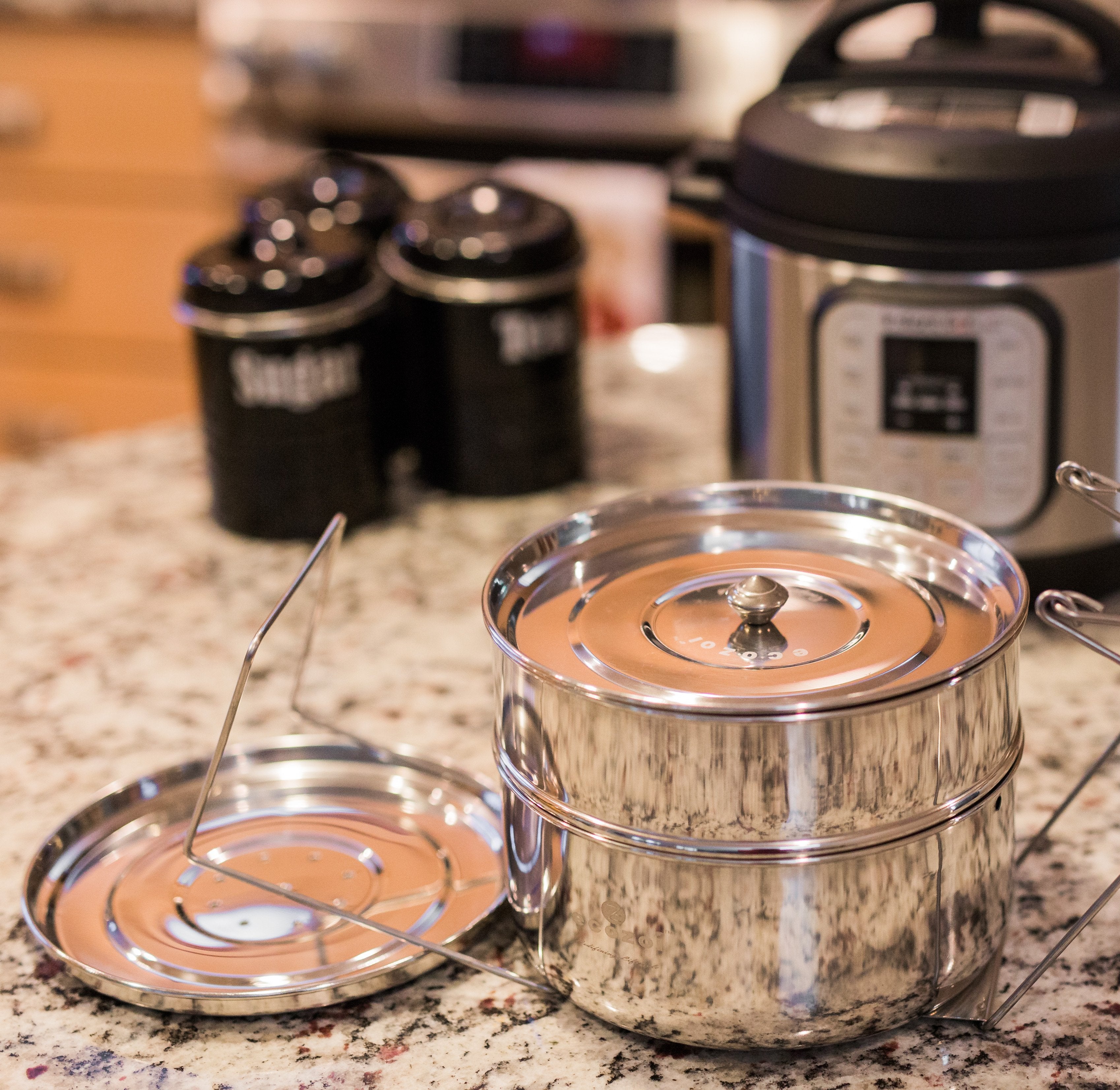
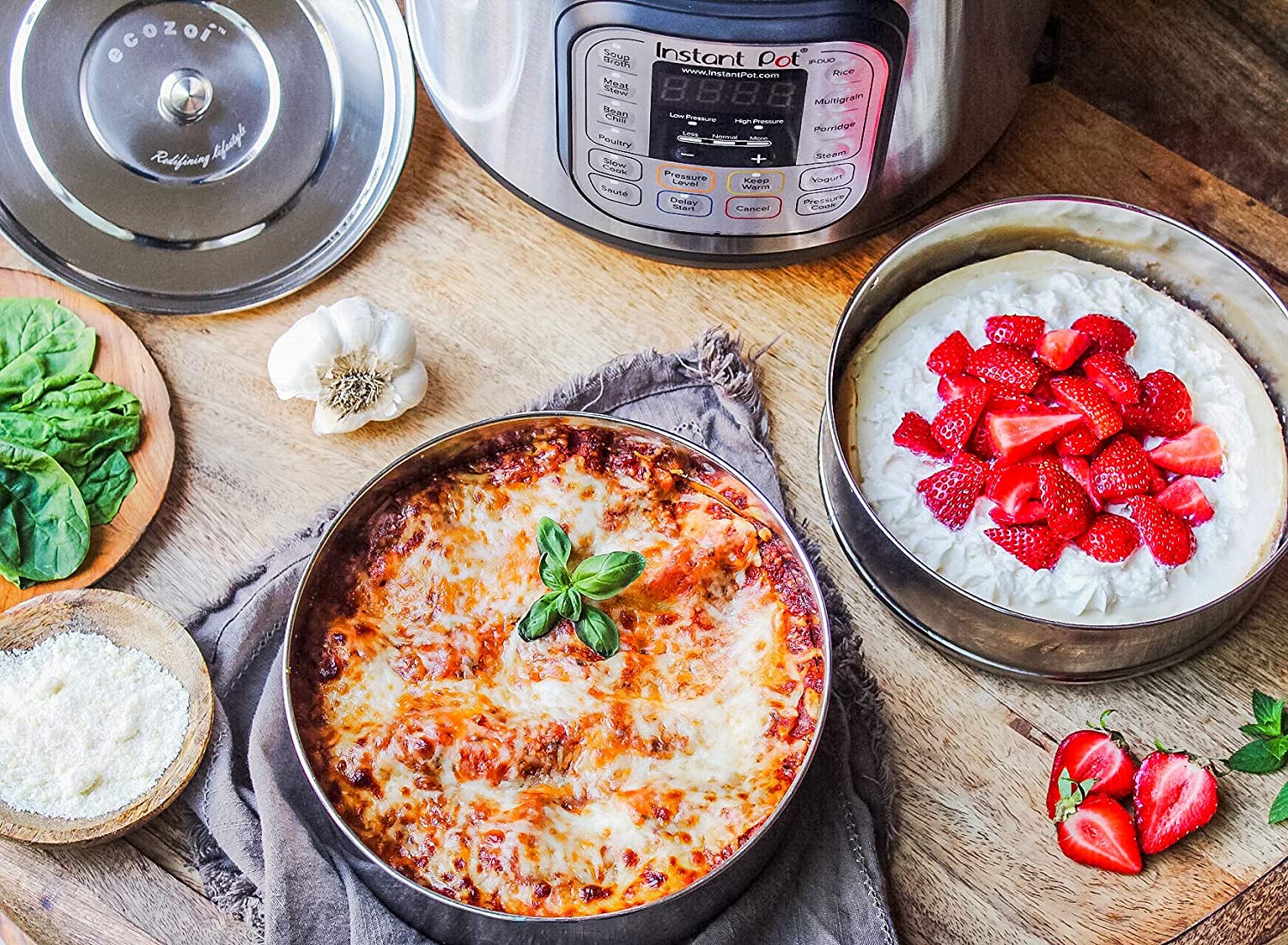
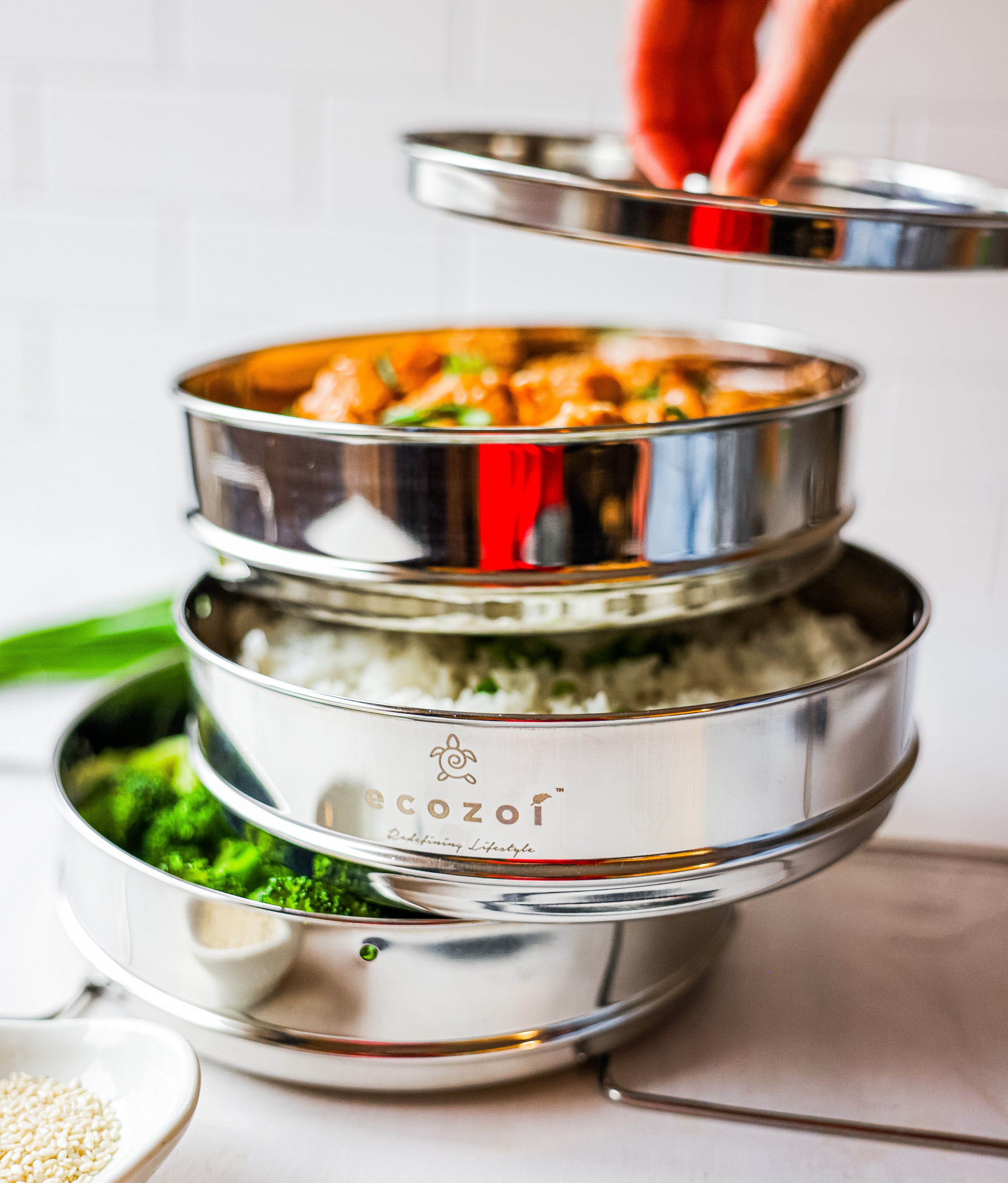
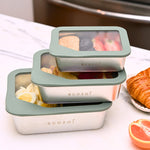
Ecozoi's stainless steel lunch boxes and Instant Pot insert pans use food-grade 304 stainless steel, and the same habits apply to every piece. If burnt-on food is your real problem, our guide to cleaning a burnt stainless steel Instant Pot walks through the fix.
Wipe It Off Tonight or Leave It Alone
Rainbow discoloration on stainless steel does not change how a container performs. We would not replace a good container over a cosmetic film, and we would not scrub it raw either. Grab a sponge and a bottle of vinegar instead. The vinegar sits in your pantry, so the fix costs almost nothing.
Pick the worst offender in your cupboard and run the vinegar steps tonight. If the color lifts, you have your answer. If it holds, make the paste.
Stainless Steel Lunch Boxes and Containers From Ecozoi
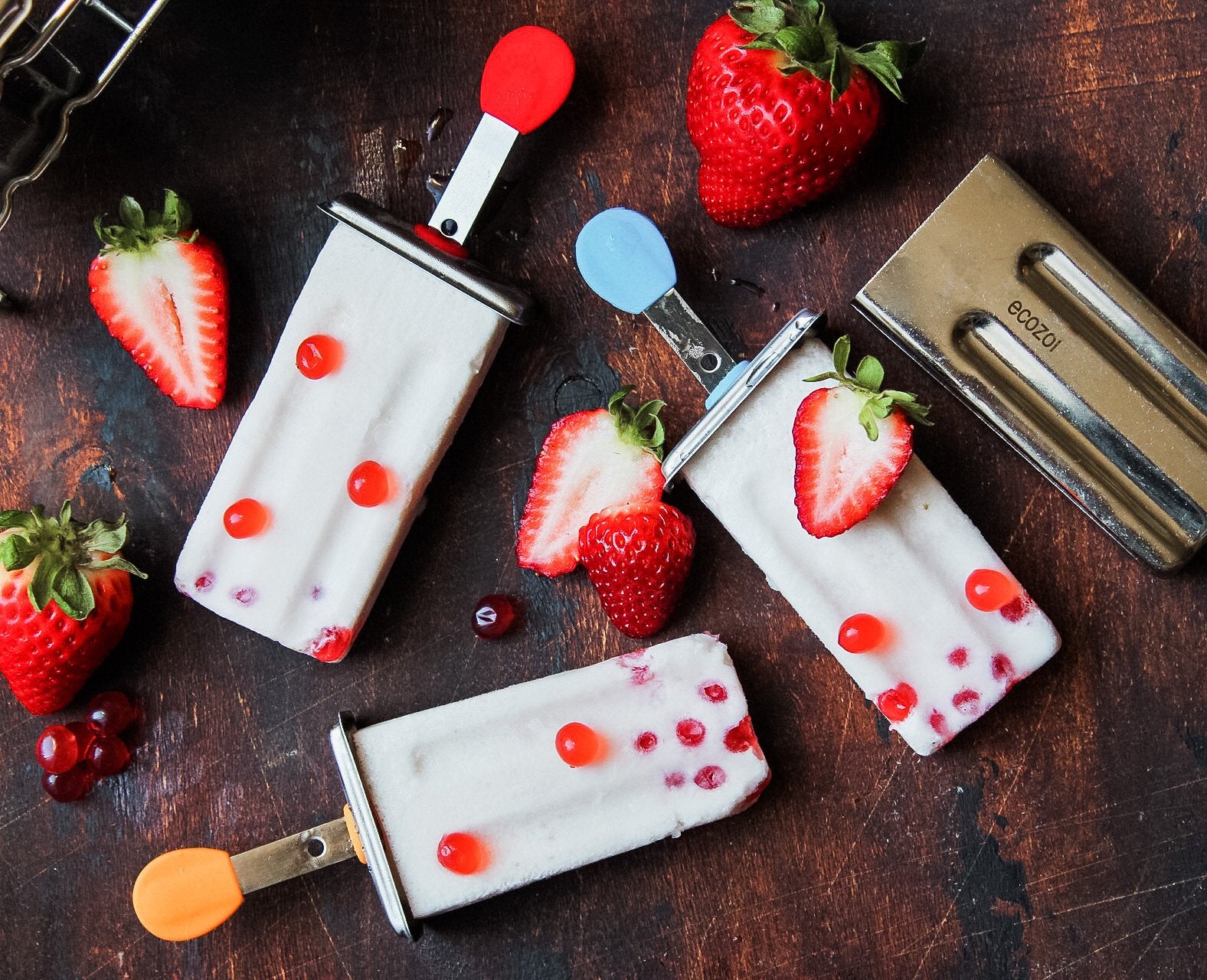
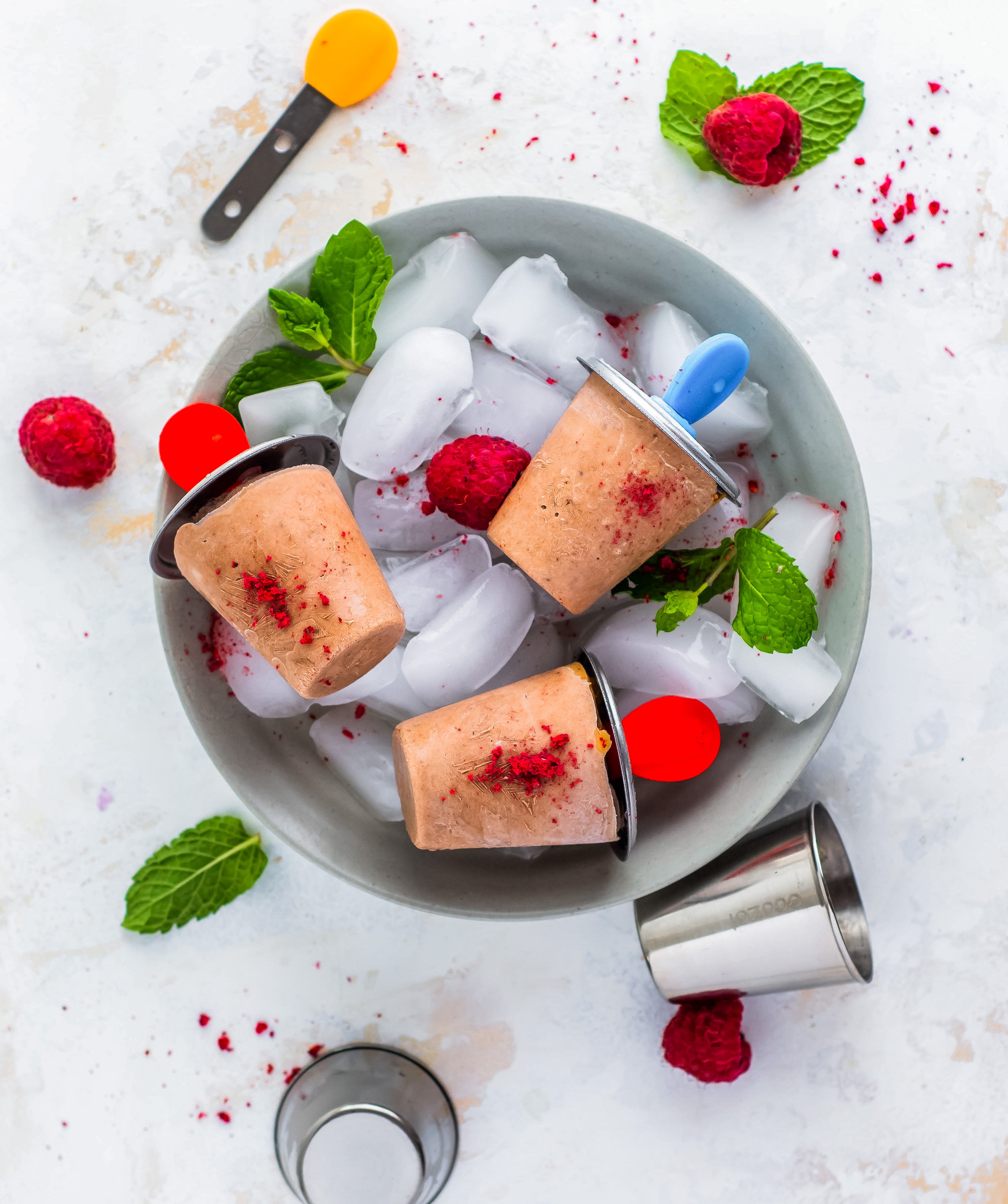
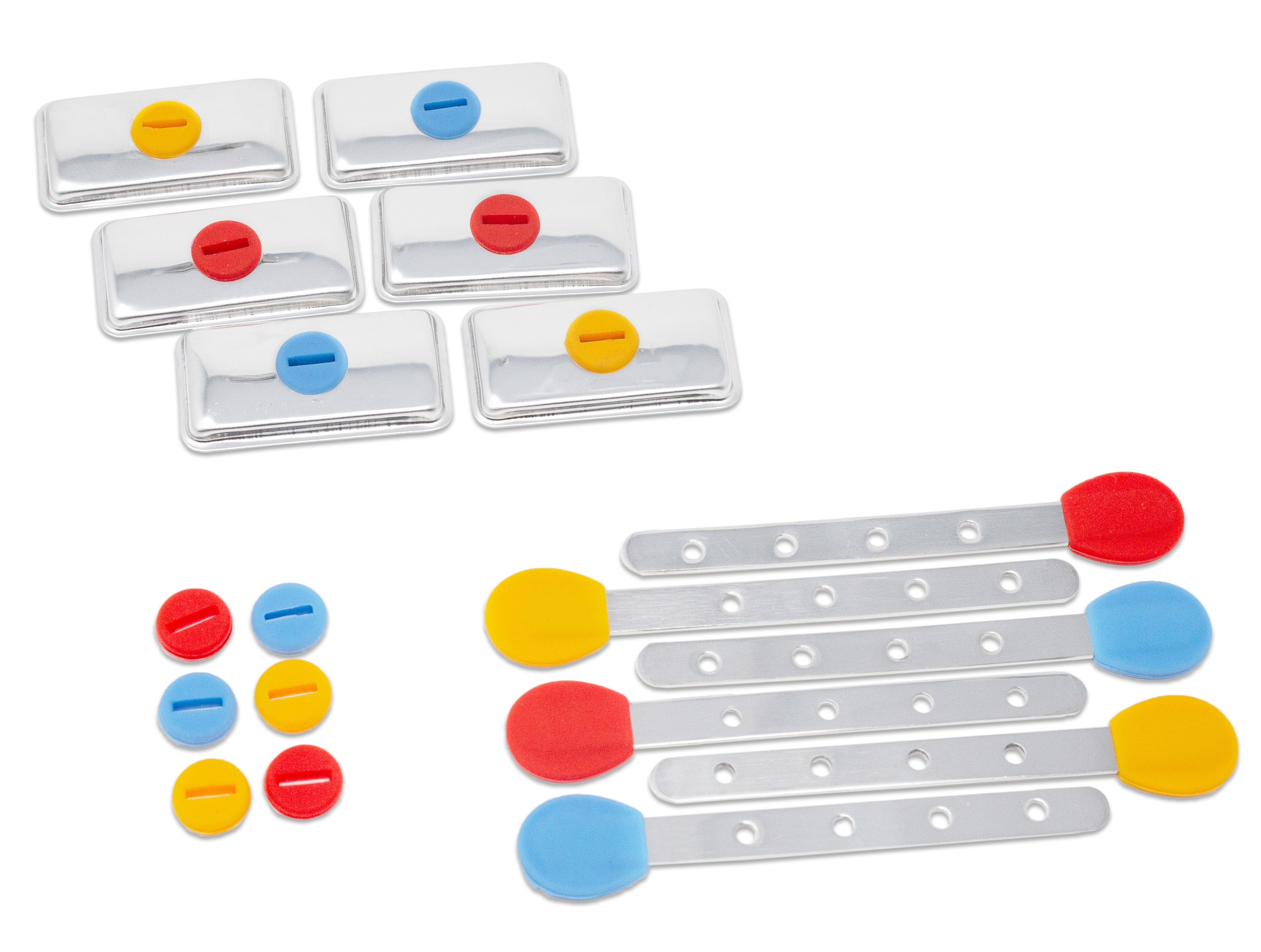
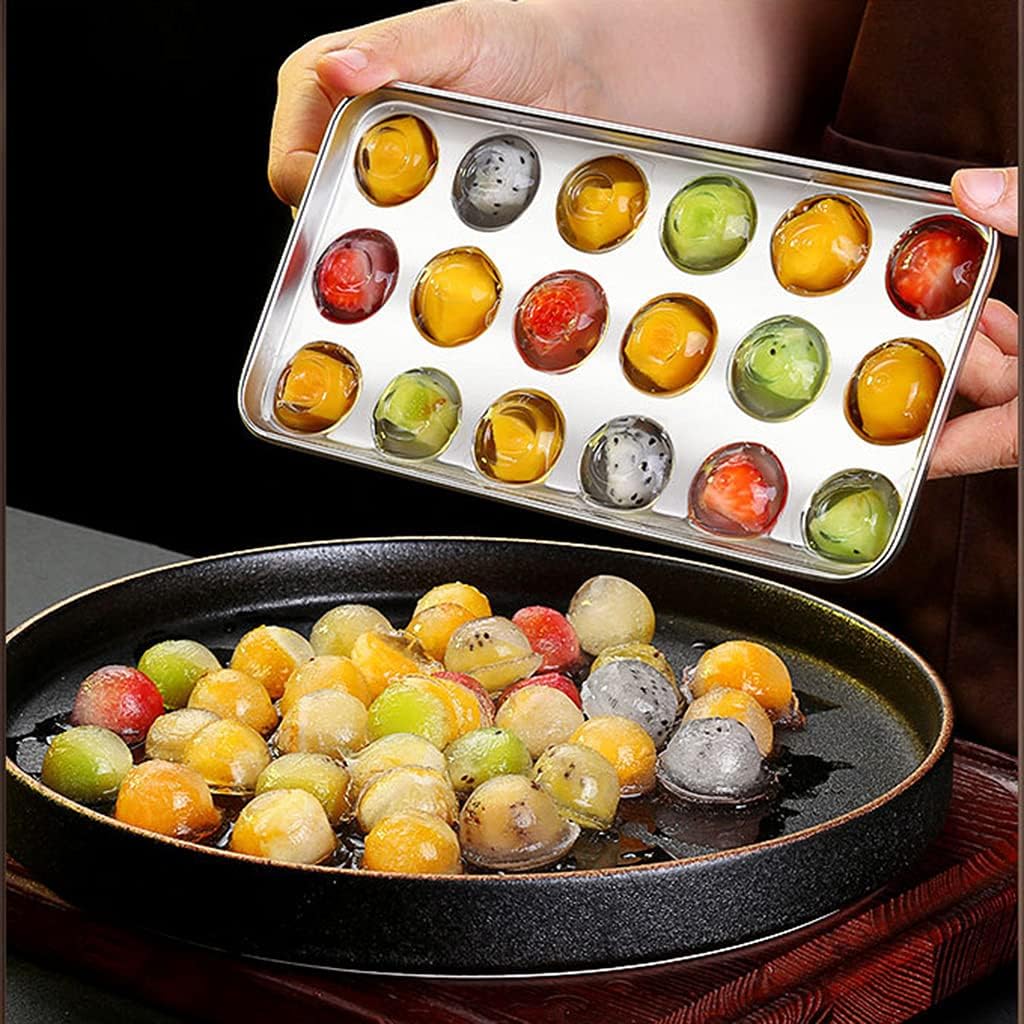
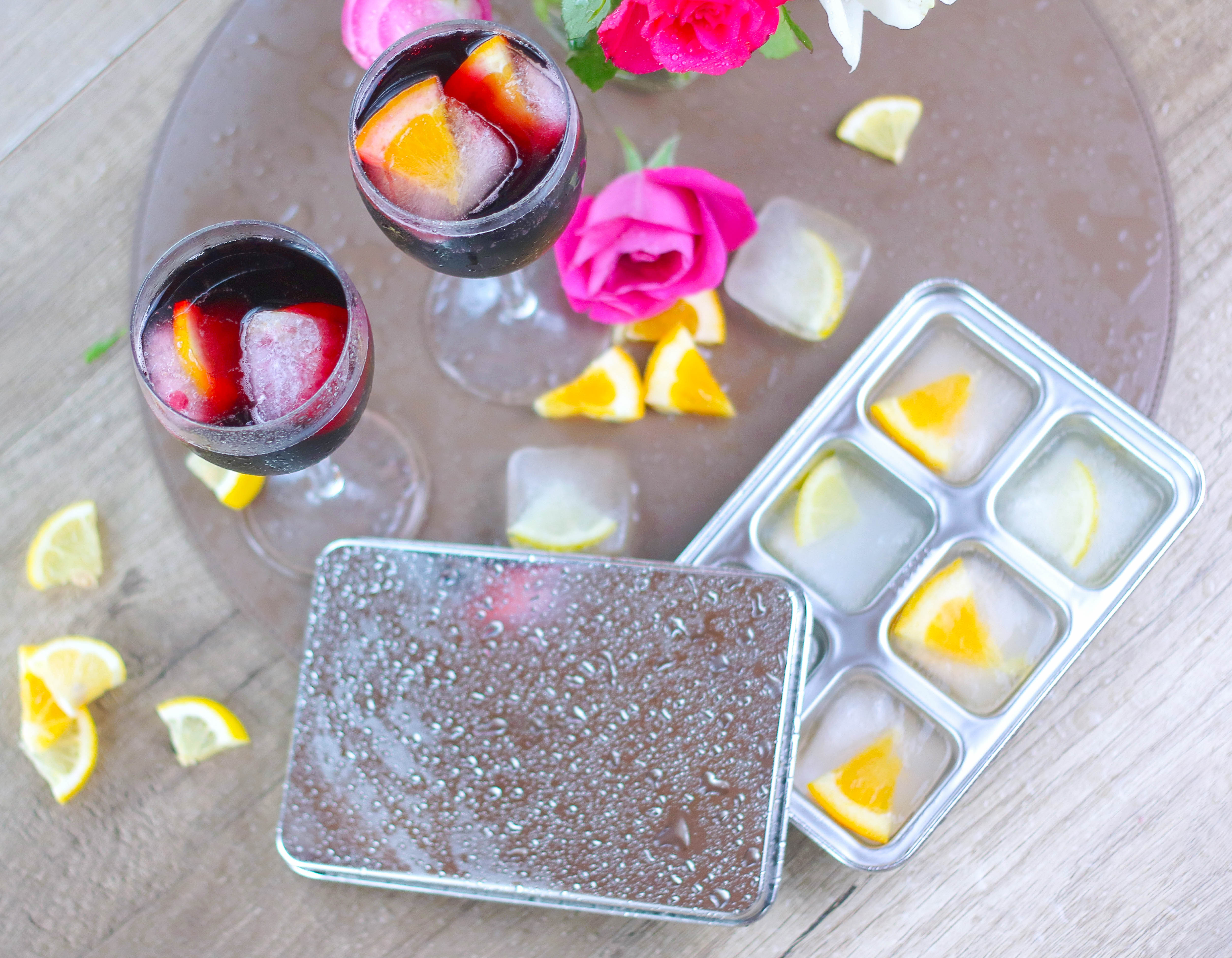
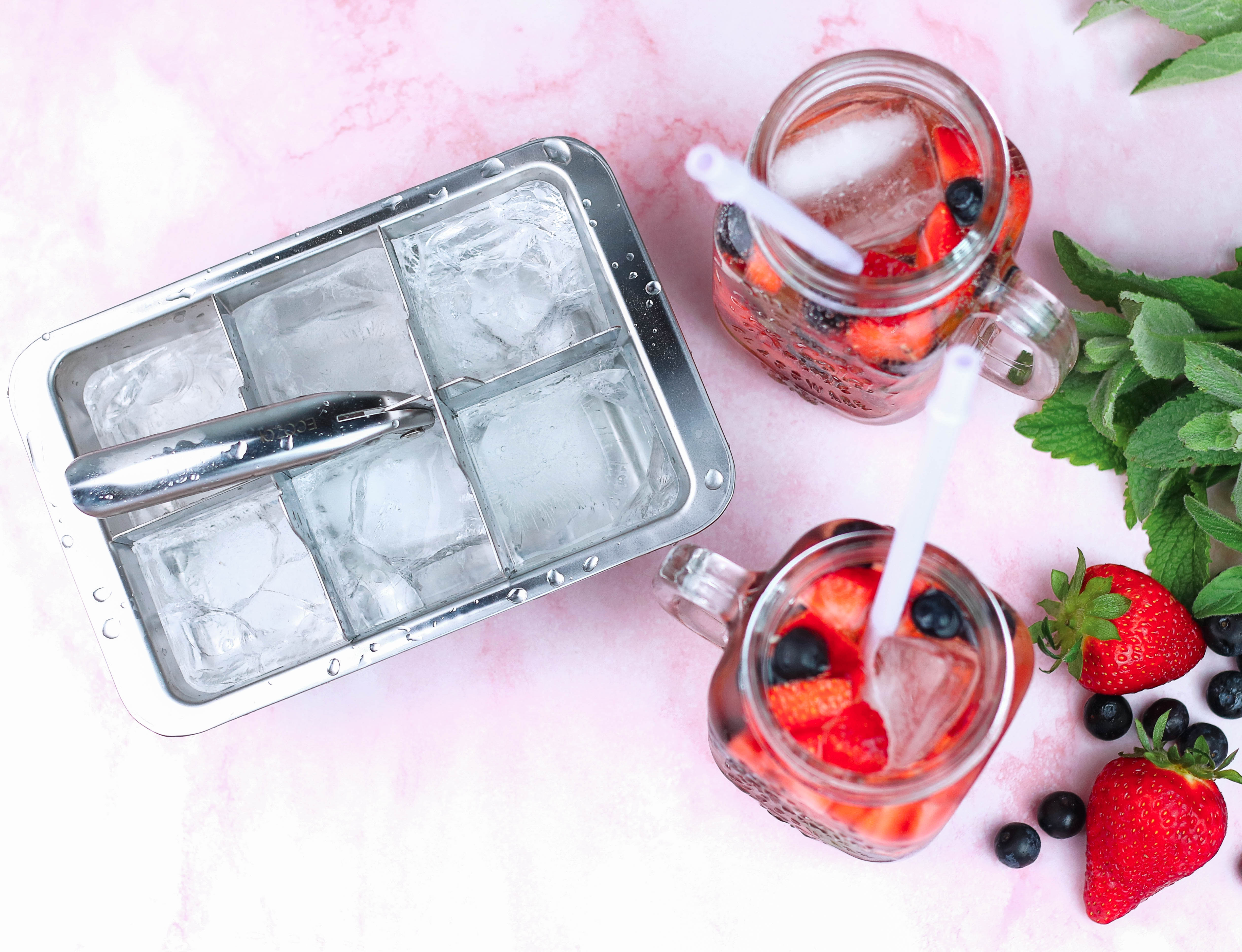
We at Ecozoi, an Austin, Texas brand, make plastic-free kitchen products from stainless steel and bamboo, including lunch boxes, ice cube trays, popsicle molds, and Instant Pot insert pans.
All our stainless steel pieces use food-grade 304 stainless steel, so the care habits in this guide apply across the range: medium heat, a full detergent rinse, and prompt drying.
FAQs
1. Why does my stainless steel pot have a rainbow?
Check the pot's age first. A rainbow-like shade is normal on new stainless steel. On an older pot, the base tells the story. Color sitting over the burner footprint means the heat ran high.
2. What causes a rainbow on stainless steel?
The colors are not pigment or a coating. Light reflects off the oxide film, and the film's thickness sets the color you see. Gold and bronze show up first, and blue and purple follow as the film thickens.
3. How to remove rainbow color from stainless steel?
Start with diluted white vinegar and move to a cleanser paste if color stays. Then wash the container with dish soap so no acid or powder touches your next meal.
4. Is rainbow colored stainless steel safe?
Yes. Rainbow stains do not affect food safety. Other marks deserve a closer look. Small reddish or brown dots are linked to salt or hard water left on the steel, and rust stains are linked to iron contamination. Rinse salty foods out of containers soon after use.
5. Is rainbow colored stainless steel permanent?
No. Heat tint lifts; a pan looks brand new after treatment. Etching is the exception. Acid damage, like the kind silver dip leaves behind, removes metal from the surface, so no cleaner brings it back.


