






How Long Can Food Stay in a Thermos Safely? The 140°F and 2-Hour Rules
Food stays safe in a thermos food jar only while hot food reads 140°F or higher and cold food reads 40°F or below. Hours printed on the jar rate its insulation. Once food sits in the 40°F to 140°F danger zone, the USDA limit is two hours, or one hour when the air is above 90°F. A probe thermometer shows where your lunch stands.
Key Takeaways
- At the fastest pace, bacteria double every 20 minutes.
- Cold meat and dairy belong in an insulated bag with two cold sources, one above and one below.
- Preheat a stainless steel food jar with boiling water, keep the lid closed, and probe food before eating.
- Refrigerate untouched leftovers in shallow containers within two hours. Throw out whatever remains after eating from the jar.
The USDA Food Safety Danger Zone: 40°f To 140°f
Bacteria grow fastest between 40°F and 140°F. The USDA calls this range the danger zone. According to its Food Safety and Inspection Service, bacteria double in number in as little as 20 minutes inside it. At the fastest pace, six doublings fit inside two hours. FSIS names Salmonella and Campylobacter among the bacteria involved.
The agency sets one firm limit. Never leave perishable food between 40°F and 140°F for more than two hours. Cut the limit to one hour when the air is above 90°F. A backpack in a parked car on a hot day falls under the one-hour rule.
Packing for a child raises the stakes. The USDA says children under age five are more likely to get seriously sick from foodborne illness.
How Much Time A Thermos Stainless Vacuum Insulated Food Jar Buys
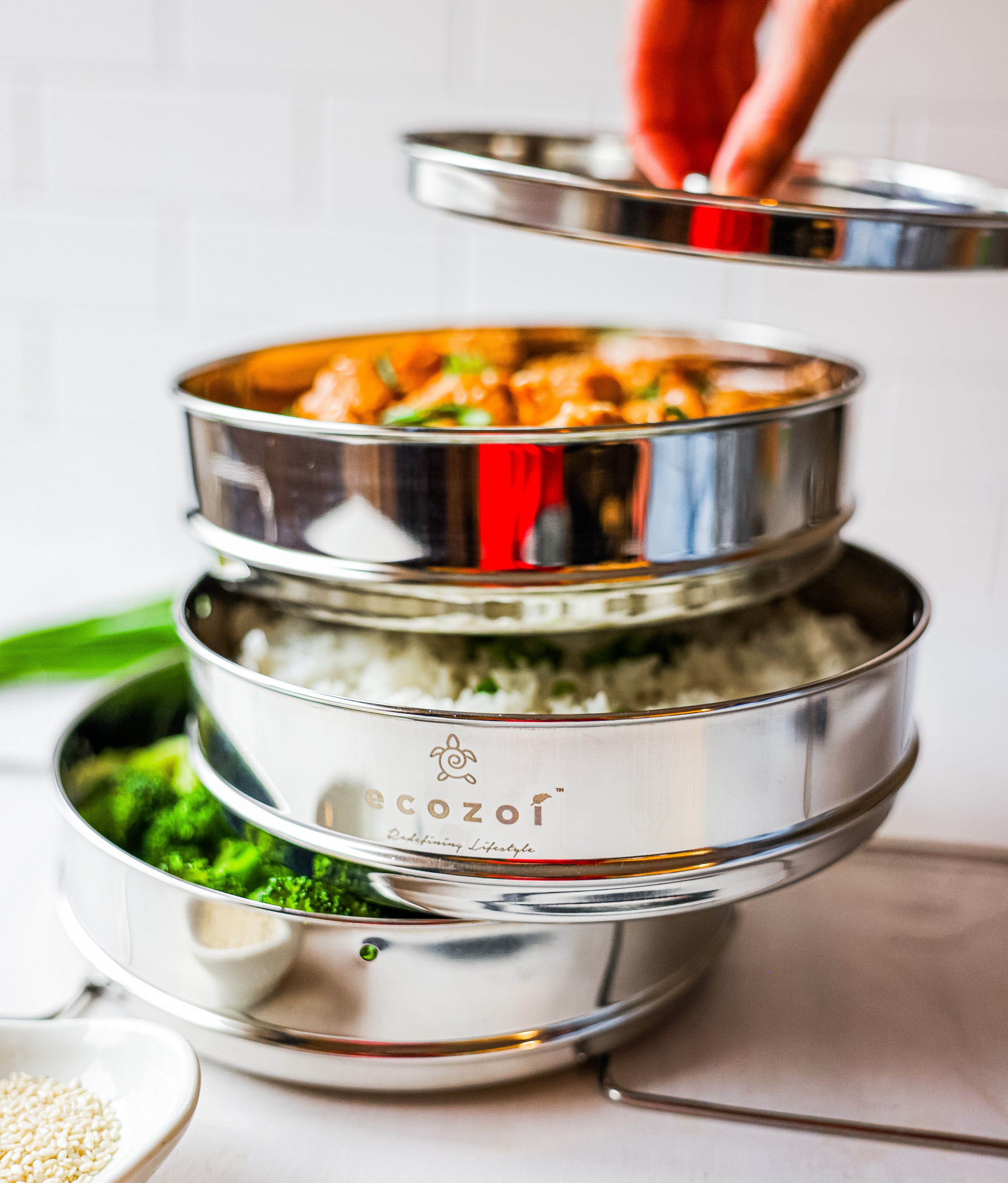
A thermos stainless vacuum insulated food jar uses two steel walls with a vacuum between them. Heat leaves slowly, but it leaves.
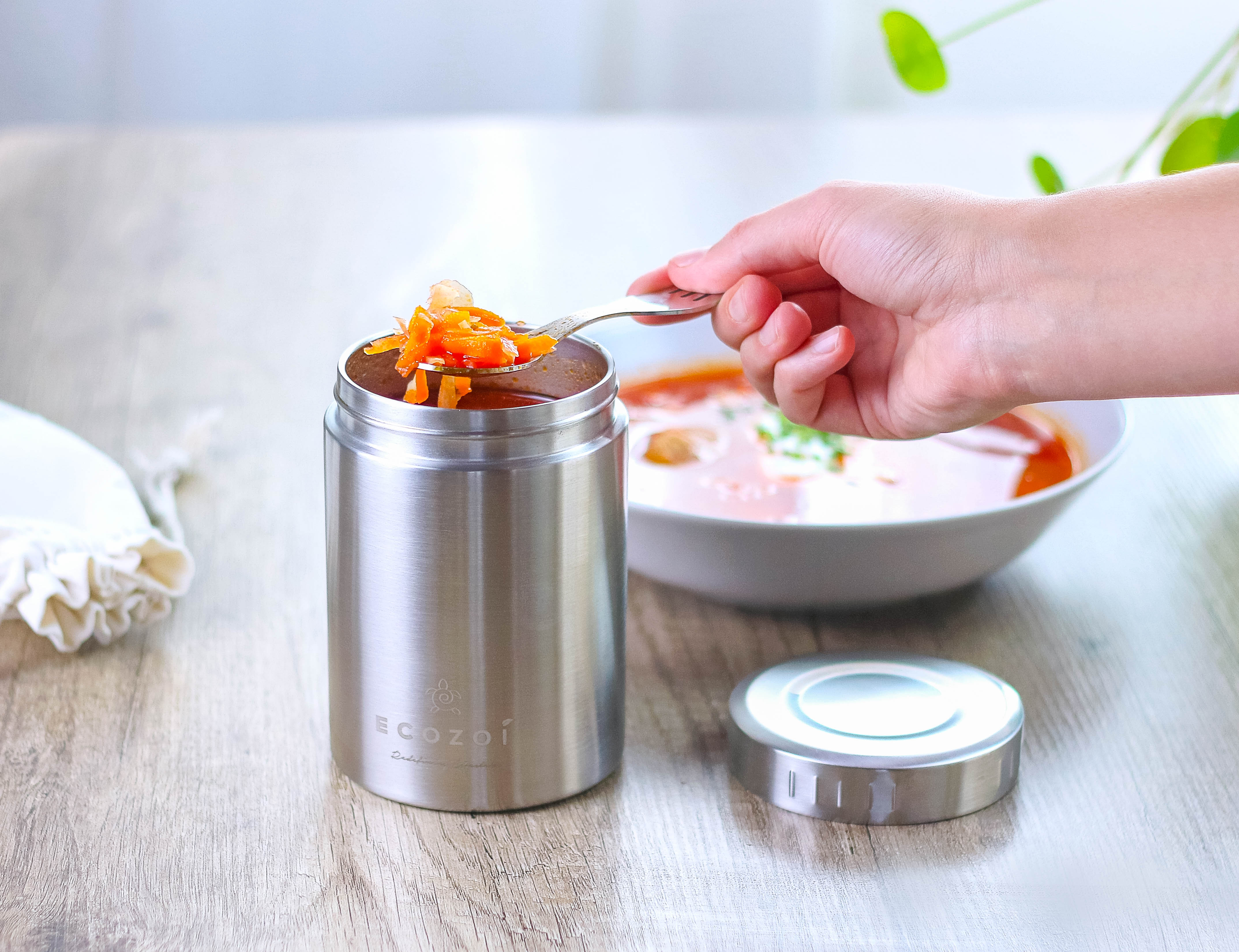
Ecozoi’s stainless steel food jars keep food hot for up to 12 hours and 24 hours cold. Those figures describe the jar. A rating of up to 12 hours names a ceiling.
Can You Keep Meat For A Long Time In A Thermos?
No. A jar sets no time limit for meat. Your thermometer does.
Meat and poultry spoil fast in the danger zone. The USDA lists meat, poultry, and dairy among the perishable items that an insulated bag keeps cold until lunch. Hot meat in a jar stays safe while it reads 140°F or higher. After a drop below 140°F, the two-hour limit applies from the moment of the drop.
Pack A Thermos Lunch The Safe Way
- Preheat the jar with boiling water.
- Fill it with steaming food. Warm food leaves almost no margin, as the macaroni and cheese showed.
- Close the lid and keep it closed until you eat.
- Probe the food with a thermometer before the first bite.
Cold food needs a different tool. An insulated lunch bag with at least two cold sources, such as frozen gel packs or frozen water bottles. Place one above the food and one below. On a summer hike with air above 90°F, cold food gets one hour once it warms past 40°F.
Test Your Jar Before You Trust It
Pack your usual hot lunch on a day off, with the jar preheated. Probe the food at the hour you normally eat.
Michigan State University Extension tells cooks to use a food thermometer when holding hot food, to confirm it stays at 140°F or higher. A lunch jar holds hot food, so the advice fits.
A reading of 140°F or higher means the jar handles your schedule. A lower reading means you heat the food hotter or shorten the gap between packing and eating. If neither fits your day, pack a cold lunch in an insulated bag with two cold sources.
Repeat the test with each food you pack. Soup and macaroni and cheese start at different temperatures, so they give different readings. Write each number on a sticky note and keep it near the jar. Next time you pack the same lunch, you know your margin before you leave the house.
Stainless Steel Thermos Food Jars From Ecozoi
Ecozoi sells vacuum-insulated stainless steel food jars in two sizes. The 12 oz jar suits young children and small snacks, and the 17 oz jar suits adult lunches. Each comes with a spork. Our products hold up to 12 hours hot and 24 hours cold, and our FAQ advises preheating with boiling water. Treat those hours as an insulation rating.
The 140°F and 40°F limits apply to Ecozoi jars and every other brand, so run the thermometer test with your usual lunch before you rely on any jar.
FAQs
1. Is thermos food still safe to eat at lunchtime?
Check the temperature, not the clock. Slide a probe thermometer into the center of the food as soon as you open the lid. Every minute with an open lid lets heat out. At 140°F or higher, eat.
Below 140°F, the food entered the danger zone at a time you do not know. If you lack proof it has been under two hours, throw it out.
2. How long can I keep cold milk in a thermos?
A jar buys time only while the milk reads 40°F or below. Start there. Chill the jar with ice water first, the same logic as preheating in reverse, and pack it with two cold sources in an insulated bag.
Check the reading before you drink. Above 40°F, the two-hour limit applies from the moment of the rise, or one hour in air above 90°F. Cold food has the narrowest margin, as the tuna salad result showed.
3. How to preheat a stainless steel food jar?
Fill the jar with boiling water and let it sit for a few minutes. Pour the water out, add the hot food right away, and close the lid. The USDA gives these steps for soup and chili.
4. Can I pack meat, poultry, or dairy in a thermos?
Yes, when the food is hot. Cook meat and poultry to the safe minimum internal temperature, reheat leftovers to 165°F, and confirm 140°F or higher at lunchtime.
Cold meat and dairy belong in an insulated lunch bag with cold sources. Hot dairy dishes such as macaroni and cheese start with little margin, so heat them until they steam and test your jar first.
5. Can I save leftover food from a thermos for later?
Treat it as a leftover. FSIS says leftovers go into shallow containers and into a refrigerator at 40°F or below within two hours, because bacteria return to food after cooking.
Thermos stainless vacuum-insulated food jar with spoon safety covers the spoon as well as the jar. A used spoon carries bacteria back into the food. If you ate from the jar, throw out what remains, as Michigan State University Extension advises for perishable lunch items.


