






Is It Safe to Keep Food in a Thermos? The 140°F and 2-Hour Rules
Packing a warm, homemade meal for work, school, or outdoor adventures is one of the healthiest and most budget-friendly habits you can build. Whether it’s a comforting chickpea curry, hearty vegetable soup, or chili, enjoying a piping-hot lunch without searching for a microwave is a daily luxury.
However, a critical question often arises during meal preparation: Is it safe to keep food in a thermos for hours at a time?
When hot meals sit at lukewarm temperatures, they create an ideal environment for harmful bacteria to multiply. Understanding thermos lunch food safety, the USDA-defined temperature thresholds, and proper packing techniques ensures that your lunch remains delicious, nutritious, and completely safe to consume.
In this guide, we break down the 140°F hot-holding rule, the 2-hour limit, and step-by-step safety practices to keep your meals fresh inside a double-wall vacuum-insulated container.
Understanding the USDA Food Safety Danger Zone
To evaluate how long meals remain safe inside an insulated container, you must understand how bacteria behave in cooked food. According to the United States Department of Agriculture (USDA), bacteria grow most rapidly in the temperature range between 40°F and 140°F (4°C to 60°C). This range is formally known as the USDA food safety danger zone.
  +---------------------------------------------------------+
  |              HOT SAFE ZONE: Above 140°F                 |
  |     (Bacteria growth inhibited; safe for hot holding)   |
  +---------------------------------------------------------+
  |                   DANGER ZONE: 40°F - 140°F             |
  |  (Bacteria double every 20 mins; maximum limit = 2 hrs) |
  +---------------------------------------------------------+
  |             COLD SAFE ZONE: 40°F and Below              |
  |     (Bacterial growth slowed; refrigerated state)       |
  +---------------------------------------------------------+
When food falls inside this danger zone, microorganisms like Salmonella, Staphylococcus aureus, and Escherichia coli can double in population in as little as 20 minutes.

To maintain food safety:
-
Hot foods must be held at 140°F (60°C) or higher.
-
Cold foods must be held at 40°F (4°C) or lower.
If your packed lunch drops below 140°F and lingers in the danger zone, it becomes susceptible to bacterial contamination that cannot be undone simply by reheating later.
How Long Can Food Stay in a Thermos Safely?
A common question among meal preppers is: how long can food stay in a thermos safely?
The duration depends heavily on whether your food jar maintains a internal temperature above 140°F:
-
The Standard 2-Hour Rule: If cooked food sits in the temperature danger zone (between 40°F and 140°F), it must be consumed or discarded within 2 hours. If the ambient environmental temperature exceeds 90°F (32°C), that safe window drops to 1 hour.
-
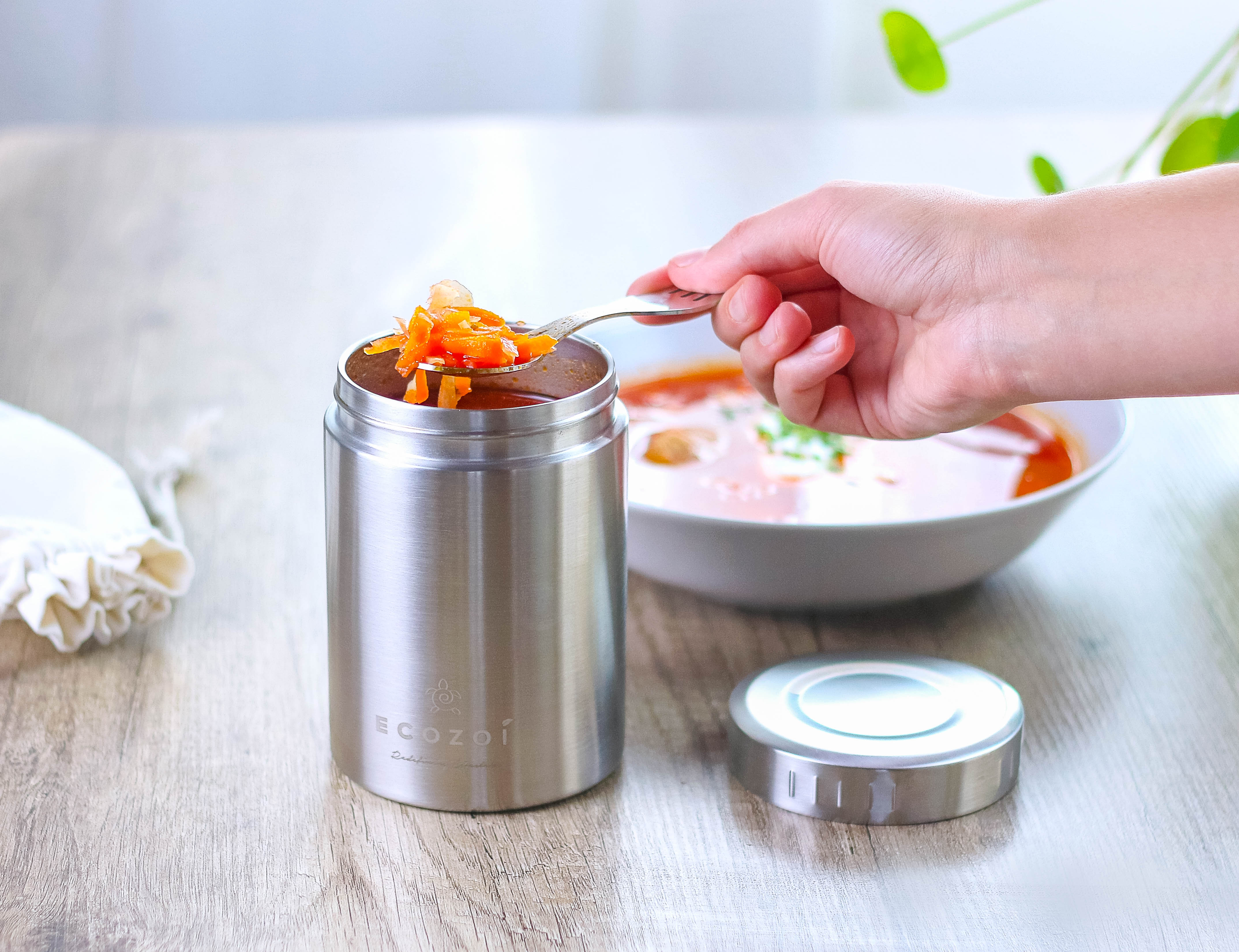
The Insulated Hot-Holding Window: When you use a high-performance Ecozoi Stainless Steel Insulated Food Jar and preheat it correctly, the double-wall vacuum insulation seals in heat, keeping hot contents above 140°F for 5 to 7 hours. This ensures your meal stays outside the danger zone right up until lunchtime.
If food has been resting inside a thermos that has lost its heat—rendering the contents lukewarm—do not risk eating it after 2 hours.
Step-by-Step Guide: How to Preheat a Stainless Steel Food Jar
If you pack hot food directly into a cold or room-temperature stainless steel container, the metal will immediately draw heat away from the food. This sudden drop in temperature can cause your meal to enter the danger zone within a couple of hours.
Preheating your food jar charges the interior stainless steel walls so no thermal energy is stolen from your meal.
  Step 1: Fill jar with boiling water (212°F) -> Wait 10 Minutes
  Step 2: Heat food on stove/microwave until piping hot (165°F+)
  Step 3: Empty water, wipe dry, and pack hot food immediately
  Step 4: Seal lid tightly to lock in steam and vacuum pressure
Preheating Instructions:
-
Boil Water: Bring water to a full rolling boil (212°F / 100°C).
-
Prime the Jar: Fill your food container to the brim with boiling water and close the lid loosely.
-
Wait 10 Minutes: Let the thermal mass of the stainless steel absorb the heat.
-
Heat the Food Piping Hot: While the jar preheats, heat your soup, stew, pasta, or rice on the stove or in the microwave until it reaches at least 165°F (74°C).
-
Empty and Fill: Pour out the hot water from the jar, wipe the interior if needed, and immediately fill it with your hot meal.
-
Seal Instantly: Secure the lid tightly to prevent thermal leakage.

For more natural heat-retention techniques, explore our guide on natural methods to keep your lunch warm.
Can You Keep Meat, Poultry, or Dairy for a Long Time in a Thermos?
Perishable proteins require strict temperature control because they foster bacterial growth rapidly when warm.
Packing Hot Meat and Poultry
If you are wondering, can you keep meat for long time in a thermos?, the answer is yes provided the internal temperature stays strictly above 140°F.
-
Always cook beef, chicken, pork, or seafood to its recommended safe internal cooking temperature first.
-
Bring saucy meat dishes (like chicken curry, beef stew, or meat sauce) to a boiling simmer before packing.
-
Liquids and gravies hold heat far better than solid, dry meats. If packing solid meat, combine it with a hot sauce or broth to maintain thermal mass.
Packing Cold Dairy and Chilled Foods
The same principles apply in reverse for cold items like milk, yogurt, pasta salad, or smoothies.
-
To pack cold dairy safely, pre-chill your food jar by filling it with ice water for 10 minutes.
-
Dump the ice water and fill the container with chilled dairy directly from the refrigerator (at or below 40°F).
-
A quality food jar will keep dairy cold for up to 12 hours, keeping it safely outside the danger zone.
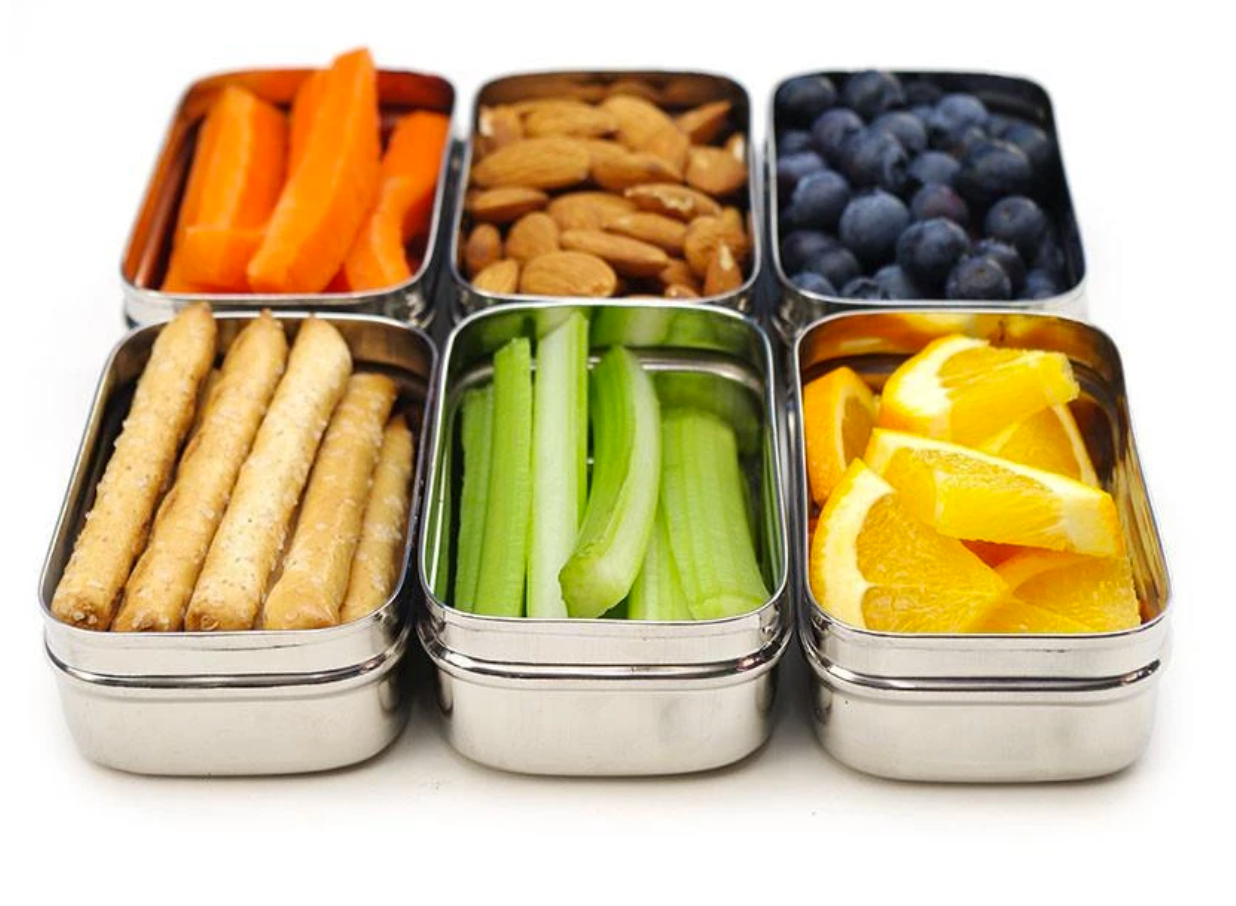
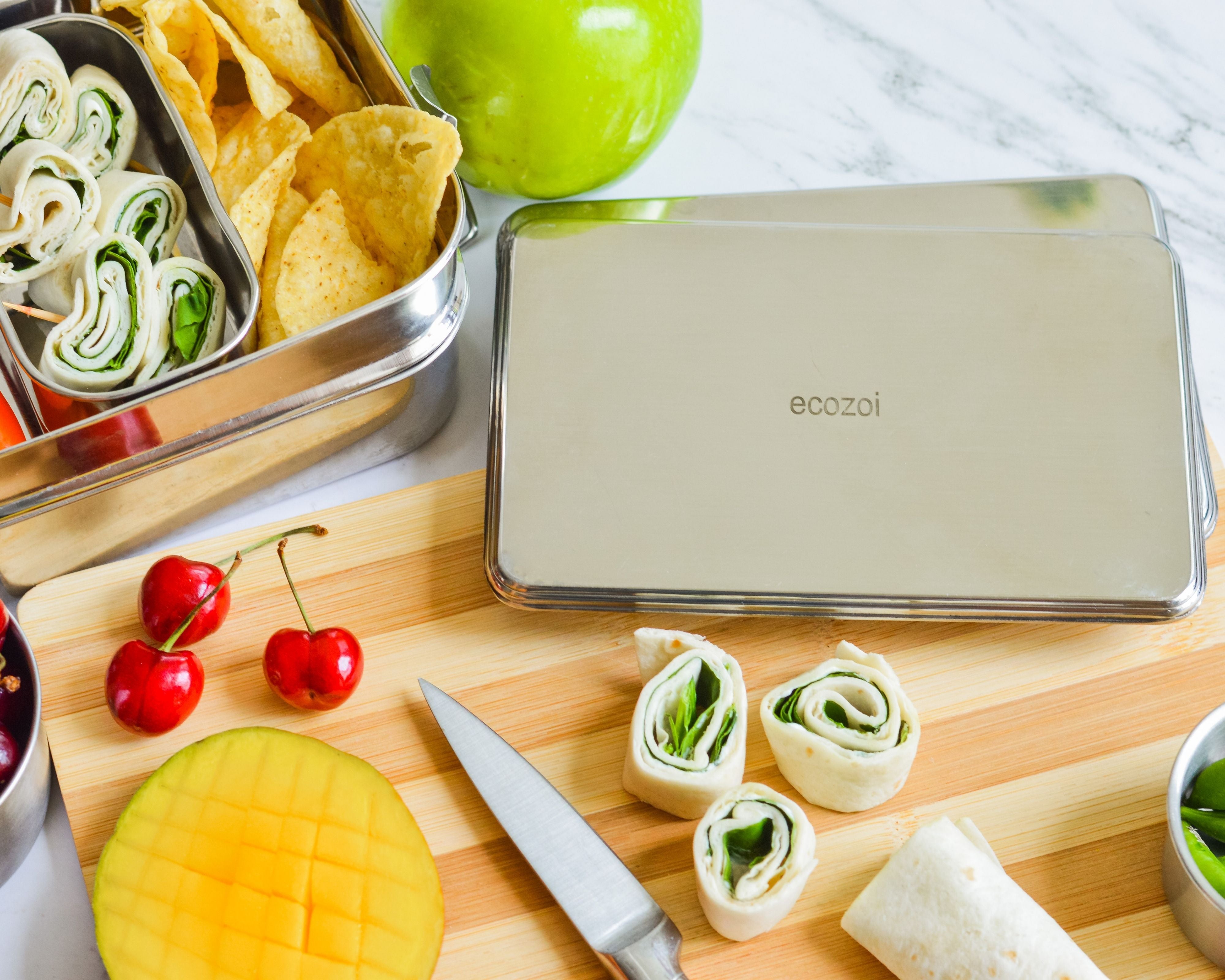
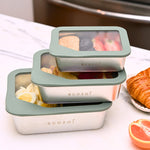
For dry foods or modular meals that do not require thermal insulation, explore our durable leak-proof stainless steel lunch boxes or read our breakdown comparing tiffin boxes vs. bento boxes.
Why Food-Grade 304 Stainless Steel Matters for Safety
The material of your food jar plays a central role in hygiene and long-term durability. Modern food containers should be made from food-grade 304 (18/8) stainless steel.
| Feature | Food-Grade 304 Stainless Steel | Plastic Food Containers |
| Chemical Leaching | Zero BPA, BPS, phthalates, or microplastics | Can leach chemicals when exposed to heat |
| Odor & Stain Resistance | Non-porous surface; resists lingering smells | Absorbs oils, food colors, and odors over time |
| Heat Retention | Supports double-wall vacuum thermal barriers | Poor insulation; loses heat rapidly |
| Durability | Shatterproof, rust-resistant, and long-lasting | Cracks, warps, or degrades after repeated washings |
Opting for a thermos stainless vacuum insulated food jar with spoon safety features ensures your food rests against non-reactive metal without toxic chemical exposure or plastic degradation.

FAQs
1. Is thermos food still safe to eat at lunchtime?
Yes, thermos food is completely safe to eat at lunchtime if you preheated the container with boiling water for 10 minutes, heated the food to at least 165°F before packing, and kept the lid unopened until eating. These steps ensure the meal remains above the 140°F safety threshold throughout the morning.
2. How long can I keep cold milk in a thermos?
Cold milk can be safely kept in a pre-chilled thermos for up to 6 to 12 hours, provided the temperature stays at or below 40°F (4°C). To maximize chill retention, fill the food jar with ice water for 10 minutes prior to packing cold milk.
3. How to preheat a stainless steel food jar?
To preheat a thermos stainless vacuum insulated food jar:
-
Fill the food jar with boiling water.
-
Close the lid and let it sit for 10 minutes to heat the inner steel walls.
-
Pour the water out and immediately fill the jar with piping-hot food.
-
Seal the lid tightly right away.
4. Can I pack meat, poultry, or dairy in a thermos?
Yes, you can safely pack meat, poultry, or dairy in a thermos. Hot meat and poultry must be cooked thoroughly and packed boiling-hot (above 165°F) with plenty of hot sauce or broth to hold heat above 140°F. Dairy items should be packed cold into a pre-chilled jar to stay at or below 40°F.
5. Can I save leftover food from a thermos for later?
No, it is not recommended to save leftover food from a thermos for later. Once you open the container and eat from it, bacteria from your mouth and utensil enter the jar. Additionally, as the food cools down into the 40°F–140°F danger zone, bacteria multiply quickly. Discard any uneaten leftovers at the end of lunch.
Final Thoughts: Fuel Your Day Safely with Ecozoi
Keeping food safe in an insulated container comes down to mastering simple temperature rules: keep hot foods above 140°F, keep cold foods below 40°F, and never let meals linger in the USDA danger zone for more than 2 hours.
By using a premium thermos stainless vacuum insulated food jar, preheating with boiling water, and packing piping-hot meals, you can enjoy healthy, homemade lunches wherever your day takes you.
Ready to elevate your daily lunch routine with sustainable, plastic-free solutions? Explore Ecozoi's Stainless Steel Insulated Food Jars and zero-waste lunch accessories today!


