






Tiffin Box vs Bento Box: What's the Difference?
A stainless steel lunch box does more than carry food. It shapes how you pack meals, how neat your lunch stays, and how easy your routine feels during a busy day. When people compare a tiffin box and a bento box, they often want the same thing: a simple way to pack lunch without spills, waste, or wasteful plastic.
The two serve a similar purpose, but their design, structure, and daily use are not the same. If you want a lunch option for work, school, travel, or meal prep, knowing the difference helps you choose the right fit.
Key Takeaways
● A tiffin box stacks separate tiers vertically and originates from India. A bento box uses side-by-side compartments inside one flat container and comes from Japan.
● Both work well for adults at work. Your choice depends on what you eat and how much you carry.
● Stainless steel versions of both are available, plastic-free, BPA-free, and built to last for years.
● Standard stainless steel tiffin and bento boxes are not microwave-safe. Certain snap-on bento designs (like Ecozoi's microwave-safe line) are the exception.
● Both are far more eco-friendly than single-use plastic bags or disposable containers.
What Is a Tiffin Box?
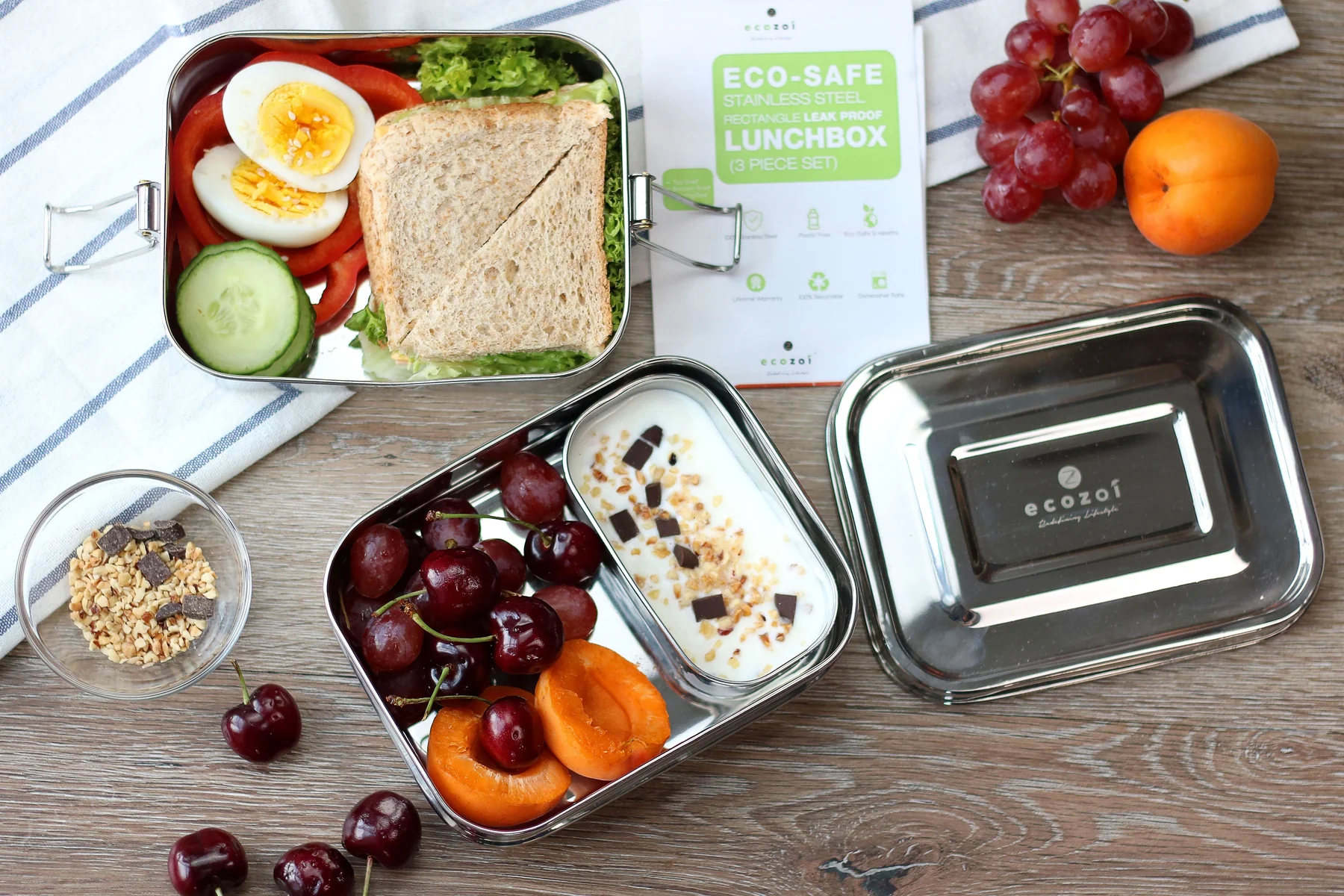
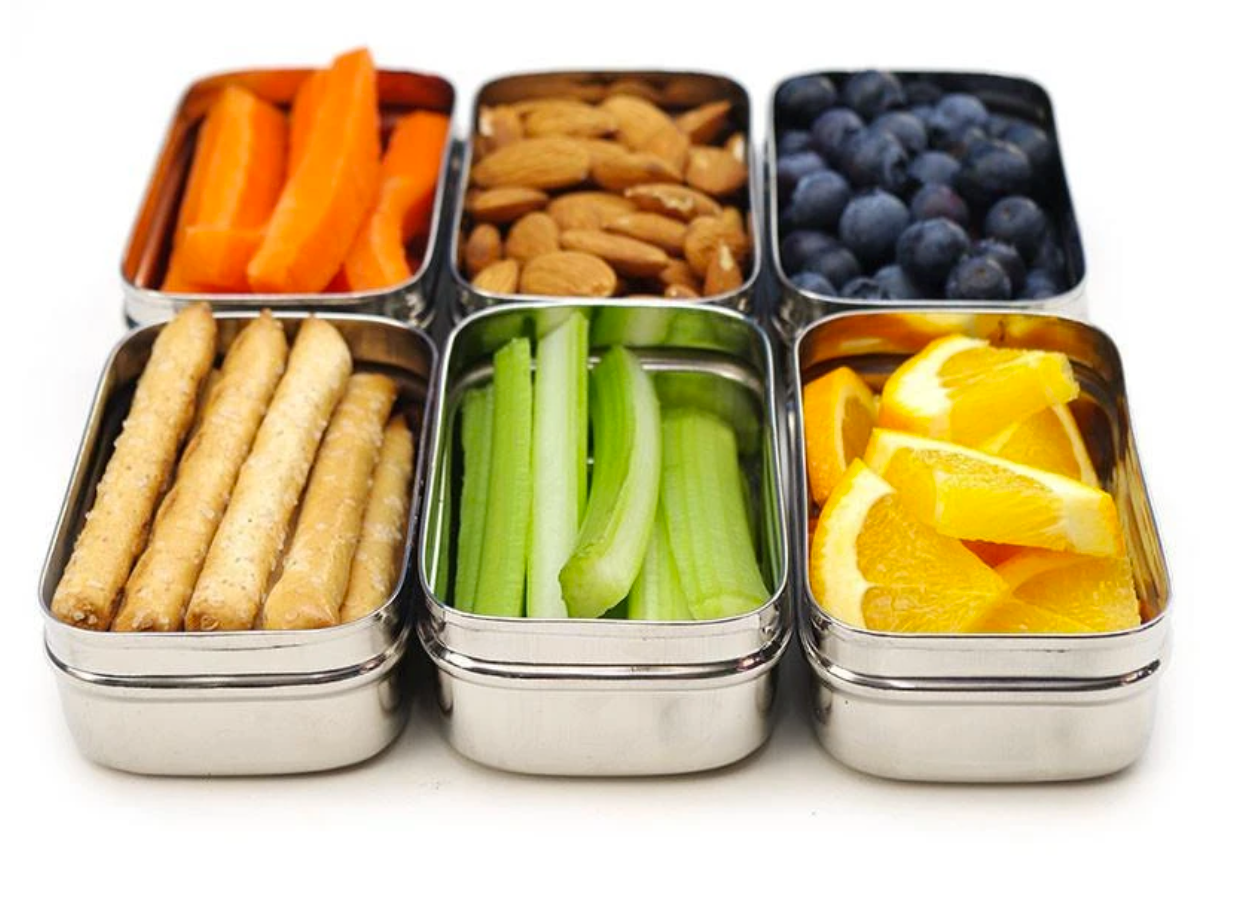
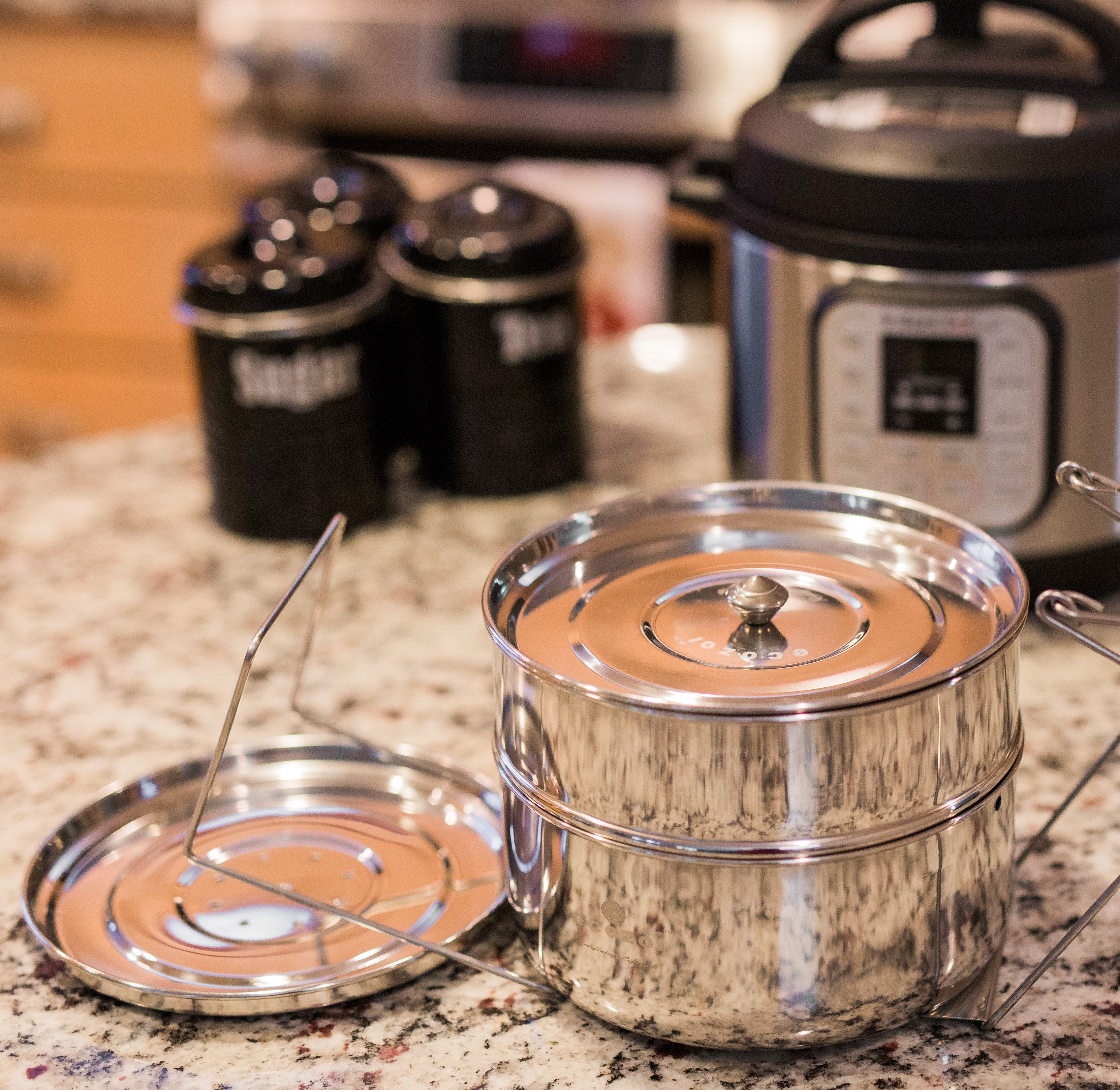
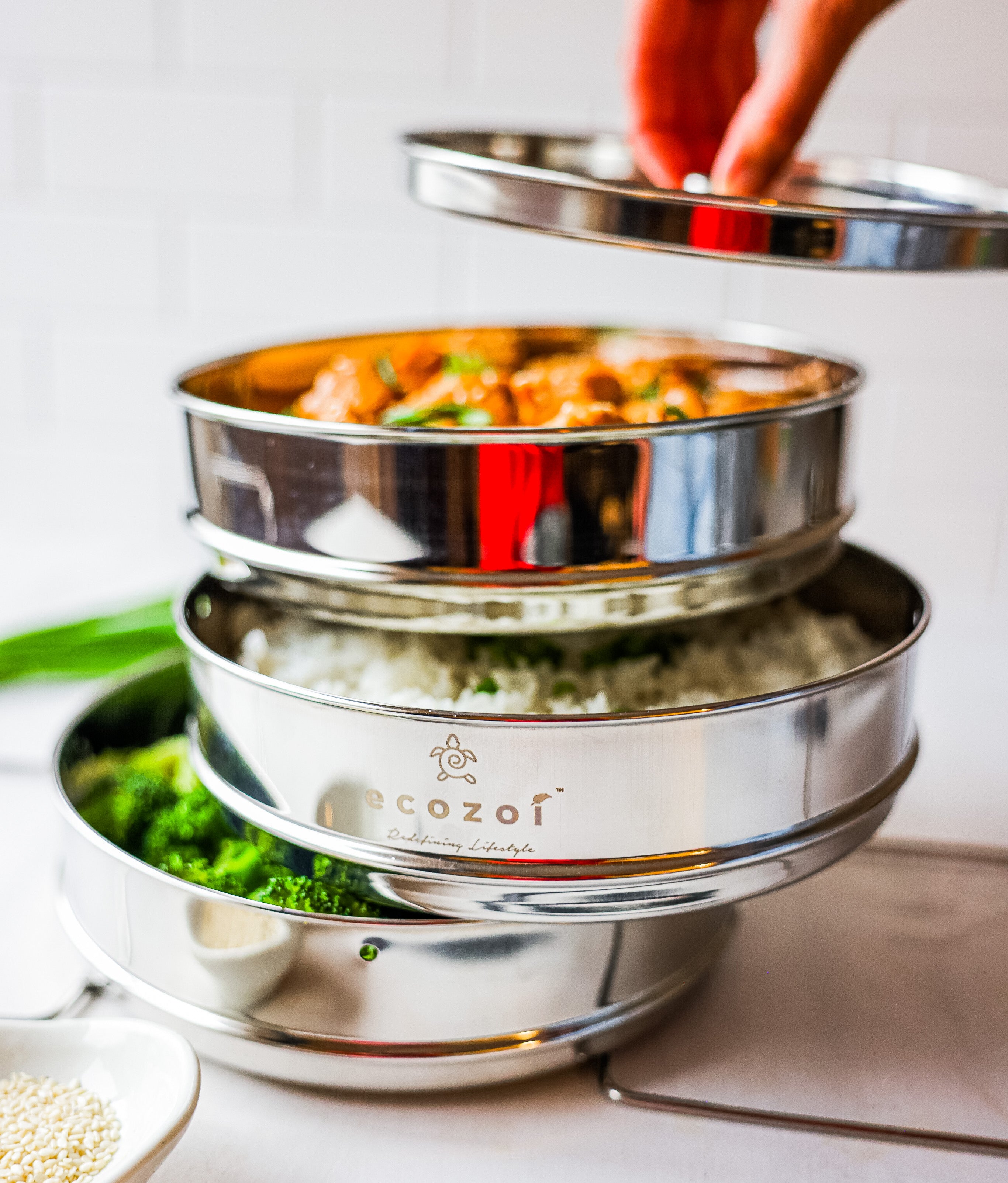
A tiffin box is a stackable lunch box made of separate square, round or oval tiers that clip together with a side latch and a top handle. Each tier holds one dish.
The word "tiffin" comes from Anglo-Indian usage and refers to a light midday meal, a packed lunch, and the container it was packed in. While the British coined the term, the boxes themselves have been used for centuries in India, with early versions inspired by earthen pots stacked to transport temple food. The standard design, usually three or four compartments stacked and tightly sealed, was built to keep food warm and secure during transit.
Today, a stainless steel tiffin box is one of the cleanest lunch-packing options available. It holds no plastic, leaches nothing into food, and resists stains and odors with daily use.

What Is a Bento Box?
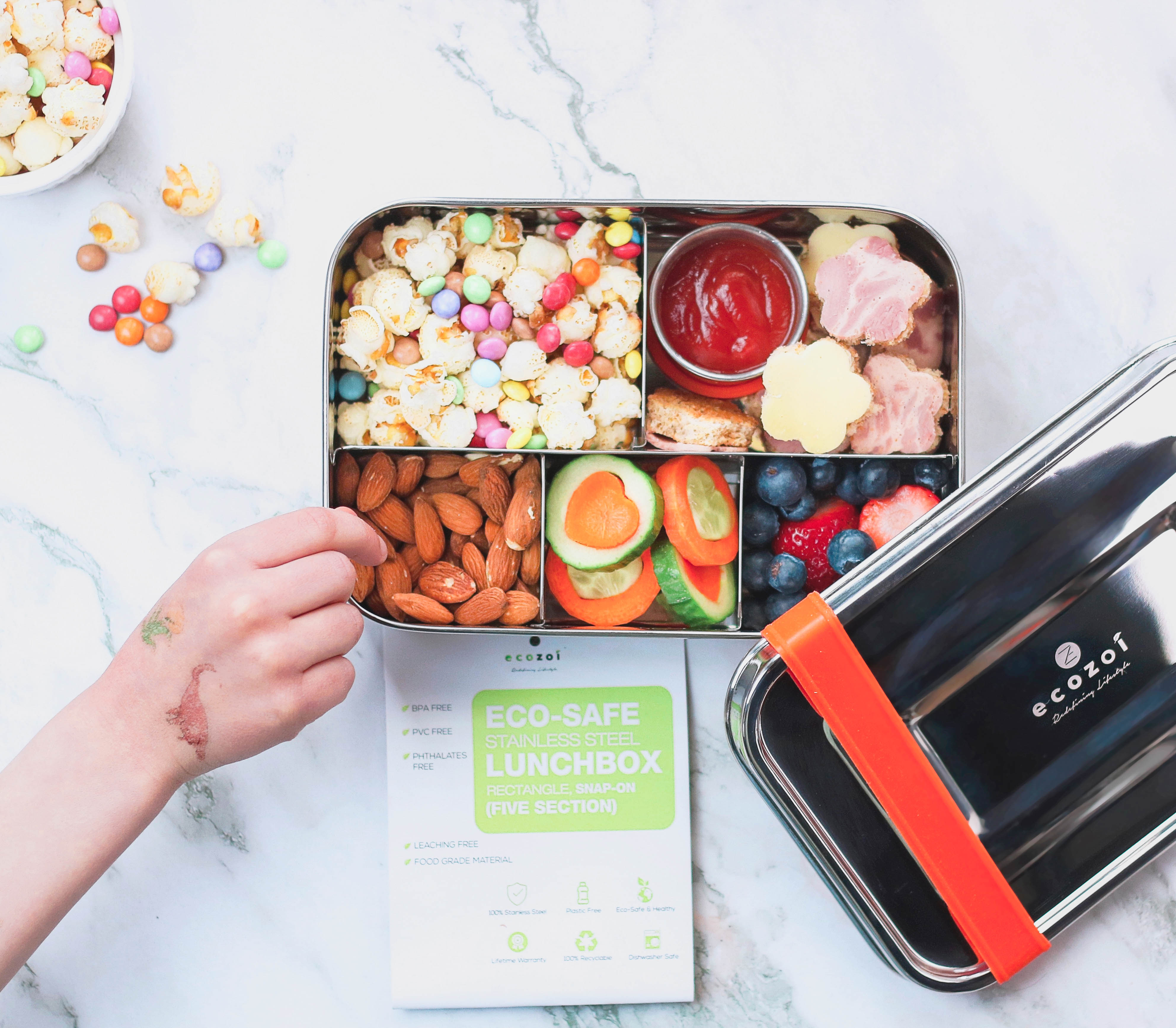
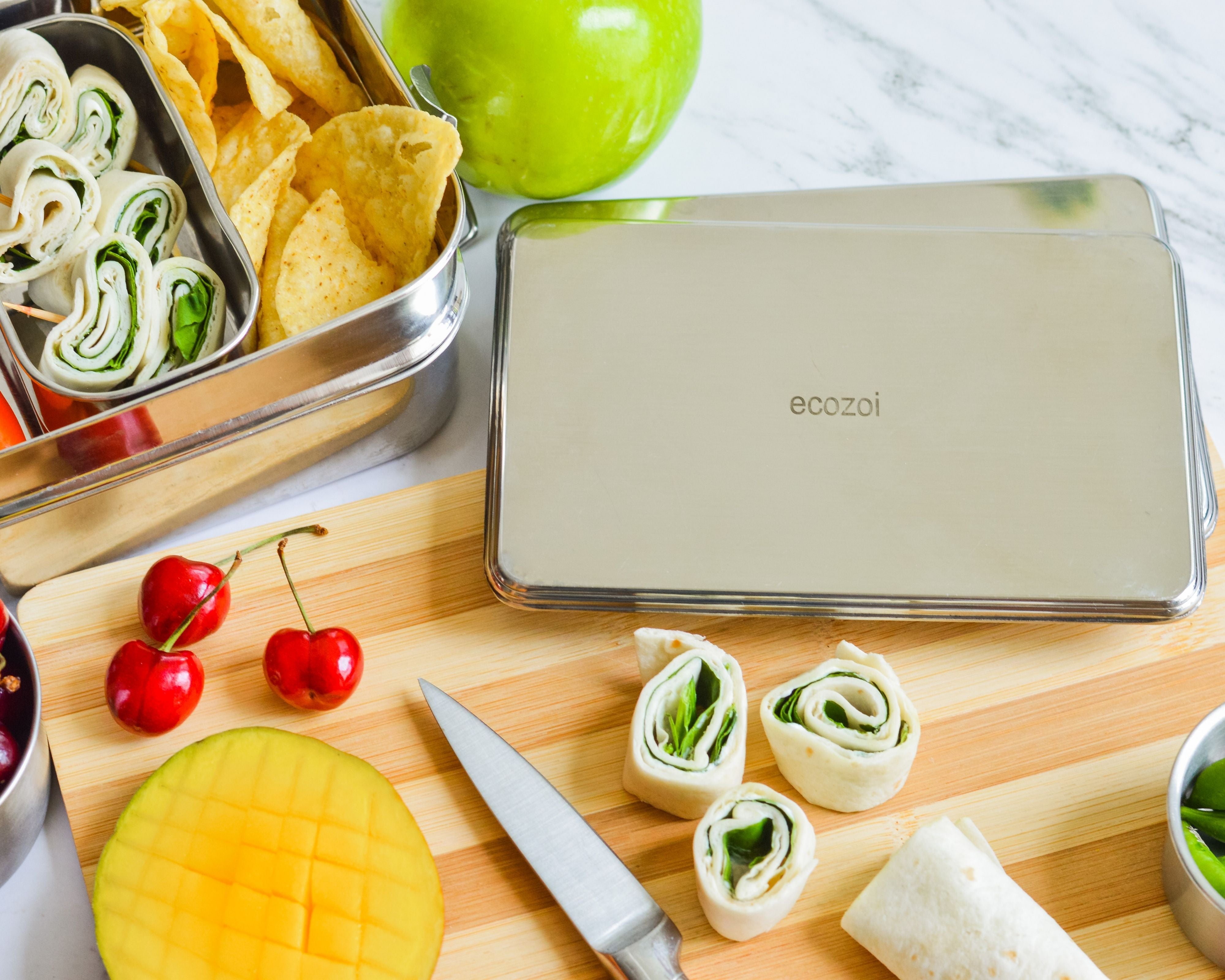
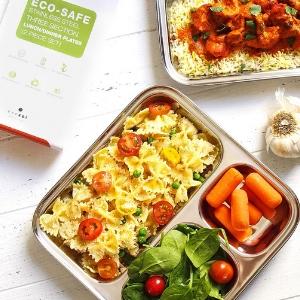
A bento box is a flat, single-unit container divided into side-by-side sections. It is a Japanese-style lunch box, traditionally packed with a balanced meal: rice, protein, and a few colorful side dishes.
Bento boxes have a long history. They started with ancient Japanese travelers carrying food. Over time, they became popular for Japanese homemakers sending packed lunches to their families. Traditional bento boxes are divided into sections, which keeps food apart and looks appealing.
A stainless steel bento box gives you the same benefits: no plastic, no leaching, and easy cleaning. Unlike plastic containers, a stainless steel lunch box does not retain stains or smells and stays hygienic with daily use.
Tiffin Box vs Bento Box: Key Differences
|
Feature |
Tiffin Box |
Bento Box |
|
Origin |
India |
Japan |
|
Structure |
Stacked tiers (vertical) |
Compartments side by side (flat) |
|
Shape |
Round or oval tiers |
Rectangular or square |
|
Capacity |
2 to 4 separate tiers |
2 to 5 sections in one unit |
|
Food types |
Curries, rice, dal, wet dishes |
Dry meals, portions, balanced plates |
|
Portability |
Tall with a handle, clips shut |
Flat, fits in bags and backpacks |
|
Microwave |
Not safe (standard steel) |
Not safe (standard steel); some designs are safe |
What Is the Difference Between a Bento Lunch Box and a Tiffin Box?
The main difference is structure. A tiffin box stacks its compartments on top of each other. A bento box places its sections next to each other within one flat body.
This shapes what each does best.
A tiffin works well for wet, saucy meals. Each tier is sealed independently, so curries and gravies stay in their own container without touching your bread or rice. The vertical stacking also keeps larger volumes of food warm longer.
A bento box is better for portion control and visual meal planning. You see all your food at once when you open it. A two-section tiffin box is ideal for light eaters or quick office meals. A three-section bento lunch box means you carry balanced, practical, full meals. A four-section box is great for variety: mains, sides, salad, and a treat.

Can You Use a Tiffin Box for Lunch at Work?
Yes. Tiffin boxes are designed to be stackable and compact, making them easy to carry for busy individuals seeking a quick, hassle-free lunch. The clip-and-handle design means you carry everything in one hand, without needing a separate bag.
A stainless steel tiffin box for adults holds standard work portions across 3 tiers. You can pack rice in one tier, a curry in the second, and a side salad or fruit in the third. Nothing mixes. Nothing leaks.
Tiffin boxes are dishwasher safe and freezer safe. They keep snacks and food fresh for adults taking lunch to work, and they work just as well for picnics.
Are Bento Boxes Microwave-Safe?
It depends on the material.
Plastic bento boxes made from polypropylene are microwave-safe, lightweight, and convenient for everyday use. Plastic bento boxes generally go straight into the microwave.
Standard stainless steel bento boxes and tiffin boxes do not. Metal reflects microwave radiation and creates a fire risk.
Most people assume all stainless steel lunch boxes are incompatible with microwaves, but this is not entirely accurate. Certain snap-on designs that remove metal components like clips, hinges, and sealing mechanisms can be safely used in the microwave.
For standard tiffin boxes with clips and latches, stainless steel should never go in the microwave. To reheat at work or school, transfer the food to a microwave-safe plate, heat it, and return it to the tiffin for eating.
Which Is More Eco-Friendly?
Both are significantly more eco-friendly than plastic containers or disposable packaging.
Stainless steel bento and tiffin boxes are BPA-free, plastic-free, toxin-free, and reusable, making them the choice for people who focus on health and sustainability.
A single stainless steel lunch box replaces hundreds of plastic bags, cling film sheets, and disposable containers over its lifetime. Stainless steel does not degrade, does not absorb food odors, and does not need replacing if you take care of it.
Both tiffin and bento boxes score equally well here. The real variable is what they're made of, not which style you pick.
Can I Find Stainless Steel Options for Both?
Yes. Both tiffin boxes and bento boxes come in food-grade stainless steel.
Stainless steel stands out for its durability and ease of maintenance, making it a reliable, long-lasting option. Look for 304 food-grade stainless steel, also labeled 18/8. This grade resists rust and corrosion with daily use.
Ecozoi makes stainless steel versions of both. Our tiffin-style boxes use 2 to 4-tier stacking with a leak-proof seal. Our bento-style boxes use compartments in a flat design with silicone-sealed lids.
Which Is Better for Adults: Tiffin Box or Bento Box?
Neither is objectively better. Each fits a different way of eating.
Choose a tiffin box if you:
● Pack Indian meals, curries, dal, or other wet dishes.
● Eat large portions across multiple courses.
● Want to carry more food without a wider footprint.
● Prefer a single-handle design for commuting by train or bike.
Choose a bento box if you:
● Eat lighter, drier meals: sandwiches, salads, grains, proteins.
● Want to see all your food at once when you open the box.
● Need something flat that fits inside a laptop bag or backpack.
● Follow portion control or a structured meal plan.
Medium-sized bento boxes between 17 and 28oz suit most adults packing lunch for work or school. Larger boxes above 28oz work better for bigger appetites or teenagers.
For adults who pack traditional South Asian meals, a stainless steel tiffin carrier box handles gravity better. Curries and gravies sit inside sealed tiers instead of leaking across compartments.
For adults who pack Western-style lunches or meal-prepped portions, a stainless steel bento lunch box keeps everything visible and separated without requiring stacking.
FAQs
1. What is the difference between a bento lunch box and a tiffin box?
A bento lunch box places compartments side by side in one flat container. A tiffin box stacks separate tiers on top of each other, each holding a different dish. Tiffins handle wet, saucy meals better. Bento boxes work better for portioned, dry meals.
2. Can I use a tiffin box for lunch at work?
Yes. A tiffin carrier box with 3 tiers holds a full adult lunch. The clip-and-handle system keeps it secure during your commute. Stainless steel tiffin boxes are dishwasher safe, so cleanup takes seconds.
3. Which is more environmentally friendly, a tiffin box or a bento box?
Both are equally eco-friendly when made from stainless steel. They are reusable, plastic-free, and built to last years. The material matters more than the style: choose stainless steel over plastic for either type.
4. Can I find stainless steel options for both tiffin and bento boxes?
Yes. Stainless steel tiffin boxes and stainless steel bento boxes are both widely available. Look for food-grade 304 stainless steel. Ecozoi's range covers both styles with leak-proof seals and BPA-free construction.
5. Are bento boxes microwave-safe?
Plastic bento boxes (polypropylene) generally are. Standard stainless steel bento boxes are not. Certain specially designed stainless steel bento boxes have snap-on lids and no metal clips.
6. Which is better for adults, a tiffin box or a bento box?
A tiffin box is better for adults who pack curries, rice, or multi-course South Asian meals. A bento box works better for adults who pack dry meals, portions, or Western-style lunches. Both are practical, durable, and eco-friendly options for daily use at work.


