






Do Stainless Steel Lunch Boxes Keep Food Warm?
Packing a lunch that you can look forward to is one of the best ways to eat healthier, save money, and reduce single-use plastic waste. However, nobody likes opening their lunch box at noon only to find that their favorite homemade soup or pasta has turned cold and unappetizing. This common dilemma leads many to ask: does a stainless steel lunch box keep food hot?
If you are transitioning to a zero-waste lifestyle and want to ditch toxic plastics, stainless steel is the ultimate alternative. But when it comes to temperature retention, not all stainless steel containers are created equal.
In this comprehensive guide, we will explore the science behind thermal containers, teach you how to keep my lunch warm, and help you find a lunch box that stays hot until it’s time to eat.

Understanding Stainless Steel: Does It Insulate?
The short answer to the question—can stainless steel keep food warm?—is yes, absolutely. However, the type of stainless steel container you use makes all the difference in the world.
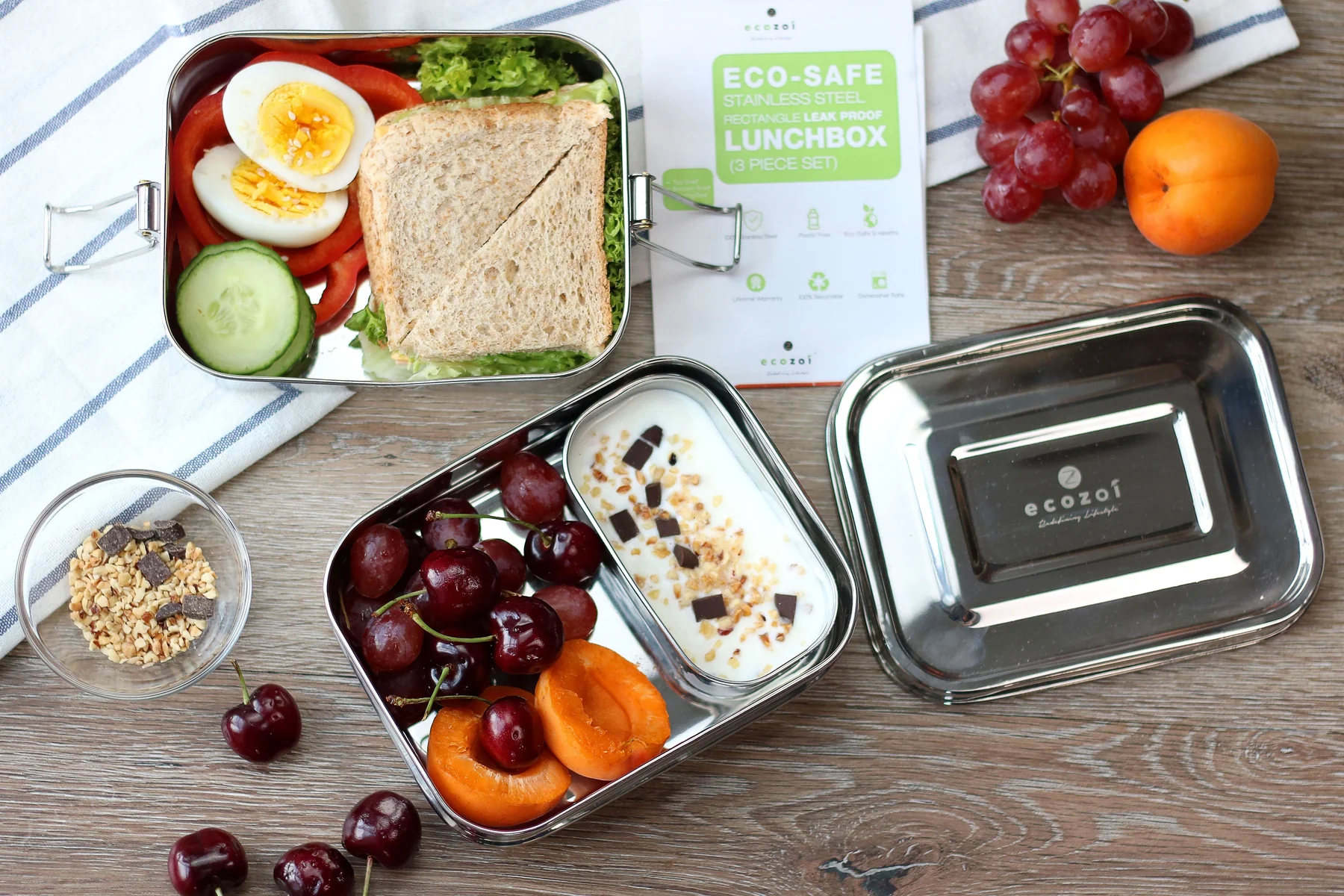
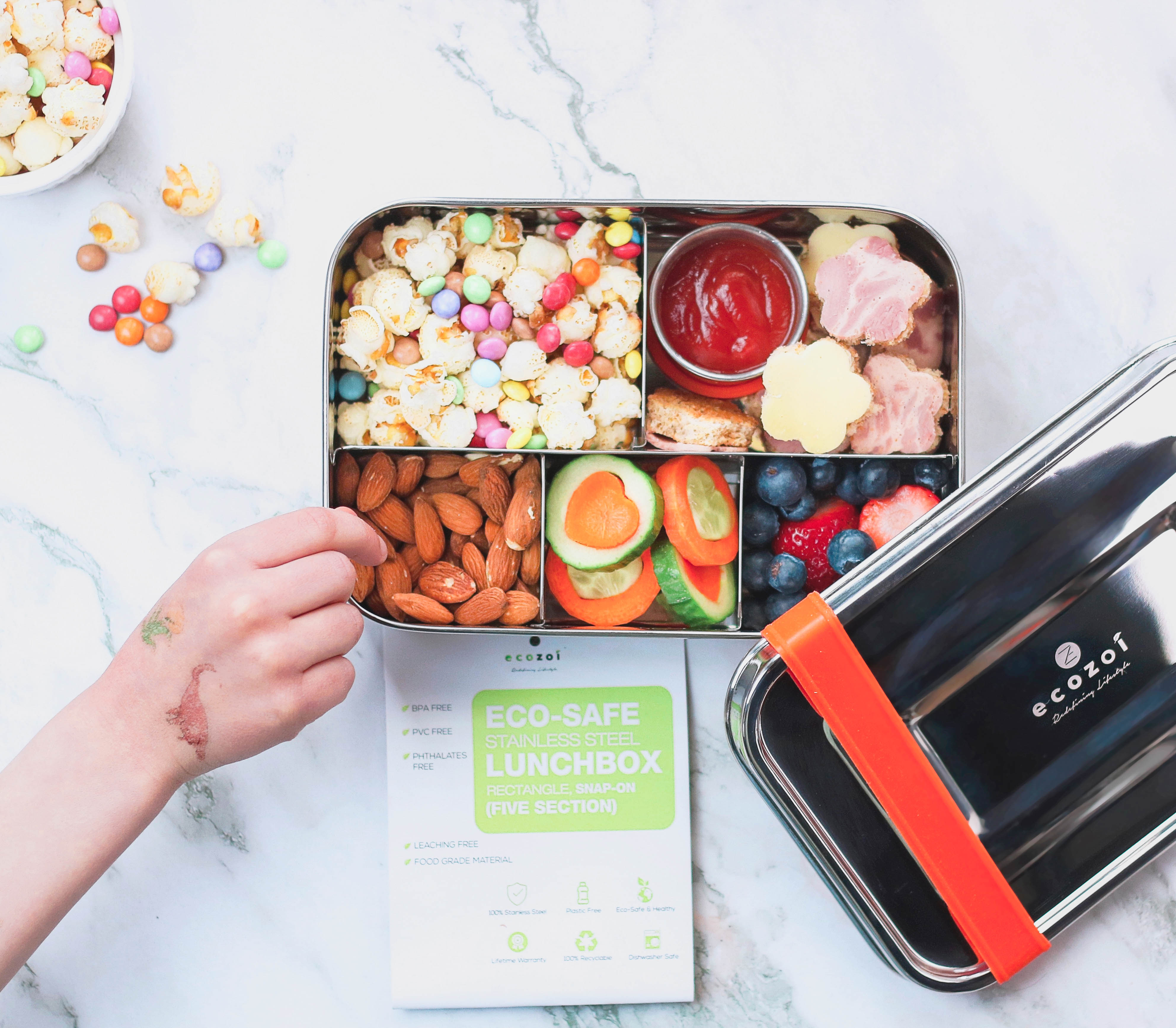
Stainless steel, by its very nature, is a conductor of heat. If you place piping hot food into a standard, single-wall stainless steel container, the heat will quickly transfer to the metal and escape into the surrounding air. While excellent for packing cold snacks, sandwiches, or room-temperature salads, a single-wall bento box won't keep your food hot for hours.
To keep meals steaming hot, you need a double-wall, vacuum-insulated stainless steel lunch box.
How Vacuum Insulation Works
A vacuum-insulated container features two walls of food-grade stainless steel with a gap of air removed (a vacuum) between them. Because heat needs a medium (like air) to travel through, the vacuum space acts as an invisible barrier. It prevents the heat of your food from escaping outward and prevents the cold air outside from getting in. This is the secret engineering behind any reliable lunch box that stays hot.
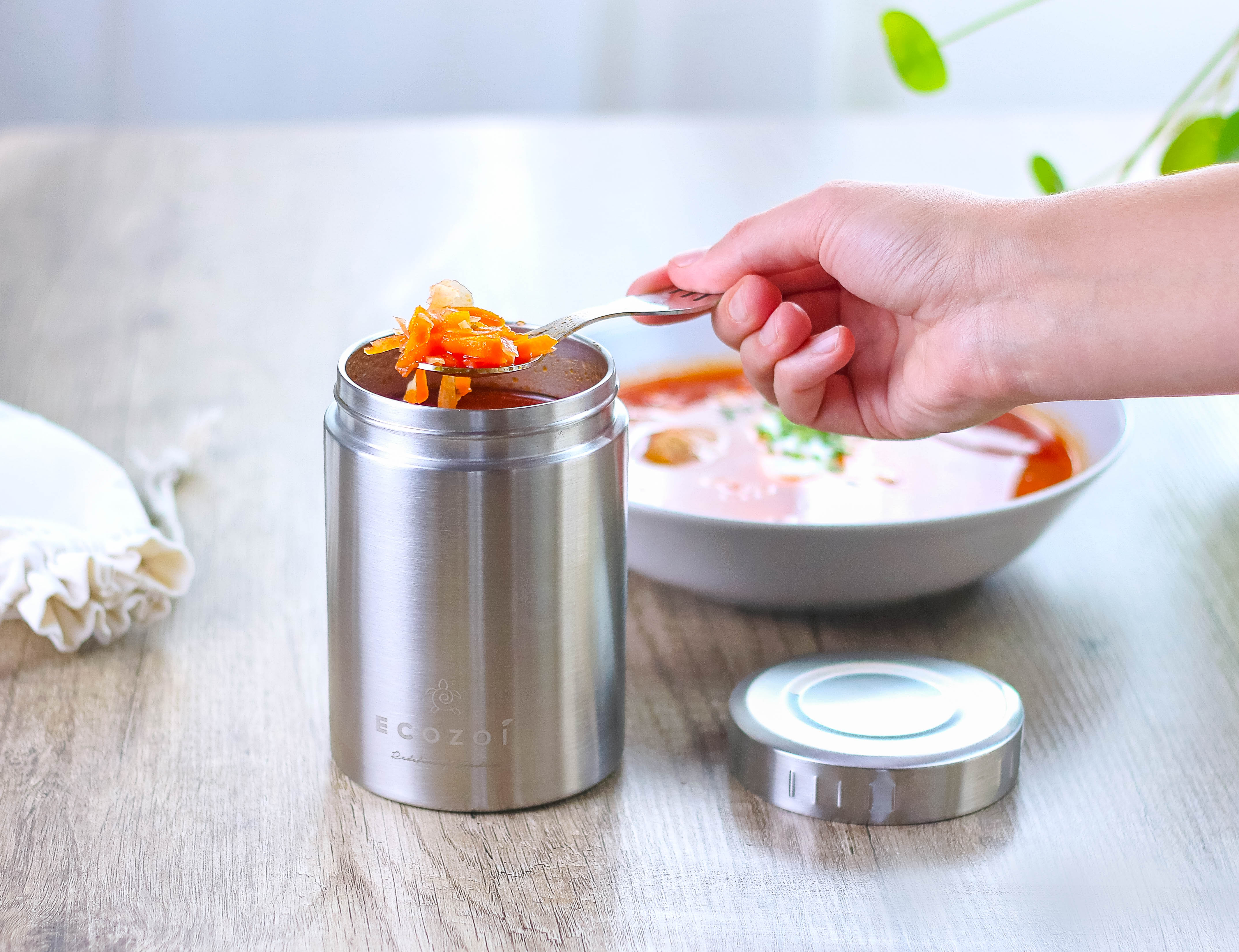
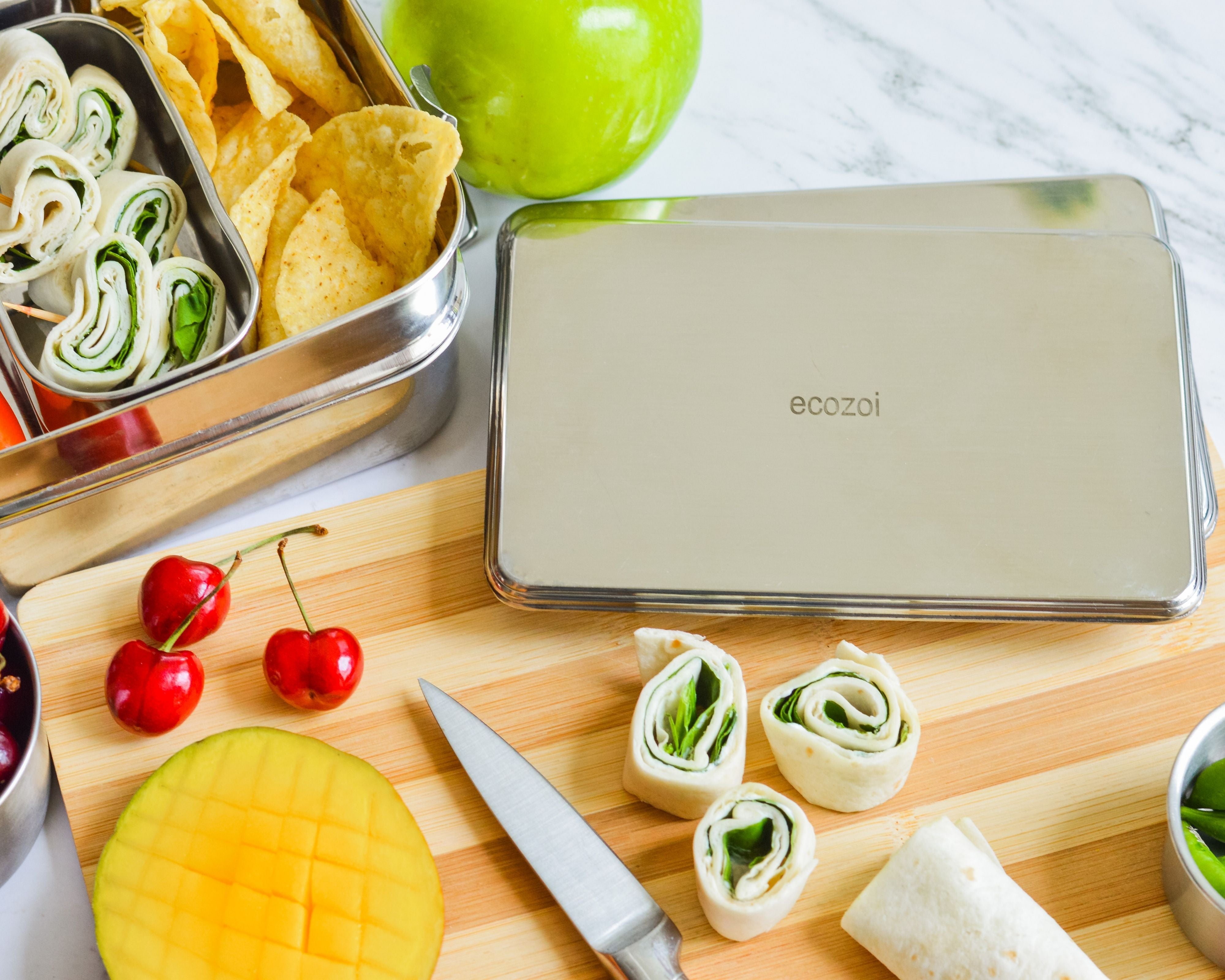
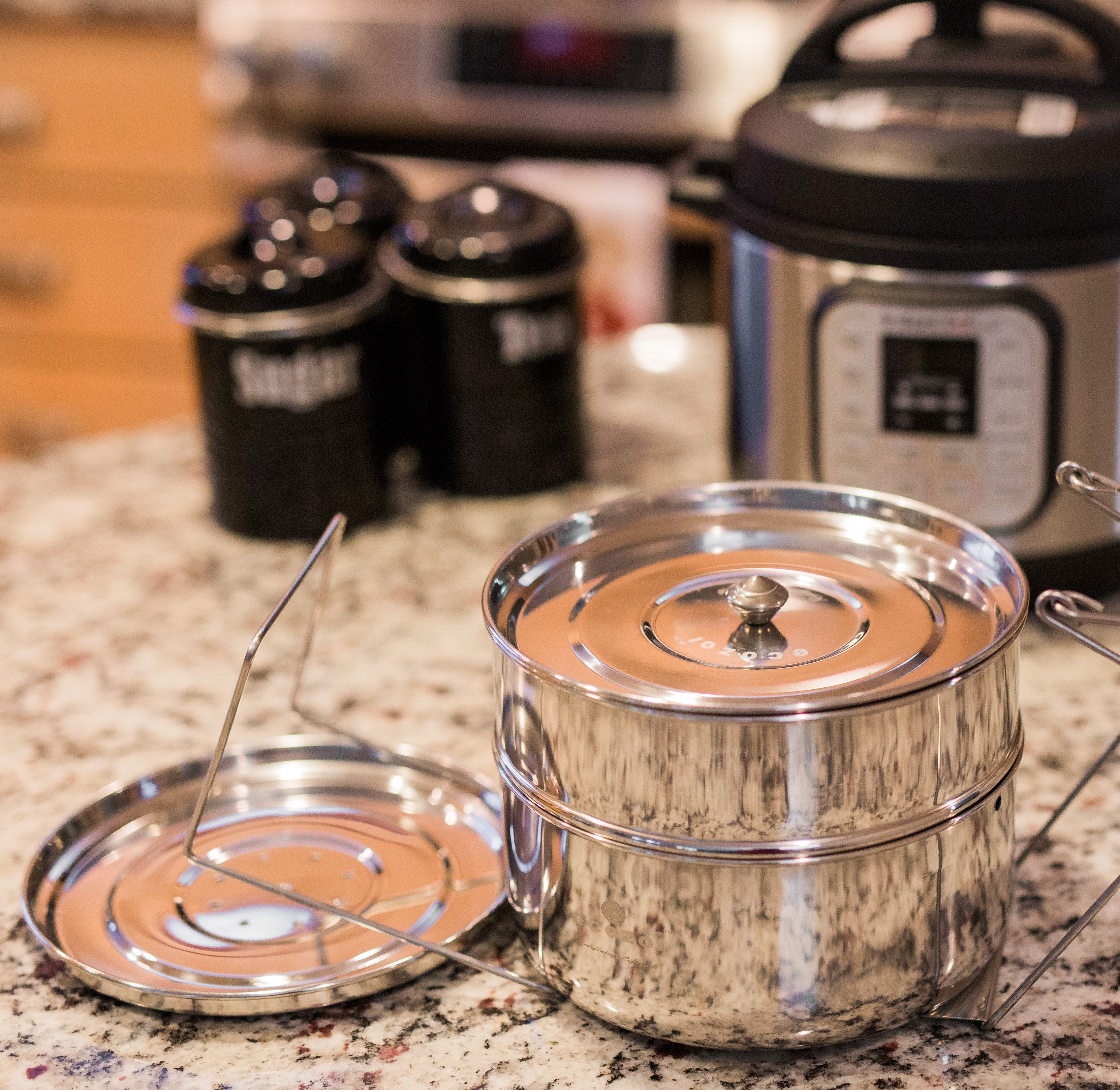
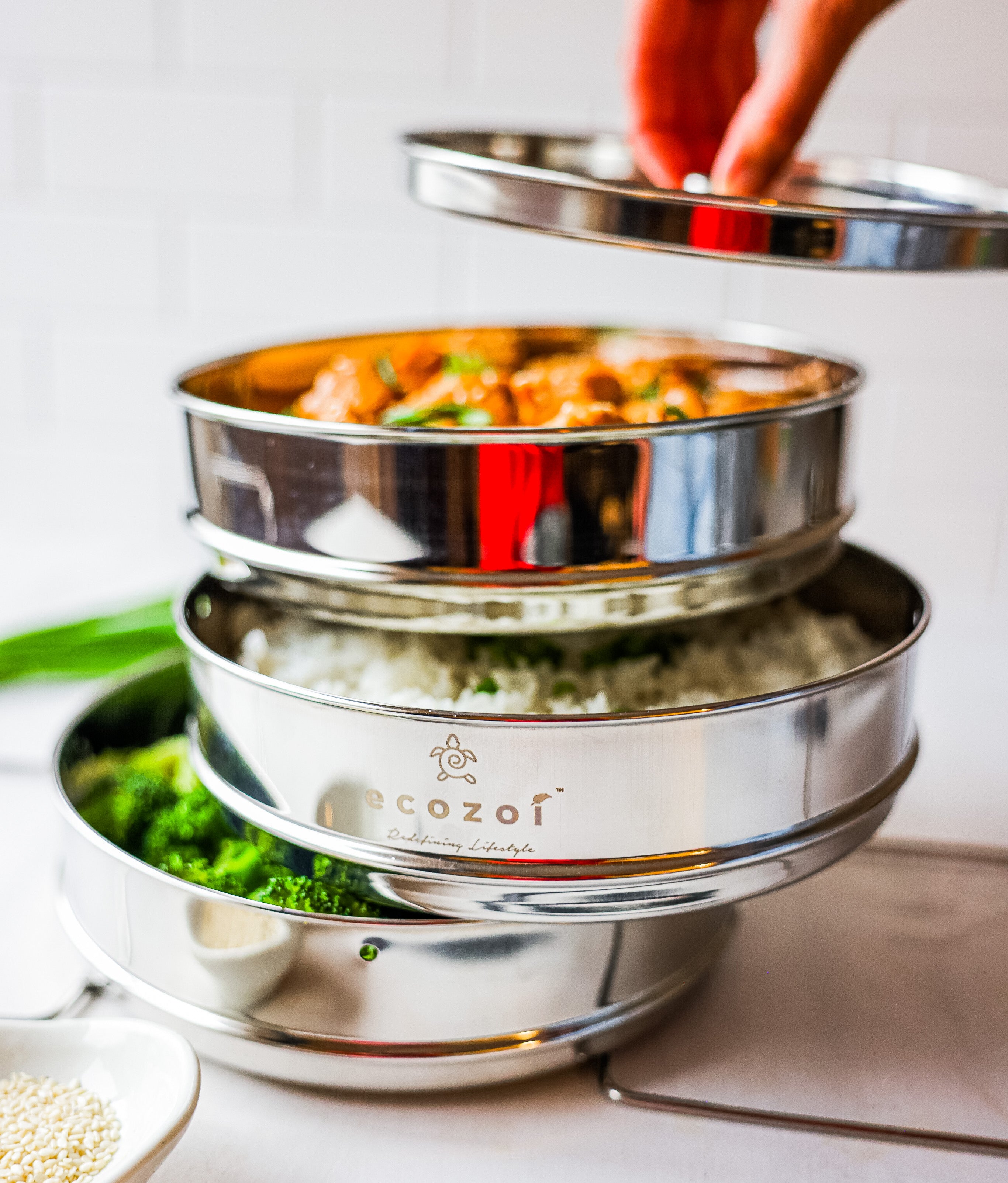
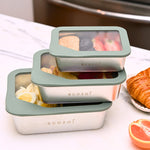
When you invest in high-quality, insulated Ecozoi Stainless Steel Bento Boxes, you are getting superior thermal retention that can keep meals hot for up to 4 to 6 hours, ensuring your mid-day meal is as comforting as when you packed it.
5 Pro Tips: How to Keep Food Warm in a Lunch Box
Even with the best insulated container, knowing exactly how to keep lunch box warm involves a few clever packing tricks. If you are constantly wondering, "How can I keep my lunch warm longer?" follow these five expert steps:
1. Pre-Heat Your Container
This is the golden rule of packing hot lunches. Before you put your food in, fill the insulated stainless steel container with boiling water. Let it sit with the lid on for 5 to 10 minutes. This pre-heats the inner steel wall. Carefully pour out the water, quickly wipe it dry, and immediately add your hot food. This prevents the metal from stealing heat from your meal.
2. Pack the Food Piping Hot
Don't just warm your food to an eating temperature; heat it until it is piping hot—hotter than you would normally eat it. By the time lunch rolls around, it will have cooled down to the perfect, safe eating temperature.
3. Fill It to the Brim
Air is the enemy of heat retention. The more empty space left in your container, the faster your food will cool down. To figure out how to keep food warm lunch box style, always fill your container to the top. If you only have a small portion, consider transferring it to a smaller insulated food jar rather than leaving a large container half-empty.
4. Utilize an Insulated Lunch Bag
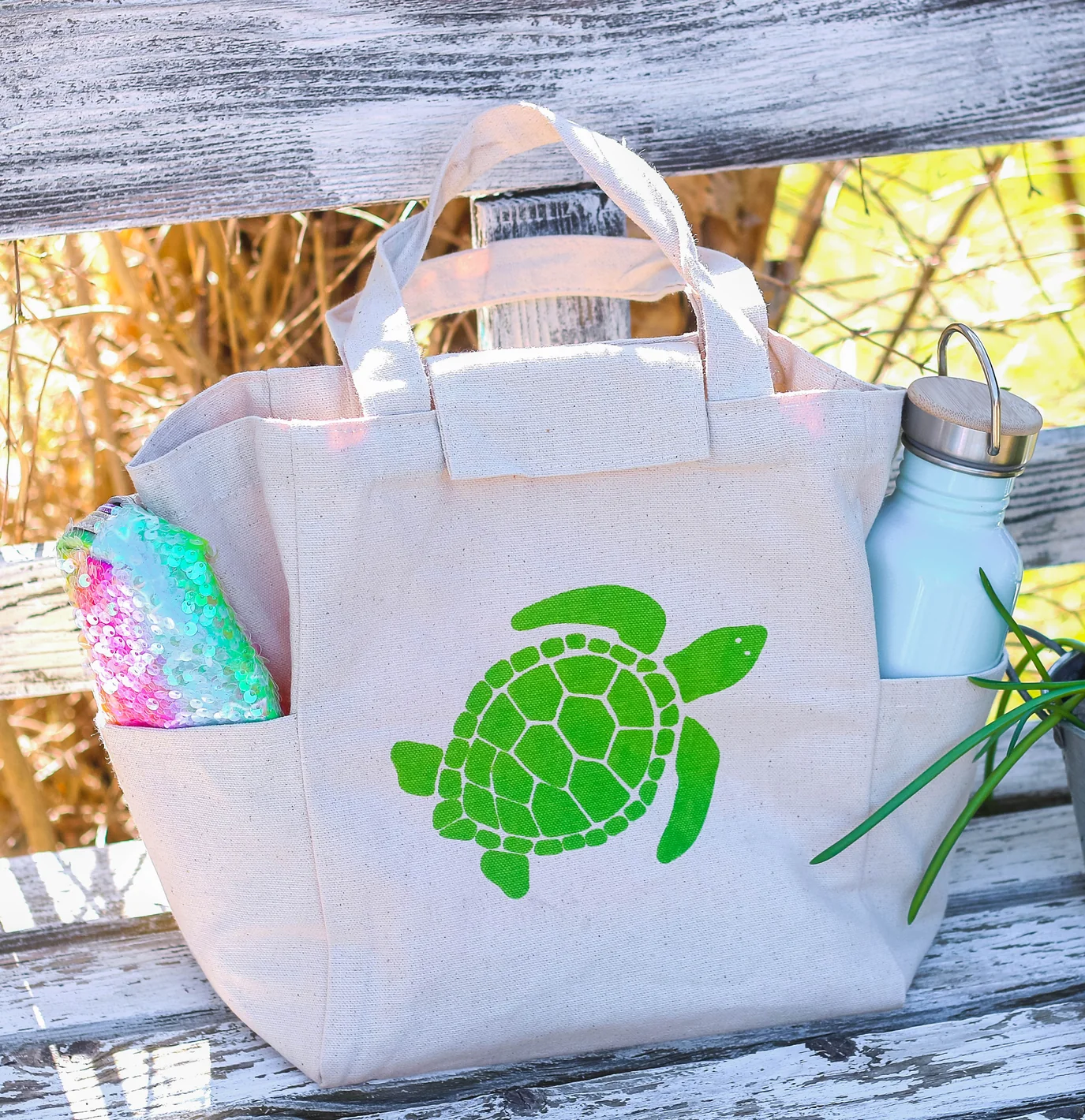
Double up on your insulation! Once your stainless steel thermal box is sealed, place it inside an insulated carry bag. You can find excellent eco-friendly options in our Reusable Lunch Bags collection. The bag adds an extra layer of protection against the cold outside air.
5. Add a DIY Heat Pack
If you really want to keep my lunch hot for an extended period, you can heat a reusable gel pack (or even a small cloth pouch filled with uncooked rice warmed in the microwave) and slip it into your lunch bag right next to your stainless steel container.

Why Choose Stainless Steel Over Plastic?
While we've established that insulated stainless steel is fantastic for temperature control, its benefits go far beyond just keeping your soup hot.
At Ecozoi, our mission is built around protecting your health and our planet. Here is why you should always choose stainless steel over plastic for your meals:
● Toxin-Free: Plastic containers, especially when exposed to hot foods, can leach harmful chemicals like BPA, BPS, and phthalates into your meal. Food-grade stainless steel is completely inert, meaning it won’t leach toxins, flavors, or odors.
● Incredible Durability: Plastic cracks, stains, and warps over time. Stainless steel is virtually indestructible. A good Ecozoi lunch box will last you a lifetime, making it a highly cost-effective choice.
● Eco-Friendly: Plastic pollutes our oceans and landfills. Stainless steel is 100% recyclable and supports a healthy, zero-waste lifestyle.
To complete your eco-friendly, plastic-free lunch setup, don't forget to pack a set of Ecozoi Reusable Utensils!
Best Foods to Pack in an Insulated Lunch Box
Now that you know the mechanics of a hot lunch, what should you pack? Certain foods hold their heat much better than others.
● Soups, Stews, and Chilis: Liquid-heavy foods are incredibly dense and hold heat exceptionally well.
● Curries and Rice: A thick vegetable curry over rice will stay steaming hot for hours inside a vacuum-insulated container.
● Pasta and Risotto: Dense carbs retain thermal energy beautifully. Ensure they are extra saucy so they don't dry out.

FAQs
1. Is stainless steel good for keeping food warm?
Yes, but only if it is double-wall vacuum insulated. Single-wall stainless steel is highly conductive and will let heat escape quickly. Double-wall vacuum-insulated stainless steel creates a barrier that traps heat inside, making it one of the absolute best materials on the market for keeping food warm for hours.
2. What is the best stainless steel lunch box to keep food warm?
The best stainless steel lunch box to keep food warm is one made from premium food-grade (18/8 or 304) stainless steel, featuring double-wall vacuum insulation and a leak-proof silicone seal. Products like Ecozoi’s insulated food jars and thermal bento boxes are designed specifically to lock in heat while remaining free of plastic toxins.
3. How to keep food warm in a stainless steel lunch box?
To maximize heat retention, always "pre-heat" your stainless steel container by filling it with boiling water for 10 minutes before adding your food. Heat your meal until it is piping hot, fill the container all the way to the top to eliminate cold air gaps, seal it tightly, and carry it in a secondary insulated lunch bag.
4. What food should not be stored in stainless steel?
While stainless steel is incredibly versatile, you should avoid storing highly acidic foods (like undiluted citrus juice or heavy vinegar-based items) or highly salted foods in it for prolonged periods (multiple days). While food-grade stainless steel is highly resistant to rust and corrosion, excessive long-term exposure to extreme acids or salts can eventually cause pitting or a metallic taste. For daily lunches, however, almost all foods—including tomato sauce—are perfectly safe for the few hours they sit in your box.
Conclusion
Saying goodbye to cold, uninspiring lunches is easier than you think. Does stainless steel keep food hot? With the right double-walled vacuum insulation and a few smart packing techniques, it absolutely does.
By taking five extra minutes in the morning to pre-heat your container and utilizing high-quality, eco-friendly gear, you can ensure that you and your children enjoy a comforting, hot meal anywhere you go. Not only will you be upgrading your lunchtime experience, but by choosing products like our stainless steel bento boxes, you are actively choosing to protect your health and preserve our beautiful planet.
Ready to revolutionize your lunch break? Explore our full collection of sustainable, eco-friendly food storage solutions at Ecozoi today and make cold lunches a thing of the past!


