






Stainless Steel vs. Glass vs. Silicone: Which Food Container Wins?
When it comes to organizing your kitchen, meal prepping for the week, or packing a lunch for work or school, the containers you choose play a massive role in your daily routine. In the quest to ditch single-use plastics and harmful chemicals like BPA, health-conscious consumers are turning to more sustainable, durable, and safe materials. But with so many options on the market, how do you know which one is the right fit for your lifestyle?
In the ongoing debate of Stainless steel vs glass containers and the rising popularity of silicone alternatives, making the right choice can seem overwhelming. Each material has its unique benefits and drawbacks. In this comprehensive guide, we will break down the pros and cons of stainless steel food containers, glass storage, and silicone options. We will compare their durability, safety, and everyday convenience to help you pick the best option for your household.
The Impact of Choosing the Right Food Container
Before diving into the specifics of each material, it is essential to understand why making the switch from plastic is so incredibly important for both you and the planet. Traditional plastic containers, even those clearly labeled "BPA-free," can degrade over time. As they break down, they can leach harmful microplastics and endocrine-disrupting chemicals (like BPS) into your meals—especially when exposed to high heat in the microwave or dishwasher, or when storing highly acidic foods like tomato sauce.
By upgrading to high-quality stainless steel lunch box, the best glass food storage containers, or a reliable silicone food container, you are investing in three major areas:
-
Your Health: Avoiding unseen toxins that can disrupt hormones, cause allergic reactions, and lead to long-term health issues.
-
The Environment: Actively reducing the millions of tons of single-use baggies and cheap plastic containers that end up polluting landfills and oceans every single year.
-
Your Wallet: Buying durable, long-lasting eco-friendly containers means you will no longer have to constantly replace cracked, stained, or warped plastic bins every few months.
Stainless Steel Food Containers: The Champion of Durability
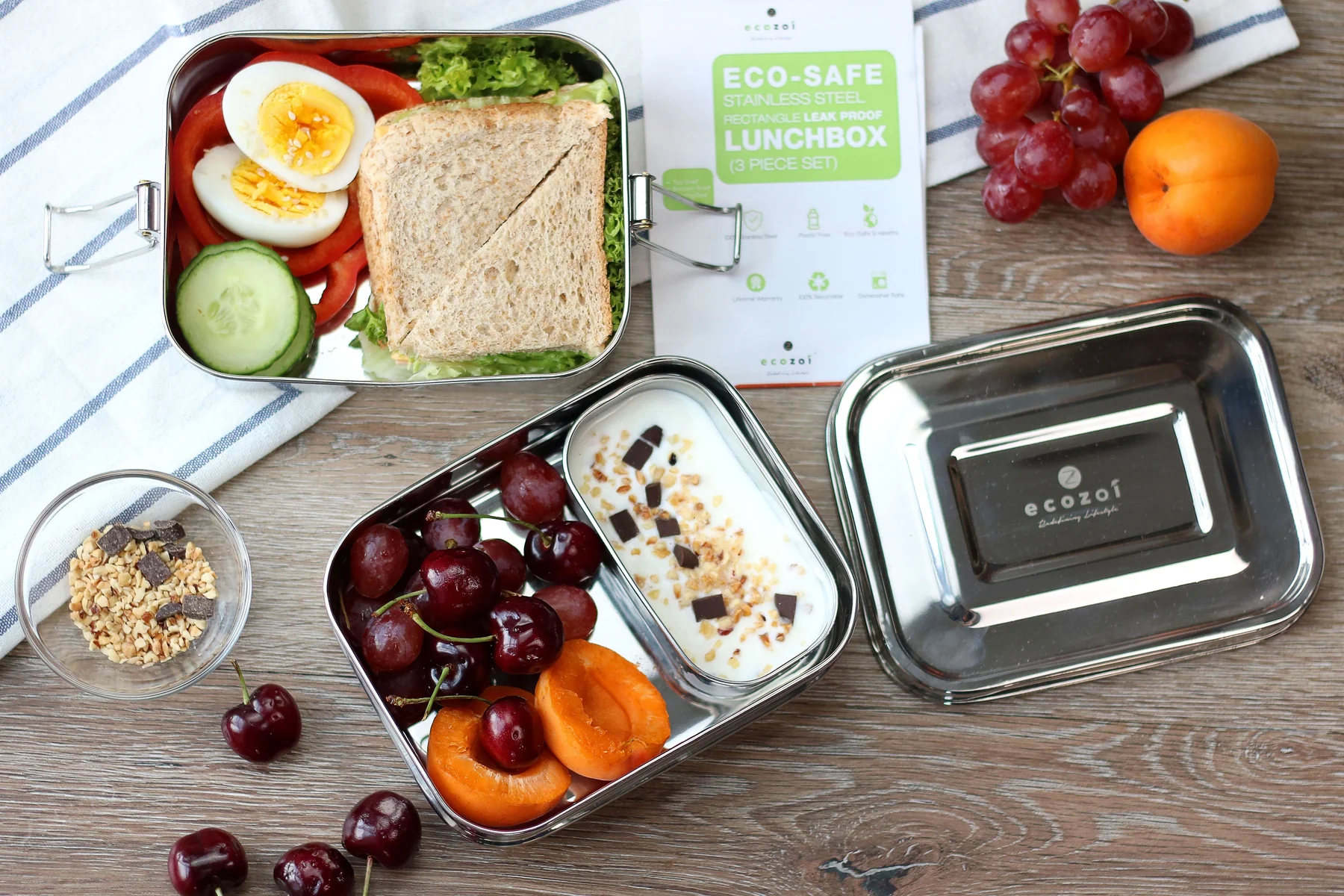
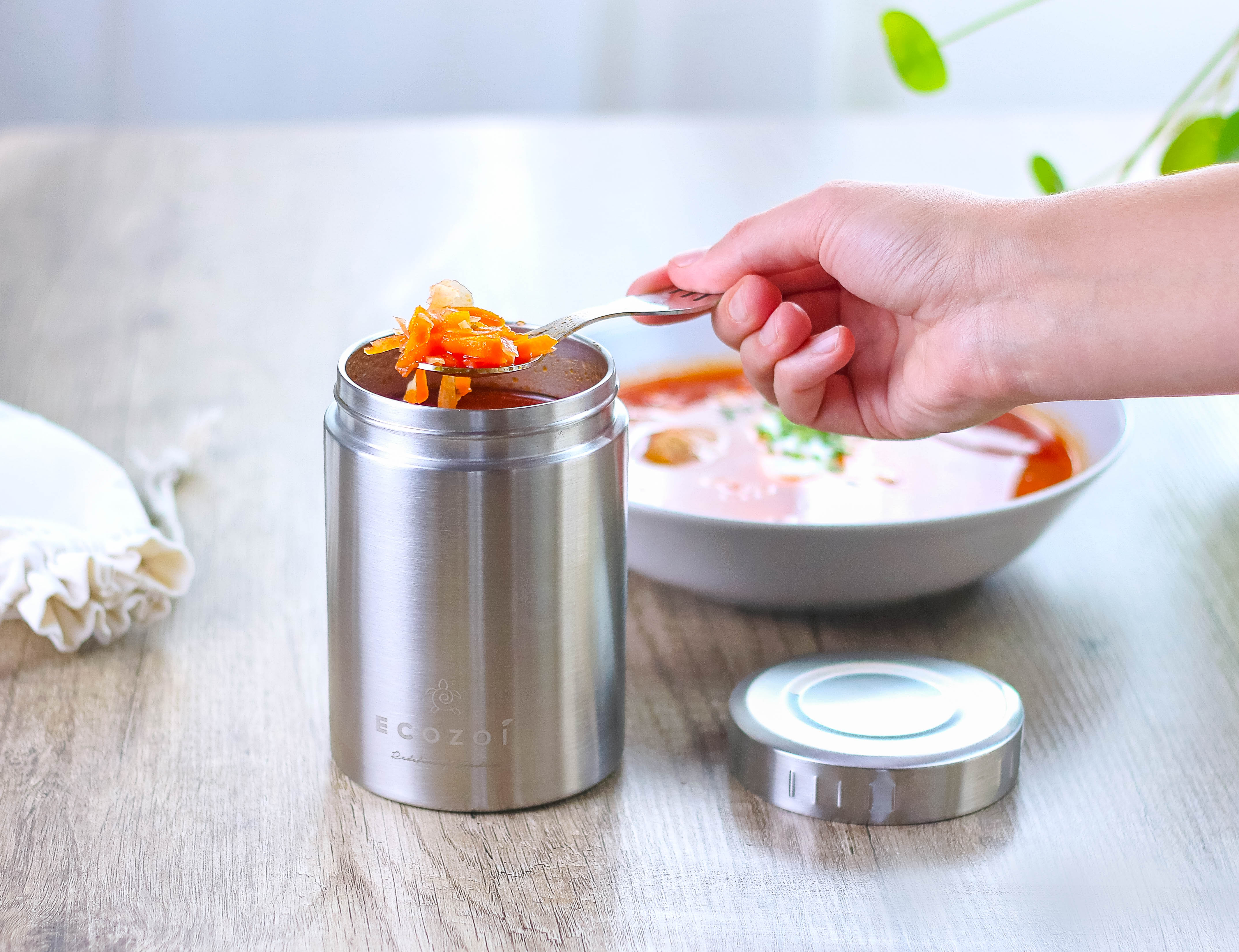
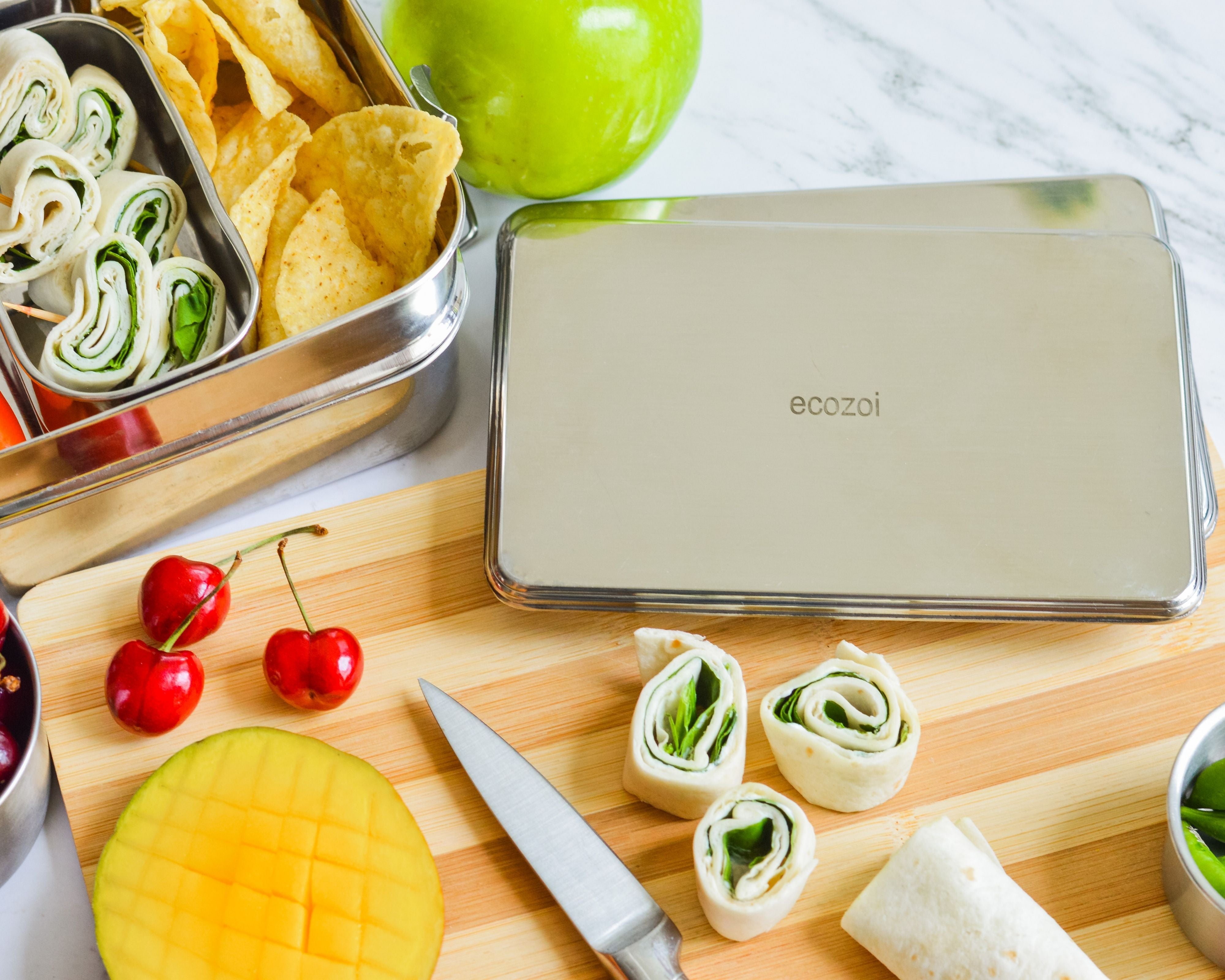
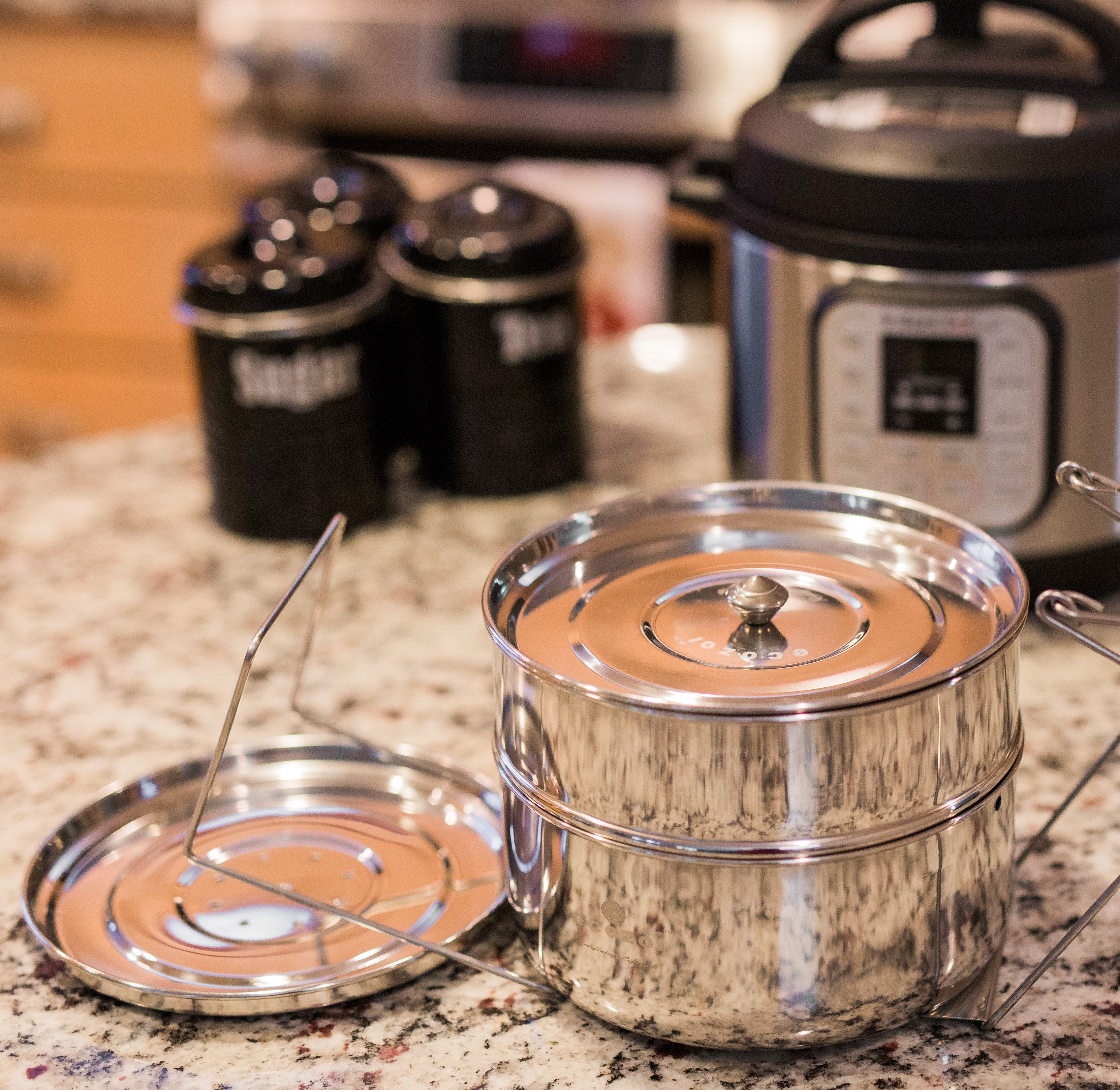
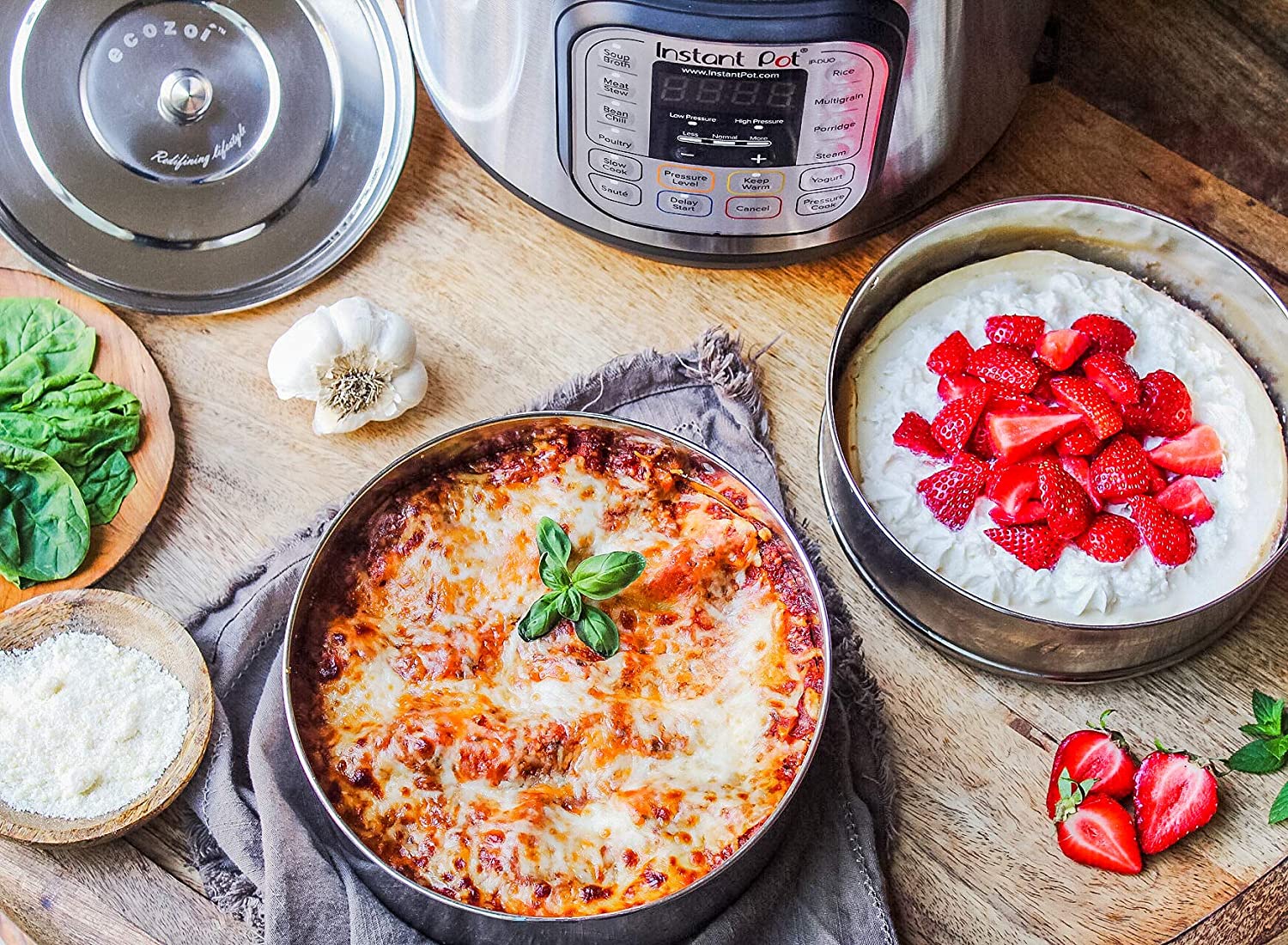
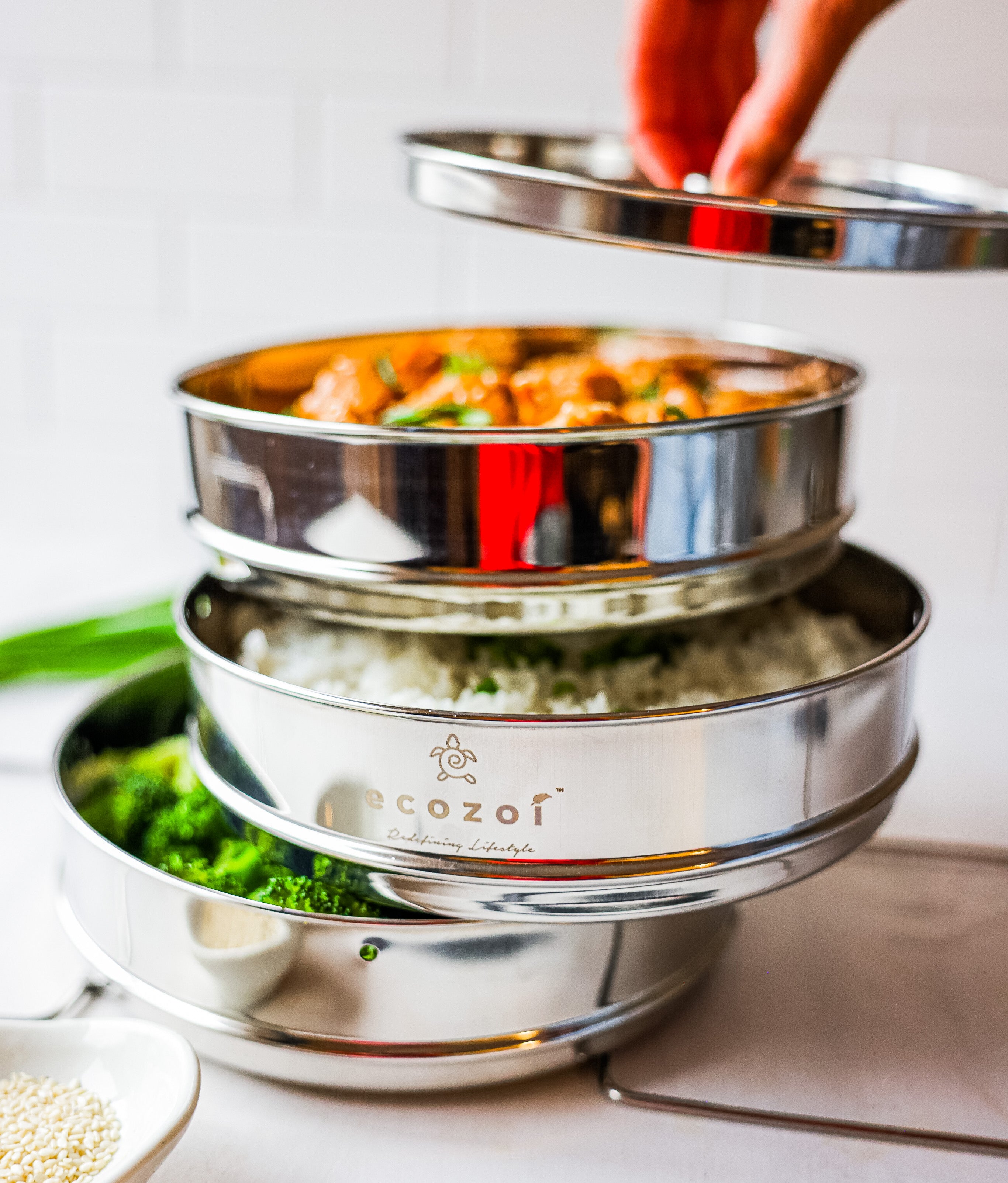
If rugged durability, longevity, and portability are your absolute top priorities, stainless steel food containers are the undisputed champions of the kitchen. Made from premium, food-grade metal (such as the 304 or 18/8 stainless steel used by Ecozoi), these containers are designed to handle the bumps of daily life and last a lifetime.
Pros of Stainless Steel
-
Unmatched Durability: Stainless steel is virtually indestructible. Whether you drop it on a hard tile floor or it gets tossed around in a child's backpack, it will not shatter, crack, or dent easily. This makes it the ideal material for on-the-go lunches.
-
Lightweight & Portable: Unlike thick glass, stainless steel is incredibly light. This makes it perfect for daily commuters, hikers, and school children carrying heavy backpacks.
-
Completely Non-Toxic: Food-grade stainless steel is completely non-leaching. It will not absorb odors, flavors, or colors. You can finally say goodbye to permanently orange spaghetti containers!
-
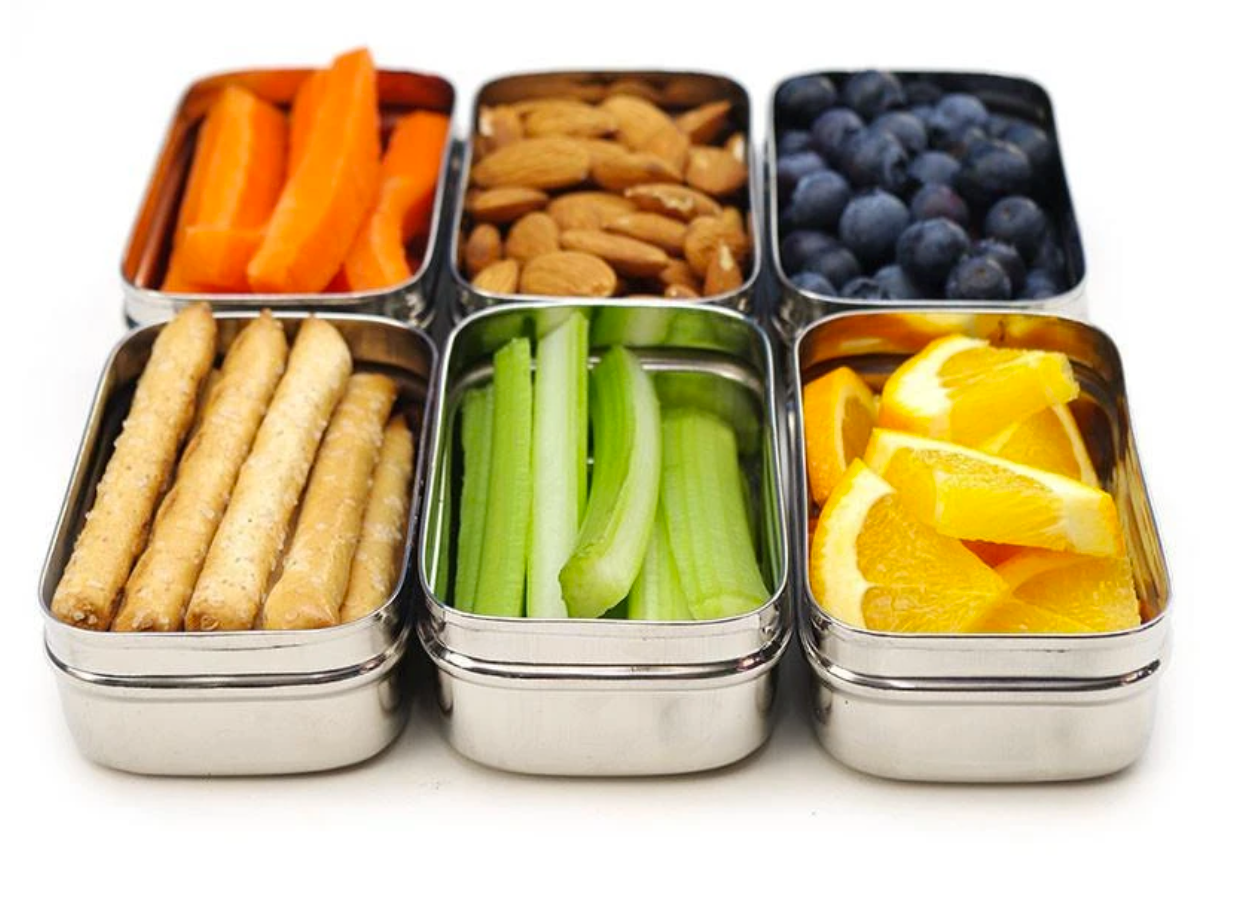
Eco-Friendly: Stainless steel is 100% recyclable at the end of its life. Check out our detailed guide on the Top 5 Stainless Steel Lunch Boxes for School Kids to see how these modular containers can revolutionize your morning packing routine.
Cons of Stainless Steel
-
Not Microwave Safe: You cannot heat your food in the microwave using a metal container. However, they are often oven-safe and perfectly fine for cold or room-temperature meals.
-
Non-Transparent: You cannot see the contents without removing the lid, which might require you to use sticky labels or dry-erase markers for optimal fridge organization.

Glass Food Storage Containers: The Versatile Kitchen Staple
For years, glass food storage containers have been the go-to alternative for families transitioning away from plastic. They are elegant, highly versatile, and excellent for dedicated home use and bulk meal prepping.
Pros of Glass
-
Microwave and Oven Safe: The biggest and most obvious advantage of glass is its ability to transition seamlessly. You can take a meal directly from the freezer or fridge and put it into the microwave or oven without dirtying another dish.
-
Transparent Visibility: You can easily see exactly what is inside, making fridge organization a visual breeze. This inherently helps reduce food waste since you won't forget about leftovers hiding in the back of the fridge.
-
Non-Toxic and Non-Porous: Much like stainless steel, glass does not hold onto food odors, grease, or stubborn stains, and it is completely free of chemical leaching.
Cons of Glass
-
Highly Fragile: Glass can chip, crack, or shatter completely if dropped. This makes it less than ideal for children's school lunches, job sites, or rugged outdoor camping activities.
-
Heavy and Bulky: Glass is significantly heavier than both stainless steel and silicone. Carrying a tote bag full of the best glass food storage containers for an office meal prep can be quite cumbersome and heavy.
-
Temperature Shock: Extreme, sudden temperature changes (like moving a piping-hot glass container directly to a cold marble countertop) can cause thermal shock, leading the glass to shatter unexpectedly.
Silicone Food Storage Containers: The Space-Saving Innovator
Silicone is the newest heavyweight contender in the food storage arena. A synthetic polymer made primarily from silica (found abundantly in nature as sand), a silicone food container offers a unique flexibility that neither rigid glass nor solid metal can provide.
Pros of Silicone
-
Lightweight and Collapsible: Many silicone food storage containers are ingeniously designed to collapse completely flat when not in use. This makes them absolute space-savers in cramped kitchen cabinets and extremely easy to carry home in a briefcase or bag after eating lunch.
-
Temperature Resistant: High-quality, pure food-grade silicone is remarkably versatile—it is completely safe for the deep freezer, the microwave, and even high heat in the oven.
-
Unbreakable: Like stainless steel, silicone will happily bounce instead of shattering if it is accidentally pushed off the kitchen counter.
Cons of Silicone
-
Odor Retention: A common complaint with silicone is that it can sometimes hold onto strong food odors (like pungent garlic or spicy curry) or even the floral scent of your dish soap if not washed and dried thoroughly.
-
Floppiness: Because the material is highly flexible, carrying a large silicone container filled with heavy liquids or hot soup can feel unstable and tricky to maneuver.
-
Durability Over Time: While tear-resistant, soft silicone can eventually be punctured or scored by sharp kitchen knives or forks if you eat directly out of the container.

Comparing the Materials: Which One Should You Choose?
When heavily analyzing Stainless steel vs glass containers or factoring in modern silicone options, the "best" choice truly depends on your daily lifestyle, family needs, and how you intend to use them.
-
For On-the-Go Lifestyles, Commuters & Kids: Stainless steel is the clear, undisputed winner. It’s lightweight, completely unbreakable, and perfectly safe for rough transit.
-
For Home Meal Prep & Seamless Reheating: Glass reigns supreme. If you need to cook, store, and reheat in the exact same dish while keeping an eye on your leftovers, glass is unmatched.
-
For Small Kitchens, Dorms & Travel: Silicone is fantastic due to its lightweight nature, microwave safety, and brilliant collapsible design that saves premium cabinet real estate.
Why Ecozoi's Leak-Proof Solutions Stand Out
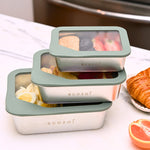
At Ecozoi, we believe you should never have to compromise on your family's health, everyday convenience, or the environment. That is exactly why our premier collection of Leak-Proof Lunch Boxes combines the absolute best materials available. We pair the unbeatable, lifetime durability of premium 304 food-grade stainless steel bases with the leak-proof, airtight security of high-quality silicone lids.
You get the absolute best of both worlds: a pristine container that won't shatter like glass, won't retain stubborn odors like pure silicone bowls, and crucially, won't leak dressing or sauces in your work bag. Plus, our products are ethically manufactured and entirely plastic-free, helping you effortlessly build a sustainable home. If you are looking for fresh inspiration on what to pack in your new eco-friendly containers, check out our 10 High-Protein Lunch Box Recipes That Stay Fresh All Day for quick, healthy meal-prep ideas!

FAQs
1. Is stainless steel or glass better for food containers?
It entirely depends on your specific needs! If you need a container that is lightweight, unbreakable, and perfect for travel, commuting, or kids' lunches, stainless steel is vastly superior. Conversely, if you need to microwave your food frequently or want to see exactly what is inside your fridge without opening the lid, glass is the better choice.
2. Is stainless steel better than silicone for food storage?
For long-term lifetime durability, absolute puncture resistance, and odor-blocking capabilities, stainless steel is better than silicone. Stainless steel will never tear or hold onto the smell of last night's dinner. However, silicone is better if you require a container that can safely go in the microwave or collapse down to save precious cabinet space. (You can learn more about our strict material testing and choices on our Ecozoi FAQs page).
3. Which food container material is the most environmentally friendly?
Stainless steel and glass are universally considered the most environmentally friendly options because they are incredibly durable and 100% infinitely recyclable at the end of their life cycle without degrading in quality. While silicone is a much safer, non-toxic alternative to petroleum-based plastic and is highly reusable, it is not biodegradable and can be more difficult to recycle at standard community facilities.
4. Can I use glass containers in the microwave?
Yes, absolutely! One of the primary advantages of glass food storage containers is that they are completely microwave-safe. Just always ensure you remove any metal lids or non-microwave-safe plastic covers before heating your meal to prevent damage or melting.
5. What should I consider when choosing between stainless steel, glass, and silicone containers?
You should evaluate your daily routine. Ask yourself: Do I need to microwave my meals at work? (Choose glass or silicone). Will this be tossed roughly into a backpack or carried on a long commute? (Choose stainless steel or silicone). Do I struggle with limited kitchen storage space? (Choose collapsible silicone). Is avoiding microplastics, BPAs, and toxins my primary goal? (All three materials are excellent, safe choices compared to plastic).
6. Which type of food container is best for meal prep?
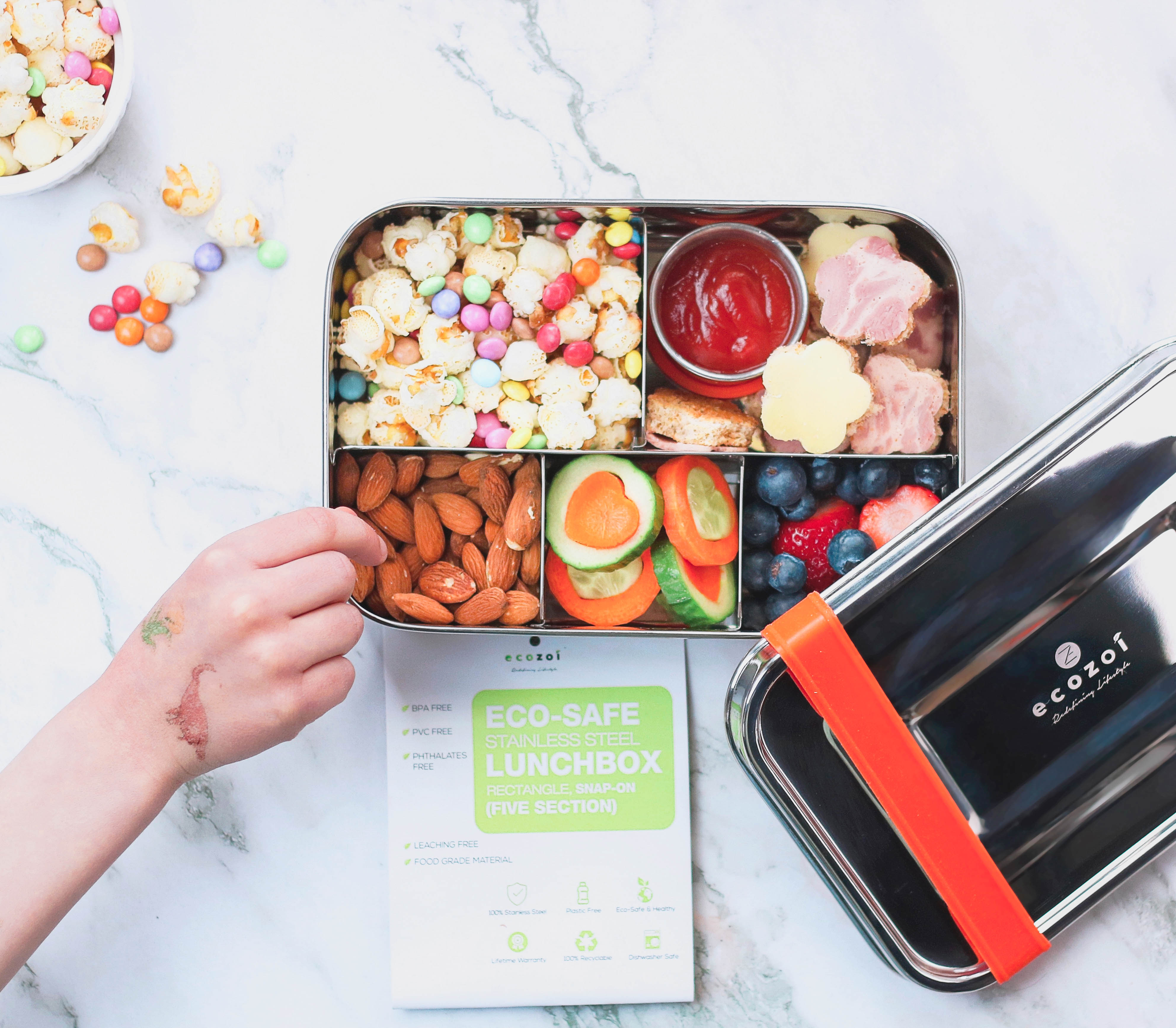
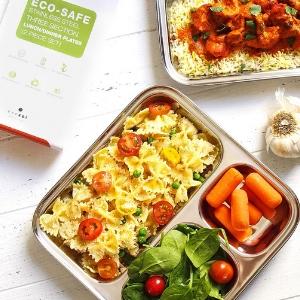
For storing large batches of meals or leftovers in the fridge that will need to be visually identified and reheated, the best glass food storage containers are ideal. However, for prepping individual, portion-controlled lunches to actually take with you to work, the gym, or school, stainless steel containers for food featuring built-in distinct compartments are the absolute best choice to keep your food fresh, protected, and perfectly separated.


