






Thermos Food Jar vs. Insulated Lunch Box: Which One Do You Need?
Packing a fresh, nutritious meal for work, school, or travel is one of the simplest ways to maintain a healthy lifestyle and cut down on single-use plastics. However, when lunchtime rolls around, nothing ruins your mood faster than lukewarm soup or a soggy sandwich. Choosing the right food storage container is key to keeping your meals appetizing, hot, or refreshingly cold throughout the day.
Two of the most popular choices for on-the-go dining are the thermos food jar and the insulated lunch box. While both are designed to maintain food temperature and eliminate the need for microwave access, they serve very different meal styles and daily routines.
In this comprehensive guide, we compare heat retention, meal size, versatility, and cleanup for a thermos food jar vs. insulated lunch box to help you determine which one fits your daily needs best.

What Is a Thermos Food Jar?
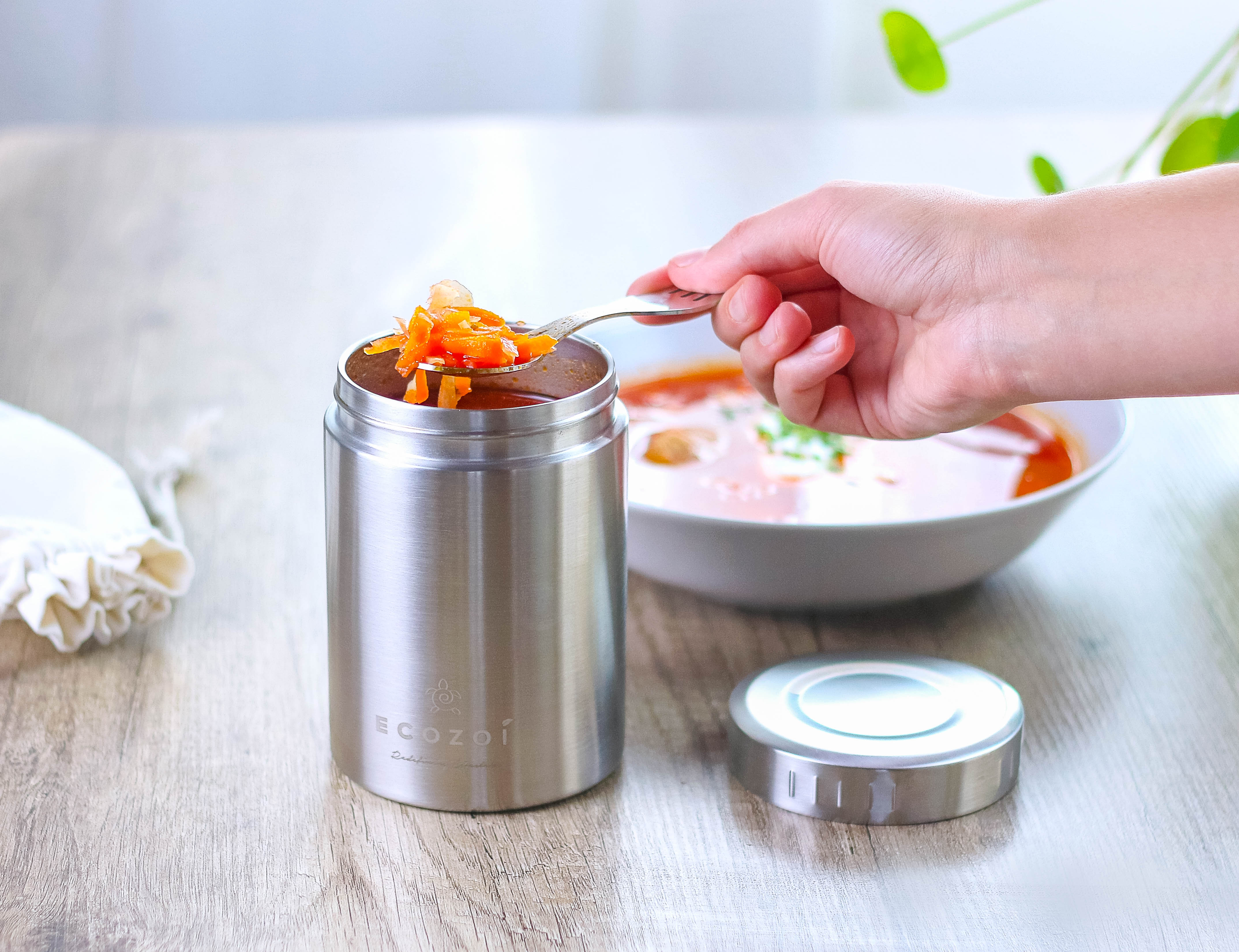
A thermos food jar (also referred to as a thermos insulated food jar or thermos food container) is a cylindrical vessel specifically built with double-wall vacuum insulation. Air is vacuumed out from between the inner and outer stainless steel walls, creating a thermal barrier that prevents heat or cold from escaping.
Because of this airtight seal and deep cylindrical structure, a thermos insulated food jar excels at keeping liquid-heavy and one-pot meals hot for 6 to 12 hours, or icy cold for up to 24 hours.
Key Characteristics of a Thermos Food Jar:
-
Thermal Technology: Double-wall vacuum insulation with an insulated lid.
-
Best Food Types: Soups, stews, chili, oatmeal, pasta, curries, yogurt, and grain bowls.
-
Form Factor: Deep, cylindrical, leak-proof design with a wide-mouth opening.
If you frequently pack stews or porridge, exploring a dedicated Ecozoi Stainless Steel Thermos Food Jar ensures your meals stay piping hot without any chemical leaching or plastic residue. If you aren't sure which capacity fits your portion sizes, check out our guide on Thermos Food Jar Sizing Guide: 12 oz vs. 17 oz.
What Is an Insulated Lunch Box?
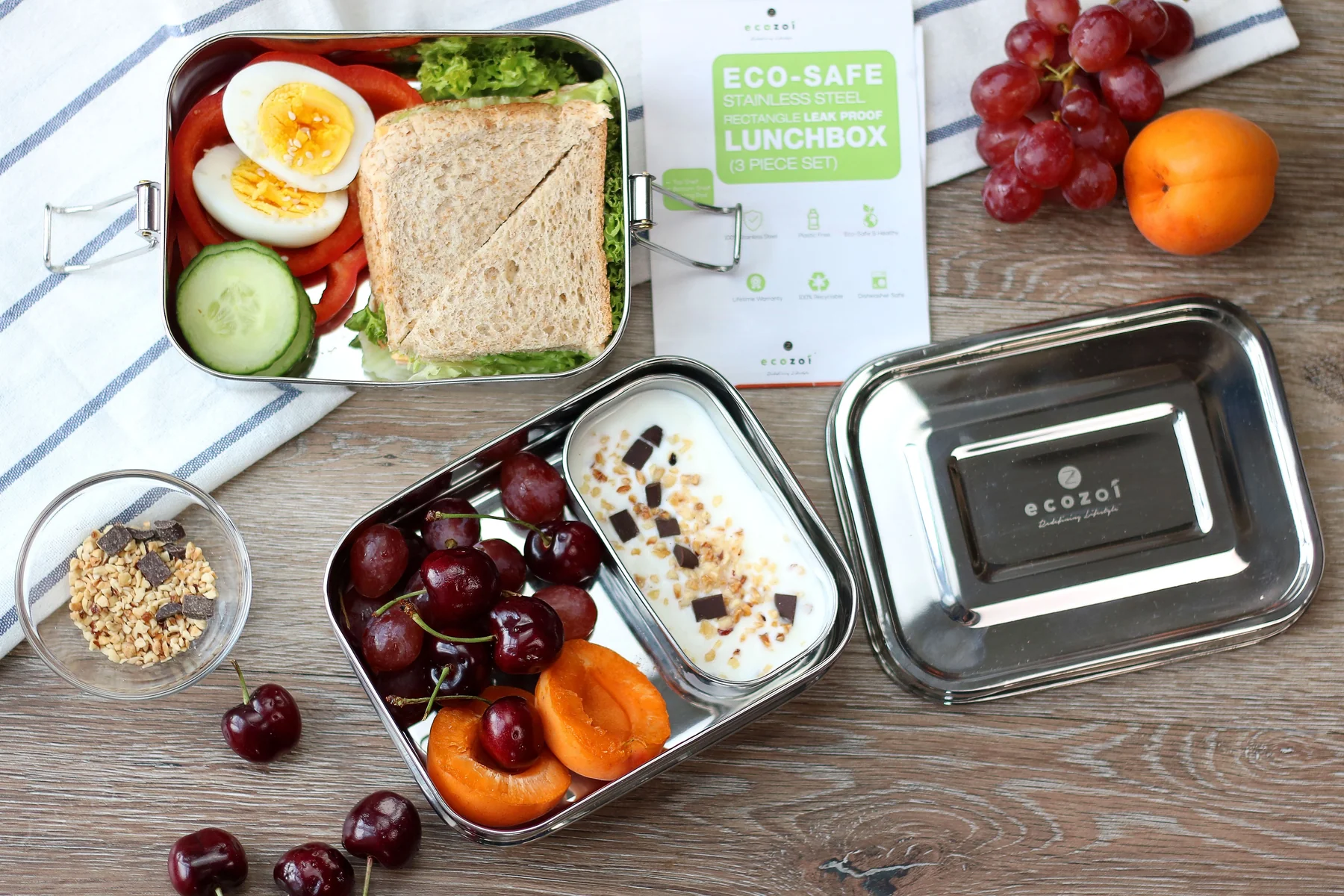
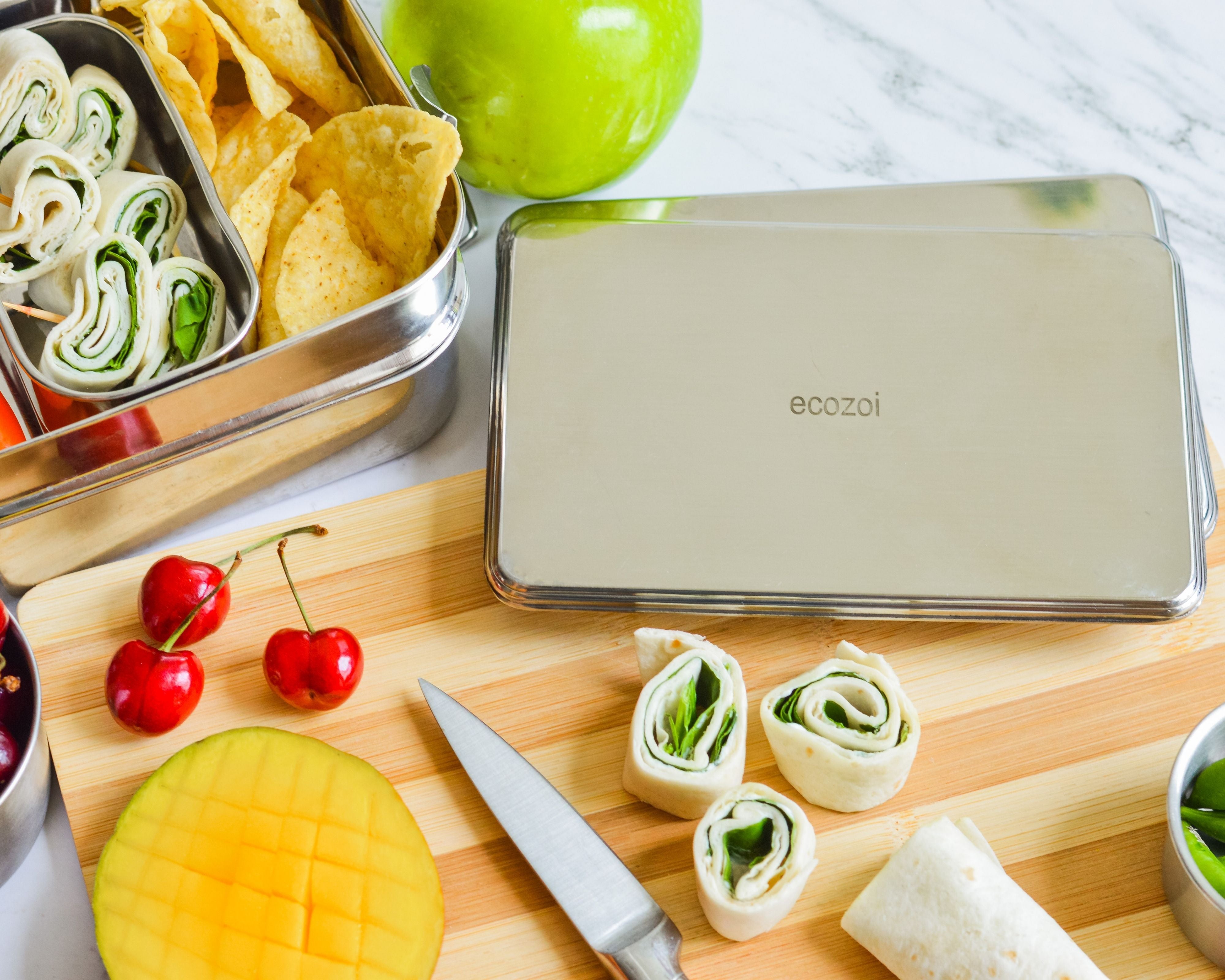
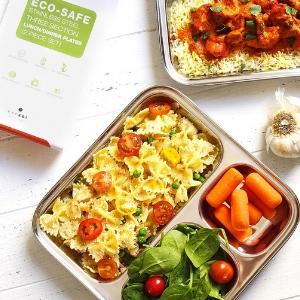
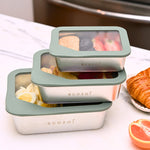
An insulated lunch box (or lunch box insulated set) focuses on spatial organization and meal variety. Rather than relying solely on high-vacuum cylinder walls, an insulated lunch box typically features a multi-compartment tray often made from durable food-grade stainless steel housed inside an insulated thermal sleeve or fabric bag.
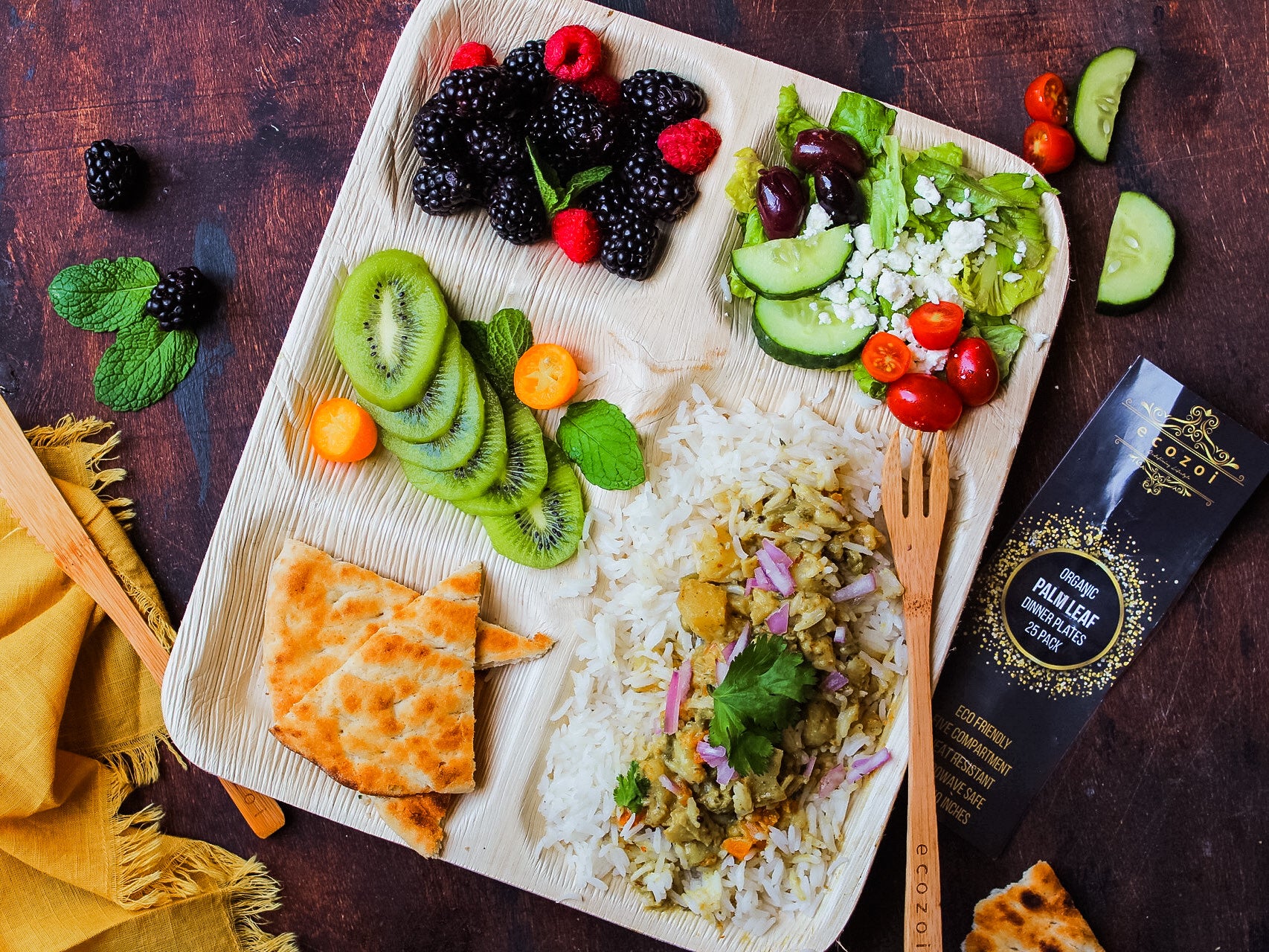
An insulated lunch box best serves individuals who prefer structured meals with multiple components such as a main wrap, side salad, cut fruits, and crunchy snacks kept neatly separated in one container.
Key Characteristics of an Insulated Lunch Box:
-
Thermal Technology: Layered thermal fabric, gel ice-pack lining, or insulated outer totes paired with latch-lid containers.
-
Best Food Types: Sandwiches, wraps, sushi, salads, sliced fruits, veggies, dip, and finger snacks.
-
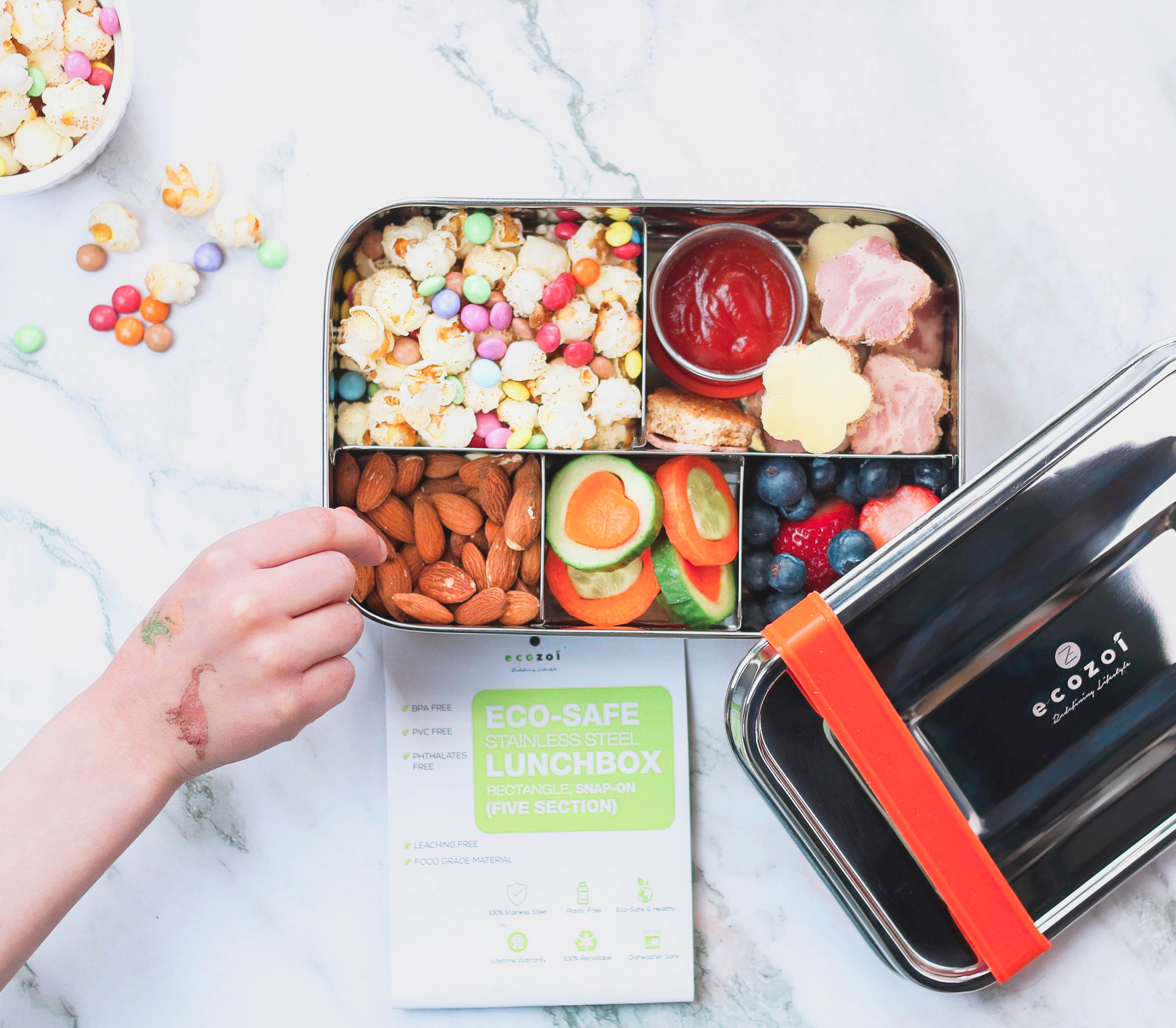
Form Factor: Flat, multi-compartment bento style that keeps items separate and visually appealing.
To pack balanced meals without mixing flavors, check out the Ecozoi Stainless Steel Bento Lunch Boxes for zero-waste, plastic-free portion control. Unsure about compartment counts? Read our article on 2 vs 3 vs 4 vs 5 Compartment Lunch Boxes: Which Layout Fits Your Meals? to select the perfect grid layout.

Detailed Comparison: Thermos Food Jar vs. Insulated Lunch Box
To find out which food container aligns with your eating habits, let's break down the four critical performance metrics: heat retention, meal capacity & variety, portability, and cleanup & maintenance.
|
Feature |
Thermos Food Jar |
Insulated Lunch Box |
|
Primary Mechanism |
Double-wall vacuum insulation |
Layered thermal barrier / Ice pack tote |
|
Heat Retention |
Exceptional (6–12+ hours hot) |
Moderate (2–4 hours warm; cold with ice packs) |
|
Best Food Compatibility |
Soups, stews, pastas, oatmeal, curries |
Sandwiches, wraps, bento snacks, salads |
|
Compartmentalization |
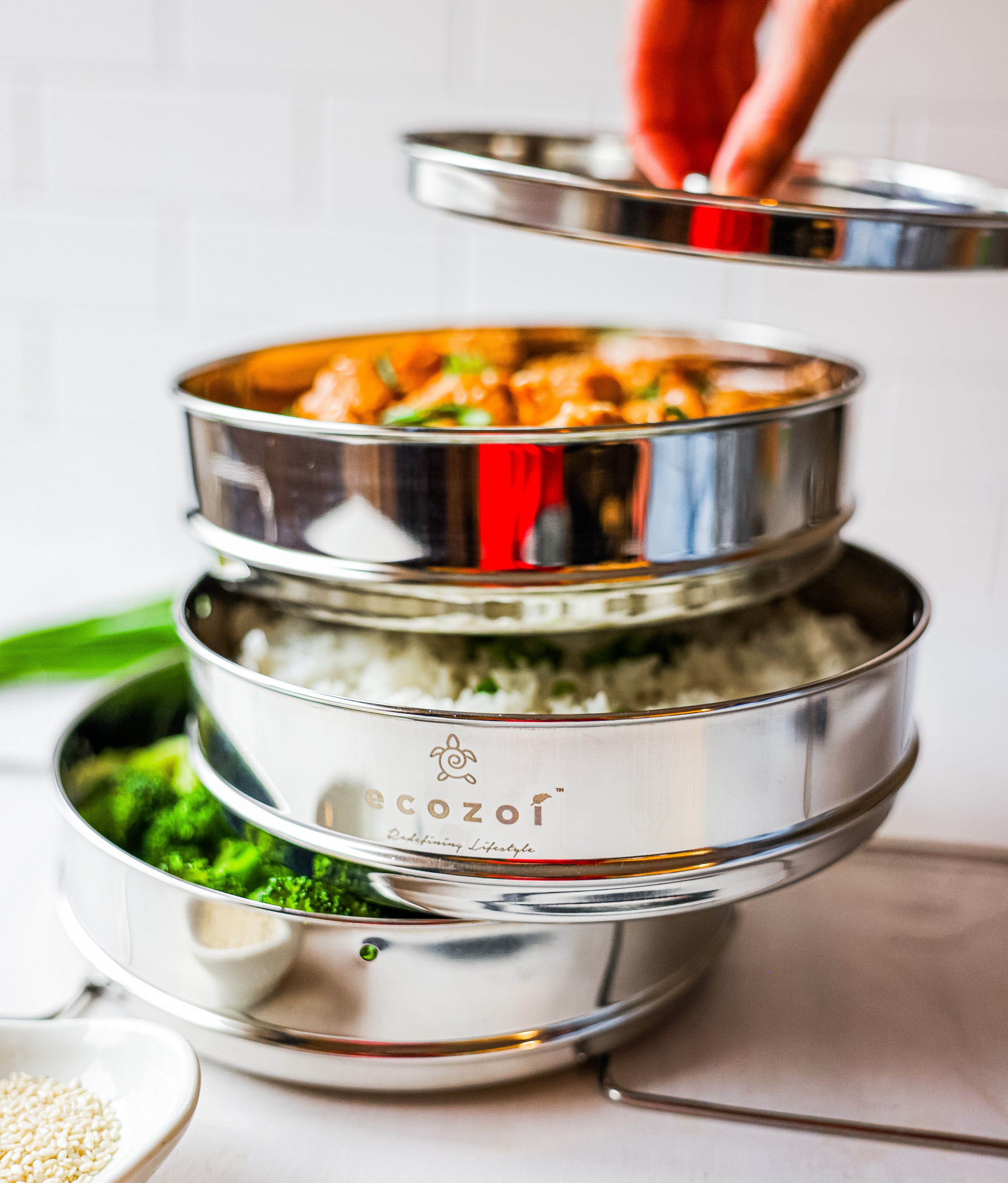
Single container (or stacked tiers) |
Multi-compartment sectioned tray |
|
Leak-Proof Level |
100% leak-proof for liquids & broth |
Leak-resistant for thick sauces; best for dry/solid foods |
|
Ease of Cleaning |
Quick wide-mouth cavity wash |
Washing individual tray sections & seals |
1. Heat & Cold Retention Performance
When evaluating a thermos food jar vs insulated lunch box, heat retention is often the decisive factor.
-
Thermos Food Jar: Vacuum insulation minimizes conduction, convection, and radiation loss. Pre-heating your thermos food jar with boiling water for 5 minutes before filling it with hot soup guarantees lunch stays at a safe, appetizing temperature past noon.
-
Insulated Lunch Box: While high-quality stainless steel bento boxes retain warmth for a couple of hours, they have a larger surface area relative to food volume. They perform best at keeping cold foods crisp when paired with an ice pack inside an insulated sleeve.
Pro Tip: If your workplace or school lacks a microwave and you demand piping-hot lunches, a thermos insulated food jar is the clear winner. For more details on heat retention physics across lunchware designs, read our post on Do Stainless Steel Lunch Boxes Keep Food Warm?.
2. Meal Variety & Portion Flexibility
How do you like to eat your meals? The structure of your container dictates your menu possibilities.
-
Single-Pot Comforts: A thermos food container is designed for blended or one-bowl dishes. Eating chicken noodle soup, dal, or chili out of a deep thermal jar feels cozy and convenient.
-
Multi-Item Variety: An insulated lunch box shines when lunch involves variety. You can pack a quinoa salad in one section, roasted chickpeas in another, and sliced apples in a third without worrying about textures or flavors mixing together.
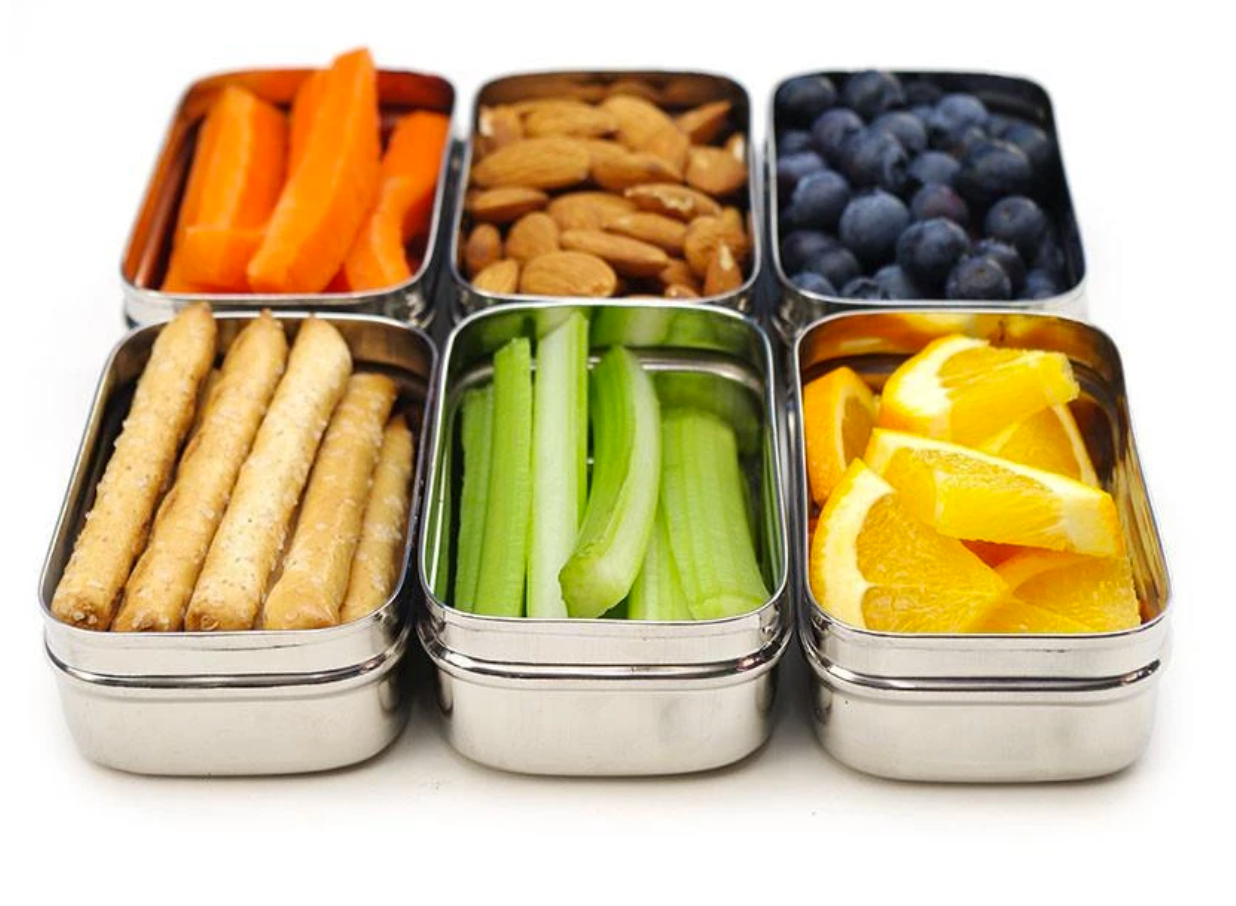
For leak-proof convenience when carrying dressings or small sides, browse Ecozoi Leak-Proof Stainless Steel Food Containers to upgrade your lunch kit.
3. Usage Considerations: School Kids vs. Adults
Age, environment, and daily transportation play a major role when deciding between a thermos food jar vs insulated lunch box for school or a thermos food jar vs insulated lunch box adults setup.
For School & Toddlers
Kids often prefer bite-sized variety and quick access during short school lunch periods. An insulated lunch box allows children to open one lid and view all their options at once. However, for cold winter school days, a compact thermos food jar packed with warm mac and cheese or warm soup provides ultimate comfort. Make sure to pick jars with easy-grip silicone lids that small hands can twist open independently.
For Adults & Professionals
Adults commuting to work or field sites benefit from matching their lunch container to their diet goals. Those focused on meal-prep grain bowls, soups, or high-protein stews often lean toward a thermos food container. Meanwhile, professionals who prep varied salads, wraps, and side snacks prefer a sleek, flat insulated lunch box best suited for briefcase or tote bag storage.
4. Cleanup & Daily Maintenance
No one wants to spend thirty minutes scrubbing lunch gear after a long day.
- Thermos Food Jar: Featuring a single cylindrical basin and a wide mouth, food jars are fast to hand-wash. It's important to remove the silicone lid ring periodically to prevent moisture buildup beneath the seal. If you ever encounter trapped odors, follow our simple step-by-step How to Clean a Thermos Food Jar: Mold & Odor Removal Guide.
- Insulated Lunch Box: Stainless steel bento trays wipe down easily and are frequently top-rack dishwasher safe. However, multi-compartment dividers require attention around corners to ensure no food residue remains. Learn how to stop rust and water marks with our guide on How To Care For Your Stainless Steel Lunch Box: Stop Rust & Stains.
For non-toxic cleaning tips that keep your eco-friendly lunchware sparkling without harsh chemicals, visit our guide on Eco-Friendly Kitchen Accessories & Care.
The Verdict: Which Container Should You Choose?
Choose a Thermos Food Jar If:
-
You regularly eat liquid-rich meals like soups, stews, ramen, oatmeal, or curries.
-
You need maximum heat retention for 6 hours or longer.
-
You travel or work outdoors without microwave access.
-
You want a compact, 100% leak-proof vessel for easy backpack storage.
Choose an Insulated Lunch Box If:
-
You enjoy varied lunches with distinct main dishes, sides, and finger foods.
-
You pack sandwiches, wraps, salads, fruits, and cold snacks.
-
You want an all-in-one visual presentation for school lunches.
-
You prefer meal-prep layouts that maintain distinct food textures.
Can’t decide? Many eco-conscious families combine both! Placing a small thermos food jar inside an open-cavity insulated lunch tote gives you the freedom to bring warm soup alongside a fresh side salad and fruit. Explore the full Ecozoi Sustainable Lunchware Collection to curate your custom plastic-free lunch kit.
Frequently Asked Questions (FAQs)
1. Which is more convenient for meal prep, a thermos food jar or an insulated lunch box?
An insulated lunch box is generally more convenient for weekly batch meal prepping because its multi-compartment layout allows you to organize dry ingredients, sides, and mains in advance. However, if your meal prep consists primarily of batch-cooked soups, stews, or grain bowls, a thermos food jar allows quick heat-and-pour assembly on busy mornings.
2. Which option is better for keeping food warm for an extended period?
A thermos food jar is significantly better at keeping food hot over long periods. Thanks to double-wall vacuum insulation, a quality thermos insulated food jar maintains hot temperatures for 6 to 12 hours, compared to 2 to 4 hours in an insulated lunch box.
3. What are the best uses for an insulated lunch box?
An insulated lunch box is ideal for packing sandwiches, wraps, fresh salads, finger foods, sushi, and snack combinations. It keeps food neat, visually enticing, and compartmentalized, making it a top choice for school lunches and office meals.
4. What are the best uses for a thermos food jar?
A thermos food jar is best used for hot liquids and dense, heat-retaining dishes such as soups, chilis, noodle bowls, curries, steel-cut oats, and pasta. It is also great for keeping cold desserts like smoothie bowls, fruit salads, or chia pudding chilled on warm summer days.


