










How to Clean a Thermos Food Jar: Mold & Odor Removal Guide
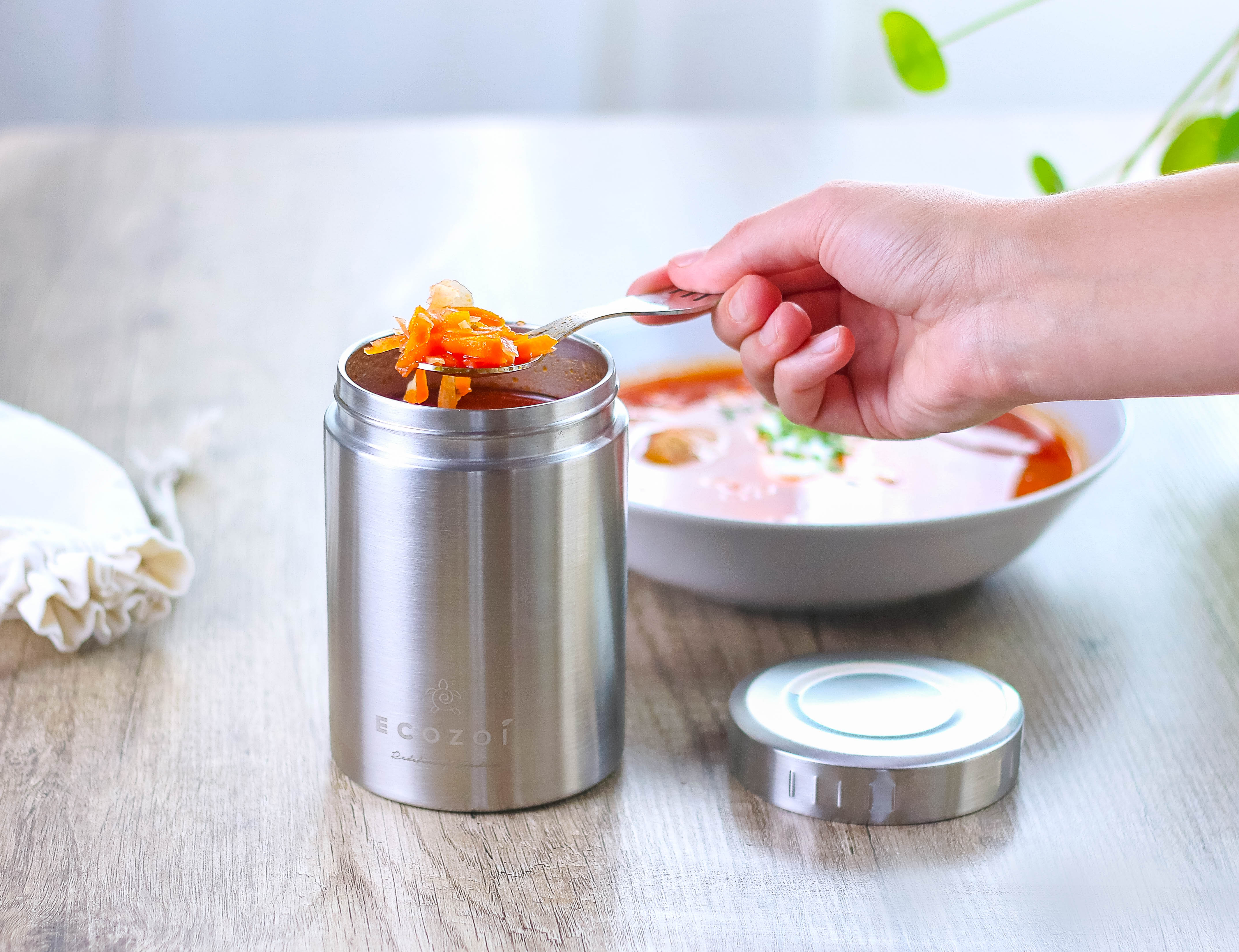
There is nothing quite like opening your lunch container halfway through a busy workday to enjoy a hot, comforting serving of homemade soup, chili, or stew. Premium stainless steel thermal containers make it easy to pack healthy meals without relying on microwaves or single-use plastics. However, because these jars trap heat and moisture to preserve food temperatures, they can quickly become breeding grounds for stubborn mold and lingering food smells if they are not cleaned correctly.
If you have ever opened your favorite food jar only to be greeted by a funky smell or dark patches around the rubber gasket, you are not alone. Knowing how to clean a thermos the right way ensures your gear stays hygienic, safe, and ready for daily use.
Why Proper Thermos Cleaning Matters
When you pack lunch into a vacuum-insulated thermos food jar, the airtight seal locks everything inside—including microscopic food particles and moisture. If a jar is stored with the lid tightly closed while still slightly damp, mold spores can multiply rapidly.
Furthermore, materials like garlic, onions, spices, and heavy tomato-based soups can leave behind stubborn residues that penetrate rubber seals. Standard quick rinses with dish soap often fail to reach deep into the threads or dismantle hidden gasket traps. Adopting a proper maintenance routine protects your health, extends the lifespan of your gear, and ensures your morning oatmeal never tastes like yesterday's spicy curry.
Step-by-Step: How to Deep Clean a Stainless Steel Thermos
To keep your container in pristine condition, a routine wash with hot water and dish soap is necessary after every single use. However, when you need a deep clean to tackle built-up grime, follow this step-by-step method:
1. Disassemble Completely: Never clean a thermos in one piece. Remove the main lid, inner stoppers, and crucially, the silicone sealing rings. Trapped moisture and food particles love to hide underneath these rubber gaskets.
2. Soak with Hot Water and Dish Soap: Fill the jar with hot water and a few drops of eco-friendly dish soap. Let it sit for 15 to 20 minutes to loosen dried food particles.
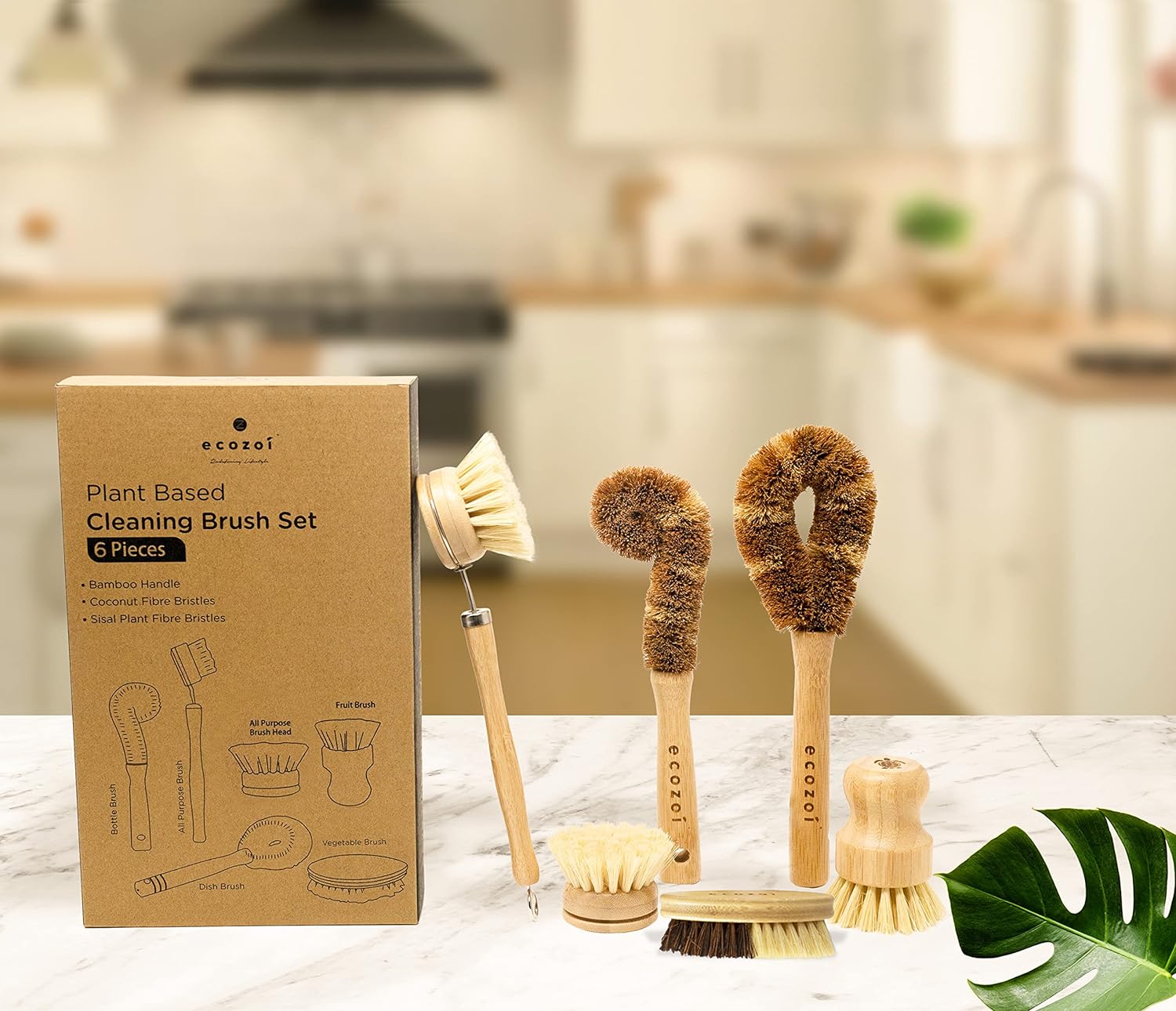
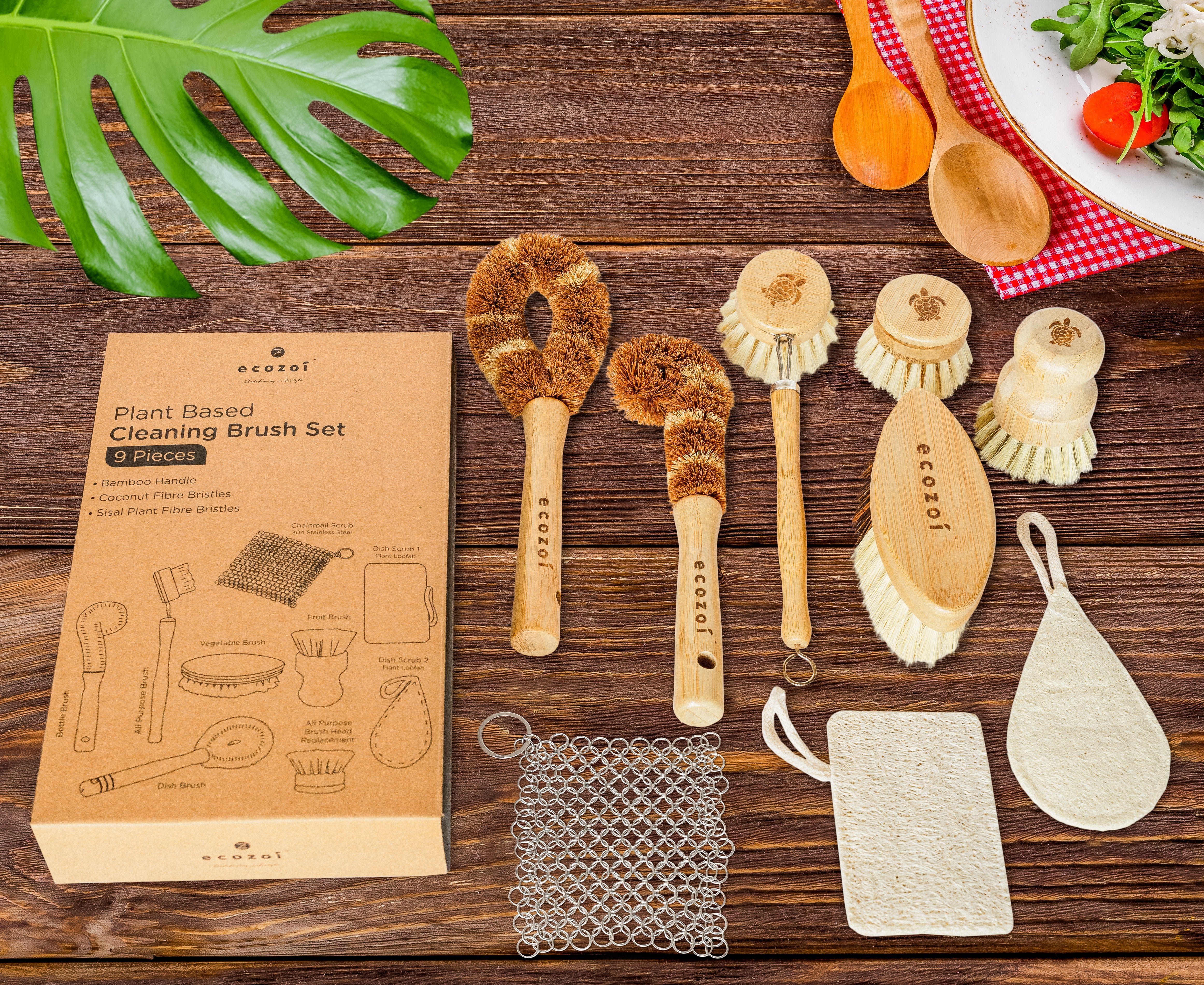
3. Scrub the Interior and Threads: Use a long-handled bottle brush with soft bristles to scrub the bottom and inner walls. Pay close attention to the screw threads at the top, where food residue frequently dries.
4. Clean the Gaskets Separately: Wash the silicone rings gently using a sponge or cloth. If you notice mold growth around the rubber, do not use harsh chemical bleach, which can degrade food-grade materials and leave toxic residues. Instead, opt for natural alternatives.
5. Rinse and Air Dry Completely: Rinse all components thoroughly with clean, warm water. Crucial Tip: Always store your thermos with the lid completely off to allow air circulation. Storing a jar sealed while even slightly damp invites mold back instantly.
FAQs
1. How to get rid of soup smell in thermos?
Lingering savory aromas can ruin a sweet snack or fresh meal later. To neutralize deep-seated soup smells, turn to baking soda.
● Add 2 to 3 tablespoons of baking soda into the empty thermos.
● Pour in warm water until it is about half full, stir into a paste, or fill it completely and let it sit overnight.
● Baking soda is a natural deodorizer that safely absorbs acidic odors without scratching the stainless steel interior. Rinse thoroughly the next morning.
2. How do you clean a Thermos jar that smells moldy when you open it?
If you forgot to empty your jar over the weekend and discovered a fuzzy science experiment inside, don't throw it out just yet.
● Empty the contents into the trash and rinse the jar with hot water.
● Create a sanitizing solution using equal parts white vinegar and warm water, or a paste of baking soda and hydrogen peroxide.
● Let the solution sit inside the jar for at least 30 minutes. Vinegar naturally kills mold spores and neutralizes musty mildew odors safely. Scrub with a bottle brush, rinse with boiling water, and dry completely in the sun if possible.
3. How to clean a smelly thermos?
If routine soap and water are not cutting through stale food odors, combine baking soda and white vinegar. Pour a tablespoon of baking soda into the jar, add half a cup of white vinegar, and watch it fizz. This mild chemical reaction breaks down organic oils and trapped grease. Put the lid on loosely, swirl it around, let it sit for 15 minutes, and scrub clean.
4. Does baking soda clean a thermos?
Yes, baking soda is one of the best agents for cleaning stainless steel. It is mildly abrasive enough to lift surface stains and food films without scratching the polished metal, yet it is completely non-toxic and food-safe. It is also exceptional at drawing out old food odors trapped in microscopic pores.
5. How do I clean the inside of my stainless steel thermos?
For routine cleaning of the inner chamber, a bottle brush and mild dish soap are sufficient. If you are dealing with coffee, tea, or mineral water stains coating the interior walls, make a thick paste of baking soda and a few drops of water. Rub the paste onto the stained areas using a soft cloth or brush, let it sit for 10 minutes, and rinse clean.

6. How to get rid of rust on the inside of stainless steel thermoses?
High-quality food-grade stainless steel (like the 304 stainless steel used in premium Ecozoi Thermos Food Jars) is naturally rust-resistant. However, if left exposed to standing hard water or corrosive salt residues for too long, minor surface rust spots can occasionally form.
● To remove rust safely, make a paste using baking soda and lemon juice (or water).
● Apply the paste directly to the rust spot and let it sit for 10 to 15 minutes.
● Gently scrub with a non-abrasive sponge or cloth. The mild acid in the lemon juice breaks down the oxidation, while the baking soda acts as a gentle buffer. Rinse thoroughly and dry immediately.
Pro-Tips to Prevent Mold and Odors in the Future
An ounce of prevention is worth a pound of cure. Keep your thermal lunch gear fresh from the start with these simple habits:
● Never store sealed when empty: Always store your thermos with the lid off. Locking an empty jar creates a dark, humid microclimate where mold thrives.
● Wash immediately: Do not let food sit in your container for days. Wash it as soon as you get home from work or school.
● Inspect the silicone ring: Regularly pull out the rubber gasket to wash underneath it. Over time, rubber can absorb odors permanently; if yours smells funky even after cleaning, check with the manufacturer for a replacement gasket.
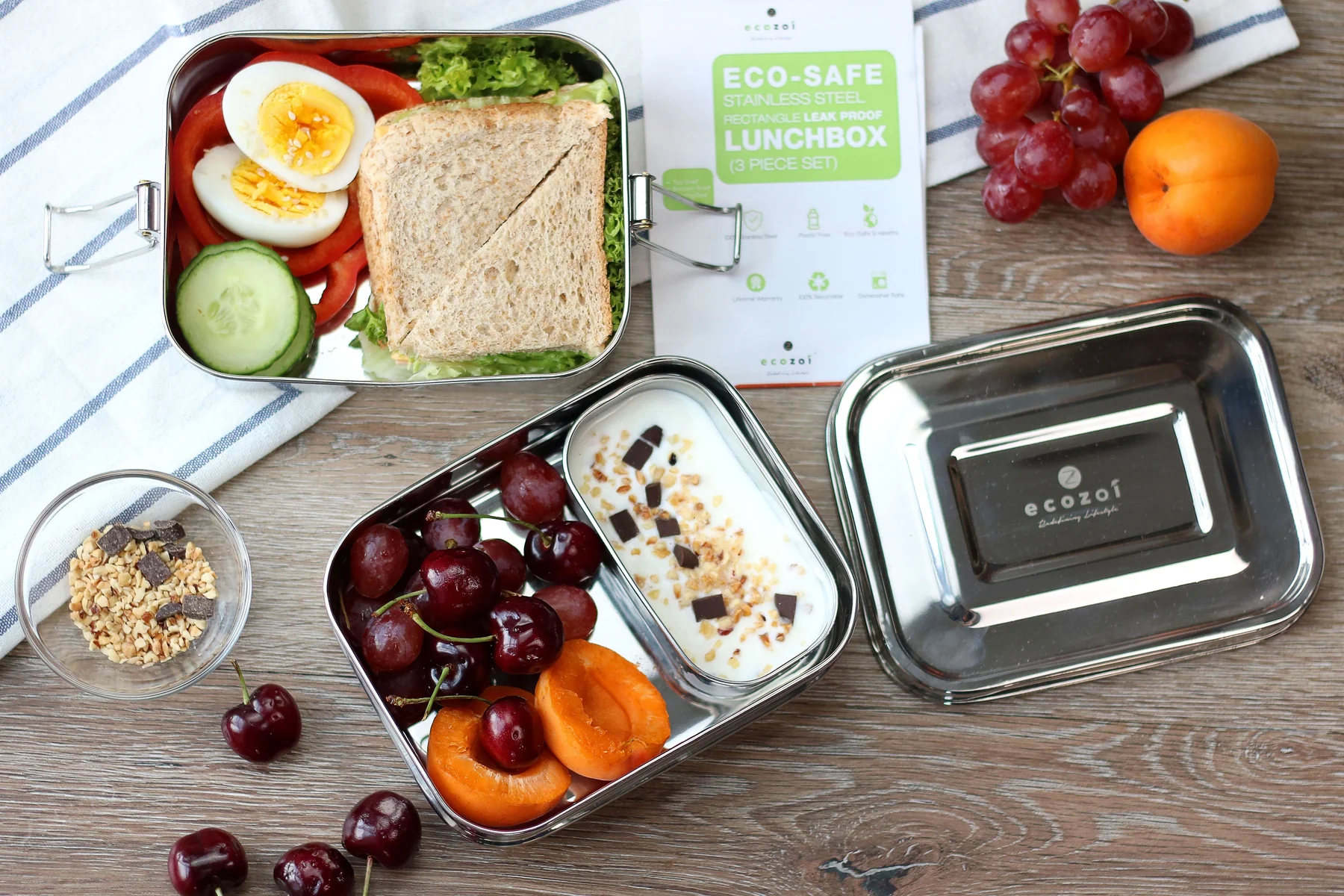
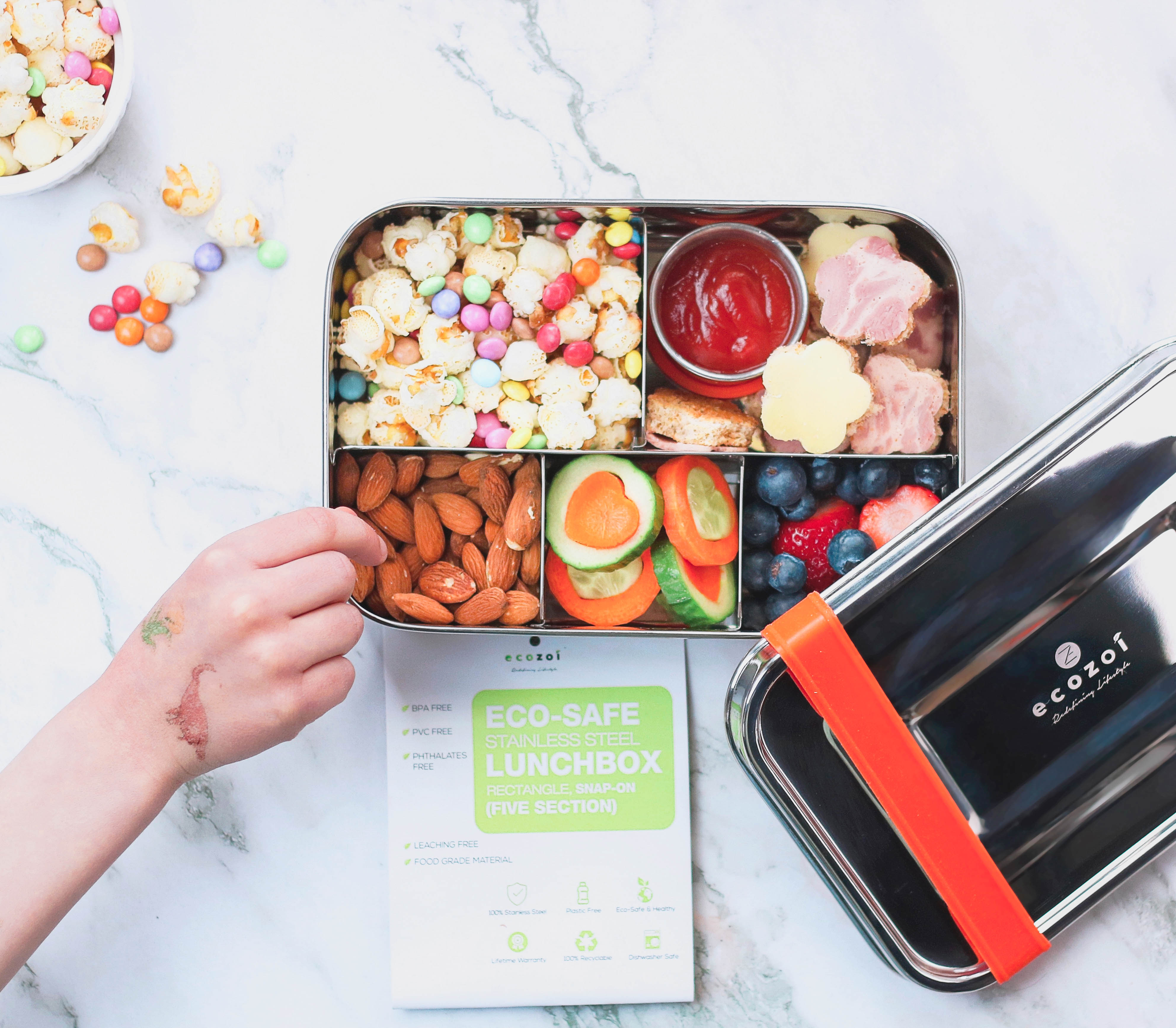
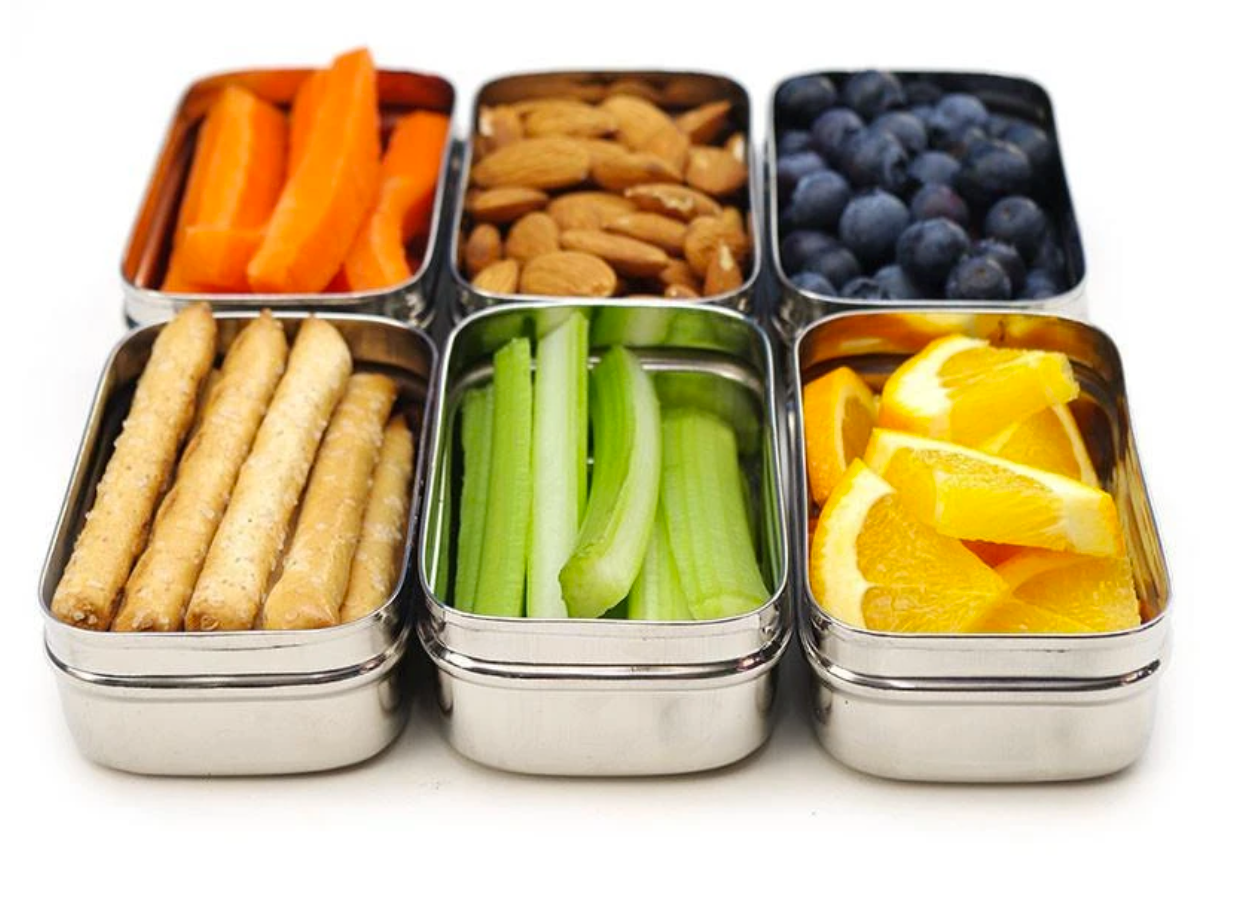
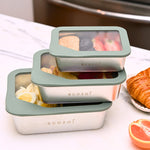
● Invest in quality materials: Switching to high-grade, toxin-free, and plastic-free stainless steel containers—like the sustainable options available in Ecozoi's collection of stainless steel lunch boxes—makes cleaning easier and ensures your food never comes into contact with harmful leaching plastics. For alternative container styles to organize your meals, you can also explore how standard models compare in our guide on Tiffin Box vs Bento Box differences, or learn more about material safety in our breakdown of stainless steel vs glass and silicone containers.

Final Thoughts
Cleaning a thermos food jar doesn't require harsh chemical cleaners or endless elbow grease. By utilizing simple household staples like baking soda, white vinegar, and lemon juice, you can easily banish mold, eliminate stubborn smells, and keep your containers safe and fresh. Proper maintenance not only protects your health but also ensures your reusable gear lasts for years to come—supporting both your daily wellness routine and a greener planet!
We Want to Hear From You!
Let us know how Ecozoi’s products have helped you with your eco-friendly lifestyle! Please take a moment to fill out our Ecozoi Customer Survey. Your feedback helps us grow and improve!
If you’re interested in exploring more on this topic, you can also refer to our earlier blog on How To Care For Your Stainless Steel Lunch Box: Stop Rust & Stains for additional insights.


