







How To Care For Your Stainless Steel Lunch Box: Stop Rust & Stains
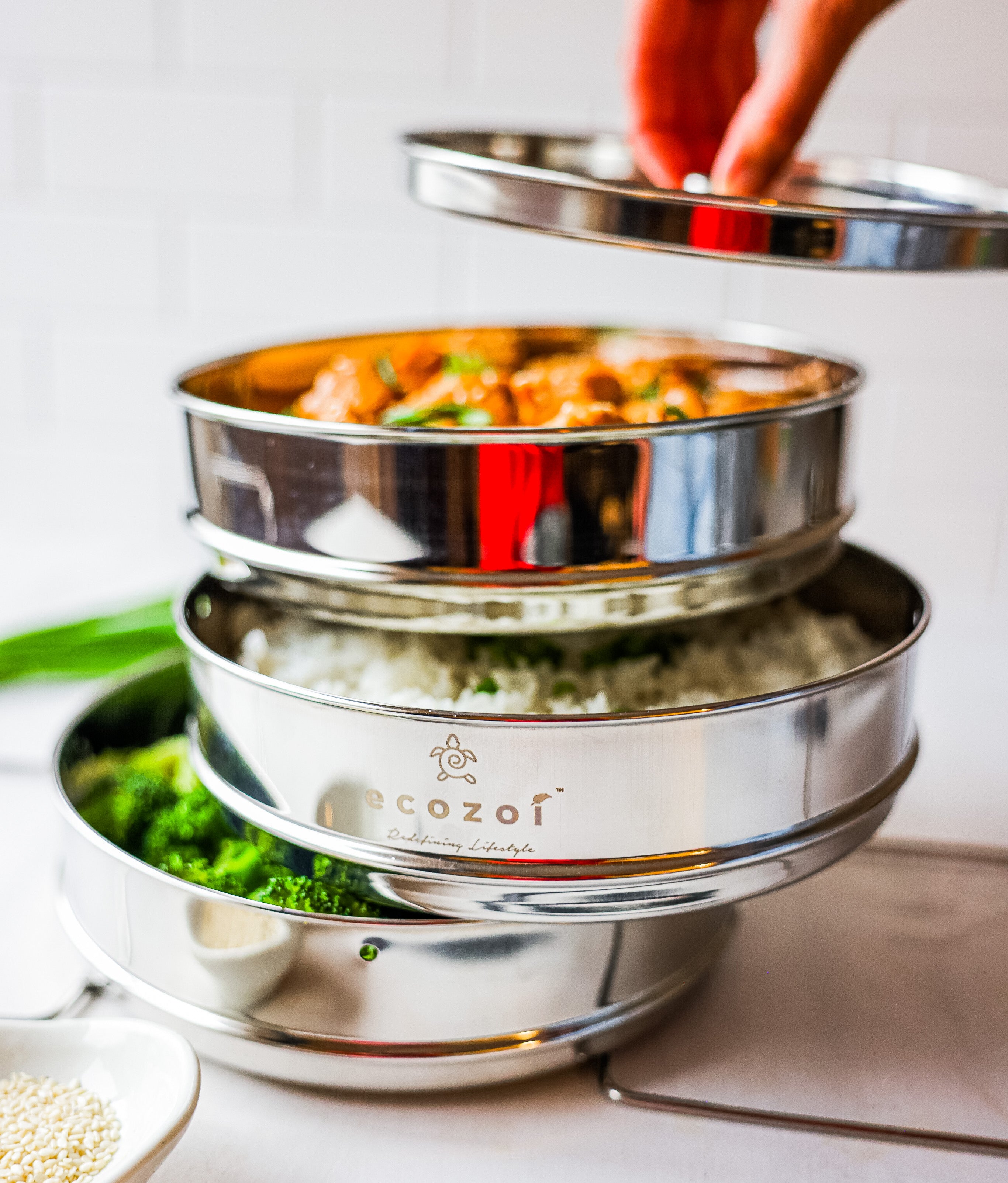
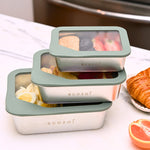
Making the switch to eco-friendly, plastic-free food storage is one of the best decisions you can make for your health and the planet. By choosing a high-quality stainless steel lunch box, you are eliminating harmful toxins like BPA and phthalates from your daily meals, while actively keeping single-use plastics out of our oceans and landfills.
However, even the highest quality food-grade stainless steel requires a little bit of love and attention. If you want to maximize the lifespan of your eco-friendly containers, following proper stainless steel lunch box maintenance tips is absolutely essential. Whether you pack a traditional tiffin box or bento box, knowing how to wash, dry, and polish your containers will ensure they remain a reliable part of your daily routine for years to come.
In this comprehensive guide, we are sharing our top secrets on how to care for your stainless steel lunch box, stop rust and stains in their tracks, and keep your eco-friendly gear looking brand new.
Why Choose Stainless Steel?
Before diving into the maintenance routine, you might be wondering, how long does a stainless steel lunch box last? The beauty of stainless steel, particularly the premium 304 (18/8) and 202 food-grade steel used in Ecozoi products, is its incredible durability. Unlike plastic containers that crack, warp, or absorb lingering food odors over time, a high-quality stainless steel lunch box is designed to last a lifetime. With proper care, these containers can be passed down through generations. When exploring the best lunch box materials, stainless steel consistently ranks at the top for safety, sustainability, and longevity.
Daily Cleaning Routine
A consistent daily cleaning routine is the easiest way to prevent food buildup and stubborn stains.
1. How to clean a stainless steel lunch box?
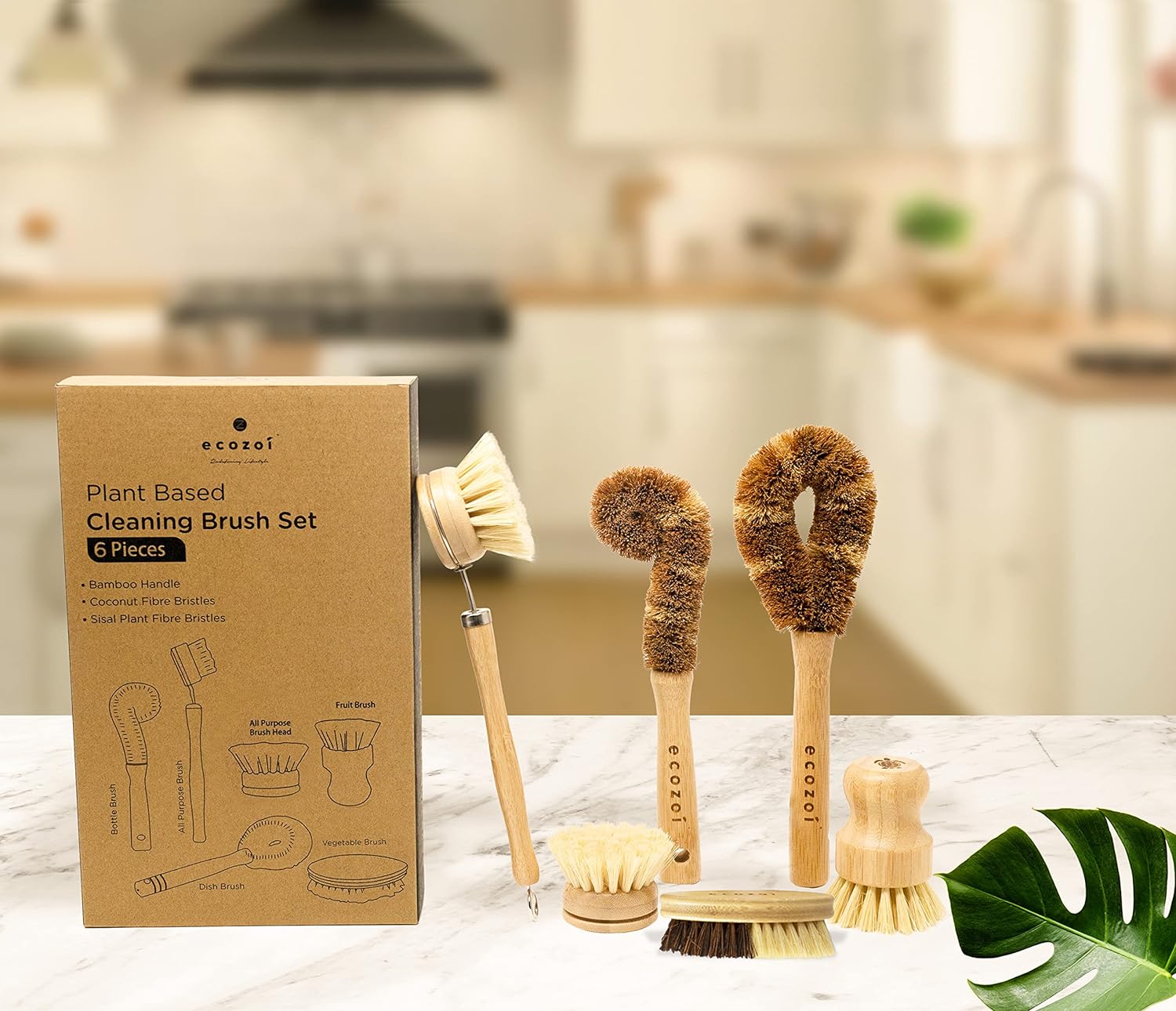
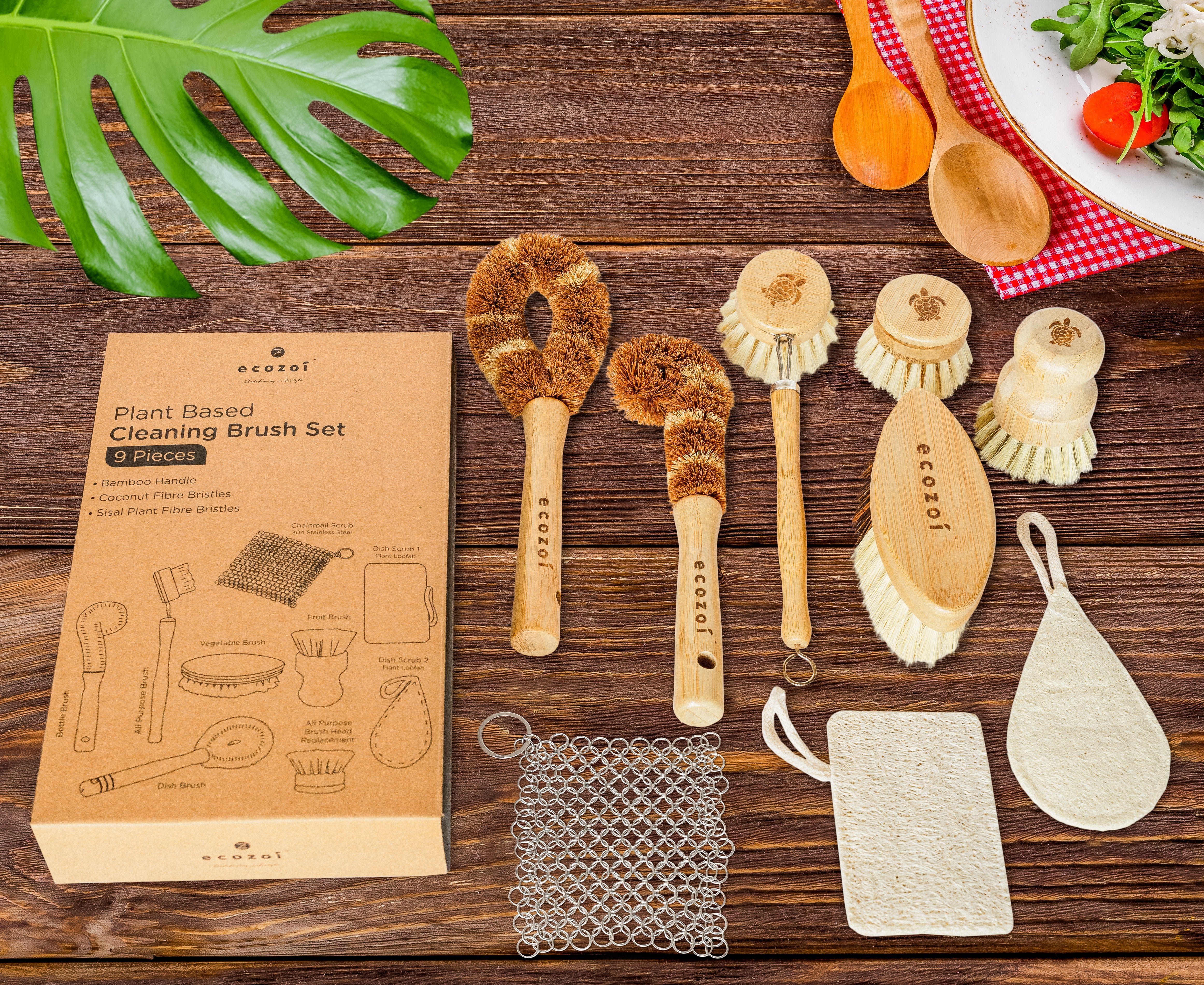
The best way to clean your stainless steel lunch box on a daily basis is immediately after use. Wash it by hand using warm water and a mild, eco-friendly dish soap. Use a soft sponge or a non-abrasive dish cloth to wipe away food residue, and follow up with a hot water rinse. Always dry the box thoroughly with a clean towel rather than letting it air dry, as standing water can sometimes lead to water spots.
2. How to clean stainless steel food containers with stuck-on food?
We all have those days where we forget our lunch box in our bag overnight. If you are dealing with hardened, stuck-on food (like dried pasta sauce or sticky rice), do not aggressively scrape the metal. Instead, soak the stainless steel food containers in warm soapy water for 15 to 30 minutes. Once the food has softened, clean it with a hot, soapy sponge. For more stubborn cases, a nylon non-abrasive pad with mild detergent should be more than adequate for dealing with heavy deposits.
3. Can you put stainless steel lunch box in dishwasher?
Can you put stainless steel lunch box in dishwasher? The short answer is yes! Ecozoi’s stainless steel lunch boxes are completely dishwasher safe. For everyday convenience, simply place the base of your lunch box and the metal lid securely on the top or bottom rack of your dishwasher and run it on a standard cycle. This ensures a hygienic, thorough clean without any extra effort on your part.
Deep Cleaning and Maintenance
To keep your lunch box in peak condition, a deeper clean is required every few weeks, particularly focusing on the leak-proof components.
How to clean silicone seals on stainless steel lunch boxes
If your lunch box features a leak-proof silicone seal, it requires special attention. How to clean silicone seals on stainless steel lunch boxes is a common question we get, and it is vital for preventing mold and trapped moisture.
Once a week, gently remove the silicone ring from the groove of the lid. Wash the silicone seal separately in warm, soapy water, or place it in the utensil basket of your dishwasher. It is crucial to let both the silicone ring and the stainless steel lid dry completely before reassembling them. If you put a wet silicone seal back into the lid, moisture gets trapped, which can lead to unpleasant odors or mildew over time.

Preventing Rust and Damage
Stainless steel is highly resistant to rust, but it is not completely immune to it. Metal alloys require oxygen to maintain their protective layer, and when exposed to certain harsh elements, oxidation (rust) can occur. Many people wonder how to keep stainless steel lunch box from rusting, especially if they live in humid climates or wash their containers frequently.
The secret to preventing rust is keeping the steel dry and avoiding extreme temperature shocks. For instance, while it is perfectly safe to keep your lunch box in the fridge with an ice pack for your office lunch meal prep ideas, you should avoid putting liquid-filled steel boxes directly into the freezer. Liquids expand when frozen, which can cause the steel to warp or split.
What should you not clean stainless steel box with?
Knowing what to avoid is just as important as knowing what to use. Never clean your stainless steel lunch box with bleach, chlorine, or ammonia-based cleaners. These harsh chemicals strip the protective chromium oxide layer from the steel, leading to pitting and rapid rusting. Furthermore, never use abrasive cleaners, steel wool, or harsh scouring pads. These will leave deep scratches on the surface of your lunch box, which not only dulls the shine but also creates microscopic crevices where bacteria and rust can take hold.
What are common mistakes when cleaning stainless steel?
The most common mistakes include:
● Leaving the lunch box soaking for days: While a 30-minute soak is great for stuck food, leaving metal submerged in water for extended periods can encourage rust spots.
● Air-drying in humid environments: Hard water contains minerals that leave white spots on your container if allowed to air dry. Always towel dry for the best finish.
● Forgetting the corners: Food particles love to hide in the deep corners of bento boxes. Always use a soft brush to get into the crevices.
● Using standard metal utensils to scrape it: If food is stuck, avoid using a metal spoon or knife to scrape it off, as this will severely scratch the surface.

Restoring the Shine
Over time, your lunch box might lose a bit of its out-of-the-box luster due to hard water stains or minor scuffs. Fortunately, restoring it is simple, natural, and completely chemical-free.
What brings the shine back to stainless steel?
If your lunch box is looking a little dull or has developed water spots, you can easily bring the shine back using ingredients you already have in your pantry. Create a thick paste using baking soda and a little bit of water. Apply the paste to the dull areas of your lunch box and gently rub it in with a soft cloth in the direction of the metal’s grain. Rinse thoroughly with warm water. Alternatively, you can wipe the surface with a cloth dampened with white vinegar. The natural acidity of the vinegar cuts through mineral deposits and grease, leaving the steel sparkling clean.
Does olive oil really shine stainless steel?
Yes! If you are wondering, does olive oil really shine stainless steel?, the answer is a resounding yes. Once your lunch box is completely clean and dry, apply a single drop (just a drop!) of olive oil or coconut oil to a clean microfiber cloth. Gently buff the exterior of your lunch box. The oil acts as a natural polish, restoring that beautiful, mirror-like gleam while also creating a temporary barrier that resists pesky fingerprints and smudges.
FAQs
To summarize our top care tips, here are quick answers to the most commonly asked maintenance questions:
1. How to clean a stainless steel lunch box?
Wash it by hand with warm soapy water and a soft sponge, or place it in the dishwasher with standard detergent. Always rinse with hot water and towel dry to prevent water spots.
2. What should you not clean stainless steel box with?
Never use bleach, chlorine, harsh chemical solvents, steel wool, or highly abrasive scouring pads, as these will scratch the surface and cause the metal to rust.
3. How to clean stainless steel food containers with tough stains?
Soak them in warm soapy water for up to 30 minutes. Use a nylon non-abrasive pad to gently scrub away the deposits. For deep stains, a paste of baking soda and water works wonders.
4. What are common mistakes when cleaning stainless steel?
Letting the container soak in water for days, using metal utensils to scrape off dried food, failing to remove and clean the silicone seals, and using bleach-based dish soaps.
5. Does olive oil really shine stainless steel?
Yes, a tiny drop of olive oil on a microfiber cloth can be used to buff the exterior of your lunch box, restoring its shine and preventing future fingerprints.
6. What brings the shine back to stainless steel?
White vinegar is excellent for cutting through hard water stains and grease, while a baking soda paste can gently polish away dullness. Finish by buffing with a dry cloth.
Conclusion
Caring for your eco-friendly kitchenware doesn't have to be complicated. By following these simple cleaning guidelines, you can prevent rust, banish stains, and ensure your containers stay hygienic and beautiful. A well-maintained stainless steel lunch box is an investment in your health and the environment—treat it right, and it will serve you perfectly for a lifetime! For more details on safe and sustainable products, explore Ecozoi's official cleaning instructions.


