






7 Best Lunch Box Materials Ranked for Safety and Durability
When choosing a lunch box, design and color are often the first things people notice. But the materials used for lunch boxes matter far more. The right material ensures your food stays safe, fresh, and free from harmful chemicals, while lasting for years.
In this guide, we rank the best lunch box materials based on safety, durability, sustainability, and practicality. If you're searching for the best material for lunch box, this breakdown will help you make an informed decision.
1. Stainless Steel (Best Overall)
Why it ranks #1: Safe, durable, toxin-free, and eco-friendly.
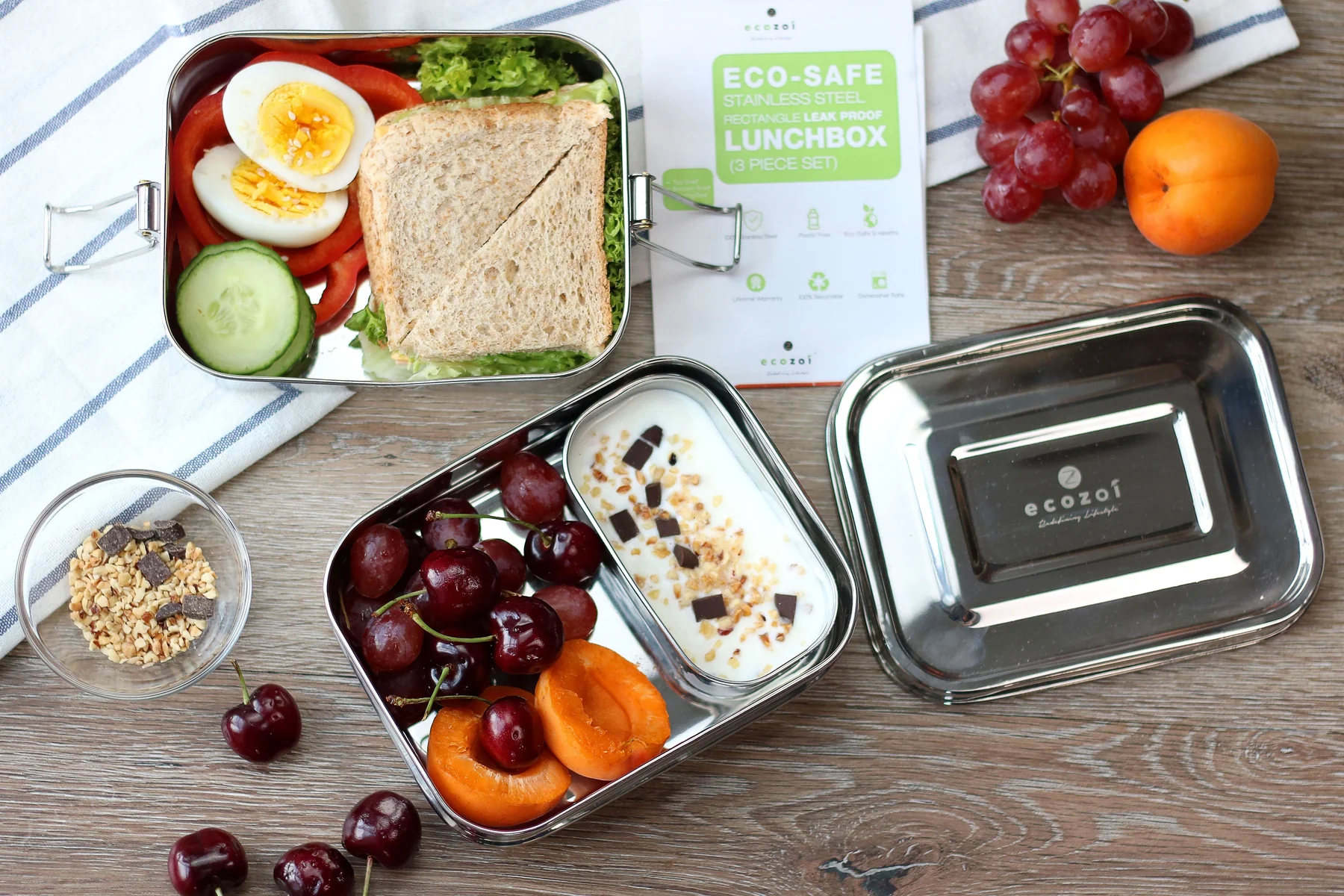
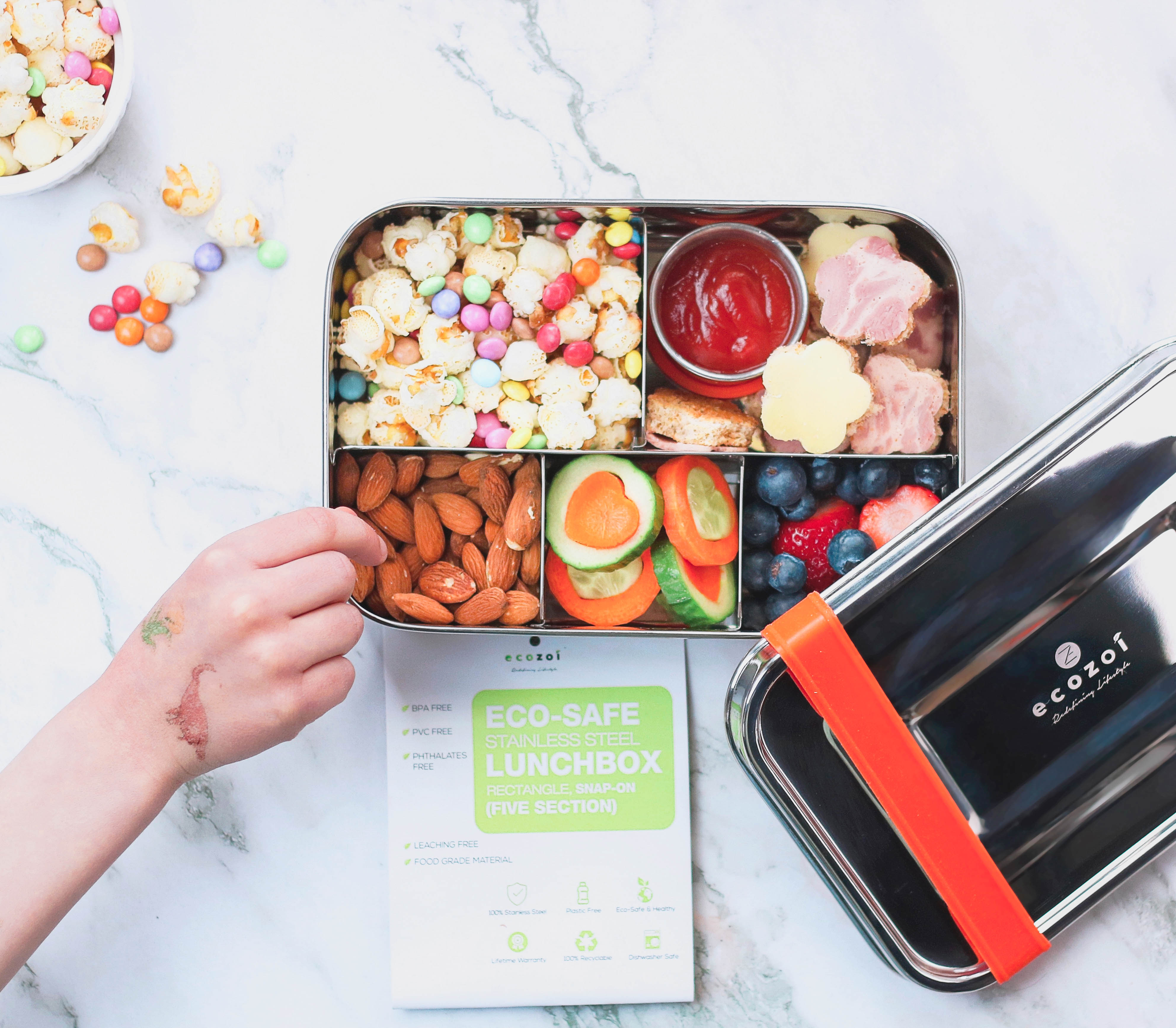
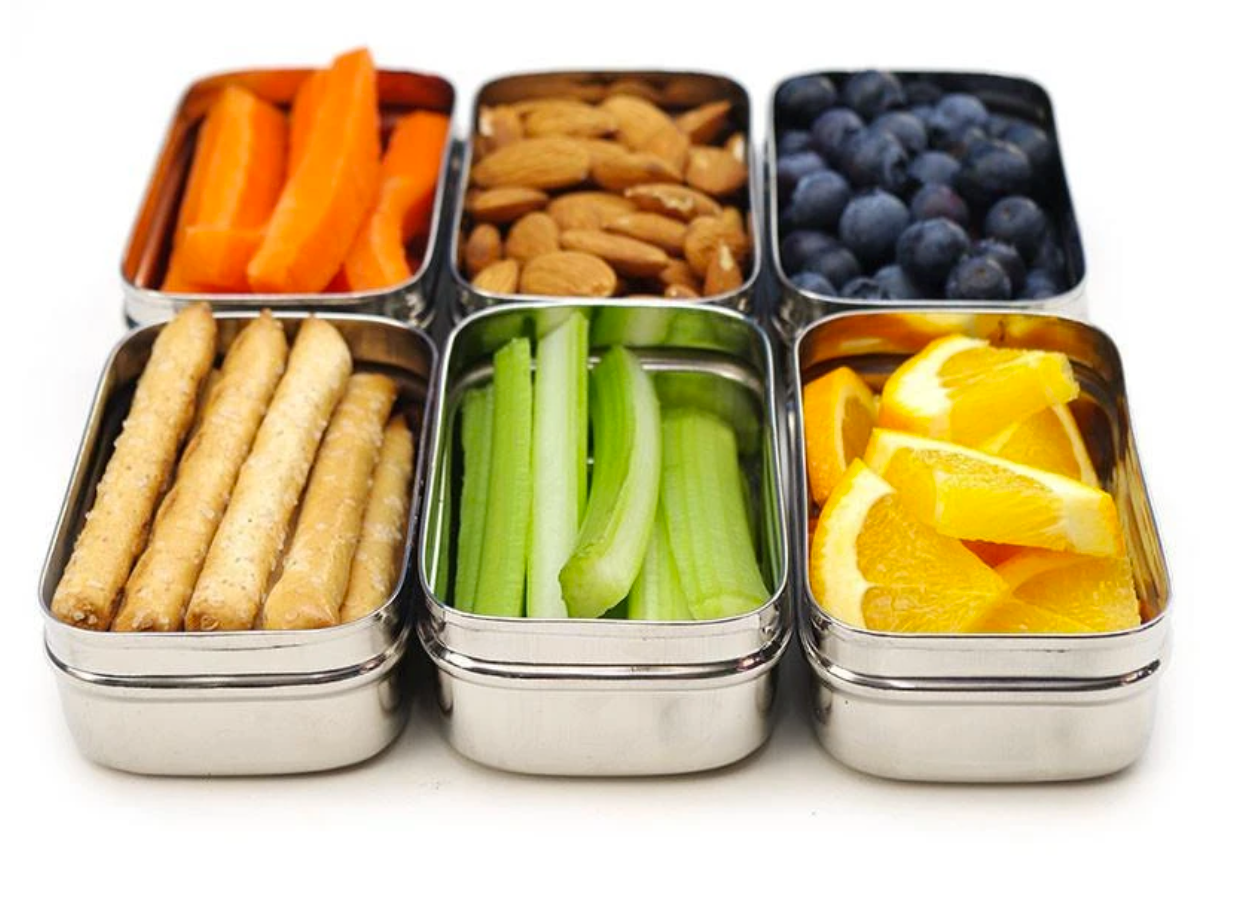
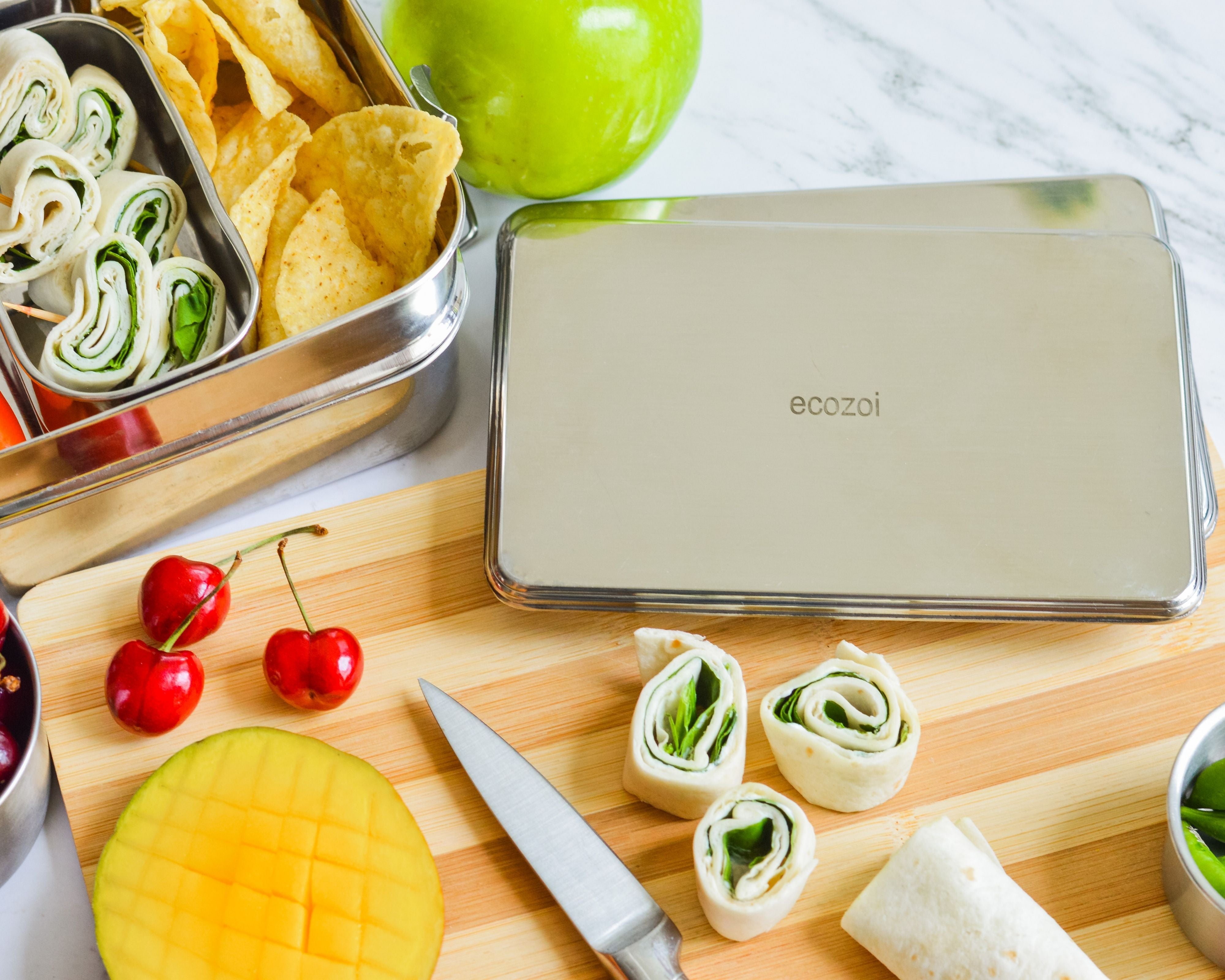
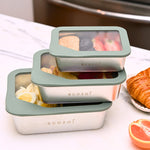
Stainless steel is widely considered the best material for lunch box options today. High-quality food-grade stainless steel lunch box (like 304 or 18/8) is:
-
BPA-free
-
Non-leaching
-
Rust-resistant
-
Extremely durable
-
100% recyclable
Unlike plastic, it doesn’t absorb odors or stains. It’s ideal for both kids and adults.
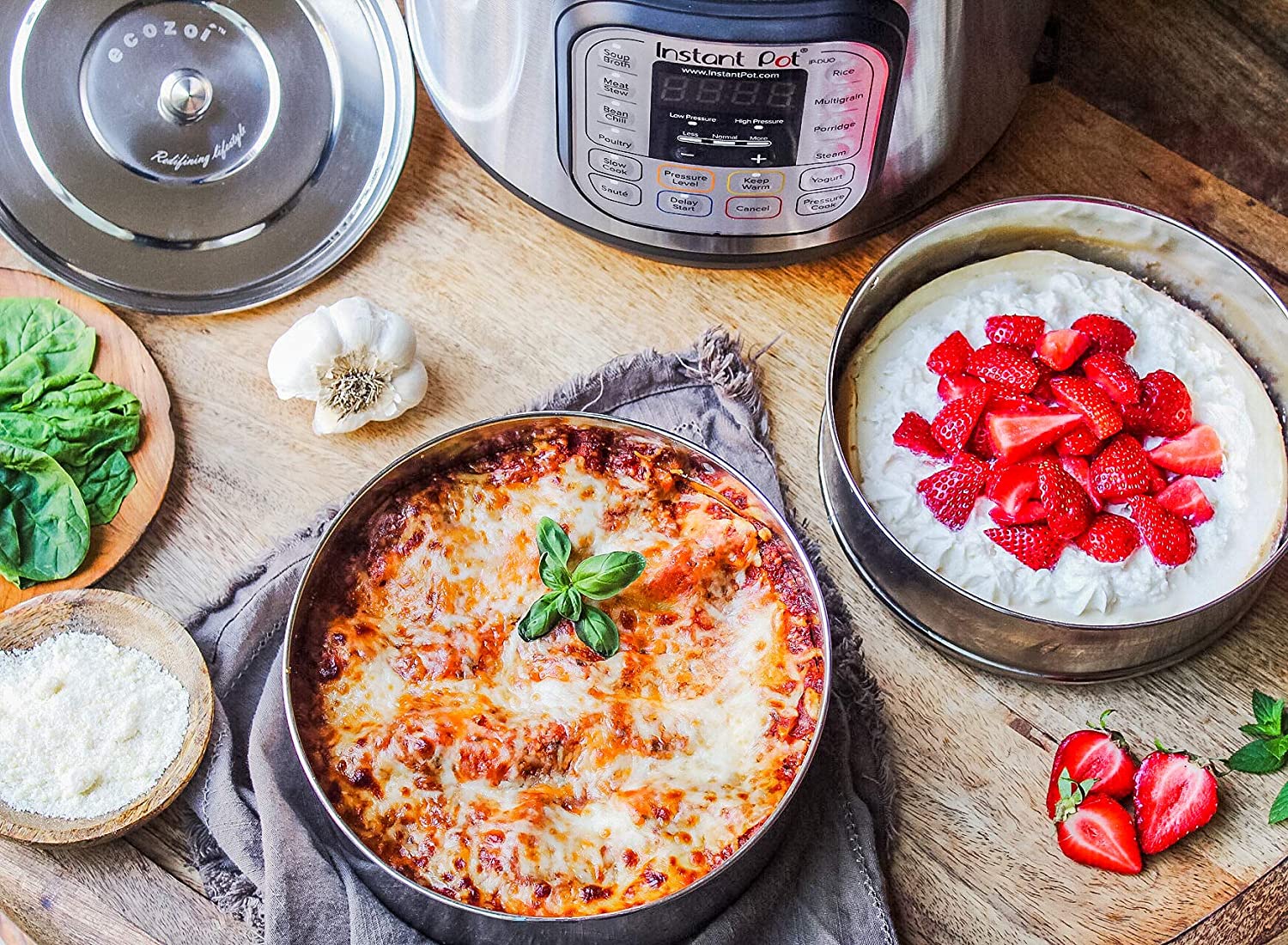
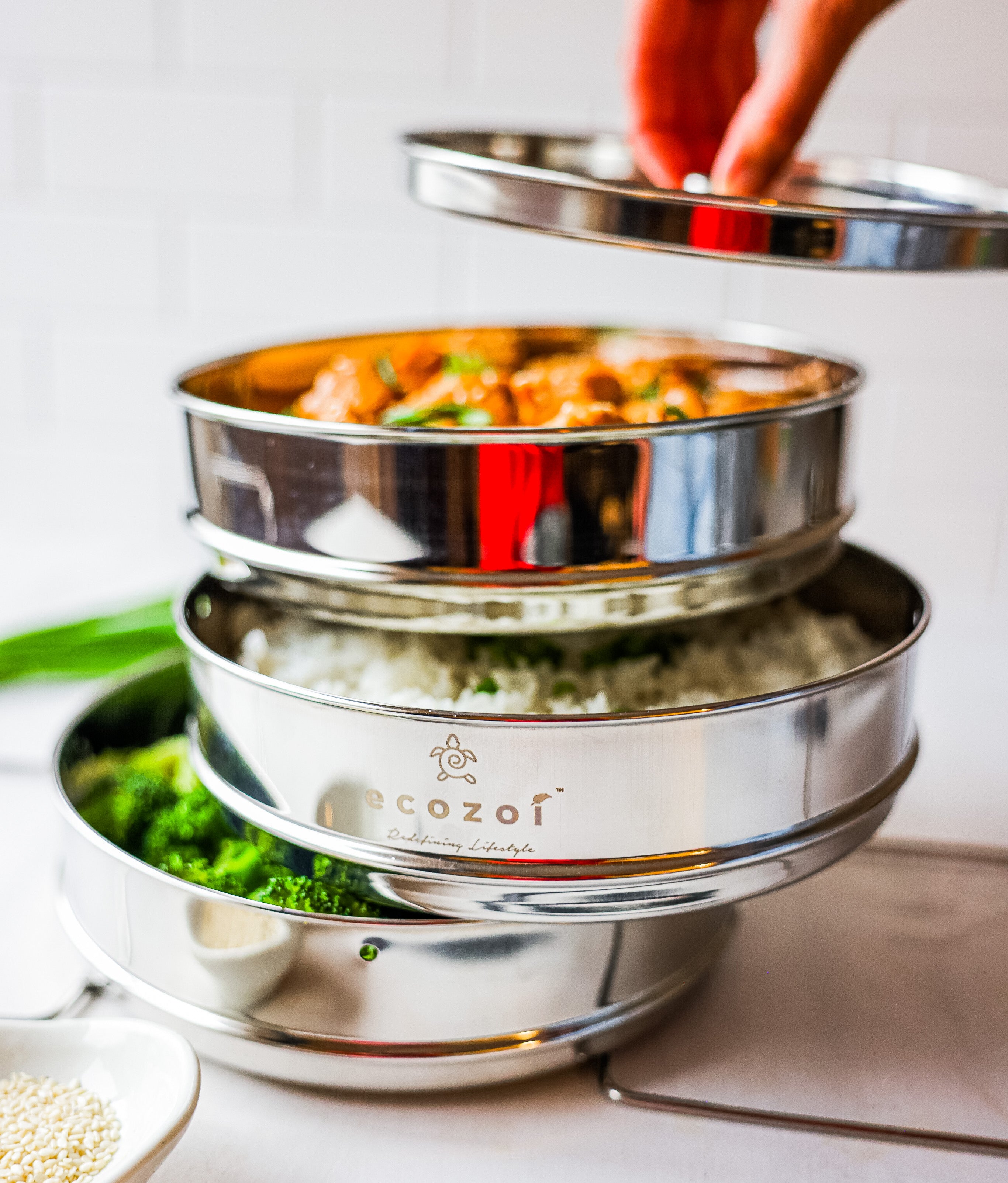
At Ecozoi, our stainless steel lunch collections are designed to be plastic-free and long-lasting. Explore our Stainless Steel Lunch Boxes Collection for zero-waste, durable options.
Best for: Kids, adults, meal prep, long-term sustainability.

2. Glass (Great for Food Purity)
Glass is chemically inert, meaning it does not react with food. It’s excellent for:
-
Storing acidic foods
-
Preventing stains
-
Maintaining taste integrity
However, it’s heavier and breakable, making it less suitable for young children.
Many modern lunch systems pair stainless steel with glass lids for leak-proof performance and durability.
Best for: Office use, reheating food, purity-focused users.

3. Food-Grade Silicone (Flexible & Leak-Resistant)
Silicone is commonly used in seals and insulated components. It is:
-
BPA-free
-
Flexible
-
Heat-resistant
While not ideal as the main container material, it works well for seals and insulated lunch accessories.
Best for: Seals, insulated lunch bags, collapsible containers.
4. BPA-Free Plastic (Budget Option, Lower Rank)
Many brands market plastic lunch boxes as BPA-free. But even BPA-free plastics may contain other chemicals like BPS.
Pros:
-
Lightweight
-
Affordable
-
Widely available
Cons:
-
Can stain and retain odors
-
Less durable
-
Environmental concerns
If choosing plastic, ensure it is certified food-grade and phthalate-free.
Best for: Short-term use, budget buyers.
5. Aluminum (Lightweight but Not Ideal for Food Contact)
Aluminum is lightweight and affordable but not the best direct-contact food material unless lined. Uncoated aluminum can react with acidic foods.
Many insulated lunch boxes use aluminum foil lining for thermal retention rather than as a main container.
Best for: Insulated linings, not primary food storage.
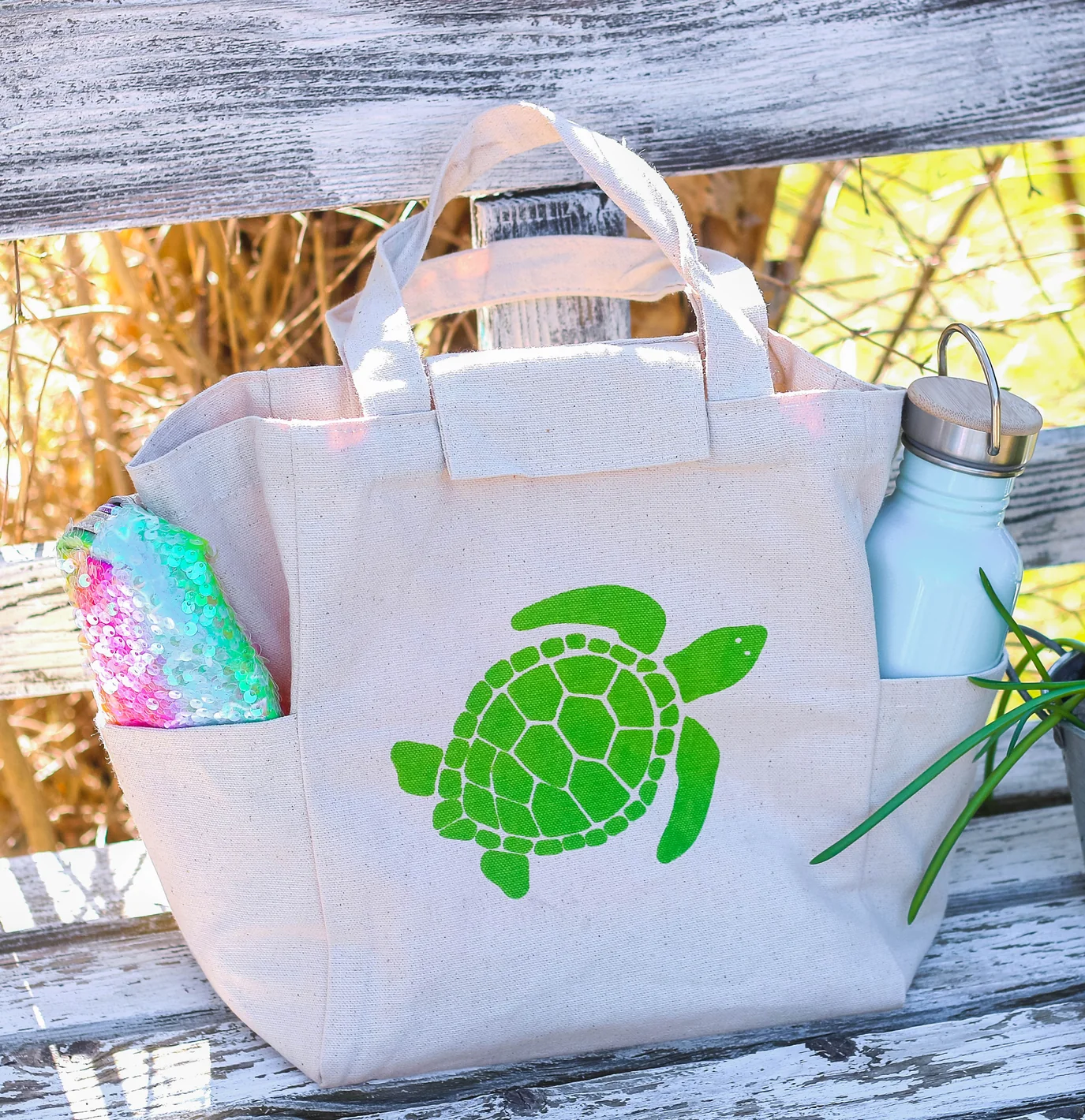
6. Fabric (Insulated Outer Bags)
Fabric lunch bags (cotton, polyester, canvas) are used for insulation and portability.
Look for:
-
Non-toxic insulation
-
PVC-free lining
-
Washable materials
They are not food-contact materials but are essential for temperature control.
Best for: Carrying containers safely.
7. Bamboo Fiber & Bioplastics (Eco but Mixed Durability)
Bamboo-based lunch boxes are marketed as eco-friendly alternatives. While they reduce plastic usage, they often contain melamine binders.
Pros:
-
Renewable material
-
Lightweight
Cons:
-
Can crack
-
Limited durability
-
Not always microwave-safe
Best for: Occasional light use.
Quick Comparison Table
| Material | Safety | Durability | Eco-Friendly | Best For |
|---|---|---|---|---|
| Stainless Steel | * * * * * | * * * * * | * * * * * | Kids & Adults |
| Glass | * * * * * | * * * | * * * * | Office |
| Silicone | * * * * | * * * * | * * * | Seals |
| BPA-Free Plastic | * * * | * * | * * | Budget |
| Aluminum | * * | * * * | * * * | Insulation |
| Fabric | * * * | * * * | * * * | Carrying |
| Bamboo | * * * | * * * | * * * | Light Use |
What Are the Materials Used in Lunch Boxes?
Common materials used for lunch boxes include:
-
Stainless steel
-
Plastic (BPA-free)
-
Glass
-
Silicone
-
Aluminum lining
-
Fabric insulation
-
Bamboo fiber
Each material has strengths and weaknesses depending on safety and durability.
Is Stainless Steel or Plastic Better for Kids?
Stainless steel is generally safer for kids because:
-
It contains no BPA or BPS
-
It doesn’t leach chemicals
-
It lasts longer
-
It’s more environmentally responsible
Plastic may crack over time and absorb food smells. For long-term health and sustainability, stainless steel wins.
You can explore eco-friendly options in our Leak-Proof Lunch Box Collection designed especially for durability and safety.
What Is the Best Material for Insulated Lunch Boxes?
For insulated lunch boxes:
-
Outer layer: Fabric (cotton or polyester)
-
Inner lining: Aluminum or food-grade insulation
-
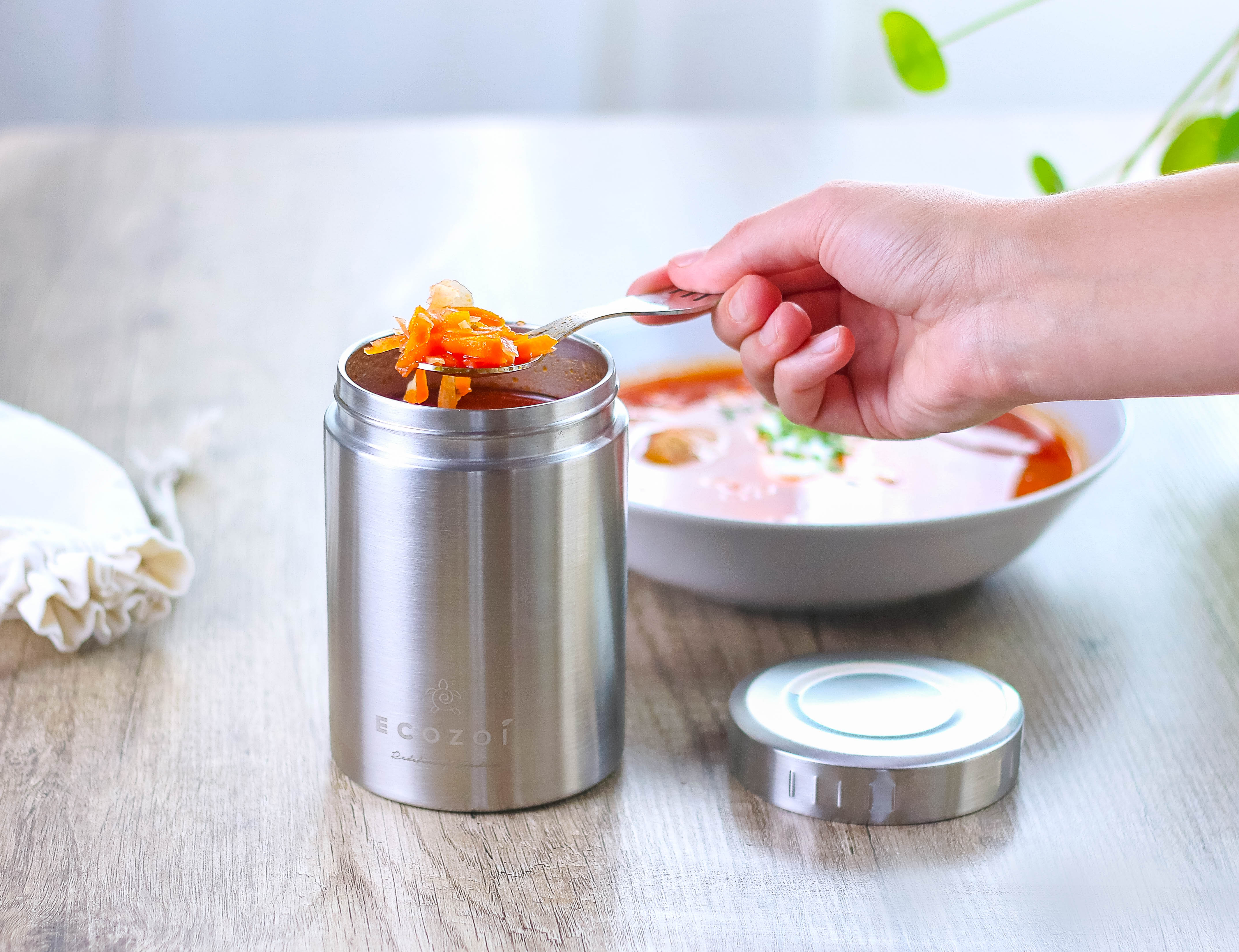
Food container inside: Stainless steel (best option)
The safest approach is combining an insulated fabric bag with a stainless steel container inside.
What Is the Safest Lunchbox Material?
The safest lunchbox material is food-grade stainless steel because it is:
-
Non-toxic
-
BPA-free
-
Non-reactive
-
Durable
-
Sustainable
It doesn’t break like glass or degrade like plastic. That’s why many lunch boxes made in USA and globally sustainable brands prioritize stainless steel construction.
Why Ecozoi Chooses Stainless Steel
At Ecozoi, sustainability and safety come first. Our lunch boxes are:
-
Made from premium food-grade stainless steel
-
Designed for zero-waste lifestyles
-
Durable enough to last for years
-
Safe for both adults and kids
If you’re looking for the best lunch box material, stainless steel offers unmatched long-term value.
Browse our full range of sustainable lunch solutions at Ecozoi.
Final Verdict
If safety, durability, and sustainability are your top priorities, the ranking is clear:
Stainless Steel
Glass
Silicone (for seals)
Avoid relying solely on plastic when possible. Investing in high-quality stainless steel means fewer replacements, less waste, and safer meals.
Ready to upgrade? Choose durable, toxin-free lunch solutions that support both your health and the planet.
We Want to Hear From You!
Let us know how Ecozoi’s products have helped you with your eco-friendly lifestyle! Please take a moment to fill out our Ecozoi Customer Survey. Your feedback helps us grow and improve!
Small changes. Big impact. Clean with care.


