






What is Non-Toxic Cookware? A Beginner's Guide for 2026
When we think about healthy eating, our minds immediately go to organic vegetables, grass-fed proteins, and clean ingredients. But there is a crucial element of a healthy kitchen that often gets overlooked: the pots and pans you use to prepare your meals. As we move deeper into 2026, the wellness conversation has shifted from just what we eat to how we cook it.
The rise of non-toxic cookware isn't just a passing trend; it is a fundamental shift toward safer, more sustainable home environments. Many conventional non-stick pans hide a dark secret—toxic chemicals that can leach into your food under high heat. If you are ready to detox your kitchen, this beginner's guide will walk you through everything you need to know about transitioning to healthy non toxic cookware, understanding the materials, and making the safest choices for your family.
Why the Shift to Healthy Non Toxic Cookware in 2026?
For decades, the convenience of traditional non-stick pans dominated the culinary world. The ability to fry an egg without oil and wipe a pan clean in seconds felt like a modern miracle. However, that convenience came at a significant cost to human health and the environment.
These traditional non-stick coatings are primarily made using PFAS (per- and polyfluoroalkyl substances), notoriously known as "forever chemicals" because they do not break down in the environment or the human body. When heated to high temperatures, these pans can release toxic fumes. Upgrading to non toxic kitchenware eliminates this risk, ensuring that the only thing making its way onto your dinner plate is the wholesome food you prepared.

Explore our collection of safe, sustainable stainless steel kitchen essentials.
The Culprits: What Specific Chemicals Should I Avoid?
If you are wondering, "What specific chemicals should I avoid?", the list is unfortunately long, but identifying the main offenders makes shopping much easier. When browsing for new pans, watch out for:
-
PFAS & PTFE: Teflon and similar non-stick coatings are made of PTFE. At high temperatures (above 500°F), PTFE begins to degrade, releasing polymer fumes that can cause "Teflon flu."
-
Lead and Cadmium: Often found in the brightly colored glazes of cheap ceramic or enamel cookware. These heavy metals are highly toxic and can leach into food, especially when cooking acidic dishes like tomato sauce.
-
Aluminum (Uncoated): While great for heat conduction, raw aluminum is highly reactive to acidic foods, causing the metal to leach into your meal and alter its taste and safety.
Is "PFOA-Free" the Same as Non-Toxic?
This is one of the most common marketing traps in the cookware industry. Many modern pans proudly display a "PFOA-Free" label. But is "PFOA-Free" the same as non-toxic? The short answer is: No. PFOA (Perfluorooctanoic acid) is just one specific chemical in the PFAS family that was phased out due to its severe health risks. However, many manufacturers simply replaced PFOA with other "forever chemicals" (like GenX), which perform similarly and carry their own emerging health concerns. A label that only says "PFOA-Free" does not guarantee the pan is entirely free of toxic non-stick chemicals. To truly detox your kitchen, you need to look at the core materials of the cookware.
What is the Most Non Toxic Cookware? Top Materials Ranked
So, what is the most non toxic cookware available on the market today? Here is a breakdown of the safest materials you can bring into your kitchen in 2026.
1. The Gold Standard: Stainless Steel
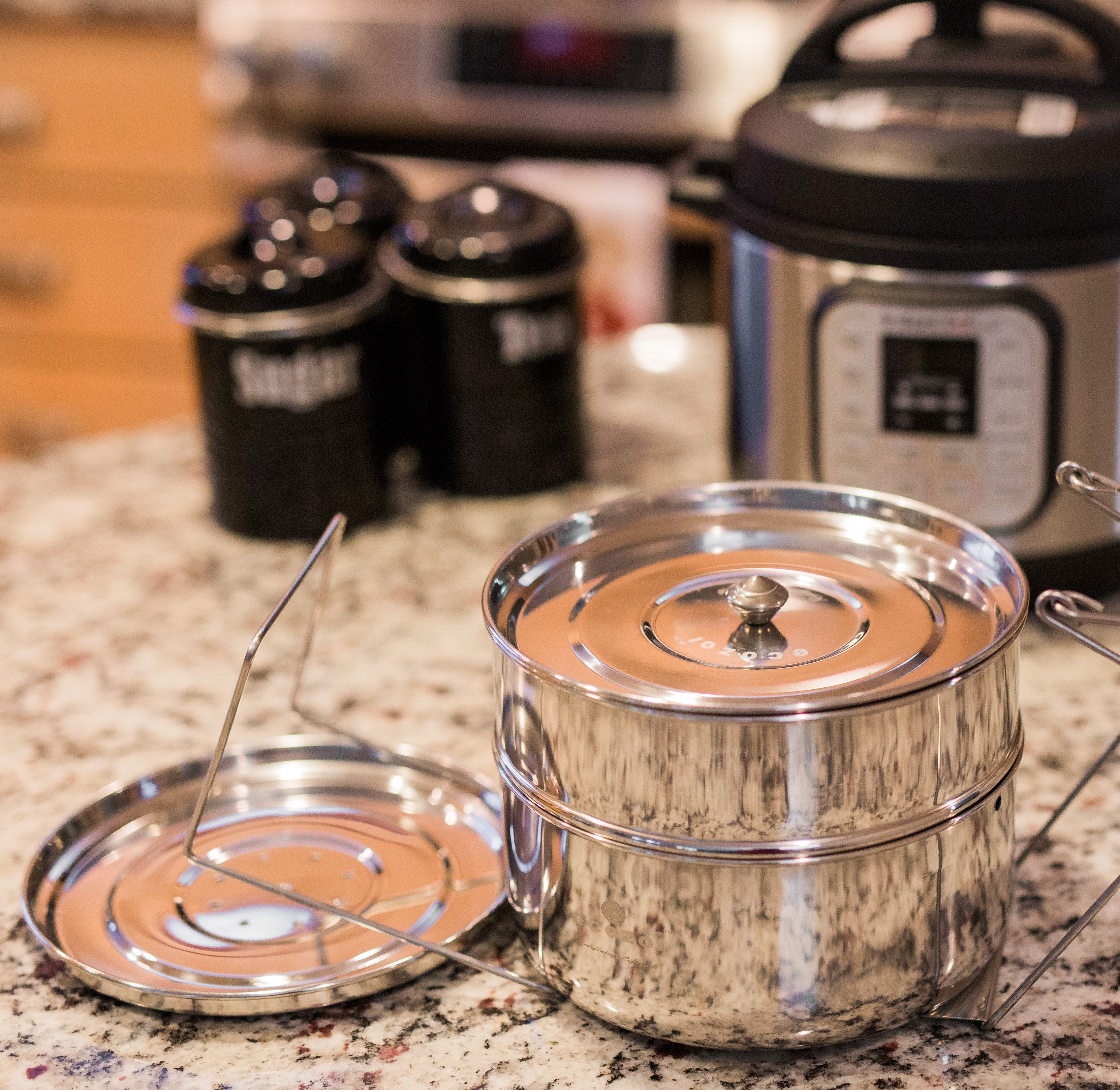
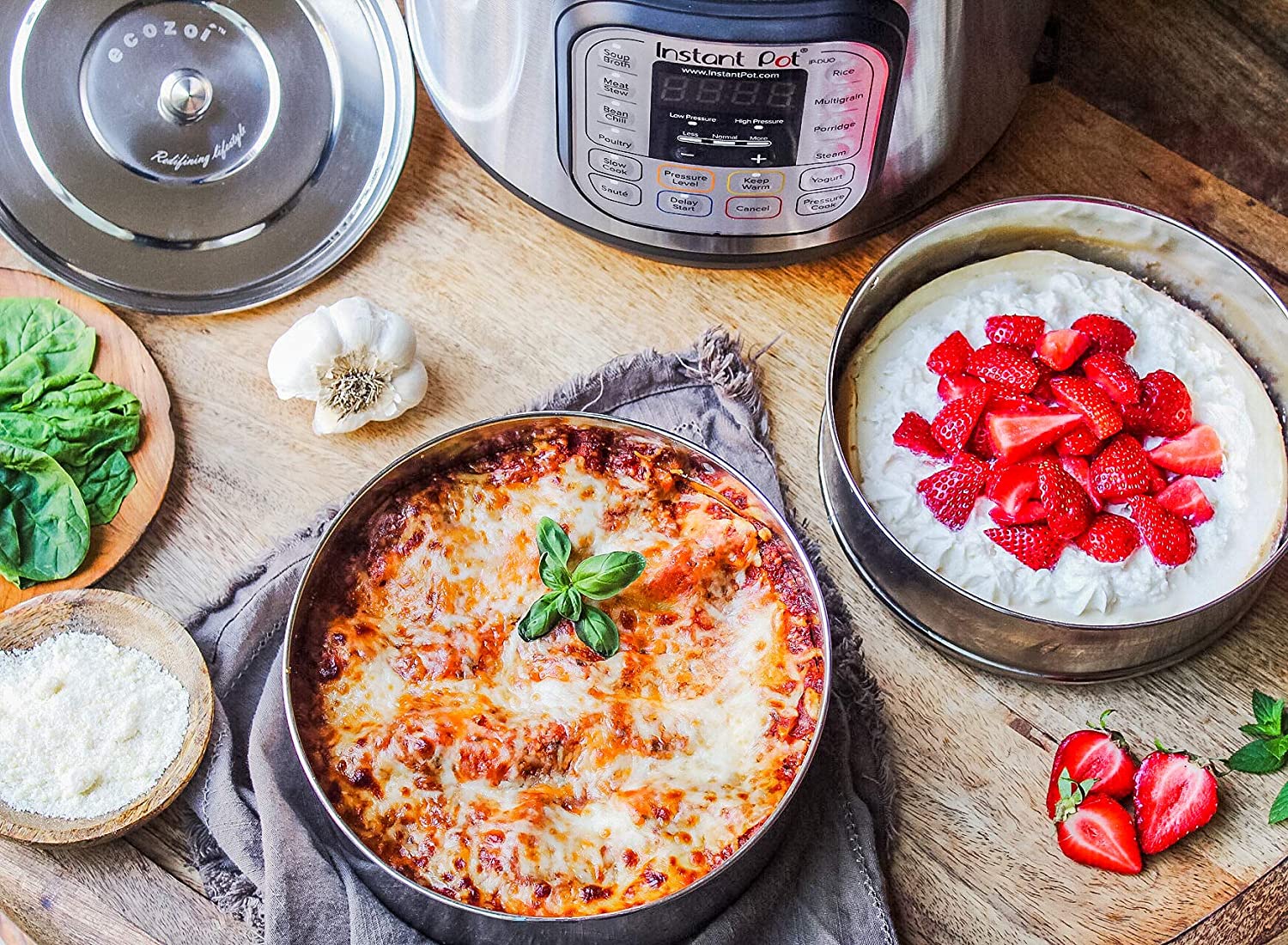
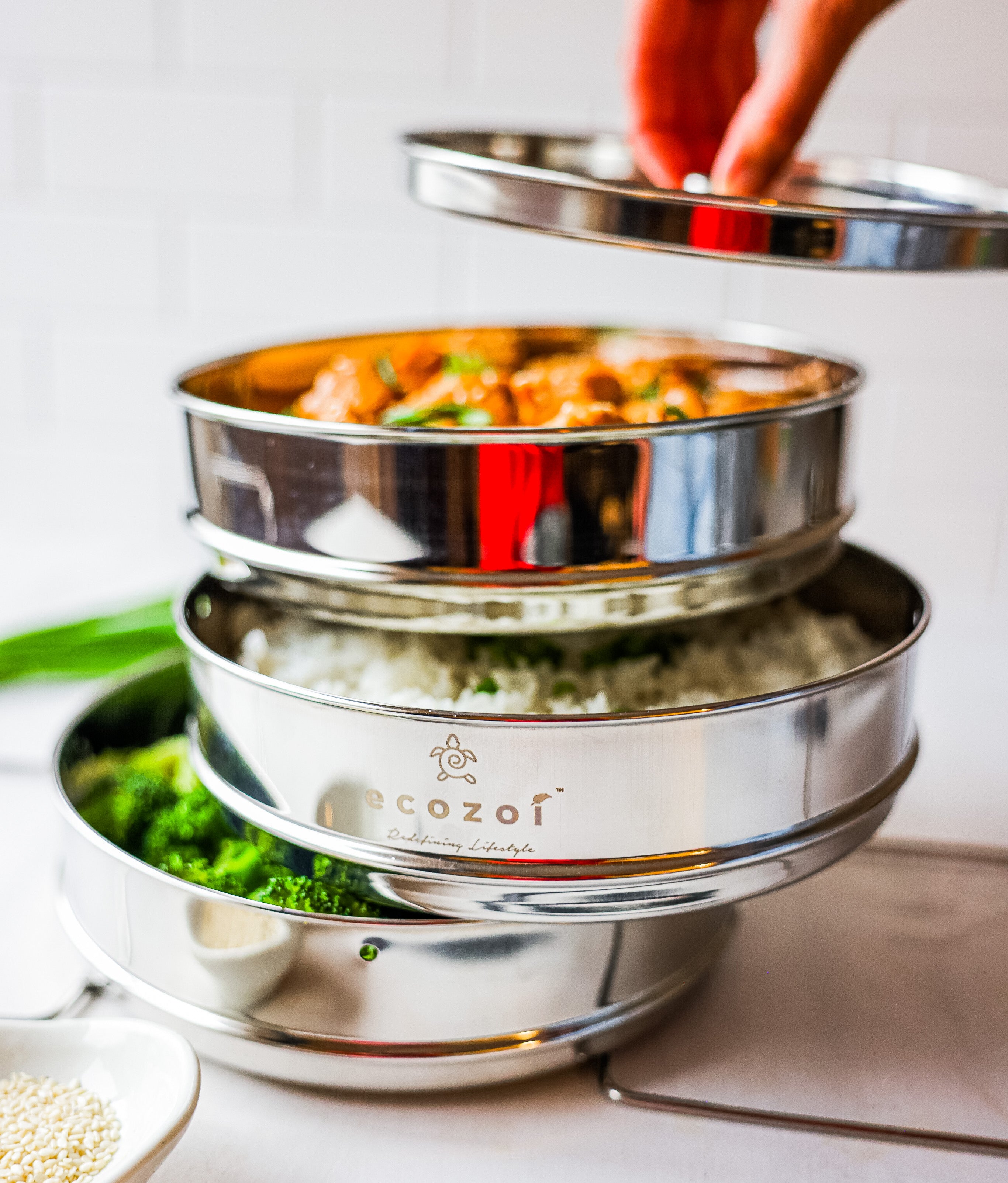
Stainless steel is the undisputed champion of the non-toxic kitchen. It is incredibly durable, resistant to rust, and naturally non-reactive. But people often ask: is stainless steel non-toxic? Yes, high-quality stainless steel is completely non-toxic and requires no chemical coatings to perform beautifully.
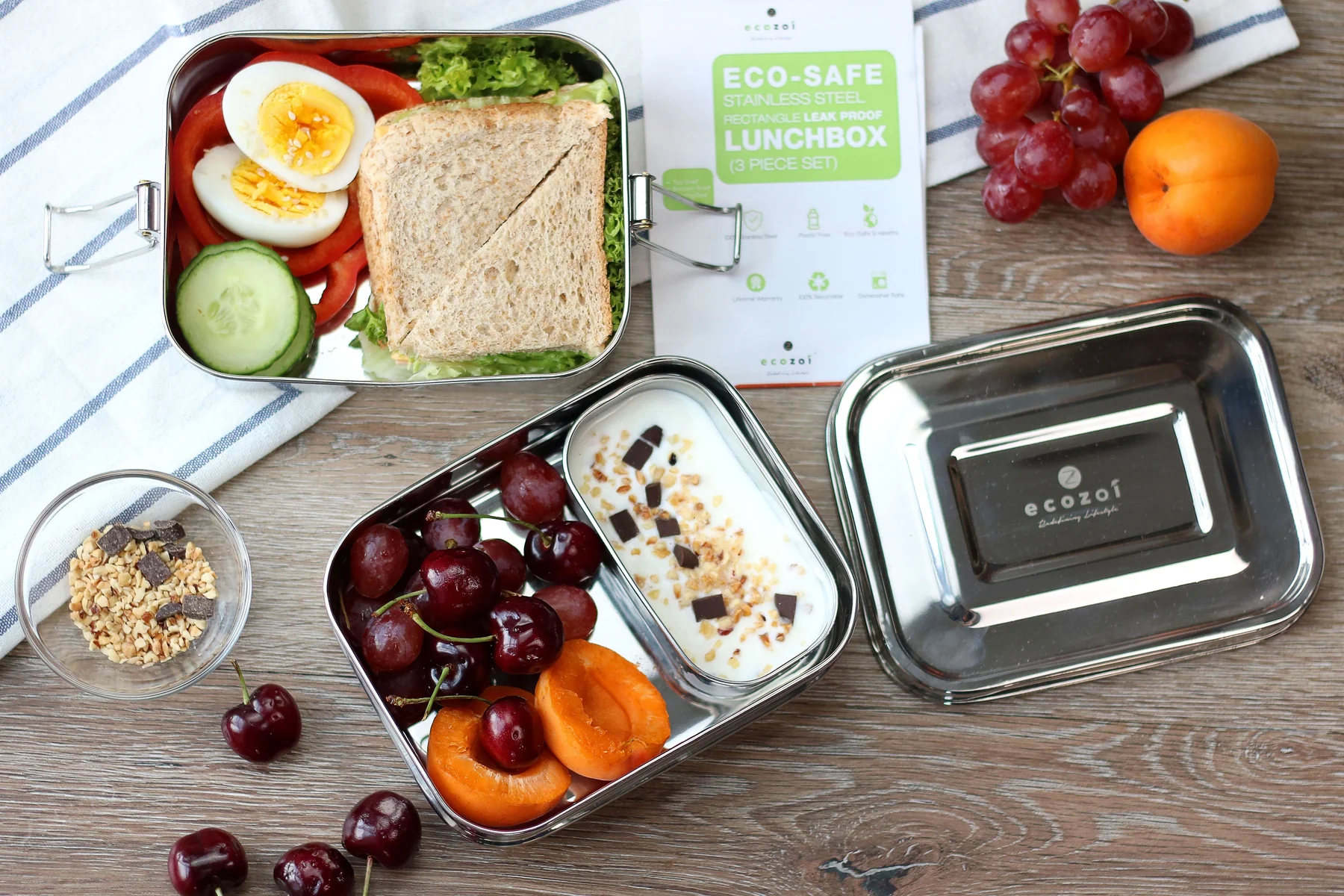
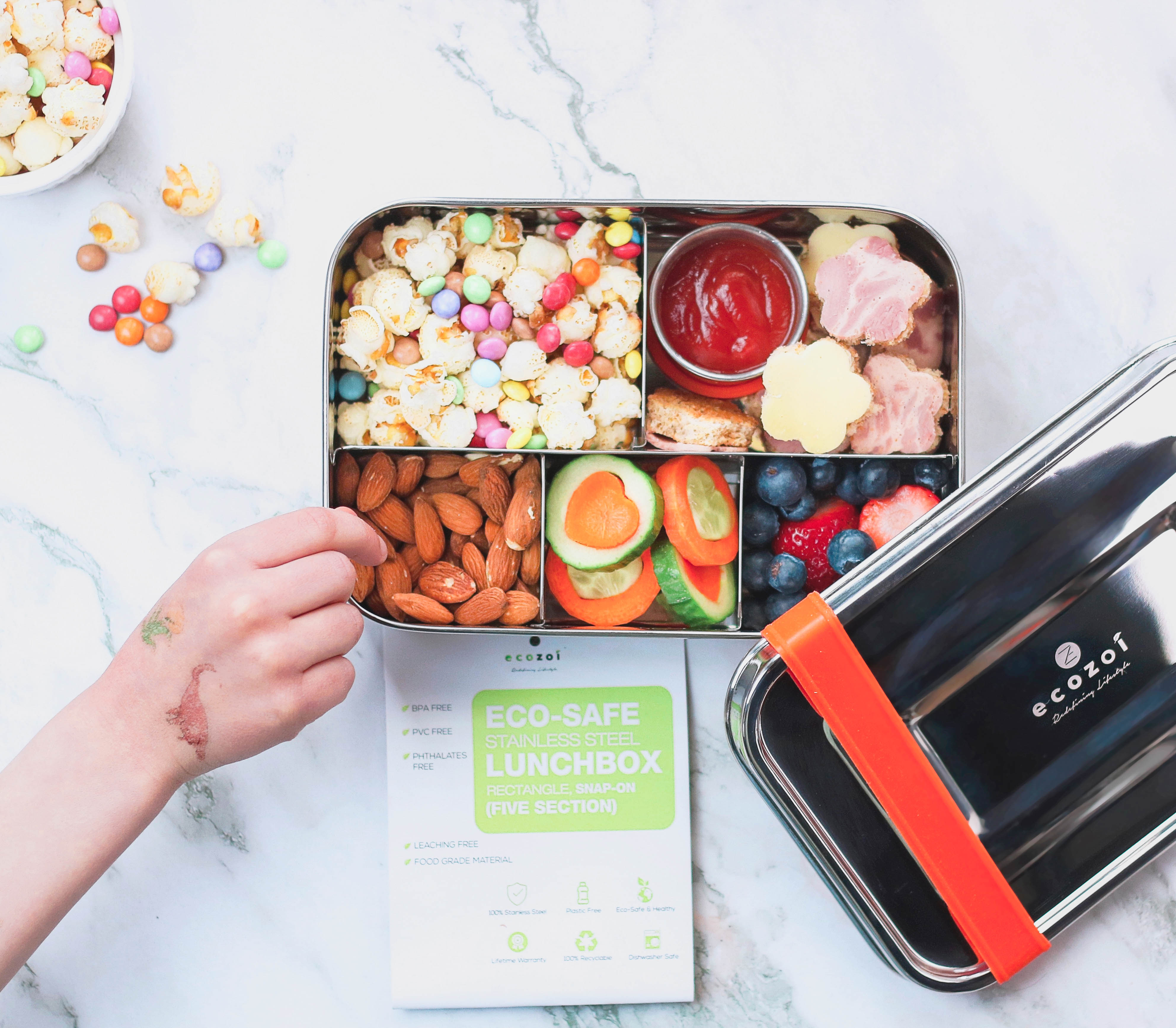
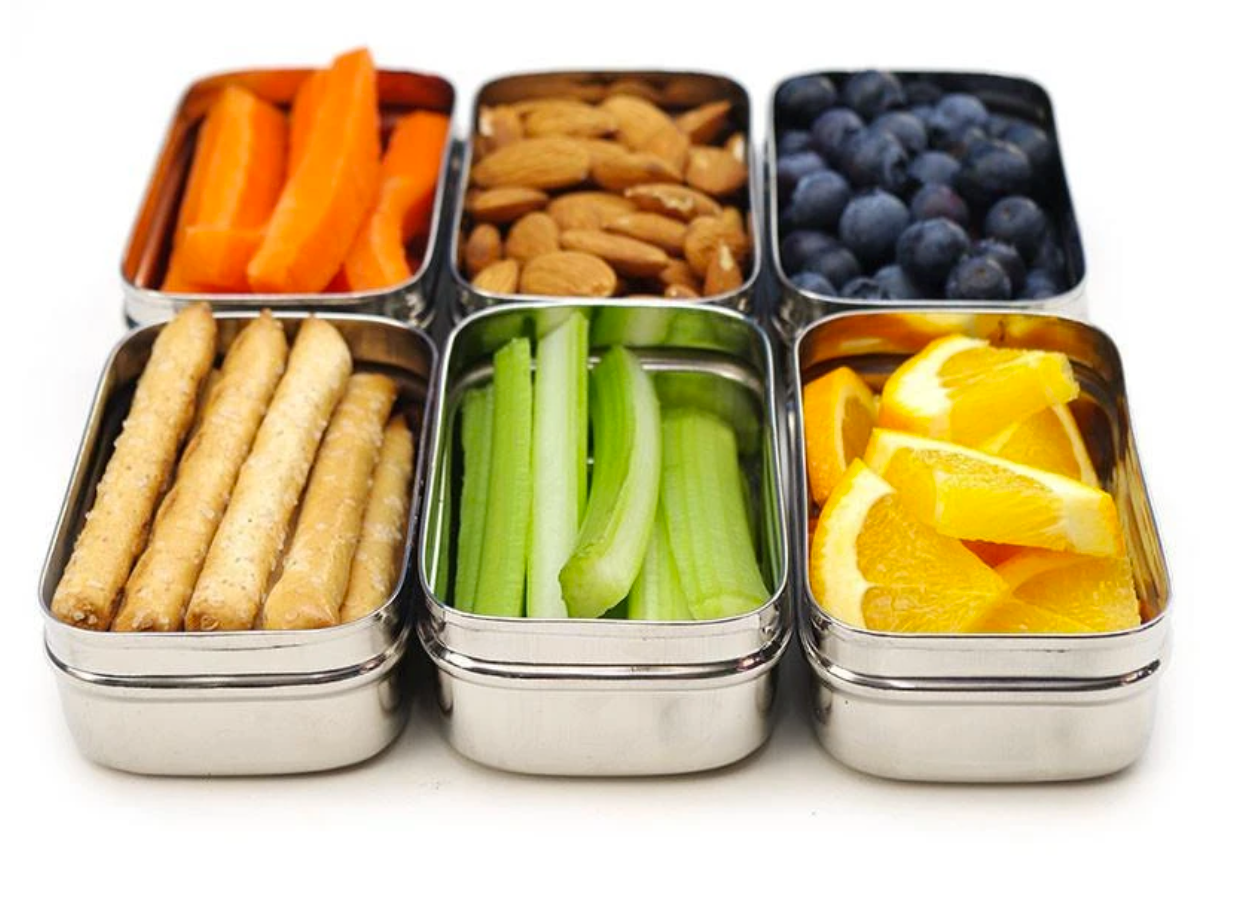
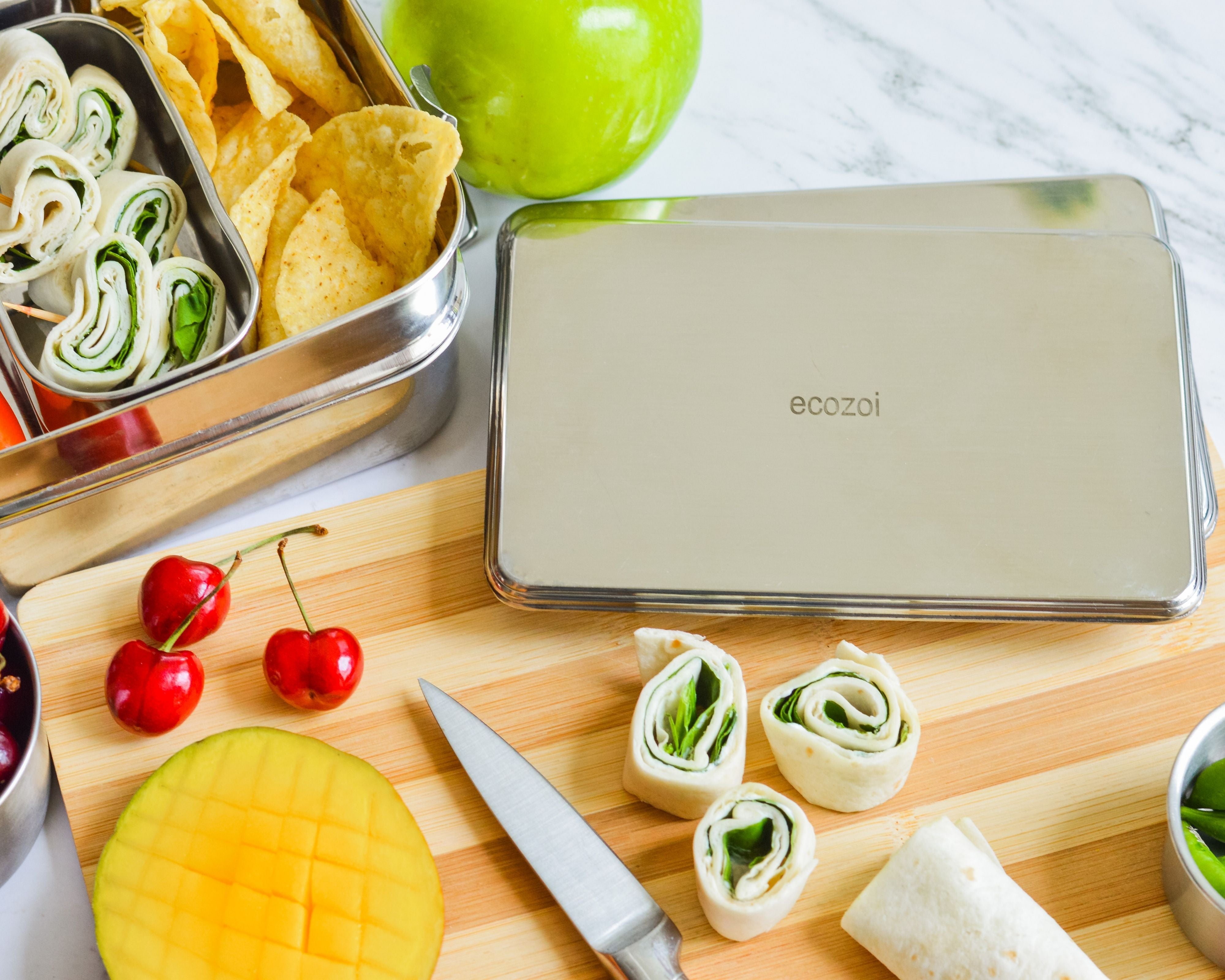
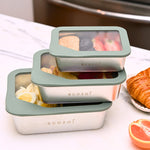
However, you might wonder, is all stainless steel non toxic? The answer depends on the grade. Lower-grade stainless steel may contain higher amounts of nickel or trace heavy metals that can leach. This brings us to the most important question: is 304 stainless steel non toxic? Absolutely. 304 stainless steel (often labeled as 18/8 or 18/10, representing its chromium and nickel content) is food-grade, highly stable, and exceptionally safe. It is the exact material we trust for our eco-friendly lunch boxes and kitchen tools because it guarantees longevity and health.
2. Cast Iron
Generations have relied on cast iron for a reason. It is naturally non-stick once properly seasoned with oil, retains heat beautifully, and contains no synthetic chemicals. The only thing cast iron might leach into your food is a little bit of dietary iron, which is actually beneficial for most people.
3. 100% Pure Ceramic
Pure ceramic cookware (not to be confused with ceramic-coated metal) is made from natural clay and baked in a kiln. It is completely inert and free of heavy metals, polymers, and coatings. While it is heavy and can be fragile, it is incredibly safe.
4. Glass
Glass is non-porous, non-reactive, and completely free of toxins. While you can't use it for stovetop frying, glass is the perfect non-toxic choice for baking and food storage.
 Pair your non-toxic pans with our sustainable bamboo kitchen utensils to protect your cookware's finish.
How Can I Identify the Most Non-Toxic Cookware?
Navigating the cookware aisle can feel overwhelming. If you are asking, "How can I identify the most non-toxic cookware?", follow these simple rules:
-
Avoid Vague Claims: Look past "greenwashed" marketing terms like "earth-friendly coating." Look for explicit declarations of materials, such as "100% 304 Food-Grade Stainless Steel" or "Uncoated Cast Iron."
-
Check for Third-Party Testing: The best brands will readily provide information about heavy metal testing (ensuring no lead or cadmium) and confirm the absence of all PFAS, not just PFOA.
-
Embrace the Weight: Truly non-toxic cookware like pure ceramic, cast iron, and high-ply stainless steel generally feels heavier and more robust than flimsy, mass-produced non-stick aluminum pans.
What is the Safest Cookware Material?
When looking at overall versatility, durability, and health benefits, what is the safest cookware material? High-quality, food-grade 304 stainless steel consistently takes the crown. Unlike cast iron, it doesn't require complex seasoning routines. Unlike ceramic or glass, it won't shatter if dropped. It can handle boiling, searing, sautéing, and baking without ever off-gassing or breaking down chemically.
What is the Best Non-Toxic Cookware Set?
Finally, "What is the best non-toxic cookware set?" The best set is one that aligns with your cooking habits while maintaining strict material standards. A well-rounded non-toxic kitchen doesn't need 15 pieces. Instead, focus on a curated collection:
-
A large 304 stainless steel skillet for everyday sautéing and searing.
-
A sturdy cast-iron pan for high-heat roasting.
-
A pure ceramic or glass baking dish for the oven.
-
Stainless steel saucepans for boiling pastas and making soups.
By investing in high-quality, sustainable materials, you aren't just buying kitchen tools; you are investing in the long-term health of your family and the planet.
Ready to Upgrade Your Kitchen?
Transitioning to a non-toxic kitchen is a journey, and every small swap counts. Start by replacing your most heavily used, scratched non-stick pan with a durable stainless steel alternative. At Ecozoi, we believe that health begins at home, which is why we are dedicated to providing sustainable, strictly non-toxic solutions for your kitchen and everyday life.
Explore our range of Ecozoi Stainless Steel Products today and take the first step toward a cleaner, greener, and healthier kitchen for 2026 and beyond!


