

















What Actually Wears Out on a Stainless Steel Lunch Box (and How Long Each Part Should Last)
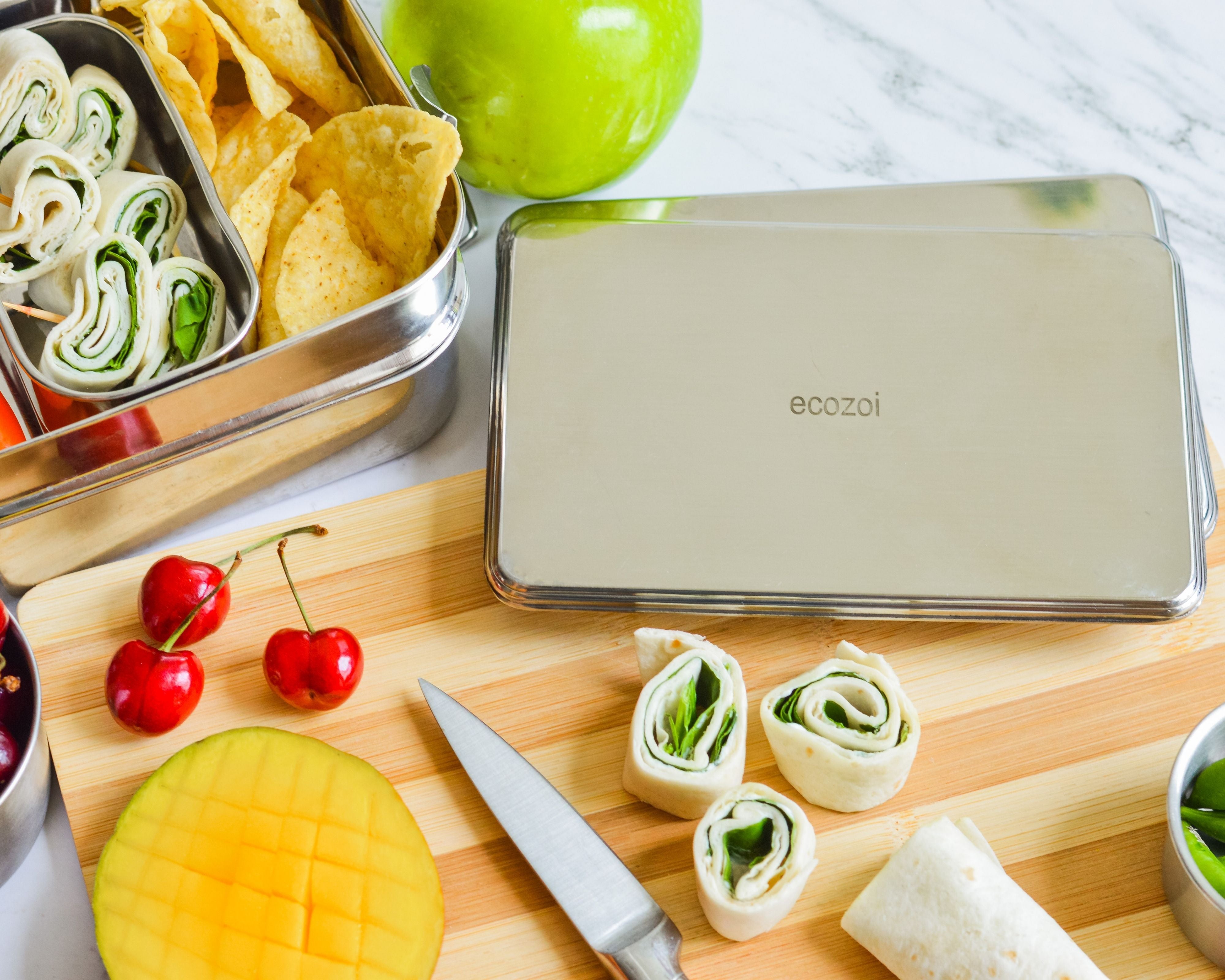
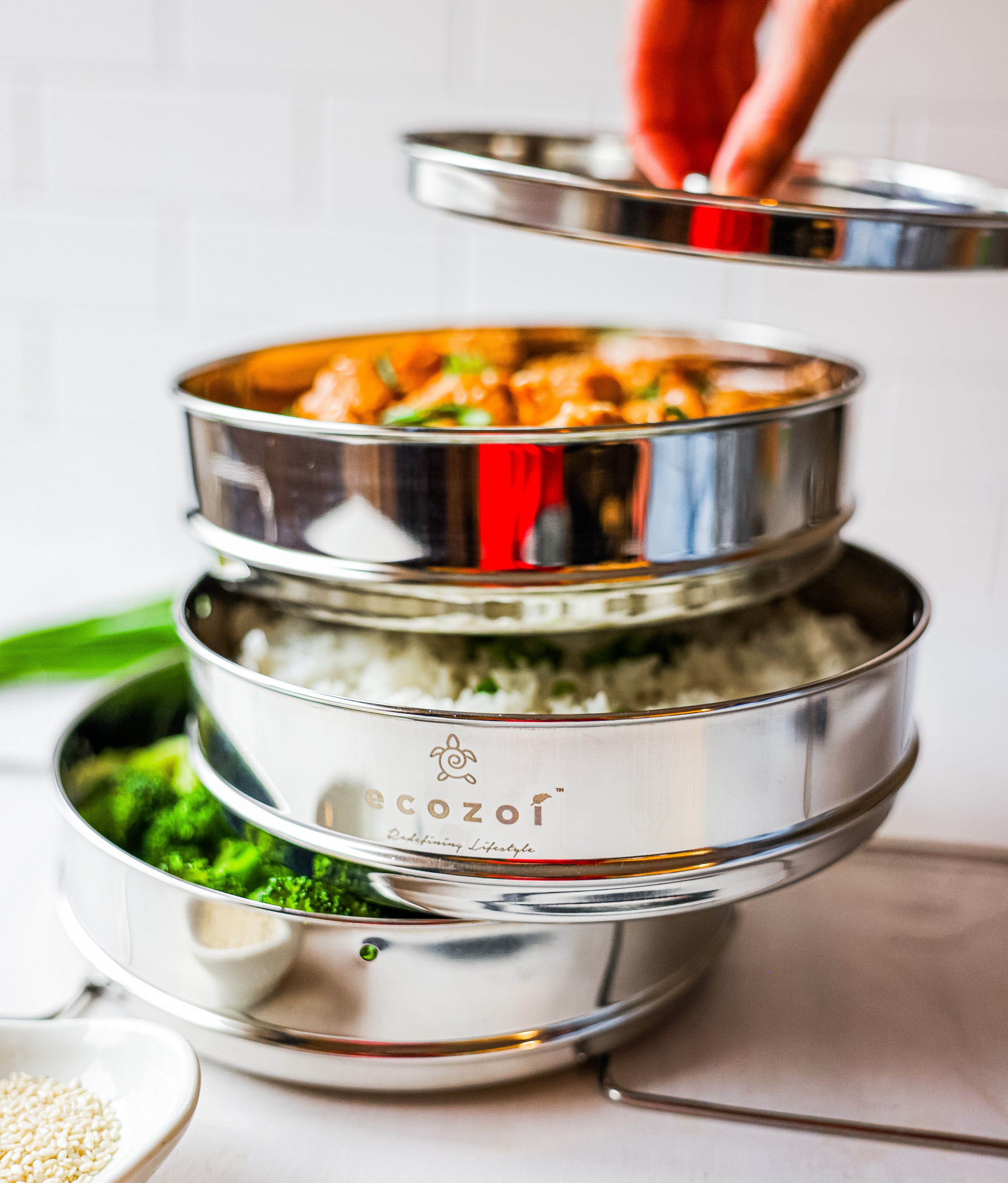
When you make the conscious choice to switch to a zero-waste lifestyle, ditching single-use plastics and flimsy containers is usually the first step. Enter the stainless steel lunch box: the undisputed champion of sustainable, non-toxic food storage. Built to withstand the rigors of daily life, commutes, and schoolyard drops, these metal marvels are praised for their near-indestructibility.
However, even the most robust materials have a lifespan. While the heavy-duty metal body might outlast your time at your current job or even your child’s elementary school years the accessory parts attached to it will eventually show signs of aging. Stainless steel lunch box wear starts with seals, hinges, and latches. Learn how long each part lasts, what fails first, and when to replace it to maximize the lifespan of your eco-friendly investment.
The Overall Lifespan: How Long Do Lunch Box Last?
Before we break down the individual components, it is important to answer a foundational question: how long do lunch box last when made of high-quality stainless steel?
Unlike plastic containers that stain, warp, absorb unpleasant odors, and eventually crack within a year or two, a premium stainless steel lunch box is designed to last a lifetime. The core body usually crafted from 304 (18/8) food-grade stainless steel is resistant to rust, corrosion, and shattering. If properly cared for, the main tray and compartments of your bento box can easily last for 10 to 20 years, or longer.
However, the "lunch box" as a complete, functional system relies on its moving parts and leak-proofing mechanisms. The true lifespan of your lunch box depends entirely on how well you maintain these specific, highly utilized components.
What Wears Out on a Stainless Steel Lunch Box?
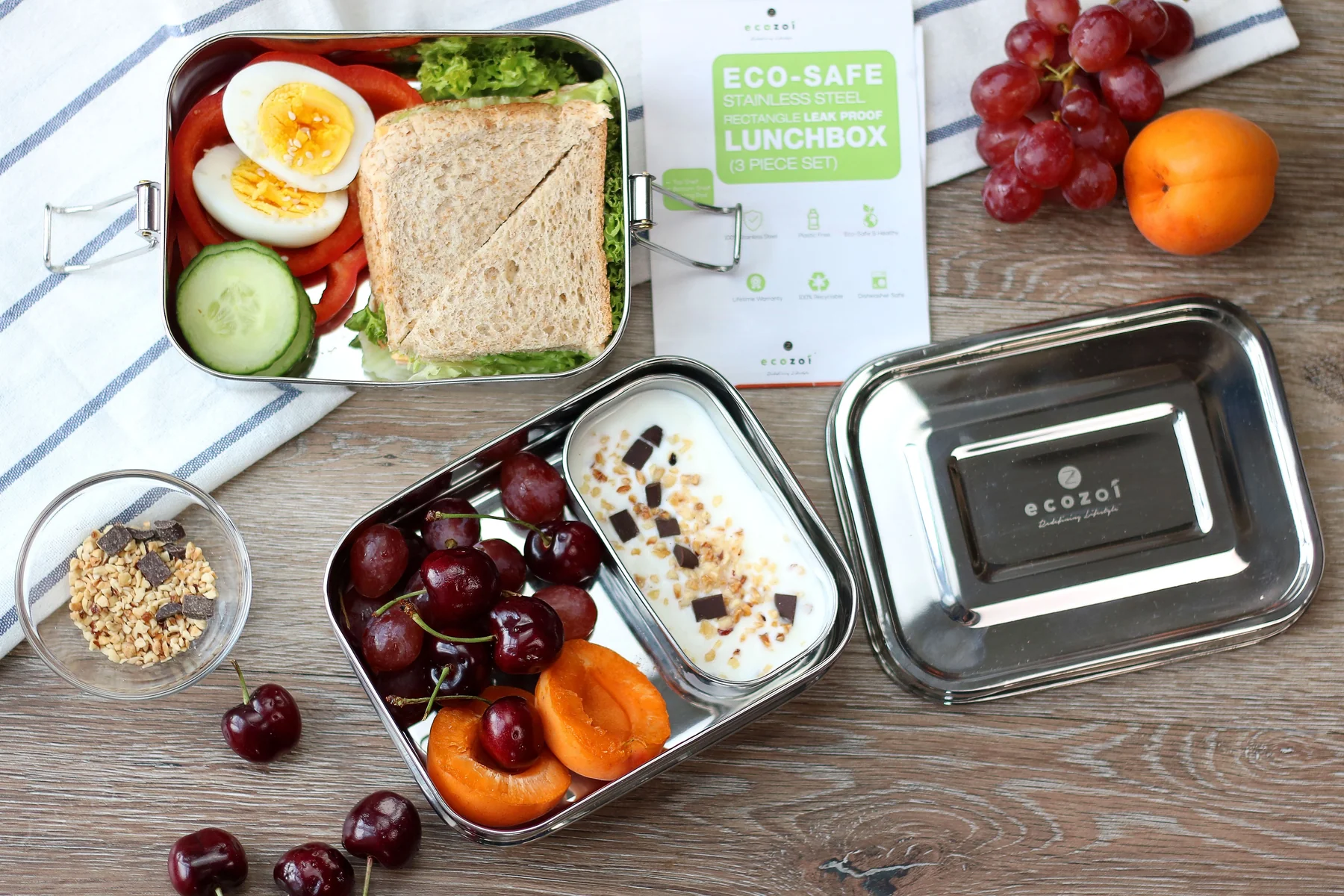
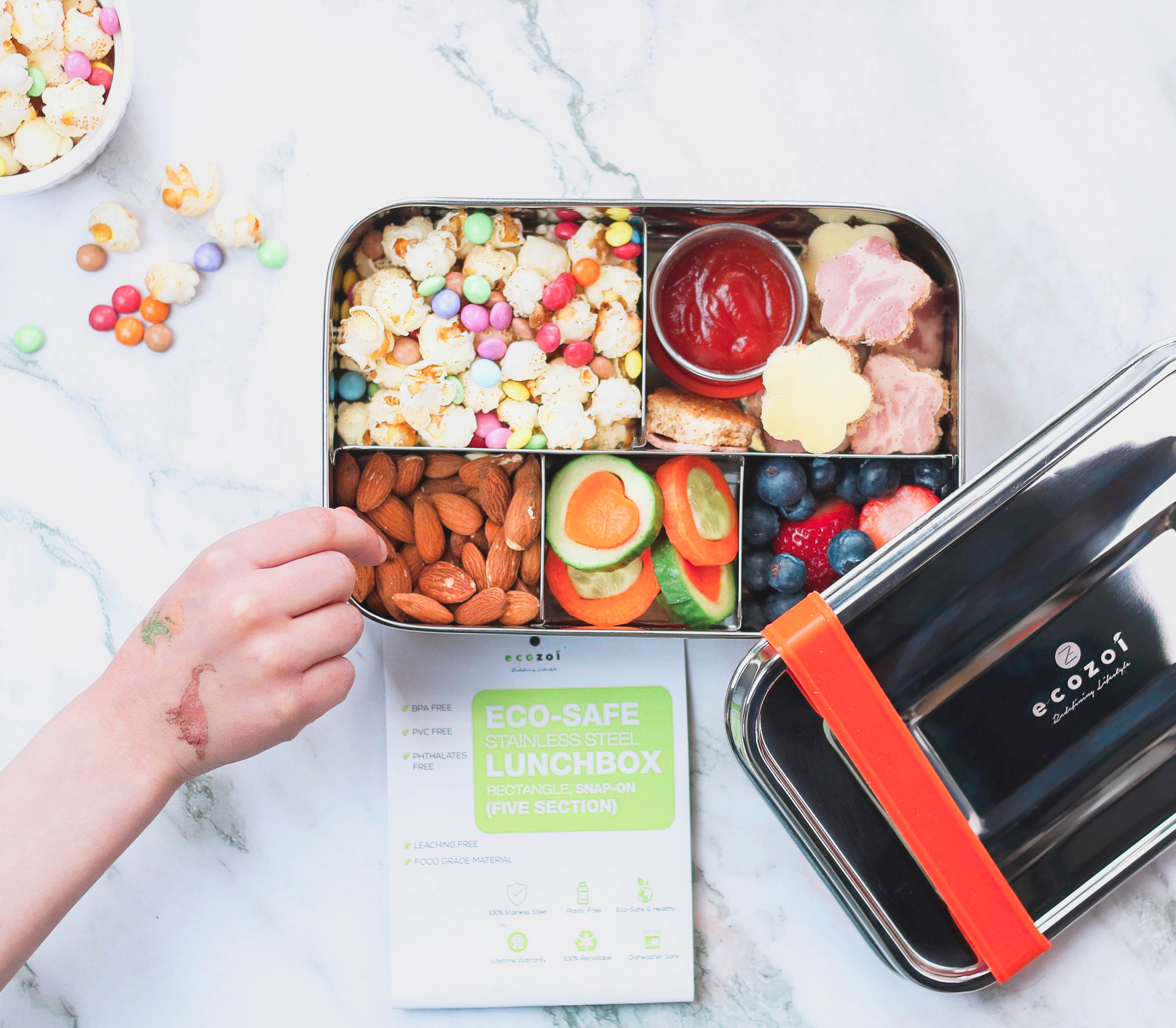
To understand what wears out on a stainless steel lunch box, we have to look at the anatomy of modern, leak-proof designs. To keep your soups inside the box and away from your laptop, modern metal lunch boxes utilize supplementary materials like silicone and mechanical hardware like rivets and hinges. Here is a breakdown of what fails first and how long you can expect each part to survive.
1. Silicone Seals: The First Line of Defense
If you use a leak-proof model, your lunch box relies on a food-grade silicone ring embedded in the lid. This ring compresses against the metal tray to form an airtight, watertight barrier.
So, how long do lunch box seals last? With daily use and regular washing, a high-quality silicone seal will typically last between 1 to 3 years.
Because silicone is soft and flexible, it is naturally the most vulnerable component of your container. Over time, exposure to extreme heat (like the bottom rack of a dishwasher), harsh abrasive dish soaps, and highly acidic foods can cause the silicone to degrade. You might notice the seal stretching out, becoming brittle, or developing micro-tears. Once the seal loses its elasticity, the lunch box loses its leak-proof guarantee.
Pro Tip: To extend the life of your seals, always remove them before washing the lid. Hand wash the silicone gently with mild soap and warm water, and let it air dry completely to prevent mold growth.

2. Hinges and Latches: The Moving Parts
For bento-style boxes that feature locking clips or latches, the metal hinges endure a massive amount of mechanical stress. Think about how many times a day those latches are snapped open and closed!
Latches and hinges are generally made from the same durable stainless steel as the box, meaning they can last 5 to 10 years without issue. However, what does wear out are the tension points. Over years of aggressive snapping, the metal latches may loosen slightly, or the hinge pins may experience friction wear. If a lunch box is repeatedly dropped directly on its latch, the metal can bend, preventing the clip from securing tightly.

3. The Lids: Dents and Bends
Stainless steel is tough, but it is not completely immune to gravity. If you drop a heavy, fully packed lunch box onto a hard concrete surface, the metal can dent. While a dented tray adds character and doesn't usually impact functionality, a dented lid is a different story.
If the rim of the lid bends, it will no longer sit flush against the bottom tray. This breaks the airtight seal, leading to leaks and premature food spoilage. In these cases, you don't need to throw away the whole container. Many eco-conscious brands offer replacement lunch box lids, allowing you to swap out the damaged top while keeping the perfectly good base.
Signs It's Time for Maintenance: When to Replace Lunch Box Parts
Knowing when to replace lunch box parts is crucial for avoiding messy spills in your bag. You don't need to wait for a catastrophic failure; keep an eye out for these early warning signs:
-
The Leak Test Fails: Fill your lunch box with water, seal it, and turn it upside down over the sink. If water drips out, it is time for a stainless steel lunch box seal replacement.
-
Visible Mold or Discoloration: If your silicone ring has deep black spots that a baking soda and vinegar soak won't remove, the silicone has become porous and needs replacing for sanitary reasons.
-
Loss of Tension: If your side latches feel "floppy" and no longer require a firm push to snap shut, the tension is gone. The box may pop open in transit.
-
Warped Edges: If you place your lid on a flat countertop and it wobbles, it has lost its shape.
Instead of discarding the whole unit, check out our selection of eco-friendly replacement parts to easily fix your container. Simple repairs are the cornerstone of true zero-waste living!
How Often to Replace Lunch Box Entirely?
This brings us to the ultimate question: how often to replace lunch box units altogether?
If you have purchased a premium, 100% stainless steel container, you should only have to replace the entire lunch box every 10 to 15 years, and usually only if the main body is severely crushed, run over by a car, or permanently rusted due to improper storage (such as leaving it sitting in saltwater).
For standard wear and tear, you are only ever replacing the minor accessory parts. When you invest in high-quality leak-proof stainless steel lunch boxes, you are buying a modular system designed for longevity.
Looking for More Sustainable Lunch Tips?
Proper maintenance isn't the only way to get the most out of your zero-waste food prep routine. Check out these reader-favorite guides on the Ecozoi blog:
-
Meal Prep Made Easy: Need inspiration for what to pack? Learn how to prepare leak-proof, balanced meals with our Egg-Free Baking Swaps for Lunchbox Treats: Ultimate Guide & Recipes.
-
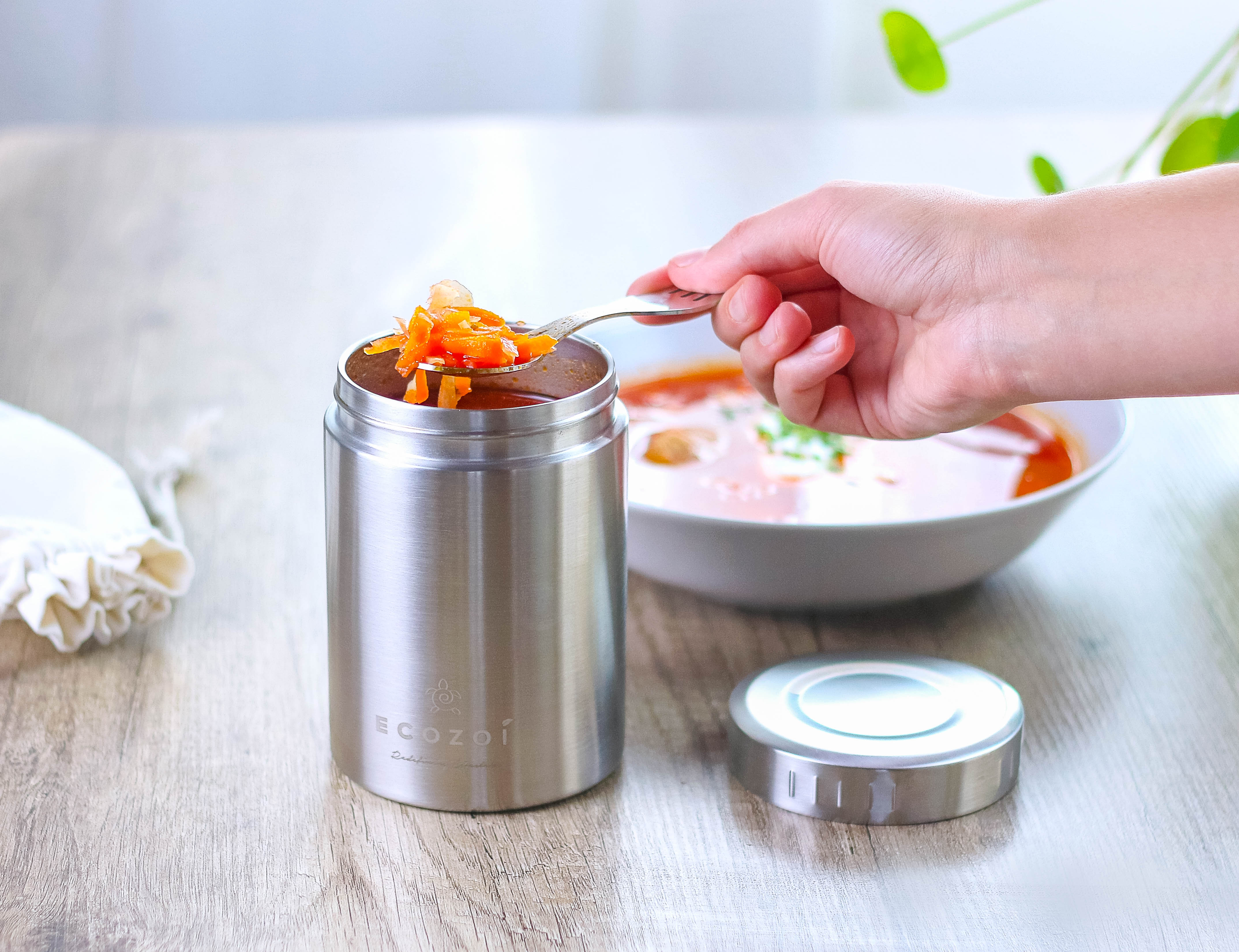
Insulated Food Jars: If you prefer hot soups or warm grain bowls over cold lunches, discover Thermos Food Jar Sizing Guide: 12 oz vs. 17 oz: Which One Do You Need?.
-
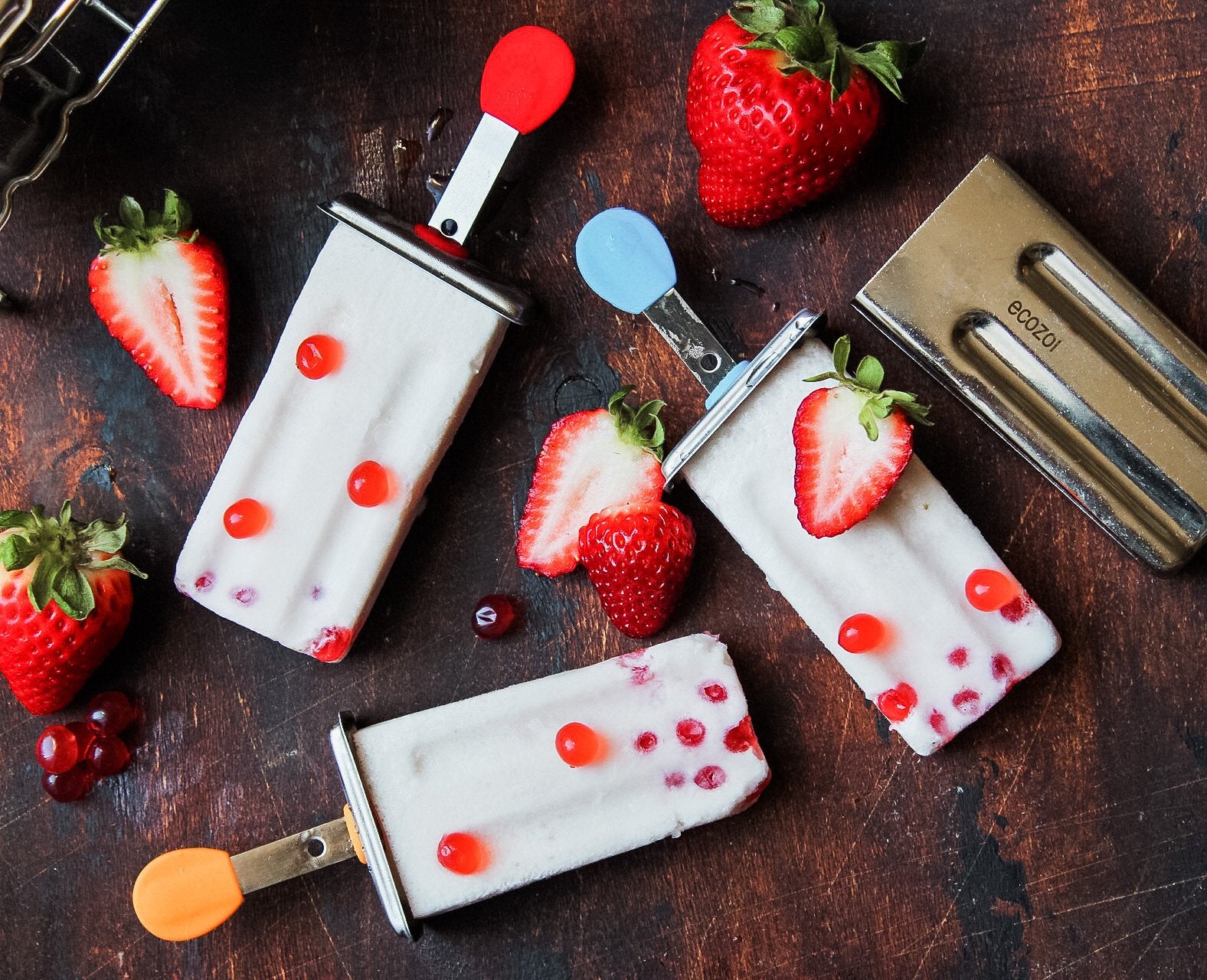
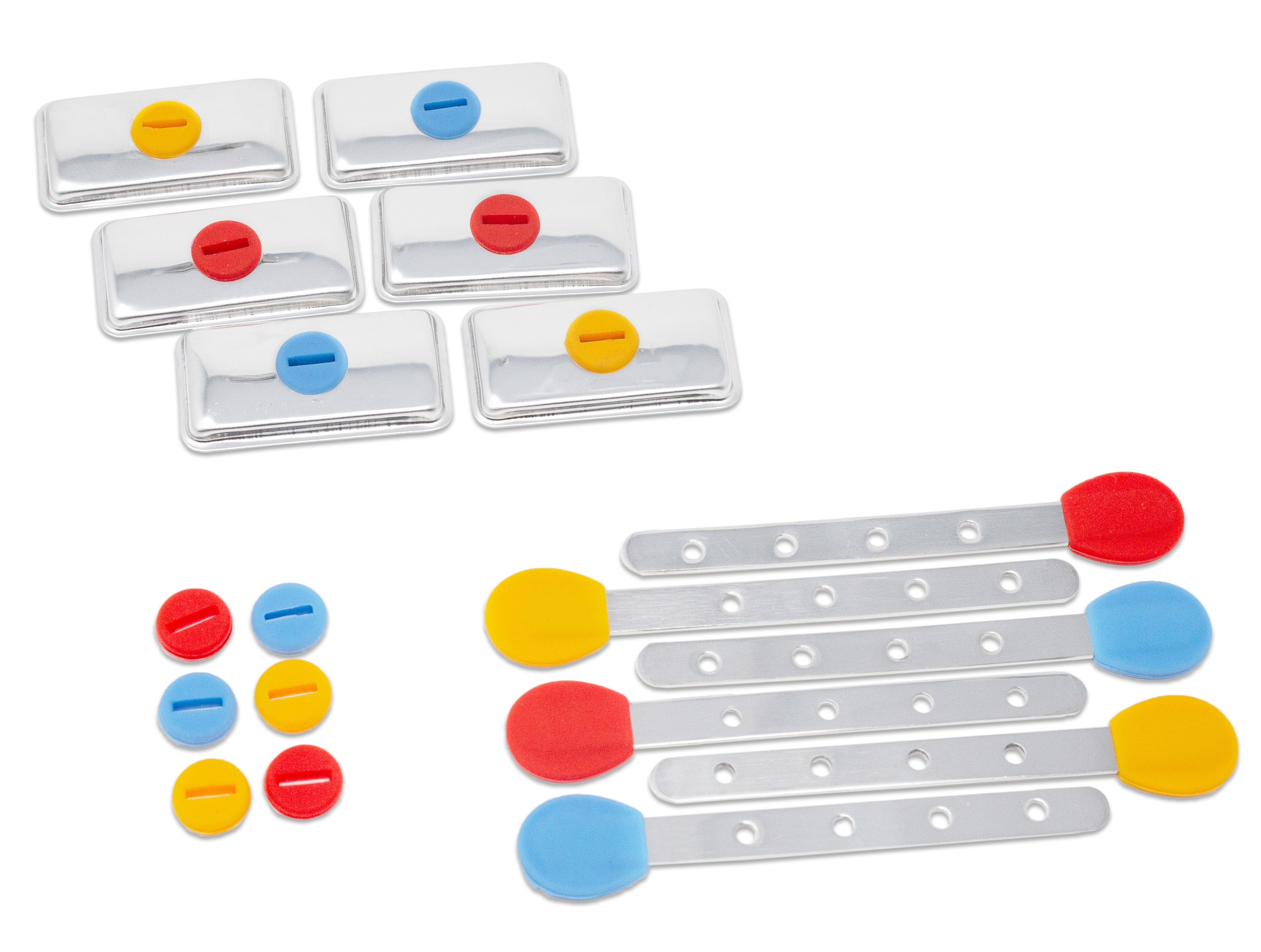
Kid-Friendly Ideas: Packing Veggie Popsicle? Explore our 5-Ingredient Hidden Veggie Popsicles for Kids & Toddlers | Healthy & Easy Recipe
FAQs
1. How often should you replace a lunch box?
If you are using a plastic lunch box, you should replace it every 1 to 2 years, or as soon as it shows deep scratches where bacteria can hide. For a high-quality stainless steel lunch box, you rarely need to replace the entire unit. You should only replace it if the main stainless steel body becomes severely compromised, heavily dented, or warped beyond repair, which usually takes over a decade.
2. How long does a lunchbox last?
A well-cared-for stainless steel lunch box can easily last a lifetime. The lifespan of the box itself is near-infinite, but its complementary parts (like silicone rings) will last 1 to 3 years, while metal latches typically last 5 to 10 years before showing significant wear.
3. What parts of a stainless steel lunch box tend to wear out first?
The silicone leak-proof seals are always the first to wear out. Because silicone is a soft, flexible material, it degrades faster than metal when exposed to daily friction, food acids, and the extreme heat of dishwashers.
4. Can I replace just the lid of my stainless steel lunch box?
Yes! If your lid becomes dented or warped, compromising the airtight seal, you do not need to buy a whole new container. Purchasing replacement lunch box lids is a cost-effective and environmentally friendly way to breathe new life into your food storage system.
5. What are the signs that my lunch box needs to be replaced?
You should look into replacing parts of your lunch box if it begins to leak, if the latches no longer securely hold the lid down, or if the silicone ring becomes permanently stained, brittle, or cracked. If the metal base itself is deeply rusted or warped to the point where lids no longer fit, it is time to upgrade to a new stainless steel bento box.

The Sustainable Bottom Line
Understanding the natural lifespan of your reusable products is a vital part of sustainable living. A stainless steel container isn't just a purchase; it is a commitment to reducing landfill waste. By learning how to spot wear and tear on your seals and latches, and knowing how to properly care for them, you ensure your container remains reliable meal after meal.
Ready to upgrade your daily commute or school lunch routine? Explore our full collection of sustainable, long-lasting kitchenware and embrace the zero waste lifestyle with Ecozoi today!


