








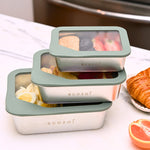
What to Do If Your Leak-Proof Lunch Box Starts Leaking? | Ecozoi
There is few things more frustrating than reaching into your work bag or your child’s school backpack at lunchtime, only to discover that your morning curry, dressing, or soup has escaped its container. You bought a high-end container specifically because it promised to keep liquids locked away, so when it fails, panic sets in: Is my lunch box broken forever? Do I need to throw it out?
The good news is that a leak doesn't automatically mean your container has reached the end of its lifespan. Most of the time, a sudden leak comes down to a few minor maintenance oversights, incorrect assembly, or natural wear and tear on components like the silicone gasket.
Let’s dive into why your container might be losing its grip, how you can fix it fast, and how to maintain your gear so you can stop the mess and save your meals for good.
Why Is My Stainless Steel Lunch Box Leaking?
Stainless steel lunch boxes paired with food-grade silicone seals are widely considered the gold standard for sustainable, toxin-free meal prep. They are durable, lightweight, and free from harmful plastics. However, even the highest-quality models can occasionally leak if certain conditions aren't met. Here are the most common culprits:
1. The Silicone Seal is Dislodged or Inverted
The secret behind a truly waterproof lunch box lies in its flexible silicone ring or gasket. This ring creates an airtight barrier between the lid and the steel base. If the seal was removed during a deep clean and put back in slightly twisted, upside down, or not pushed completely into its groove, tiny gaps will form, allowing liquids to seep through.
2. Built-Up Food Residue and Grease
Over time, microscopic food particles, oils, and soap residue can build up inside the channel where the silicone seal sits. If this track gets gummed up, the seal cannot seat flush against the rim, breaking the airtight pressure lock.
3. Natural Wear, Tear, and Warping
While durable, silicone isn't indestructible. Constant exposure to high-heat dishwasher cycles, harsh detergents, or pulling the seal out too aggressively can cause it to warp, stretch, or harden over time. Once a seal loses its elasticity, it can no longer expand tightly against the container walls.
4. Improper Latching or Overpacking
Sometimes, the issue isn't the container itself—it's how it was packed. Overfilling compartments can prevent the lid from closing evenly. If the side clips or latches aren't secured symmetrically, pressure distributes unevenly, leaving one side vulnerable to leaks.
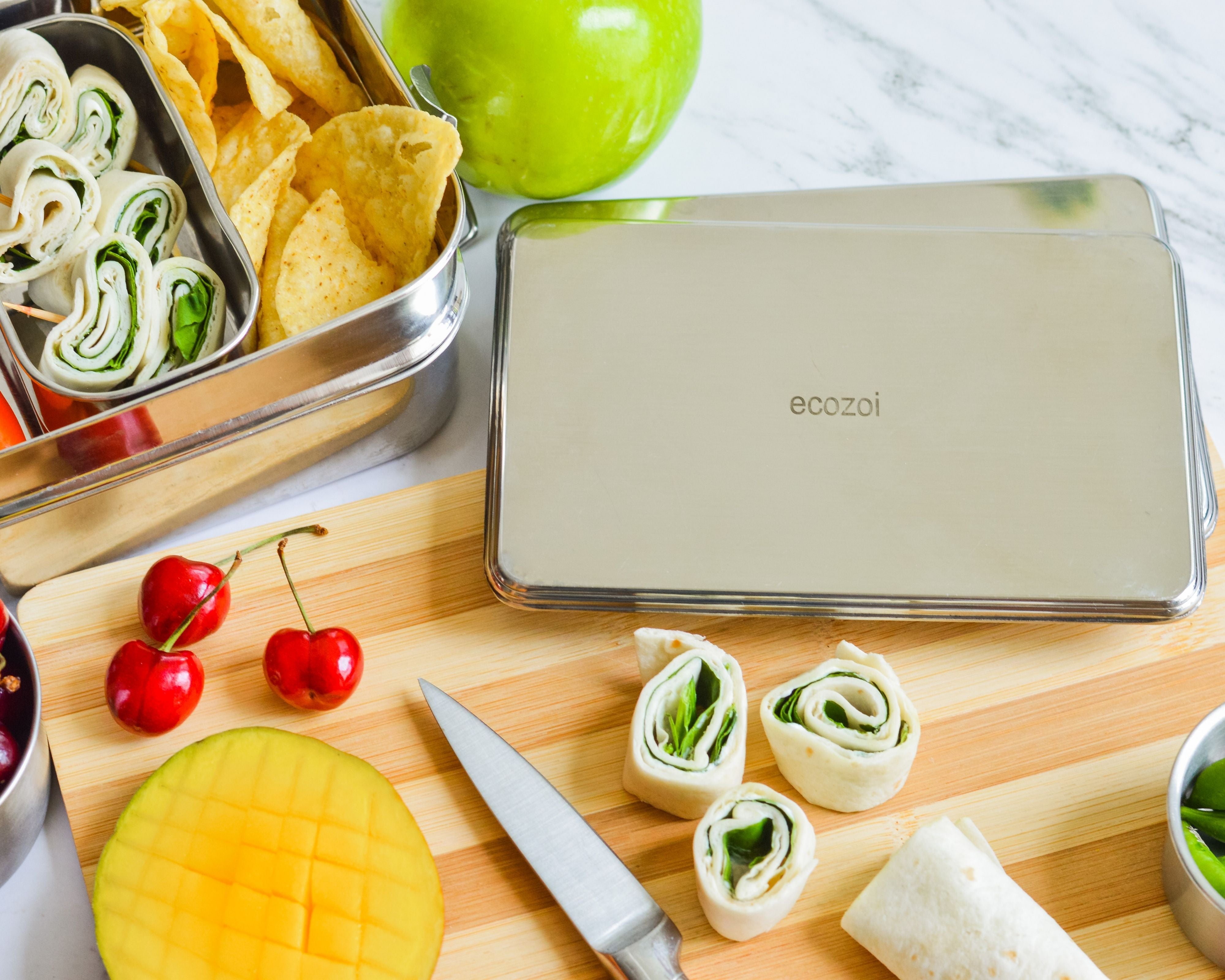
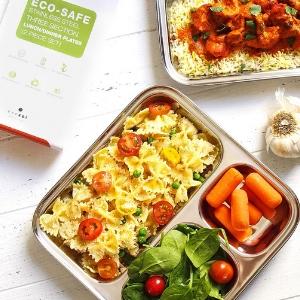
If you are looking to upgrade your routine with gear built for long-term resilience, explore our collection of Ecozoi Stainless Steel Lunch Boxes & Bento Sets designed with precision-fit seals.
How to Fix a Leaking Lunch Box Fast
If you notice fluid escaping, don't rush to replace your container just yet. Try these quick troubleshooting steps to restore its performance:
Step 1: Inspect and Reset the Silicone Seal
Remove the silicone ring entirely using your fingers or a blunt tool (avoid sharp knives that can puncture the material). Wash both the groove and the seal thoroughly. Once dry, carefully press the silicone ring back into its track, ensuring it is flat, facing the correct direction, and tucked securely into every corner without any twists.
Step 2: Give It a Deep Cleaning
If routine washing isn’t cutting it, soak the lid and the silicone gasket in a mixture of warm water and mild dish soap. For stubborn grease or lingering odors, create a paste of baking soda and water, scrub the seal channel gently, rinse, and air dry completely before reassembling.
Step 3: Check for Cracks or Loss of Elasticity
Inspect the seal closely under a bright light. Do you see micro-tears, or does the silicone feel brittle and rigid instead of soft and stretchy? If the material has degraded, a simple cleaning won't fix it—you will need a replacement part.
Need inspiration for what to pack once your container is secure? Check out these 5-Day Office Lunch Meal Prep Ideas Using a Stainless Steel Bento Box for fresh, mess-free inspiration.
How Should I Pack Liquids and Dressings?
Even with a reliable, leak-proof design, smart packing habits go a long way in preventing accidental spills during a hectic commute.
● Let Hot Foods Cool: Packing piping-hot liquids into a sealed container creates steam and high internal pressure. As the steam expands, it can force liquid past the seal. Always let your food cool down slightly before snapping the lid shut.
● Mind the Fill Lines: Avoid overfilling individual compartments. Leave a small gap at the top so that when the lid presses down, food doesn't directly force its way into the sealing tracks.
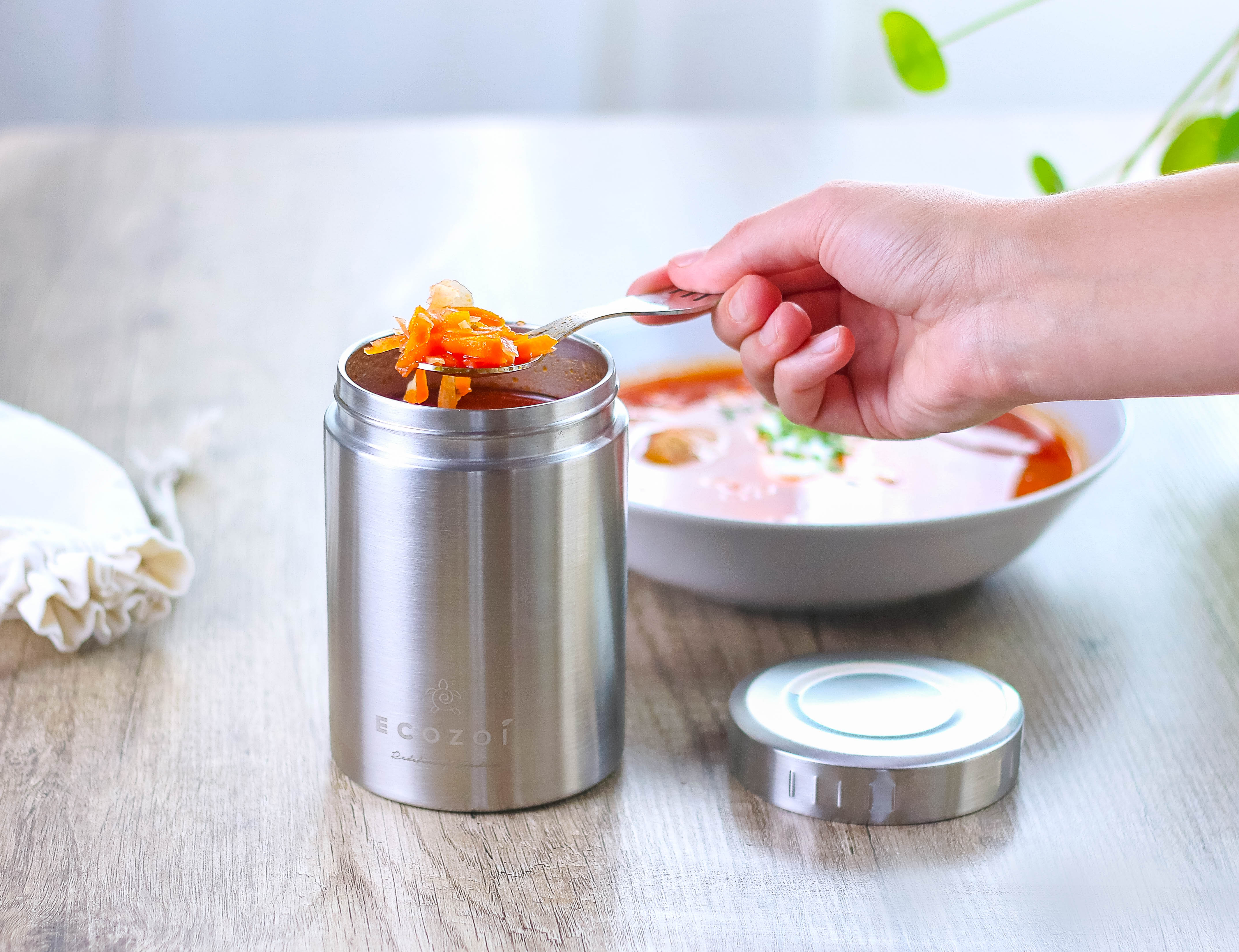
● Keep Sauces Smart: For ultra-runny dressings or vinaigrettes, consider packing them in a separate small container or utilizing a specialized Ecozoi Thermos Food Jar to guarantee zero mishaps.
For more guidance on maintaining zero-waste habits in the kitchen, read our step-by-step tutorial on How to Create a Zero-Waste Lunchbox Routine.

Will Buying Replacement Seals Stop My Lunch Box from Leaking?
If you have cleaned your container, reset the gasket, and still notice moisture escaping, the issue is almost certainly a stretched-out or damaged seal.
Buying replacement silicone seals is an eco-friendly, budget-smart alternative to purchasing an entirely new lunch box. High-quality metal lunch boxes are built to last for decades, while silicone parts experience normal wear over the years. Swapping out just the gasket breathes brand-new life into your container, restoring 100% of its leak-proof functionality while keeping perfectly good stainless steel out of the landfill.
To learn more about material comparisons and why modular metal designs outlast plastic alternatives, read our guide on Stainless Steel vs. Glass vs. Silicone: Which Food Container Wins?

FAQs
1. Why is my stainless steel lunch box leaking?
Most leaks are caused by a misplaced or twisted silicone gasket, a buildup of food oils inside the sealing groove, or natural wear and tear on the rubber seal over time.
2. How do I clean the seals properly?
Remove the silicone ring from the lid, wash it separately in warm, soapy water, and use a soft brush to clean out the channel groove. Let everything dry completely before reassembling. Avoid harsh abrasive scrubbers that can tear the silicone.
3. How should I pack liquids and dressings?
Let your food cool before sealing to prevent pressure buildup from steam. Avoid overfilling compartments, and ensure that side latches are clicked down evenly on all sides.
4. Will buying replacement seals stop my lunch box from leaking?
Yes! If your silicone seal has lost its elasticity, stretched out, or developed micro-tears, replacing just the gasket will restore a tight, secure, leak-proof fit without requiring a whole new lunch box.
5. What is the most leak-proof design for a lunch box? Why?
A lunch box featuring a food-grade 304 stainless steel base paired with a removable, high-grade silicone gasket and secure side-locking latches offers the ultimate leak-proof design. The metal provides structural rigidity that won't warp, while the flexible silicone molds tightly against the rim under pressure to lock fluids inside.
We Want to Hear From You!
Let us know how Ecozoi’s products have helped you with your eco-friendly lifestyle! Please take a moment to fill out our Ecozoi Customer Survey. Your feedback helps us grow and improve!
If you’re interested in exploring more on this topic, you can also refer to our earlier blog on What to Put in a Thermos: 10 Hot Lunch Ideas for Kids for additional insights.


