










Why Your Ice Cubes Taste Like Your Freezer (5 Causes & Fixes)
There’s nothing quite like a tall glass of iced tea, lemonade, or a crisp mixed drink on a warm day. But that refreshing moment can be instantly ruined when you take a sip and realize your ice cubes have absorbed that distinctly unpleasant, stale, and sometimes chemical smell of your freezer.
If you’ve found yourself asking, “why do my ice cubes taste like my freezer?” you are definitely not alone. It’s a common household complaint that often leaves people wondering why my ice cubes taste like chemical or why do my ice cubes taste funny.
The good news is that while the taste is off-putting, it’s rarely a sign of something dangerous. More importantly, it’s highly fixable. Your freezer and ice maker work together to freeze water, but because water is an excellent solvent, it easily absorbs odors and impurities from its surrounding environment as it freezes.
In this post, we will dive into the 5 main reasons why your ice cubes taste bad but the water is fine, or why ice smells bad from ice maker tray, and provide simple, actionable fixes to ensure you always have fresh, clean-tasting ice ready for your next drink.

5 Common Causes of Freezer-Tasting Ice (And How to Fix Them)
1. Absorbing Strong Odors from Exposed Foods
This is the most frequent culprit. The air inside your freezer circulates constantly. If you store strongly scented foods (think fish, garlic, onions, or even highly spiced leftovers) that are not airtight, the flavor compounds evaporate into the cold air.
As the water in your ice cube trays or automatic ice maker freezes, it acts like a sponge, absorbing these ambient odors. This leads to that classic why does my ice taste like freezer burn complaint, as the sublimation process (ice turning directly to gas) can concentrate these off-flavors on the ice surface.
The Fix:
-
Seal Everything Tight: Always store food in airtight containers with secure lids. If using bags, ensure they are tightly sealed. Double-wrap particularly strong-smelling items.
-
The Power of Baking Soda: Keep an open box of baking soda in your freezer. Replace it every 3 months. Baking soda (sodium bicarbonate) neutralizes acidic and basic odor molecules, keeping the air fresher.
2. Stale or Old Ice Cubes
Do you only use ice occasionally? Ice that sits in the dispenser bin or an open tray for weeks or months will slowly sublime and then re-condense. During this cycle, it constantly absorbs whatever odors are present in the freezer environment. If you’ve wondered why does my ice taste horrible, old ice is a prime suspect.
Furthermore, older ice can develop freezer burn dehydrated spots that have a dry, papery texture and an unpleasant, concentrated "old freezer" taste.
The Fix:
-
Dump and Replace Regularly: Make it a habit to empty your ice bin every 1-2 weeks, even if it's not full. This encourages the system to make a fresh batch of ice using newer water.
-
Use Ice Frequently: The best way to have fresh ice is to use it! More turnover means less time for the ice to absorb odors or develop freezer burn.
3. Dirty Ice Trays or Ice Maker Components
Over time, minerals from your water supply, bacteria, and even biofilm (a slimy layer of microorganisms) can build up inside your ice maker’s mechanism or within the crevices of standard plastic ice cube trays.
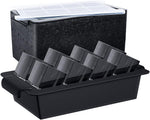
Plastic trays, in particular, are porous and can absorb odors themselves, transferring them back into new ice cubes. This explains why ice smells bad from ice maker tray.
The Fix:
-
Deep Clean Your Ice Maker: Consult your refrigerator’s manual for instructions on how to clean and sanitize the ice maker assembly. This usually involves flushing the system with a vinegar-and-water solution.
-
Scrub Your Trays: If you use manual trays, wash them regularly with hot, soapy water. For deeper odors, soak them in a white vinegar solution before scrubbing.
-
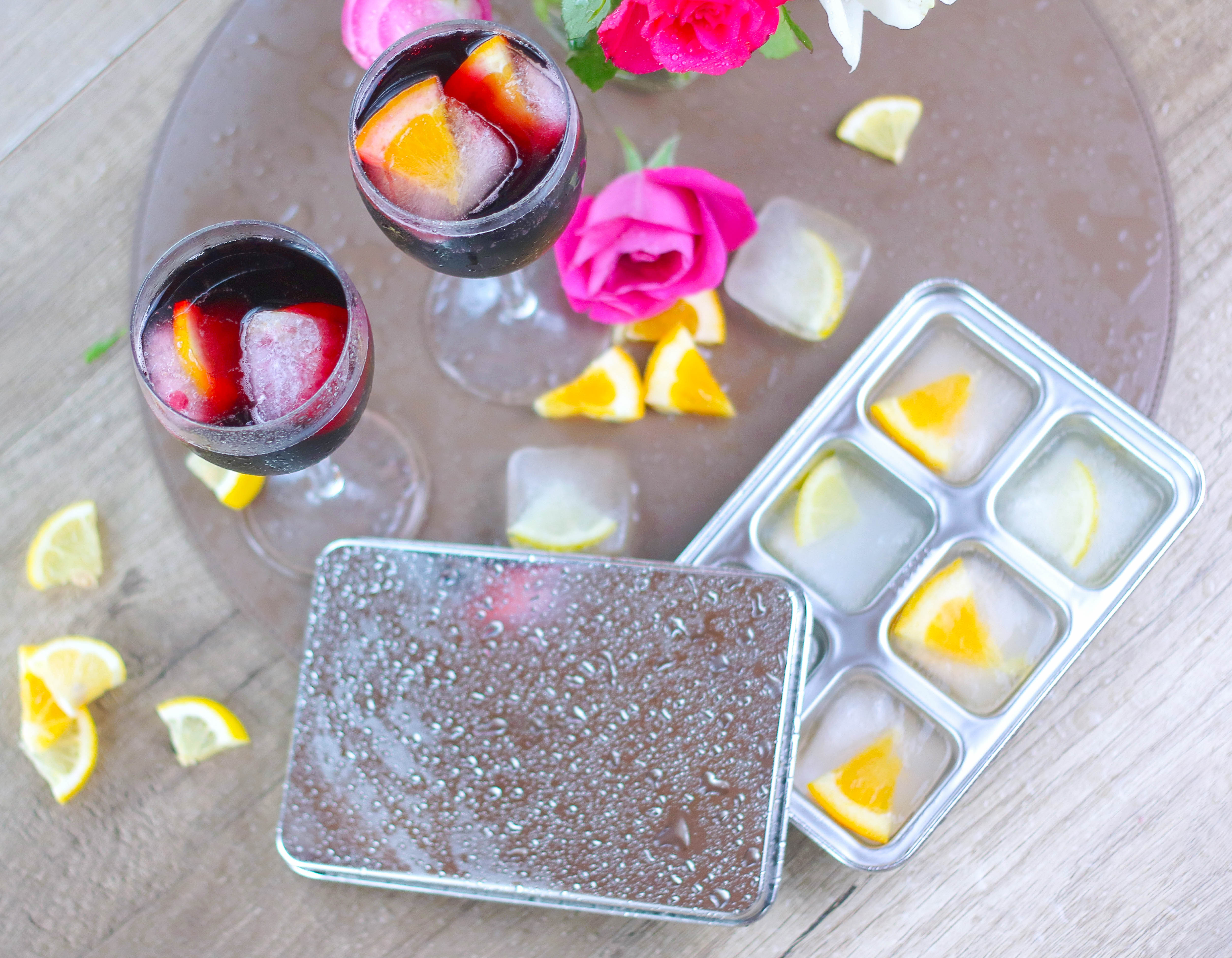
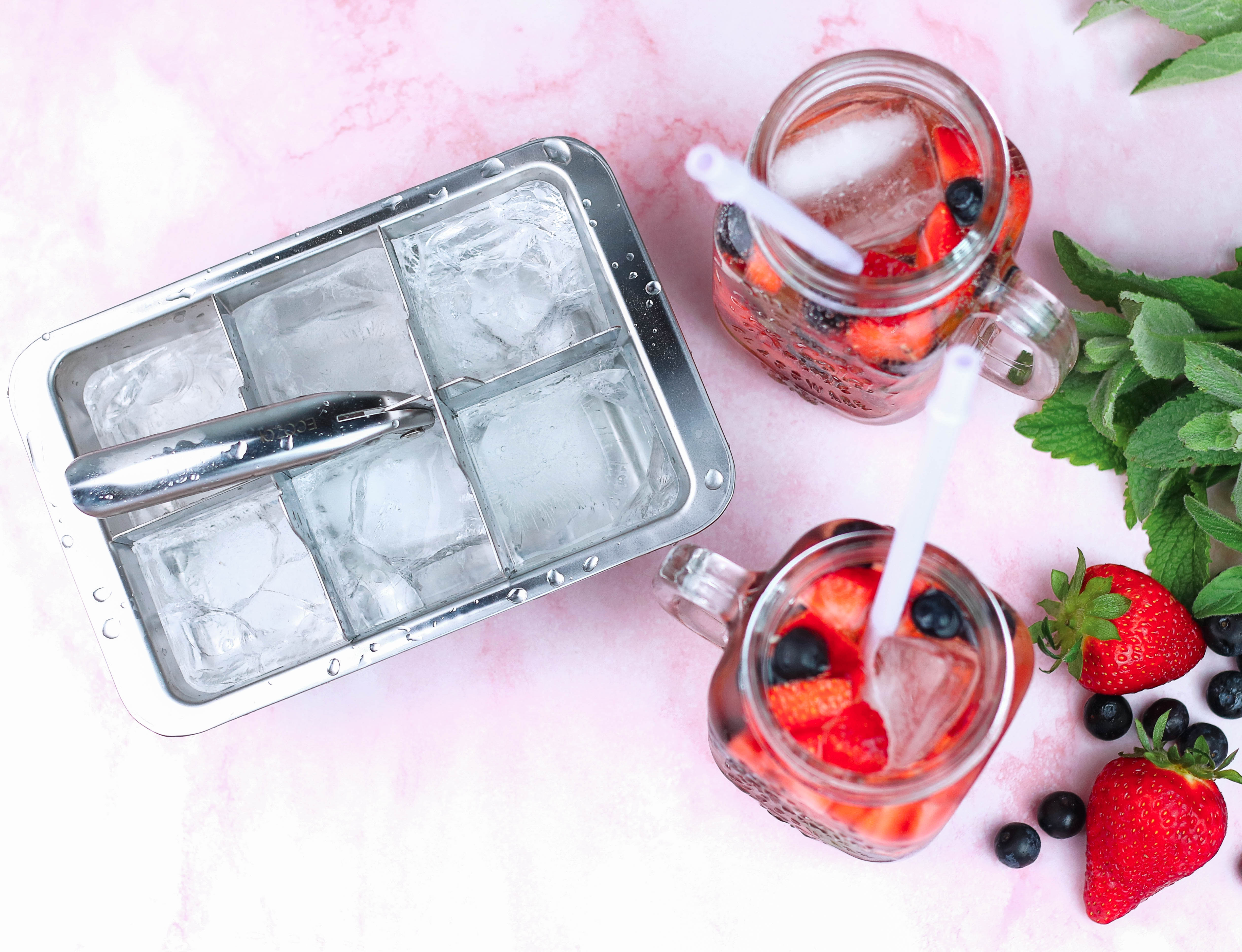
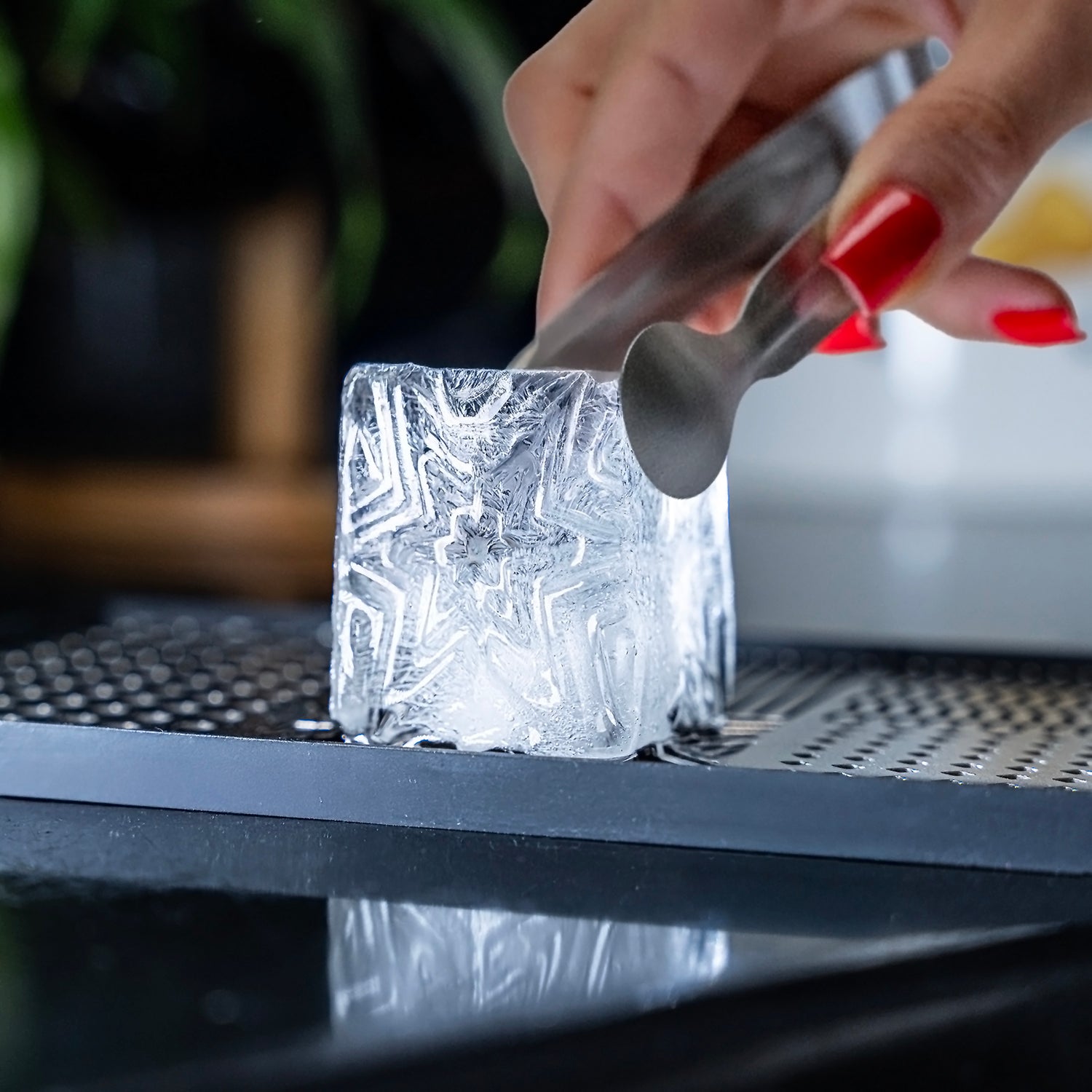
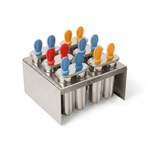
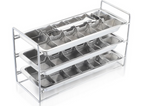
Upgrade to Non-Porous Materials: Consider replacing old plastic trays with higher-quality alternatives that are less likely to harbor bacteria or absorb odors. Investing in durable and easy-to-clean materials like those used in Ecozoi’s reusable stainless steel ice cube trays can provide a long-term, hygienic solution for fresher-tasting ice.

4. An Overdue Refrigerator Water Filter
If your refrigerator has an automatic ice maker and/or water dispenser, it almost certainly has a water filter. This filter is responsible for removing chlorine, heavy metals, sediment, and other impurities that affect the taste and smell of your water and ice.
Once the filter becomes saturated, it can no longer do its job. In fact, it can sometimes start leaching the accumulated contaminants back into the water supply, causing your ice to have a chemical, metallic, or stale taste. This is often the reason why my ice cube tastes like chemical.
The Fix:
-
Change the Filter on Schedule: Most manufacturers recommend replacing the refrigerator water filter every six months. If your household uses a lot of ice or your tap water quality is poor, you may need to change it more frequently. Check the filter indicator light or mark your calendar.
5. Impurities in Your Tap Water Supply
Finally, the problem might not be your freezer at all, but the water itself. High levels of chlorine (used for city water sanitation), high mineral content (hard water), or even tannins from organic matter can cause a strong taste that becomes concentrated when frozen into ice.
This is a key reason why ice cubes taste bad but the water is fine to drink when chilled. The freezing process changes how we perceive taste, often highlighting metallic or chemical flavors like chlorine.
The Fix:
-
Use Filtered Water: If your refrigerator doesn’t have a built-in filter, consider using a quality water filtration pitcher or under-sink filtration system to purify the water you use to fill your ice trays.
-
Identify the Source: If the taste persists, consider having your tap water tested to pinpoint the specific minerals or chemicals that are affecting its flavor.

Final Thoughts: Enjoy Fresher Drinks
A small, stale ice cube can ruin a whole pitcher of drinks. By understanding why does my ice taste funny and addressing these five common causes, you can take back control of your beverages.
Regular cleaning, proper food storage, and timely filter replacements are key to ensuring your ice is always as fresh and flavorless as possible. When you focus on a clean and well-maintained kitchen environment, you aren't just improving the taste of your ice you’re contributing to maintaining a healthy home environment.
FAQs
1. Why do my ice cubes taste like my freezer? This most commonly happens because the porous water in your ice trays has absorbed ambient odors from exposed or strong-smelling foods inside your freezer. It can also be caused by old ice that has been exposed to the freezer air for too long.
2. How to get rid of bad tasting ice cubes? The fastest fix is to dump all the existing ice. To prevent it from happening again, deep clean your ice trays or ice maker, seal all food tightly in airtight containers, keep an open box of baking soda in the freezer to absorb odors, and replace your refrigerator water filter every 6 months.
3. How do I know if my ice cubes are contaminated? While most bad tastes are from odors, very significant changes in appearance (cloudiness, specs) or taste (persistent chemical smell) can indicate contamination from bacteria or an old filter. Regular cleaning is the best defense.
4. Why does my ice cube taste bad but water is fine? The process of freezing concentrates certain flavors, especially chemical tastes like chlorine found in municipal tap water. While you might not notice it in a glass of cold water, the concentrated form in an ice cube can taste sharp and unpleasant.
5. Why do my ice cubes taste horrible? A truly "horrible" taste is often a combination of factors, such as stale ice mixed with significant mineral or bacterial buildup in an uncleaned ice maker, or a deeply saturated water filt


