















Can You Microwave Stainless Steel Lunch Boxes? What to Know – Ecozoi
If you are asking can you microwave stainless steel, the safe answer is no. Microwave ovens heat food by moving energy through the food, not through metal containers. FDA guidance says metal pans and aluminum foil should not go in a microwave because the microwaves reflect off metal, which can cook food unevenly and damage the oven (FDA Guidance).
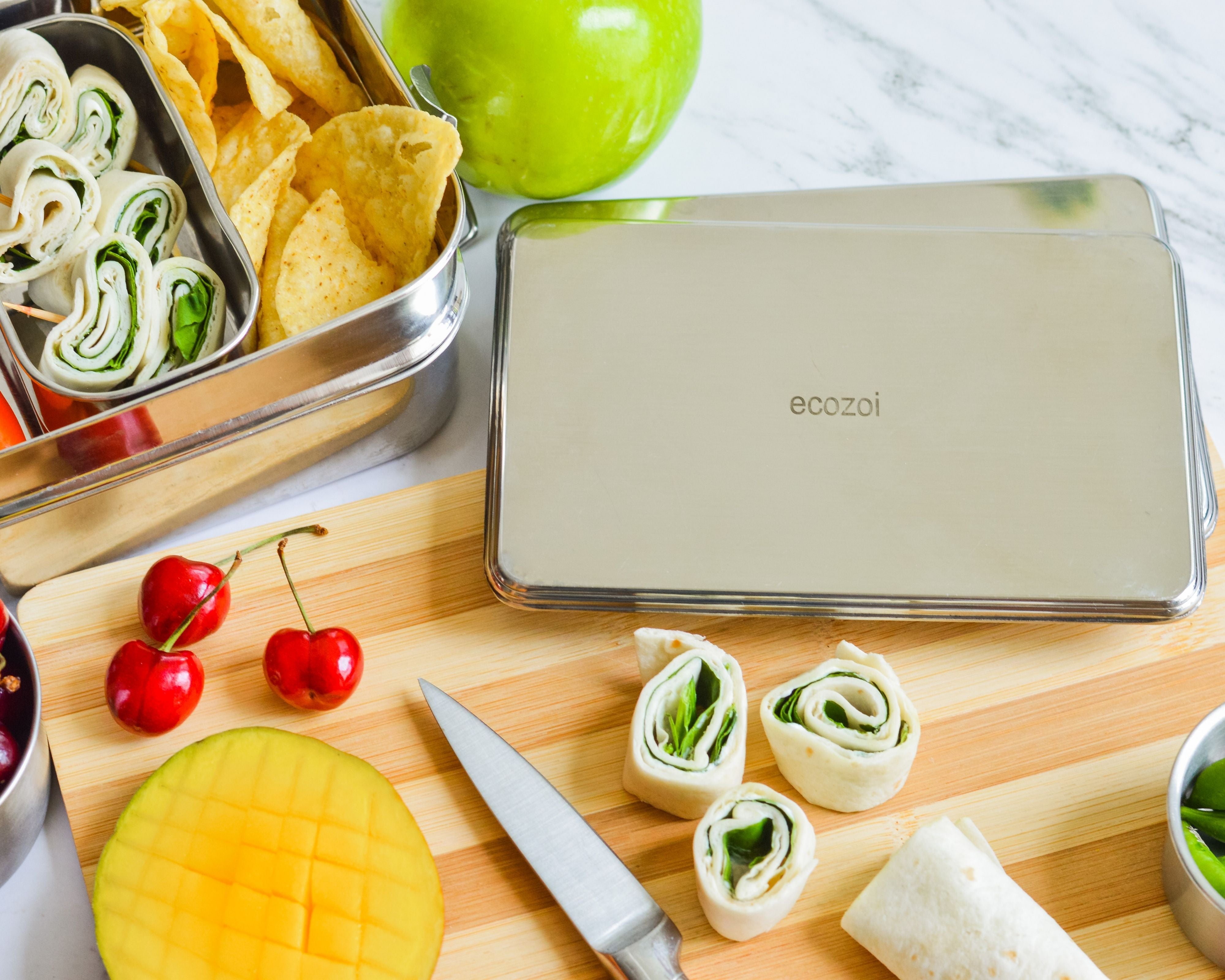
People ask can you microwave stainless steel because it feels like a strong, clean choice for storage. That part is true. Stainless steel works well for packing food, carrying meals, and cutting plastic use. The problem starts when the container enters the microwave.

Key Takeaways:
● Stainless steel lunch boxes are not microwave safe, regardless of grade.
● Metal reflects microwave energy instead of absorbing it, leaving food cold.
● Arcing (sparks) can damage your microwave or start a fire.
● Steel grade (304 or 316) does not affect microwave compatibility.
● A few specially designed and tested containers are microwave safe.
● For reheating, transfer food to glass or ceramic first.
So, Why Can't Stainless Steel Go in the Microwave?
A microwave heats food by sending energy waves into it. Those waves pass right through glass, ceramic, and food, which is why your plate stays cool but your soup gets hot.
Metal is the exception. Instead of letting those waves through, stainless steel reflects them, like a mirror bouncing light. Two things happen when that occurs:
Your food doesn't heat: The energy never reaches what's inside the box. The container might feel slightly warm on the outside, but the food stays cold.
Sparks appear: This is called arcing. When microwave energy hits metal, it builds up at sharp points, thin edges, and tight corners and then jumps through the air as a visible spark. That's the flashing and crackling you see when metal accidentally goes in the microwave.
Those sparks are hot enough to burn the inside walls of the appliance. They damage the internal components, which are expensive to fix or replace. In worst-case scenarios, they start a fire.
This is also why the shape of a container matters. A smooth, rounded metal surface is less likely to spark than one with sharp stamped edges, hinges, or metal latches. Most standard lunch boxes have all of those features, which is exactly what makes them risky.

Are 304 or 316 Stainless Steel Microwave Safe?
304 stainless steel is the food-grade standard. It contains roughly 18% chromium and 8% nickel, which gives it excellent corrosion resistance and makes it safe for food contact.
316 stainless steel (sometimes called marine grade) contains added molybdenum, which increases its corrosion resistance. It's used in medical devices, marine equipment, and high-end kitchenware.
Neither 304 nor 316 are inherently microwave safe. Both grades reflect microwave energy for the same physical reason. Microwave safety is a function of how the container is shaped and manufactured, not its alloy composition.
If you're debating between the two grades for a lunch box purchase, the difference comes down to durability in harsh environments and higher resistance to salt and acid. It doesn't affect microwave compatibility either way.
What Makes a Stainless Steel Lunch Box Actually Microwave Safe?
A small number of containers are engineered specifically for microwave use. They share these characteristics:
-
Smooth, continuous edges with no sharp points or thin protrusions.
-
No hinges, metal clips, or metal-on-metal contact areas.
-
Rounded shape with no sharp points or thin protrusions.
-
Independent third-party testing (organizations like SGS) confirming microwave compatibility.
-
Clear manufacturer instructions specifying power levels and maximum heating time.
If a container checks all those boxes and carries a verified microwave-safe label, it's in a different category from standard stainless steel lunch boxes.
Ecozoi's Microwavable Lunch Box collection is designed with this in mind. If you need a container that goes straight from the fridge to the microwave without transferring food, that's the category to look at. Always confirm the microwave-safe label before heating anything.
What To Use Instead for Reheating
If you want easy reheating, move the food out of the stainless steel lunch box first. Use a microwave-safe glass or ceramic dish, cover it loosely, and heat in short intervals. That gives you better control over temperature and lowers the chance of uneven heating. This is the safer path whenever can you microwave stainless steel comes up during meal prep.
For storage, stainless steel still makes sense. The key point is simple. Stainless steel is useful for storage, not for microwave reheating.
Ecozoi and Everyday Kitchen Storage Choices
Ecozoi focuses on plastic-free lunch boxes, stainless steel containers, and bamboo kitchen basics for daily use. That fits the needs of families, meal-preppers, and people who want reusable storage with fewer disposable parts in the routine.
The same storage choice still brings up one practical question, can you microwave stainless steel, and the answer stays tied to microwave safety rules, not storage convenience.
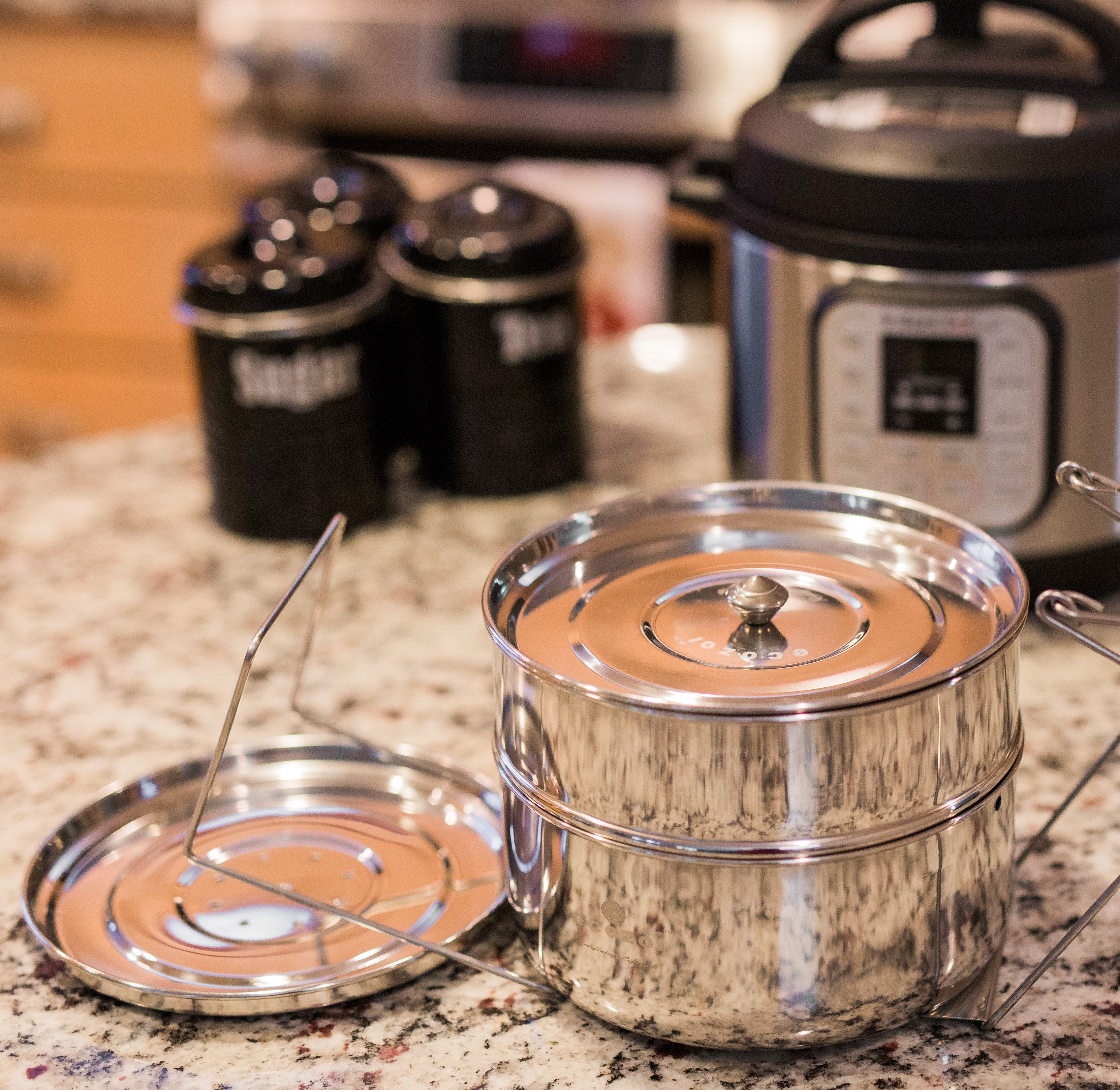
That is where the brand’s kitchenware approach matters. A stainless steel lunch box works well for carrying food, sorting meals, and keeping packed portions ready through the day. For reheating, though, food should move into a microwave-safe vessel first. That keeps the routine simple and avoids the risks linked to metal in a microwave.
The Bottom Line
Standard stainless steel lunch boxes, regardless of grade, are not microwave safe. The grade of steel (304, 316, or otherwise) doesn't change that. What makes a container microwave safe is how it's designed and whether it's been independently tested and certified.
The good news: stainless steel is excellent for everything else. It keeps food cold, keeps food hot, doesn't leach chemicals, lasts years, and is genuinely plastic-free. For a plastic-free lifestyle, it's one of the most practical choices you can make for lunch storage.
If you need microwave capability on top of all that, Ecozoi's microwavable lunch boxes are worth a look. They're built to handle both.
For everything else, transfer to glass or ceramic before reheating, or use the stovetop methods above. Once that becomes a habit, it's no extra effort at all.
FAQs
1. How to tell if stainless steel is microwave safe?
It usually is not. If a container is stainless steel, treat it as non-microwave-safe unless the manufacturer gives a very specific and tested instruction, and even then, follow the appliance manual first. FDA guidance still says metal pans should not be used in microwaves because metal reflects the waves.
2. How do I know if my lunch box is microwave safe?
Check the label, the base, or the care instructions. Microwave-safe containers are tested to meet FDA standards, and most glass or ceramic options will say so clearly. If the lunch box is stainless steel, the answer to can you microwave stainless steel is still no for normal reheating.
3. Why can't you microwave stainless steel?
Because metal reflects microwave energy. That can stop food from heating evenly and can also cause arcing, which is a spark or electric flash. Arcing can damage the oven and create a fire risk.
4. How to reheat food in a stainless steel lunchbox?
Do not reheat it inside the lunch box. Move the food into a microwave-safe glass or ceramic container, then heat it in short intervals. Stainless steel works well for storage, but not for microwave reheating.
5. What happens if you accidentally put it in the microwave for a few seconds?
A short exposure may not always cause visible damage, but it still is not safe to repeat. Stop the microwave, inspect for sparks or marks, and let the container cool before handling it. If you saw arcing or burning, keep using the oven only after checking for damage.


