










Stainless Steel Lunch Box Smell: How to Prevent & Remove Odors
Garlic chicken at lunch. By dinner, your bag smells like a locker room. Nobody ever blames the lunch box until it happens to them, but here's the odd part: the steel almost never is the problem. Plastic absorbs smells because it's porous. Steel isn't, so whatever is stinking is sitting on top of the steel, not inside it. Fix that, and most boxes go back to smelling like nothing at all.
Steel doesn't hold onto smells the way plastic does, so if your stainless steel lunch box stinks, something specific is causing it, not the material itself. If you're trying to figure out how to clean a smelly lunch box, the fix is usually smaller than you'd think, and most of it happens before you ever reach for vinegar.
If you often pack hot food, you might also be wondering whether these boxes can go in the microwave, which is covered in a separate post on microwaving stainless steel lunch boxes. That one changes a few rules about what you can pack and how you reheat.
Key Takeaways:
- Steel doesn't hold smell. Food residue, a damp seal, and trapped moisture cause the odor.
- Rinse right after eating, and dry the box fully before closing the lid.
- Wash the seal separately each week. Residue collects in the groove around it.
- For stubborn smells, soak in baking soda first, then vinegar.
Why a Stainless Steel Lunch Box Smells in the First Place
Here's the thing we at Ecozoi see people get wrong every time: they blame the steel.
Steel doesn't soak anything up. Oil, onion, curry, whatever you packed, the molecules just can't get into the metal. Plastic is different, and that's why an old plastic container will smell forever. With steel, the smell is sitting somewhere visible, usually in food gunk wedged into a corner or a seam, in the silicone ring on the lid, or in the damp spot a closed lid traps underneath it. That's the whole list. Look at those three places, and you'll find the smell every time.
Of the three, the damp lid is the one that does the most damage. Seal up a box that isn't quite dry and toss it in a bag for the afternoon, and you've made a warm little incubator for bacteria. Six hours is all it takes. And none of this is rust. Nobody's steel is rusting. It's just wet food sitting in a warm, dark place.
How to Stop the Smell Before It Starts
Rinse the box the moment you're done eating. Even thirty seconds under the tap makes a real difference, and it's the easiest habit to build. Don't close the lid while it's still wet. Trapped moisture causes more of the smell than the food itself does. Pop the seal out and wash it apart from the box too. Residue collects in that little groove, and you'll miss it if you only rinse the box as one piece.
Garlic, curry, tuna, and boiled eggs deserve a proper wash with soap the same day, not a rinse and a hope. Once a week, run a deeper clean regardless of how the box looks, since smell builds up long before you can see anything.
If you're picking a box for a school bag, a leak-proof design matters more than anything else, and there’s a fuller breakdown of what to look for in a post on leak-proof lunch boxes for kids.
How to Get Rid of Stainless Steel Lunch Box Smell
Okay, so the box already stinks. That's fine; it happens to everyone.
Here's what actually works.
Start With Baking Soda
Start with the boring answer because it works ninety percent of the time. Two tablespoons of baking soda in warm water, fill the box, walk away for thirty minutes. If the smell is really dug in, leave it overnight. Rinse, dry it completely, and you're probably done.
When it isn't, run the second round: half vinegar, half water, ten to fifteen minutes. Vinegar deals with the bacterial film and the oily residue that baking soda leaves sitting there, so the two in sequence take care of almost everything. The one thing they can't fix is a seal that's gone past its best. If the smell survives all of this, check the seal before you blame the box.
The Weird One That Works
There's a strange one that works better than it should. Drop a denture tablet in a bowl of warm water and set the seal in it for fifteen to twenty minutes. Yes, really. The fizzing gets into the groove under the seal, the exact place your dishcloth has never touched in the box's whole life. Rinse it well afterwards. The same idea works for the tight corners of the box itself.
Sun, Air, or the Freezer
If you can't be bothered to soak anything, you have two lazy options and neither of them is bad. Leave the box open in direct sunlight for a couple of hours. The sun dries out the residue and the fresh air does the rest, zero scrubbing. Or put the clean, dry box in a bag and stick it in the freezer for a few hours. Cold slows the bacteria down enough that the smell stops feeding on itself. Sounds excessive, I know, but when I've forgotten about a smelly box and I'm leaving for a trip, it's genuinely the fastest option going. Just wash it once more before lunch goes back in.
Skip These
A few things not to do. Steel wool and scouring pads scratch the surface, and a scratched surface is just more hiding space for bacteria next week. Bleach will wreck a silicone seal and leave its own smell behind, so don't reach for it. And wash the seal by hand unless the label genuinely says dishwasher safe. The heat wears seals out noticeably faster than hand washing does.
Don't Forget the Seal
Last point and honestly the one that makes everything else stick: treat the seal like it's a separate kitchen tool. Pull it out, wash it, set it down somewhere to air dry instead of clipping it back onto the lid where the damp has nowhere to go. If you've ever found yourself rewashing the same lid every three days wondering why nothing helps, this is the habit you're missing.
If you're buying a new one, there's a fuller guide on choosing the right stainless steel lunch box for daily use.
What to Look for in an Odor-Resistant Lunch Box
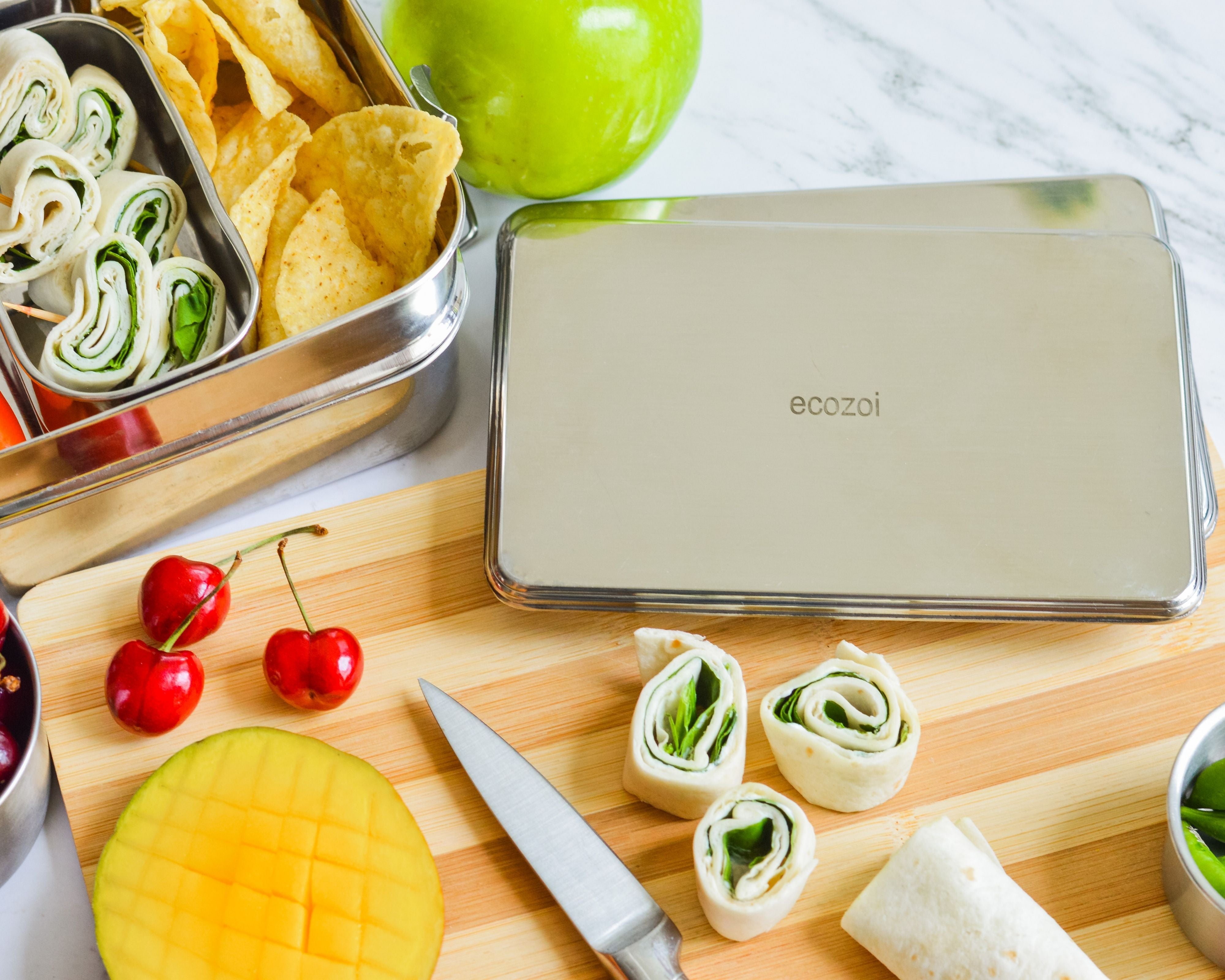
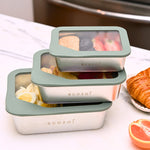
Not all boxes are built equal here. A seal that's molded into the lid holds moisture somewhere you can't wipe it, and boxes with a lot of tight seams give bacteria extra corners to set up shop in. Ecozoi's boxes sidestep the first problem because the silicone seal pulls out completely, so the part that holds smell the most is also the easiest part to clean. None of that replaces the habits above. It just makes keeping them up noticeably less annoying.
Ecozoi builds its stainless steel lunch boxes around a fully removable silicone seal, so the part most likely to hold onto smell is also the easiest to pull out and wash. The habits above still matter most. A box designed for easy cleaning makes it less work to keep up.
FAQs
1. How Do You Stop a Stainless Steel Container From Smelling?
Dry the box fully before the lid goes on. One habit, and it prevents more smell than any cleaner on the market. Rinse right after eating, and once a week pop the seal out and wash it separately. The groove it sits in collects more than you'd think.
2. How Do You Make a Stainless Steel Lunch Box Stop Smelling?
Rinse it properly first, then give it a real wash. For most boxes, that's thirty minutes in warm water with two tablespoons of baking soda, followed by a full air dry with the lid off. If the smell's actually coming from the seal, and it usually is, wash that on its own instead of pretending the whole box is the problem.
3. How Do You Remove Smell From a Stainless Steel Container?
Baking soda gets you most of the way there. Anything beyond that, a ten-minute soak in equal parts vinegar and water finishes it, and neither one hurts the steel or leaves a film behind.
4. How Do You Remove Bad Smell From a Food Container?
Material barely matters here. Steel, glass, plastic, the routine is the same: wash properly, soak in baking soda or vinegar, and dry everything completely before the lid goes back on. Steel just recovers faster, since it never absorbed the smell to begin with.
5. How Do You Remove Smell From a Metal Lunch Box?
For a metal box, the denture tablet trick is your friend for the seal and any corner a cloth can't reach. Fifteen minutes in warm water, rinse well. For the box itself, baking soda or vinegar does the rest.
Bottom Line
You don't need a new lunch box. You need a clean seal and a dry box, and both are an afternoon's work at most. Make drying it fully the last step every single time, and the smell basically never comes back.


