






The Ultimate Guide to Bamboo Cutting Board Care: Oil, Clean & Store
Bamboo is rapidly becoming the top choice for eco-conscious households looking to reduce their environmental footprint. As a sustainable alternative to plastic and traditional hardwoods, bamboo is highly durable, naturally antimicrobial, and aesthetically pleasing. However, transitioning to eco-friendly kitchen products means learning new ways to maintain them. If you want to keep your kitchen tools in top shape, understanding bamboo cutting board care is absolutely essential.
Whether you are a seasoned home chef or a beginner focusing on zero-waste cooking, figuring out exactly how to clean bamboo cutting board surfaces correctly will save you time, effort, and money. In this comprehensive guide, we will walk you through everything you need to know about caring for bamboo cutting board products. From daily washing and deep cleaning to oiling and storing, we’ll ensure your favorite kitchen companion lasts for years to come.
Why Choose a Bamboo Cutting Board?
Before we dive into the daily care of bamboo cutting board routines, let's briefly look at why bamboo is a fantastic choice for your kitchen in the first place. Unlike traditional wood, bamboo is technically a fast-growing grass that regenerates quickly without needing replanting, making it a highly renewable and eco-conscious resource.
When comparing bamboo vs wood chopping boards, bamboo often wins for its natural moisture resistance. Its dense fibers absorb less water than many porous hardwoods, vastly reducing the risk of warping and bacterial growth. Furthermore, because bamboo naturally resists deep knife grooves, it is an excellent surface for prepping everything from fresh, crisp vegetables to cooked meats. But to unlock these natural benefits, proper and consistent maintenance is non-negotiable.
How to Clean a Bamboo Cutting Board Effectively
Daily Washing of Your Bamboo Cutting Board
The most critical step in standard bamboo chopping board care is your daily washing routine. Because bamboo is an entirely natural material, it should never be submerged in the sink or put in the dishwasher. The intense heat, harsh detergents, and prolonged moisture in a dishwasher will quickly cause the bamboo fibers to swell, leading to irreparable warping and cracking.
When washing bamboo cutting board surfaces, simply follow these basic steps:
-
Scrape off food residue: After chopping your ingredients, use a spatula or a bench scraper to safely remove any remaining food pieces from the surface.
-
Use warm, soapy water: Apply a few drops of mild dish soap to a soft sponge or cloth. Gently scrub the surface of the board to remove juices and food particles.
-
Rinse quickly: Rinse the board under warm running water. Avoid letting the water pool on the surface for longer than a few seconds.
-
Dry immediately: This is the absolute most crucial part of how to clean bamboo chopping board surfaces. Take a clean, dry kitchen towel and thoroughly wipe the board completely dry. Do not let it air dry while laying flat on the counter, as moisture can easily become trapped underneath.

Removing Stains and Odors
Even with meticulous care for bamboo cutting board products, strong-smelling foods like garlic, onions, or deeply pigmented foods like beets and turmeric can occasionally leave their mark. Instead of using harsh chemical cleaners that can leach into your next meal, use this natural, eco-friendly deep-cleaning method:
-
The Lemon and Salt Scrub: Sprinkle coarse sea salt or kosher salt generously over the surface of the board. Cut a fresh lemon in half and use the fleshy side to scrub the salt into the board in circular motions. The salt acts as a gentle, natural abrasive to lift stains, while the high acidity of the lemon neutralizes stubborn odors effectively.
-
Baking Soda Paste: For extremely stubborn stains, create a thick paste using baking soda and a little water. Rub it directly onto the stain, let it sit for five to ten minutes, and then wipe it away with a damp cloth. Always remember to dry the board thoroughly afterward!
If you are ever wondering, Are bamboo cutting boards safe for food prep? The answer is an absolute yes, provided you keep them sanitized and odor-free using these natural, chemical-free methods.
How to Treat and Oil a Bamboo Cutting Board
Why Should I Treat My Bamboo Cutting Board with Oil?
One of the most common questions from our Ecozoi community is: Should I treat my bamboo cutting board with oil? Yes, you absolutely should! Think of bamboo like your own skin; when exposed to water and soap repeatedly, it naturally dries out over time. If left completely untreated, the dry bamboo fibers will become brittle, splinter, and eventually form deep cracks where bacteria can hide.
Using a quality bamboo cutting board oil creates a protective, hydrating moisture barrier. This barrier prevents the board from absorbing unwanted liquids from raw foods, keeps the fibers nicely hydrated, and helps maintain the board’s natural, beautiful luster.
What is the Best Oil to Use on Bamboo Cutting Boards?
Choosing the correct oil for bamboo chopping board maintenance is vital to its longevity. You cannot just reach into your pantry and grab any cooking oil you have on hand. Here is what you need to know:
-
Food-Grade Mineral Oil: This is widely considered the gold standard for how to treat bamboo cutting board surfaces. It is completely food-safe, non-toxic, odorless, and colorless. Most importantly, unlike culinary oils, it will not go rancid over time.
-
Fractionated Coconut Oil: Regular coconut oil contains fats that can spoil, but fractionated coconut oil has had those specific fats removed, making it a highly safe, natural alternative.
-
Beeswax Blends: Many specialized cutting board creams combine mineral oil with natural beeswax to provide an extra thick layer of water resistance and a beautiful, glossy shine.
-
Oils to AVOID: You should never use olive oil, vegetable oil, avocado oil, or standard coconut oil. These culinary oils oxidize over time, leaving your precious cutting board sticky, gummy, and smelling rancid.

Step-by-Step Guide: How to Oil a Bamboo Cutting Board
To keep your board in peak working condition, you should aim to oil it at least once a month (or more frequently if you live in a very dry climate or cook daily). Here is exactly how to oil bamboo cutting board surfaces properly:
-
Start clean and dry: Ensure your board has been freshly washed and thoroughly dried.
-
Apply the oil: Pour a generous amount of food-grade mineral oil directly onto the bamboo surface.
-
Buff it in: Using a soft, clean cloth or a paper towel, rub the oil deeply into the wood using circular motions. Make sure to adequately coat the front, back, and the edges of the board.
-
Let it soak: Allow the oil to soak into the bamboo fibers for at least a few hours, or ideally overnight.
-
Wipe off excess: The next morning, use a dry cloth to gently buff away any remaining oil that hasn't fully absorbed. Your board should feel silky smooth to the touch, not greasy.
Proper Storage and Care for Bamboo Cutting Boards
The final, often overlooked piece of the puzzle in bamboo cutting board care is proper storage. How you store your board directly impacts its physical structure and lifespan.
-
Store Upright: Never store your bamboo cutting board flat on the counter when not in use. Any trapped moisture underneath the board can breed bacteria and cause the board to warp out of shape. Instead, store it vertically on its edge. You can lean it against the backsplash or use a specialized kitchen wire rack to keep it upright.
-
Avoid Extreme Temperatures: Keep your board safely away from direct sources of high heat, such as right next to the stovetop, oven, or a hot radiator, as the intense heat can dry out the bamboo prematurely.
-
Keep it Dry: Ensure the storage area in your kitchen is well-ventilated and dry.
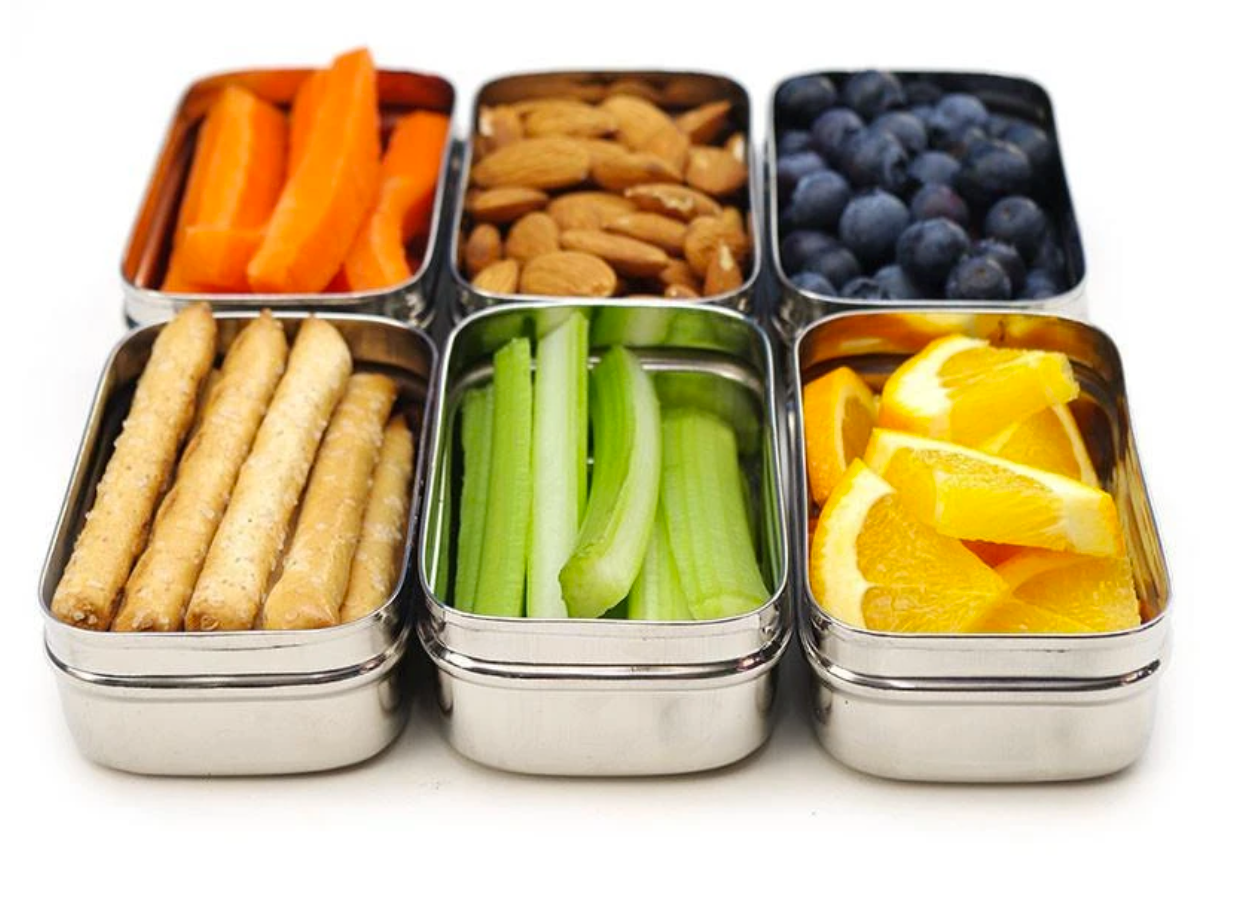
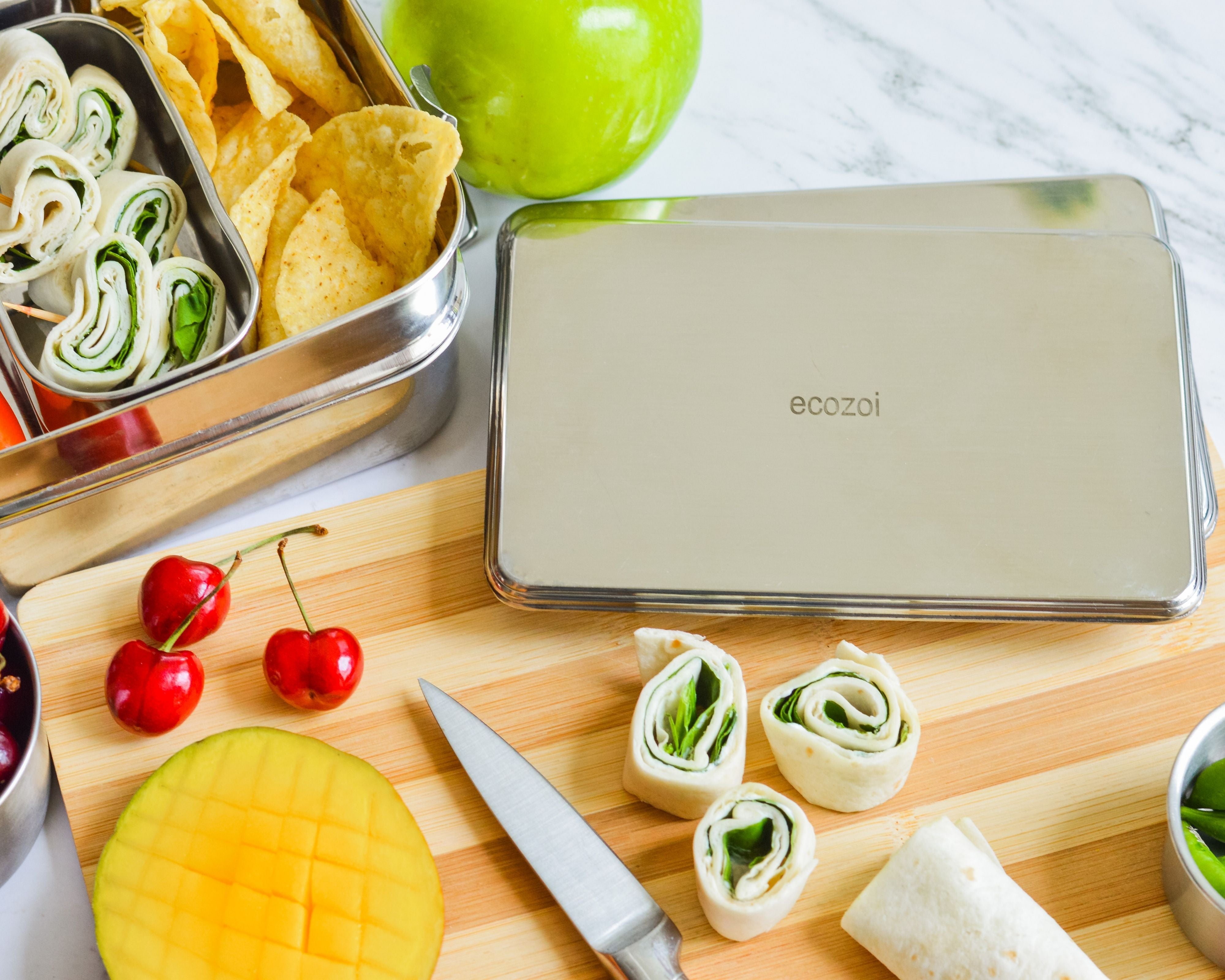
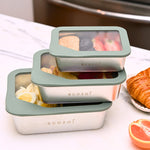
If you are looking to fully upgrade your kitchen organization and sustainability, consider exploring our full range of eco-friendly solutions, like our popular stainless steel food storage containers, which naturally complement a zero-waste lifestyle beautifully and perfectly match the eco-friendly ethos of a bamboo cutting board.
FAQs
How do you care for bamboo cutting boards?
Caring for a bamboo cutting board involves three main steps: hand washing it immediately after use with warm soapy water, drying it completely with a towel to prevent moisture buildup, and storing it upright in a dry, well-ventilated place. Additionally, you must avoid soaking it in water or putting it in the dishwasher, as this will heavily damage the natural fibers.
How to oil bamboo cutting board?
To oil a bamboo cutting board, start with a clean, completely dry board. Apply a generous layer of food-grade mineral oil or fractionated coconut oil to the front, back, and sides using a soft cloth. Allow the oil to soak in for several hours or overnight, then wipe off any excess surface oil with a clean towel.
Should I treat my bamboo cutting board with oil?
Yes, you should absolutely treat your bamboo cutting board with oil. Regular oiling prevents the bamboo from drying out, splintering, and cracking. It also crucially creates a natural water-resistant barrier that stops raw food juices and hidden bacteria from seeping into the board.
What is the best way to care for a bamboo cutting board?
The best way to care for a bamboo cutting board is a steady combination of gentle daily cleaning and regular hydration. Always hand wash and towel dry it immediately. Use a natural lemon and salt scrub for occasional deep cleaning to remove odors, and thoroughly condition the board once a month with food-grade mineral oil to maintain its long-term durability and beautiful shine.
What is the best oil to use on bamboo cutting boards?
The absolute best oil to use is food-grade mineral oil. It is totally safe for food contact, won't spoil or turn rancid, and effectively hydrates the bamboo fibers. Fractionated coconut oil and beeswax-based cutting board conditioners are also excellent, natural choices. You should never use cooking oils like olive or vegetable oil, as they will turn sticky and rancid over time.
Conclusion
Mastering how to clean bamboo cutting board surfaces and keeping up with regular maintenance certainly doesn't have to be a chore. By simply incorporating these straightforward habits into your daily kitchen routine, washing gently, drying immediately, and oiling monthly, you guarantee that your bamboo kitchenware will remain beautiful, functional, and hygienic for years to come.
Investing in high-quality, sustainable tools is only half the eco-friendly journey. The other half is taking the dedicated time to care for them. Embrace these essential steps, and enjoy the true peace of mind that comes with a naturally clean, zero-waste, and wonderfully sustainable kitchen!


