









How to Set Up a Zero Waste Pantry in 2026
Creating a Zero Waste Pantry isn’t about perfection — it’s about progress. In 2026, more families are choosing smarter storage, reducing packaging waste, and building a sustainable pantry that saves money and protects the planet.
With a few intentional swaps and better zero-waste pantry organization, you can reduce plastic, cut food waste, and create a clean, clutter-free kitchen space.
Let’s walk through it step by step.
What Is a Zero Waste Pantry?
A zero waste pantry focuses on minimizing packaging waste, preventing food spoilage, and using sustainable pantry storage solutions like stainless steel, glass, and reusable materials instead of plastic.
The goal is simple:
-
Buy only what you need
-
Store food properly
-
Reuse containers
-
Compost scraps
It’s one of the easiest zero waste ideas for home that creates long-term environmental impact.
Step 1: Declutter and Audit Your Pantry
Before buying anything new, start here:
-
Remove everything from your pantry.
-
Check expiry dates.
-
Group similar items (grains, spices, snacks).
-
Identify items frequently wasted.
This step helps you:
-
Avoid overbuying
-
Plan smarter storage
-
Reduce food waste
A sustainable pantry starts with awareness.
Step 2: Switch to Sustainable Pantry Storage
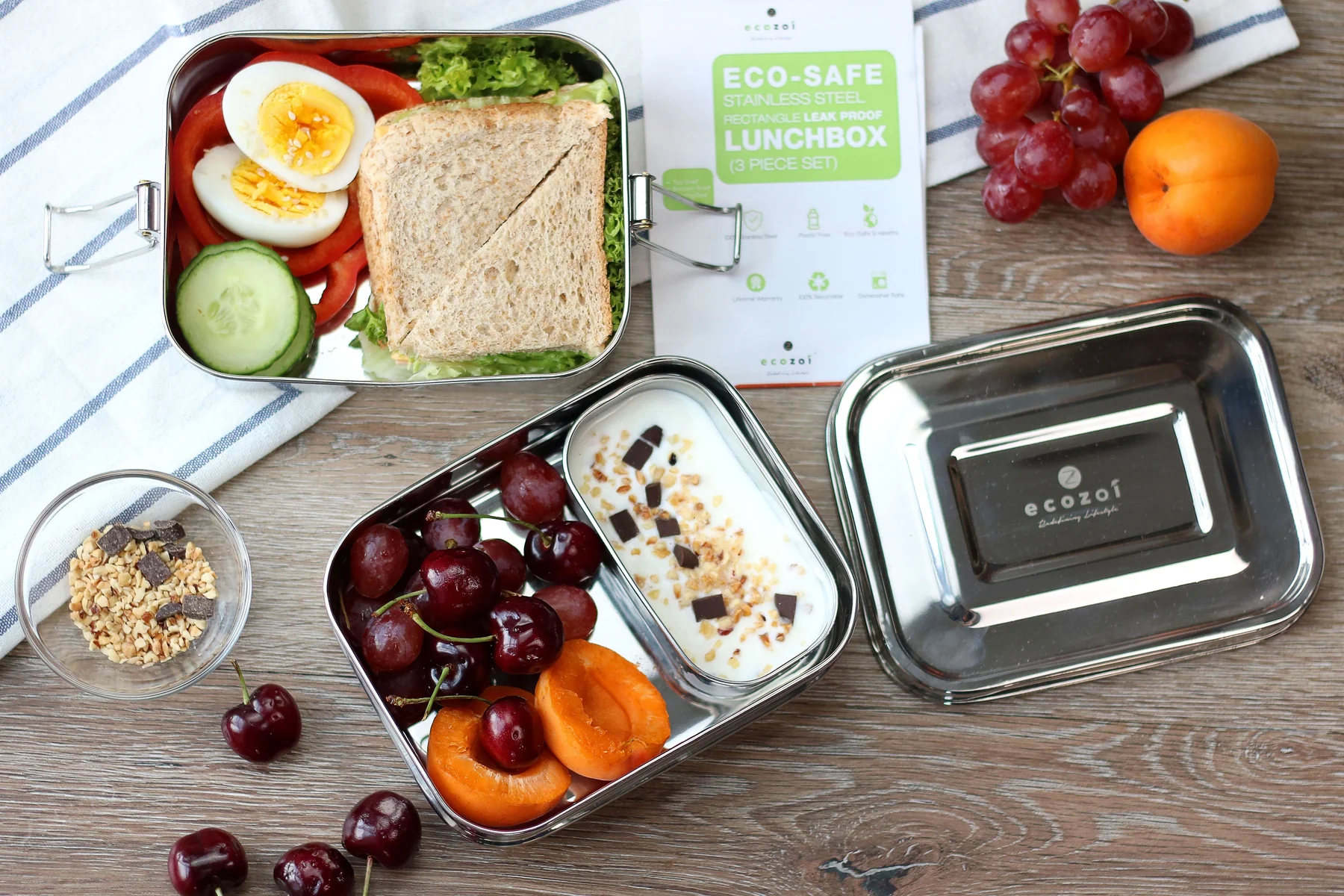
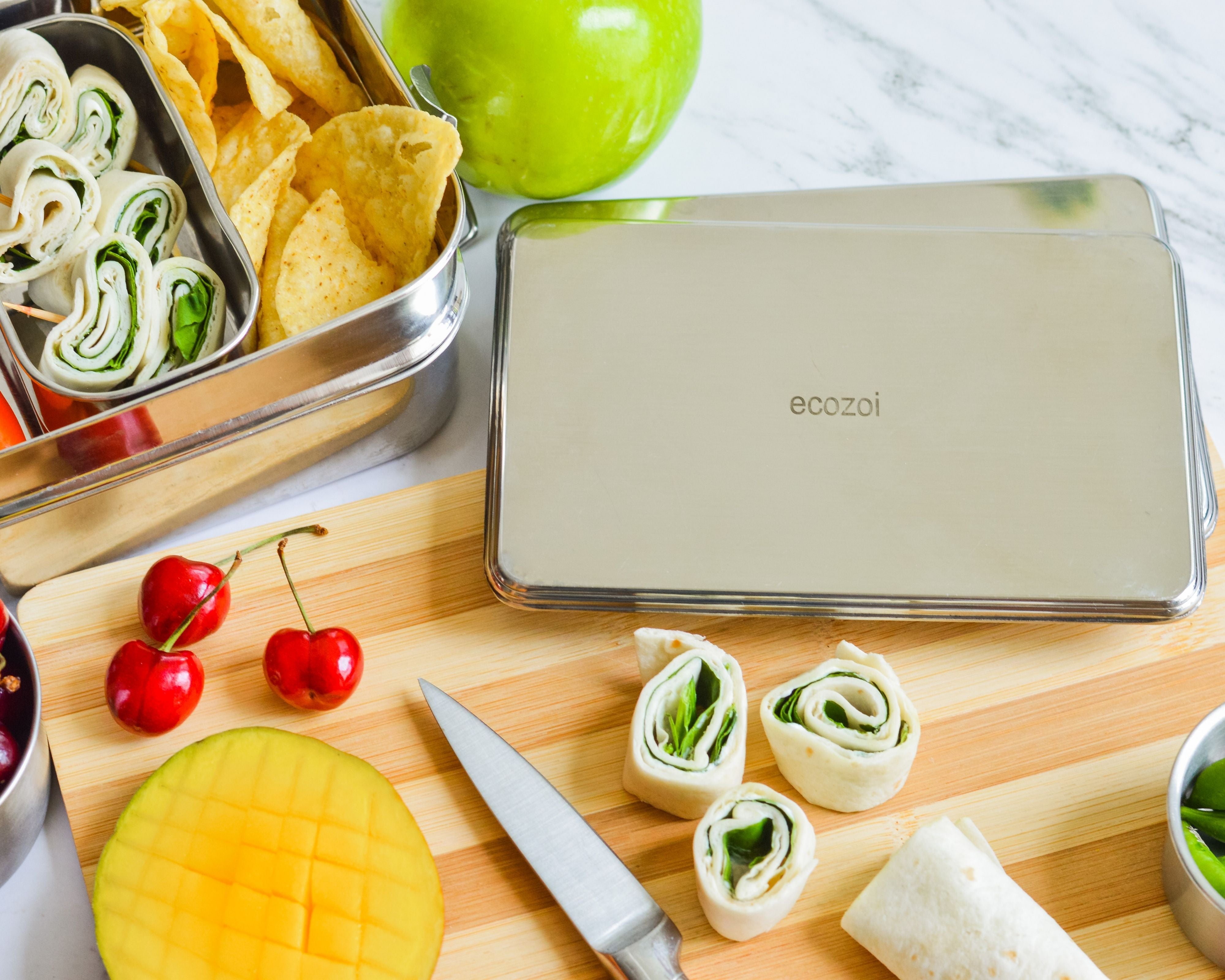
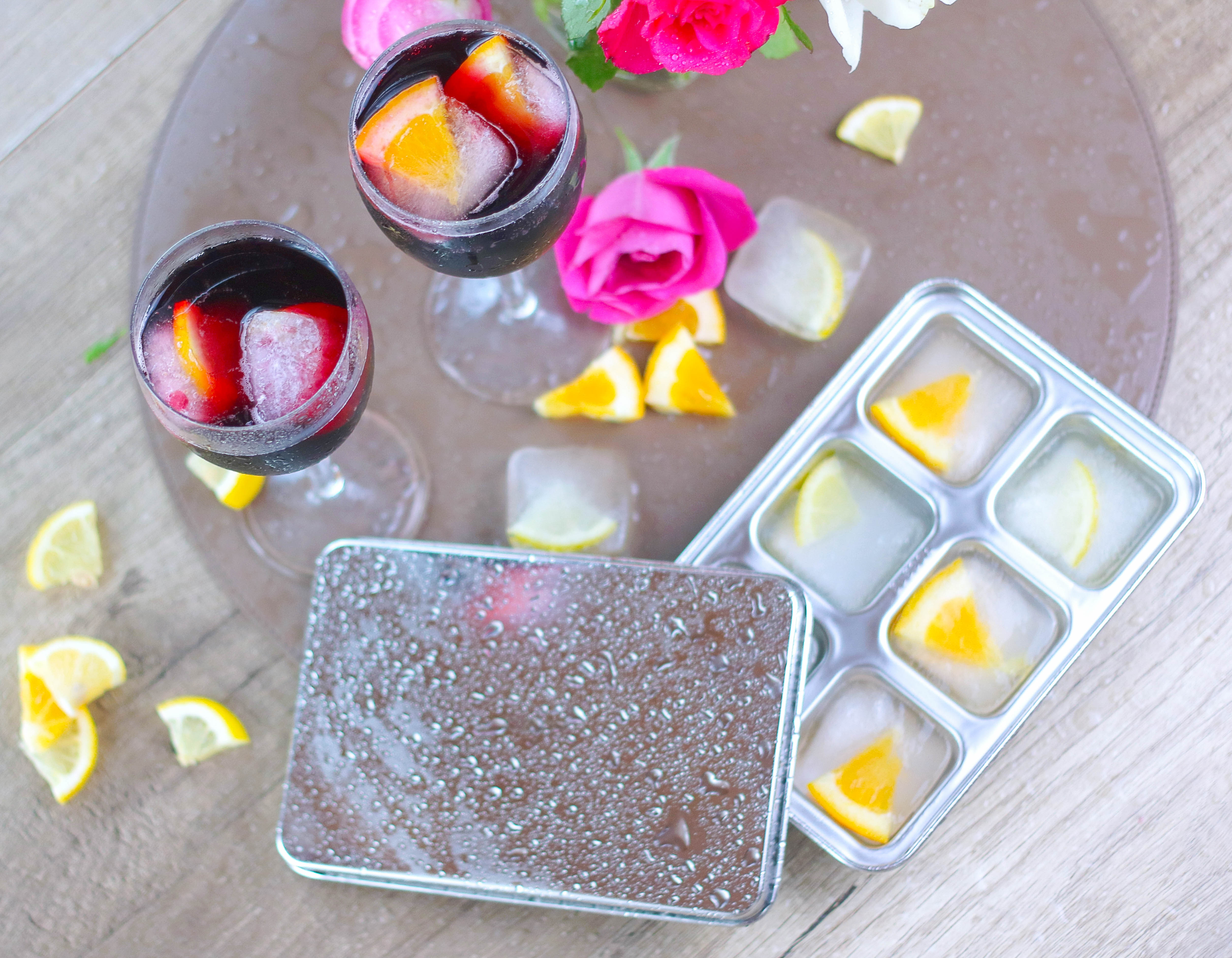
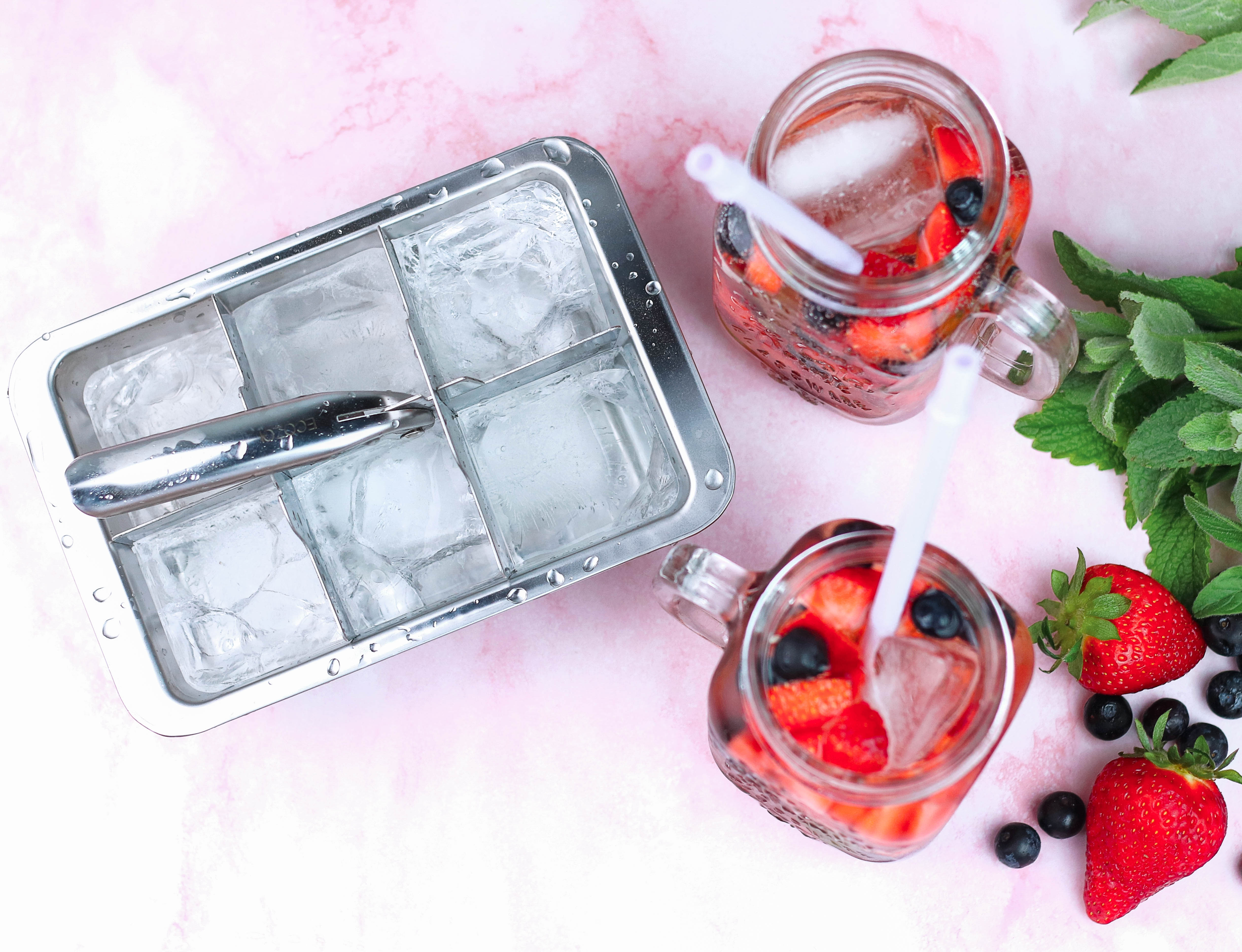
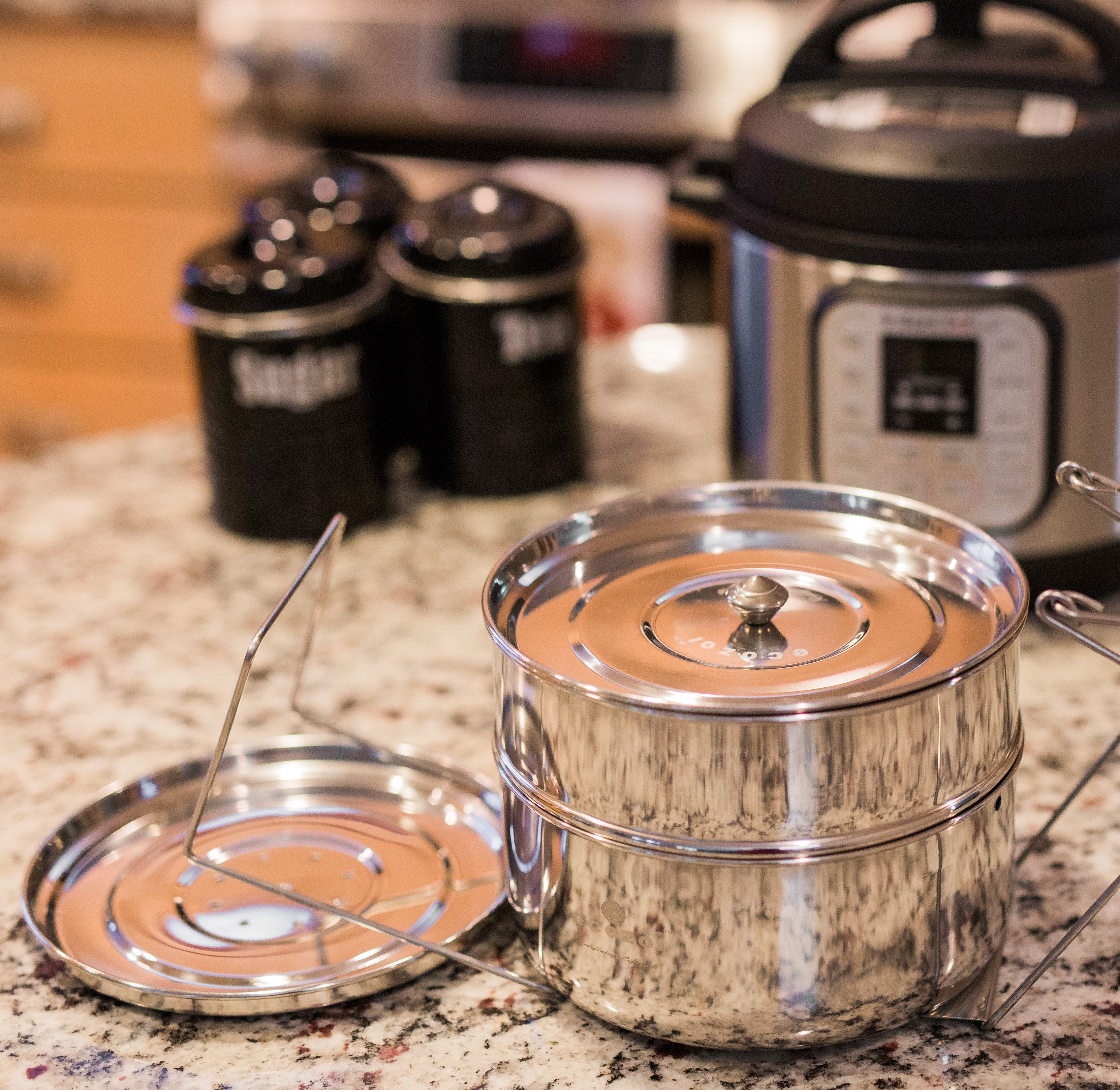
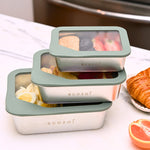
Plastic containers often stain, crack, and may leach chemicals over time. Instead, choose durable materials like stainless steel and glass. Eco-friendly brands like Ecozoi offer plastic-free storage options such as the Ecozoi Stainless Steel Lunch Box 3‑Compartment (50 oz), which is made from food-grade stainless steel and designed for reusable, waste-free food storage.
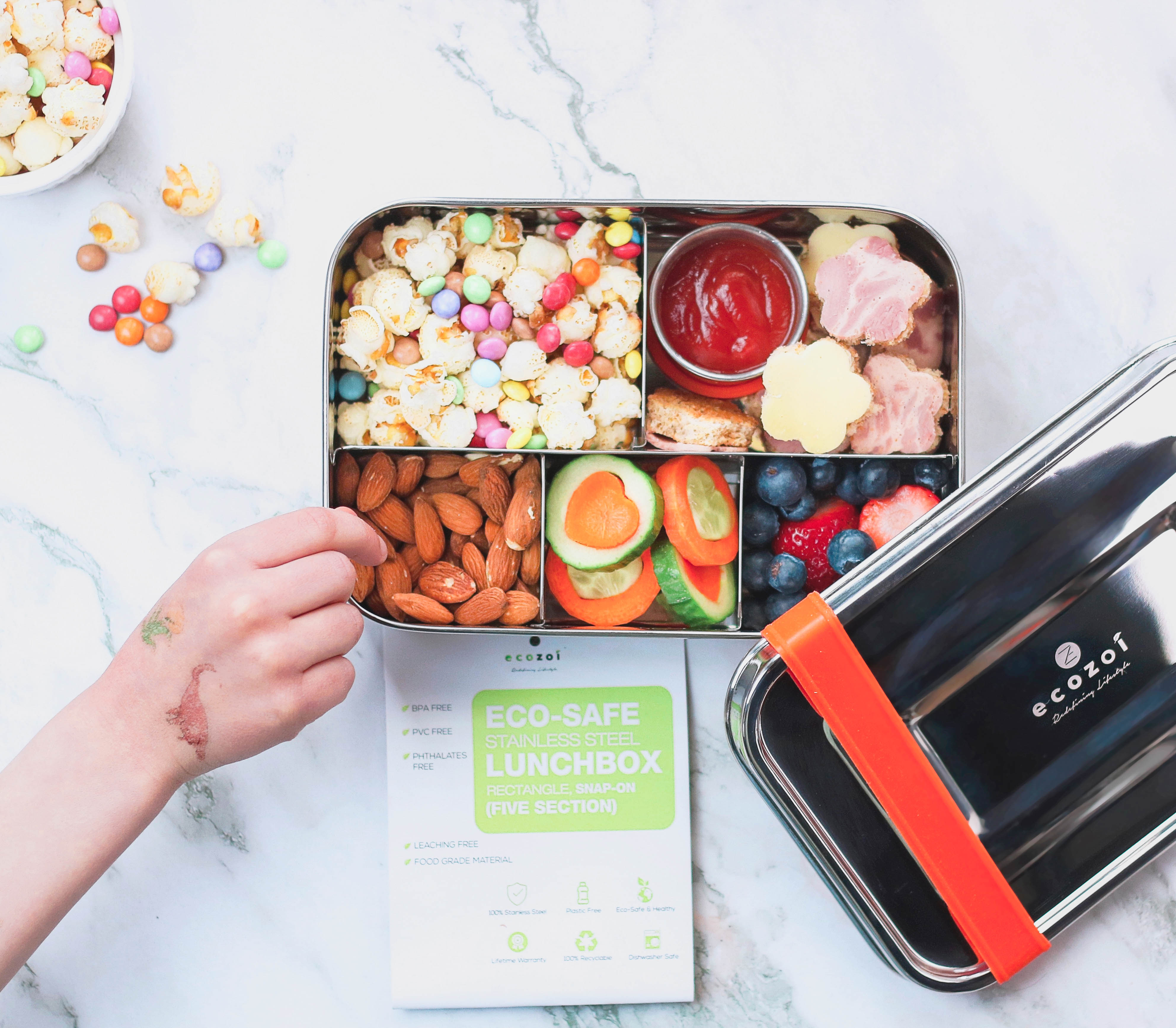
You can also use versatile containers like the Ecozoi XL Leak‑Proof Stainless Steel Lunch Box with Divider (60 oz) to store grains, leftovers, or meal prep ingredients in your sustainable pantry.
Why Stainless Steel Is Ideal
-
Long-lasting and durable
-
Non-toxic and BPA-free
-
Easy to clean
-
Resistant to odors and stains
-
100% recyclable
For compact pantry storage or snack containers, options like the Ecozoi Stainless Steel 1‑Tier Lunch Box (24 oz) work well for portion-controlled ingredients and reusable storage.

Step 3: Buy in Bulk — The Smart Way
One of the best zero waste pantry ideas is buying dry goods in bulk using reusable containers or cloth bags.
Focus on:
-
Rice
-
Lentils
-
Beans
-
Pasta
-
Nuts
-
Seeds
-
Spices
Benefits:
-
Less plastic packaging
-
Lower cost per unit
-
Custom quantities

Bring your own containers whenever possible. If bulk shopping isn’t available near you, choose minimal packaging options.
Step 4: Label & Organize for Zero-Waste Pantry Organization
Good organization prevents food waste.
Smart Organization Tips:
-
Use clear or labeled containers
-
Store older items in front (FIFO method – First In, First Out)
-
Keep a running grocery list
-
Store frequently used items at eye level
You can create zones:
-
Grains section
-
Baking section
-
Snack zone
-
Spices drawer
This makes your sustainable pantry easy to maintain.

Step 5: Focus on Low-Waste Pantry Staples
Not all foods are equal in a zero waste system.
Ideal Foods for a Zero Waste Pantry
-
Whole grains (oats, rice, quinoa)
-
Dried beans and lentils
-
Nuts and seeds
-
Flour and baking essentials
-
Spices bought in refill packs
-
Homemade snacks
Avoid:
-
Individually wrapped snacks
-
Single-use condiment packs
-
Overly processed items with excess packaging
Choosing simple, whole ingredients reduces both packaging and food waste.
Step 6: Implement Small Zero Waste Pantry Ideas
If you have limited space, don’t worry. Here are small zero waste pantry ideas you can implement immediately:
-
Use stackable stainless steel containers
-
Install floating shelves
-
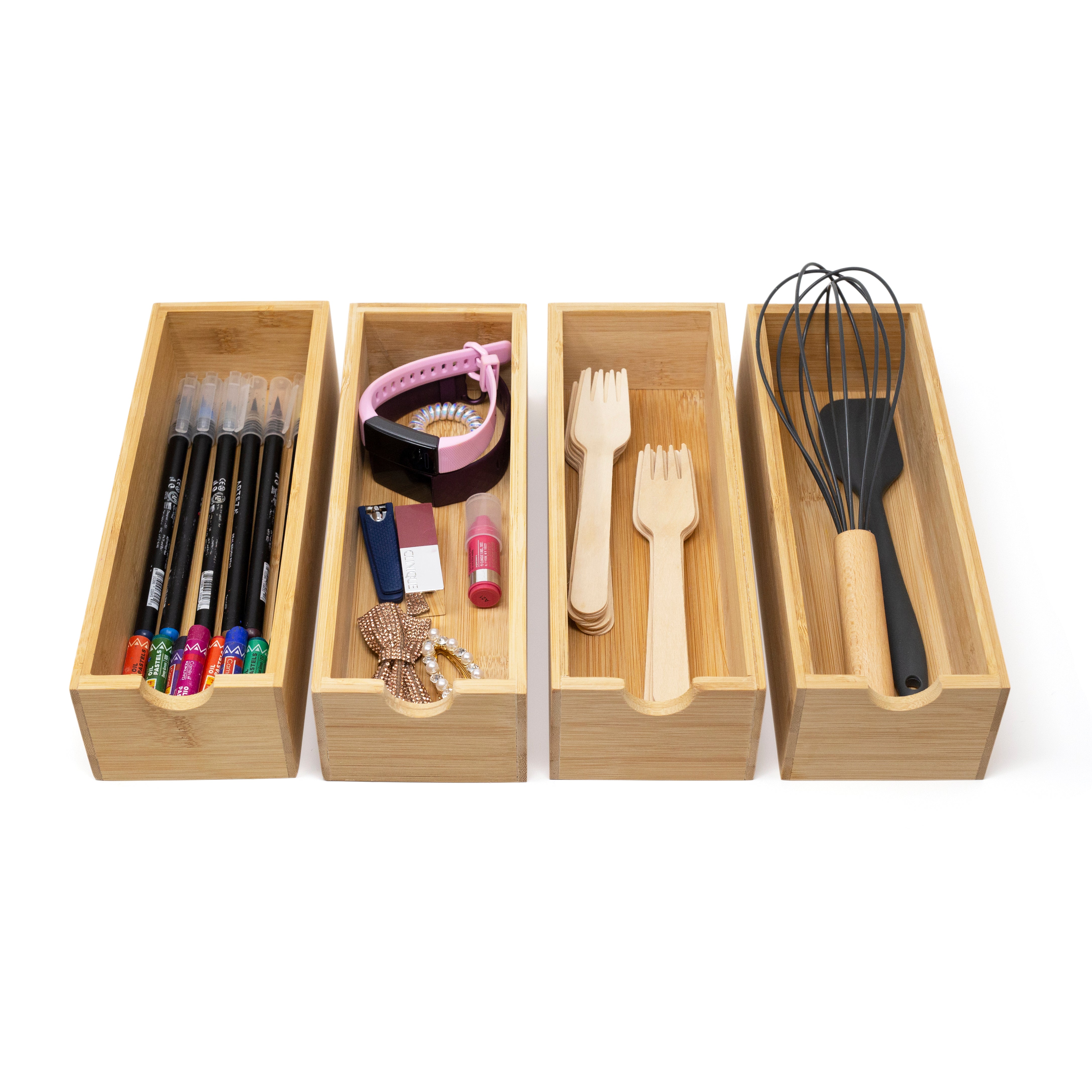
Add drawer dividers
-
Use under-shelf baskets
-
Store spices in uniform refillable jars
Even apartment kitchens can maintain a sustainable pantry with thoughtful planning.
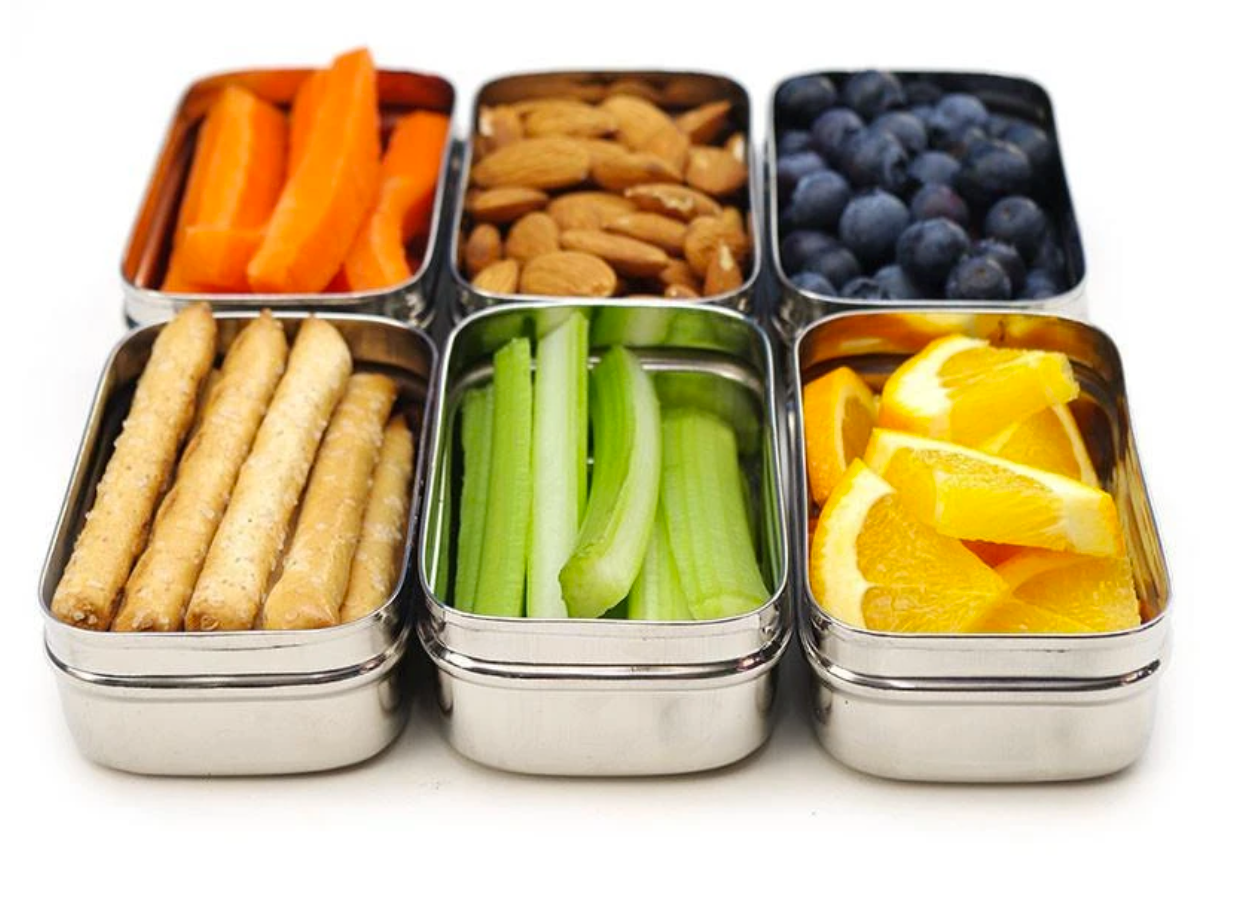
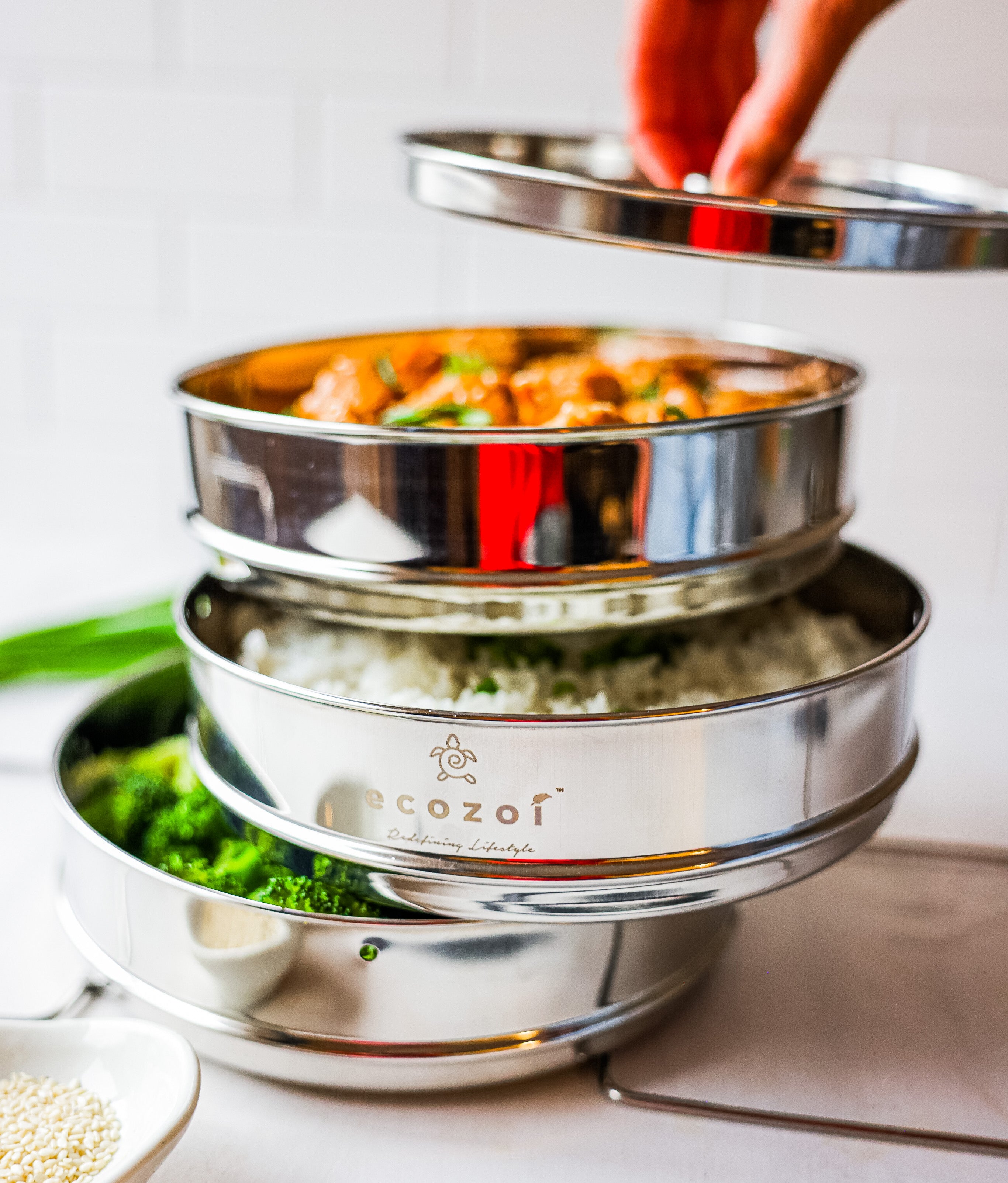
Stackable storage solutions help maximize space in small kitchens. For example, a multi-container set like the Ecozoi 4‑Piece Leak‑Proof Stainless Steel Lunch Box Set (74 oz) allows you to store multiple pantry staples such as nuts, spices, or dry snacks efficiently.
Step 7: Reduce Food Waste Strategically
A Zero Waste Pantry is incomplete without a food waste strategy.
Practical Ways to Reduce Food Waste
-
Plan meals weekly
-
Cook leftovers into new dishes
-
Freeze extra portions
-
Compost vegetable scraps
-
Store food in airtight containers
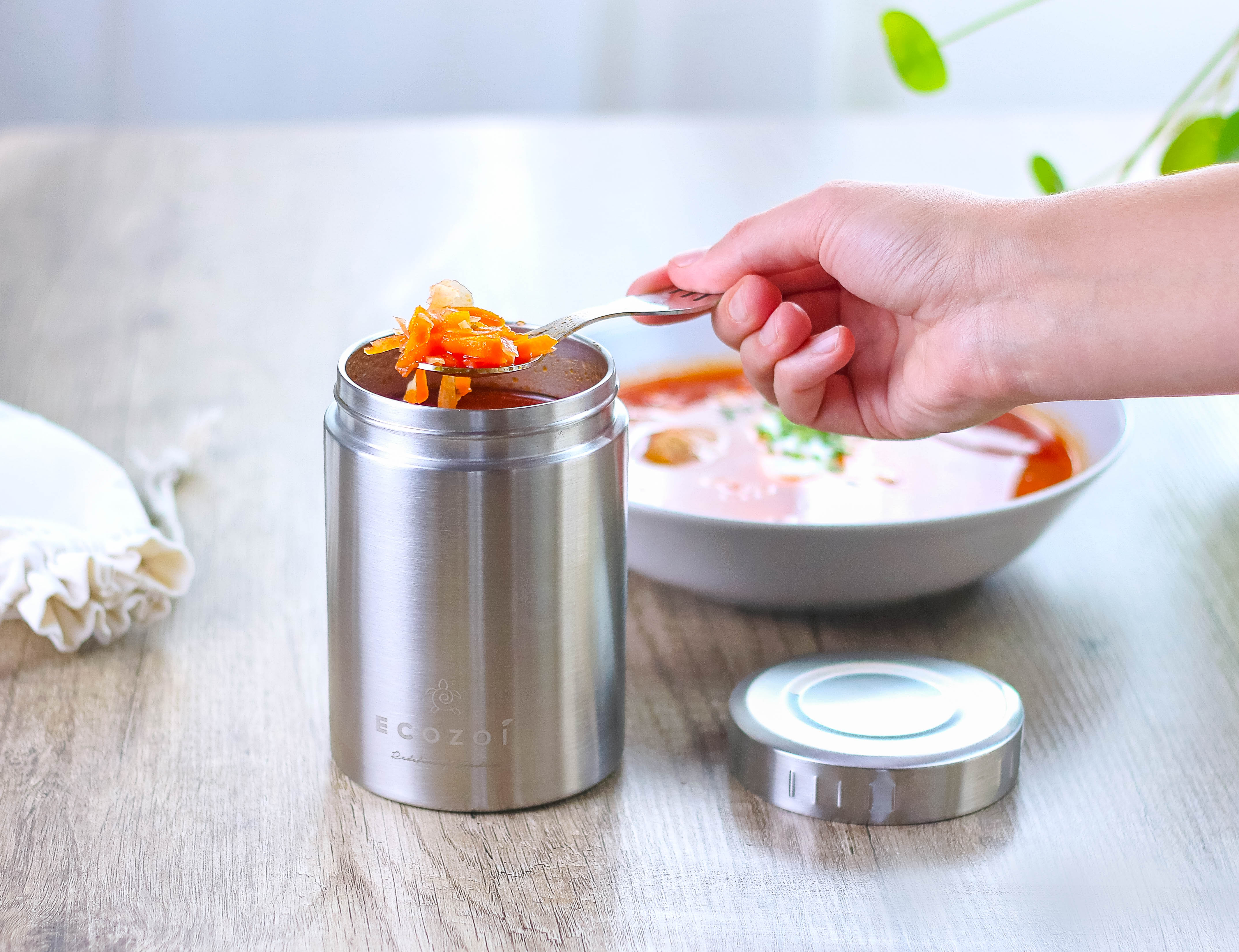
Proper storage significantly extends shelf life. Airtight stainless steel containers protect against moisture and pests better than thin plastic boxes.
Using airtight reusable containers helps extend the shelf life of ingredients and leftovers. Stackable options like the Ecozoi 3‑Tier Leak‑Proof Stainless Steel Bento Lunch Box allow you to organize multiple food items while maintaining a plastic-free pantry system.
Step 8: Transition Gradually (Don’t Throw Everything Away)
Zero waste living is about reducing waste — not creating more by discarding usable plastic immediately.
Instead:
-
Replace containers as they wear out
-
Swap to sustainable alternatives over time
-
Reuse old jars and tins
Progress > Perfection.
Sustainable Pantry Storage Essentials Checklist
✔ Stainless steel airtight containers
✔ Glass jars for spices
✔ Cloth produce bags
✔ Compost bin
✔ Reusable grocery bags
✔ Meal planning board
✔ Labels or marker
Building a Zero Waste Pantry in 2026 is more about smart systems than expensive upgrades.
FAQs
How to build a sustainable pantry?
Start by auditing your current pantry, removing excess packaging, and switching to reusable containers. Focus on bulk shopping, meal planning, and airtight sustainable pantry storage to prevent waste.
What is a zero waste pantry?
A zero waste pantry minimizes food and packaging waste by using reusable storage solutions, buying in bulk, and planning meals effectively. It promotes sustainable pantry organization and conscious consumption.
What are some sustainable pantry storage solutions?
The best sustainable pantry storage solutions include stainless steel containers, glass jars, stackable metal boxes, reusable silicone lids, and cloth storage bags. These reduce plastic usage and last for years.
What small zero waste pantry ideas can I implement in my kitchen?
You can start by:
-
Replacing plastic containers with reusable ones
-
Labeling jars
-
Buying staples in bulk
-
Planning weekly meals
-
Composting scraps
Even small changes significantly reduce waste.
Are there specific foods I should focus on for a zero waste pantry?
Yes. Choose dry goods like rice, lentils, beans, oats, flour, nuts, and seeds. These are easy to store in airtight containers and often available in bulk.
How can I reduce food waste in my zero waste pantry?
Plan meals ahead, store food properly in airtight containers, use the FIFO method, freeze extras, and compost scraps. Organization is key to preventing waste.
Conclusion
Setting up a Zero Waste Pantry in 2026 is one of the most impactful zero waste ideas for home. It saves money, reduces plastic waste, and keeps your kitchen clean and organized.
Start small:
-
Swap one shelf.
-
Replace one container.
-
Buy one item in bulk.
Sustainability is built step by step — and your pantry is the perfect place to begin.
We Want to Hear From You!
Let us know how Ecozoi’s products have helped you with your eco-friendly lifestyle! Please take a moment to fill out our Ecozoi Customer Survey. Your feedback helps us grow and improve!


