






Why Non-Plastic Food Storage Containers Are Safer Than Plastic
Plastic containers are everywhere, in kitchens, offices, and school lunch bags. But more families are questioning their safety. If you're searching for non plastic food storage containers, you’re already thinking about healthier and more sustainable alternatives.
Let’s break down why switching to plastic free food containers is one of the smartest kitchen upgrades you can make.
The Hidden Risks of Plastic Food Containers
Plastic may be convenient, but it has drawbacks.
Chemical Leaching
Plastic containers can release synthetic compounds when exposed to heat or acidic foods. Microwaving leftovers or washing plastic in hot dishwashers increases this risk.
Microplastics in Food
Over time, plastic breaks down and sheds microplastics, tiny fragments that may contaminate your meals.
Staining & Odor Absorption
Plastic absorbs food stains and smells, especially from curries, sauces, and oily dishes.
This is why many households are replacing plastic with meal prep containers non plastic made from stainless steel or glass.

Why Non-Plastic Food Storage Containers Are Safer
1. No Chemical Leaching
Stainless steel and glass are non-reactive. They don’t contain BPA, phthalates, or hidden synthetic additives.
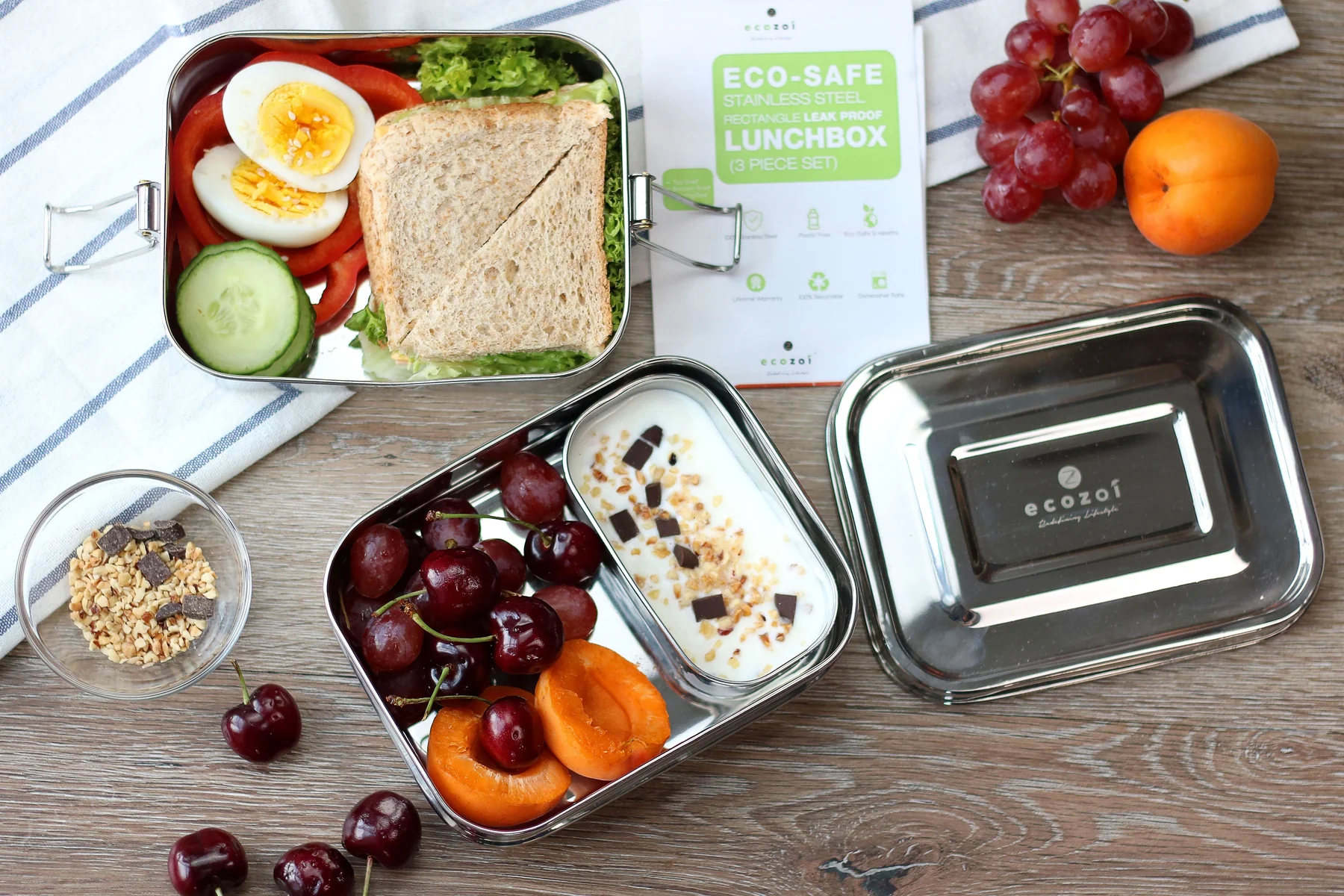
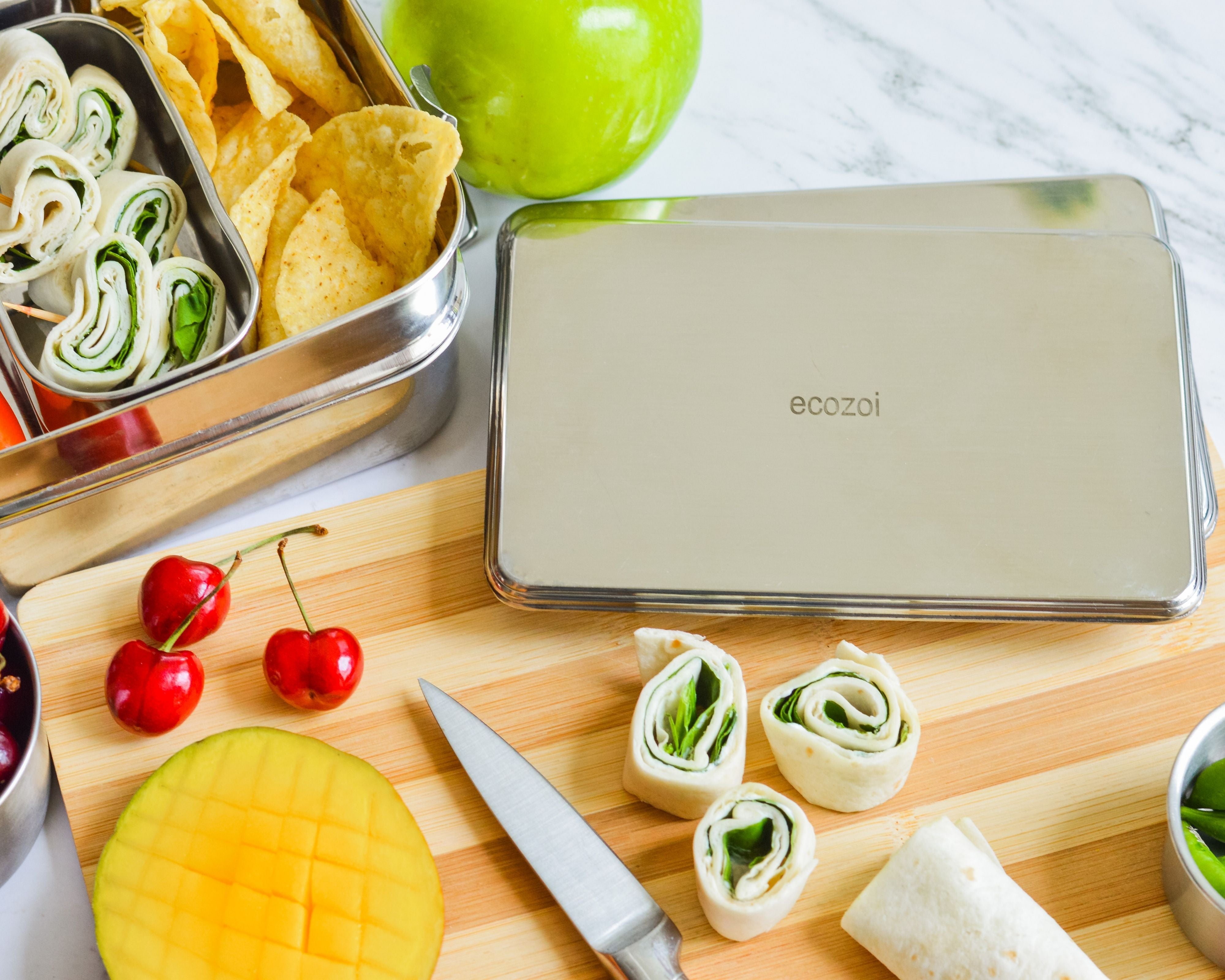
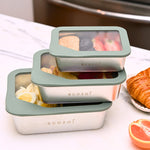
For example, Ecozoi’s Stainless Steel Lunch Box (Leak Proof 1 Tier) is made from food-grade stainless steel with a redesigned silicone seal, built for safe daily use
2. Built for Safe Meal Prep
Plastic free meal prep containers handle hot and cold foods without warping or degrading.
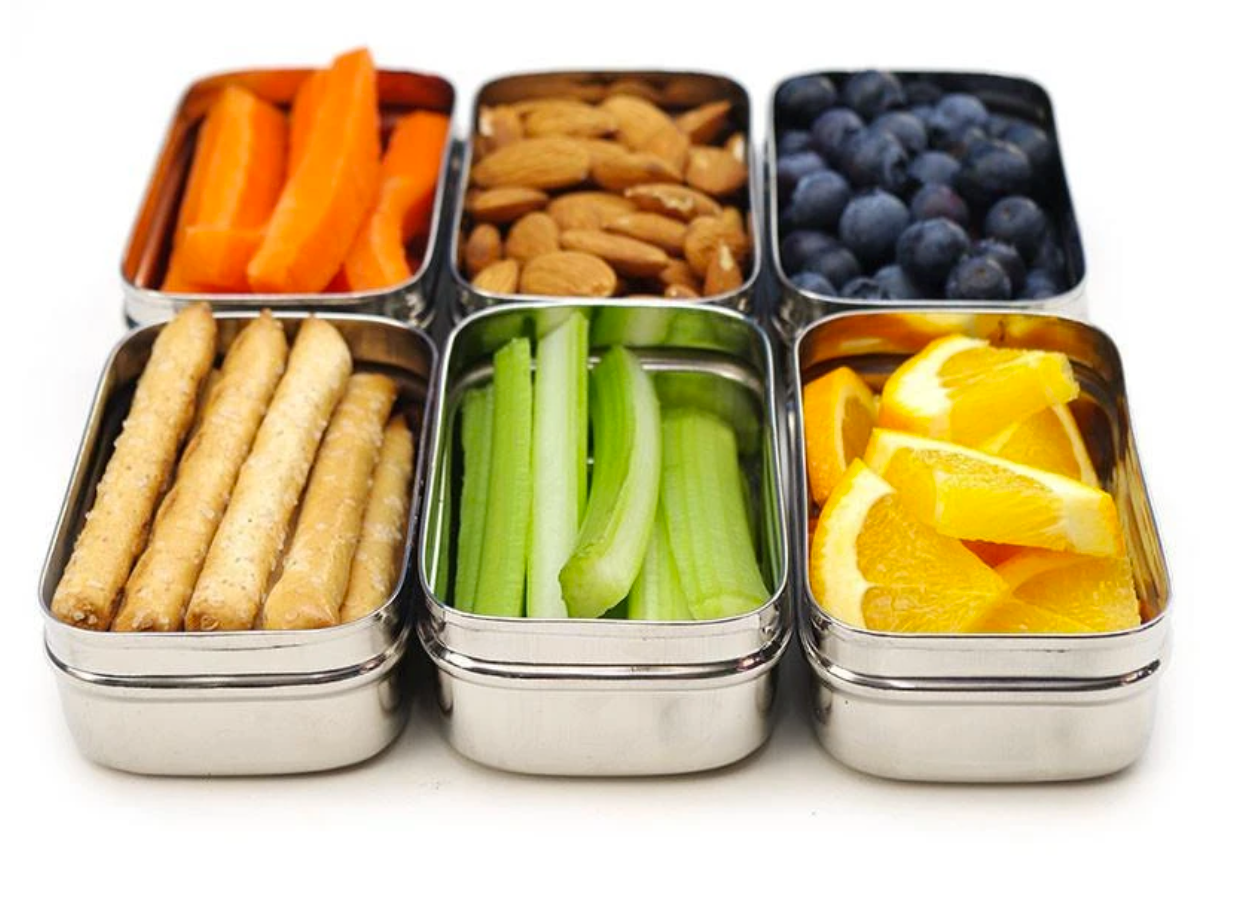
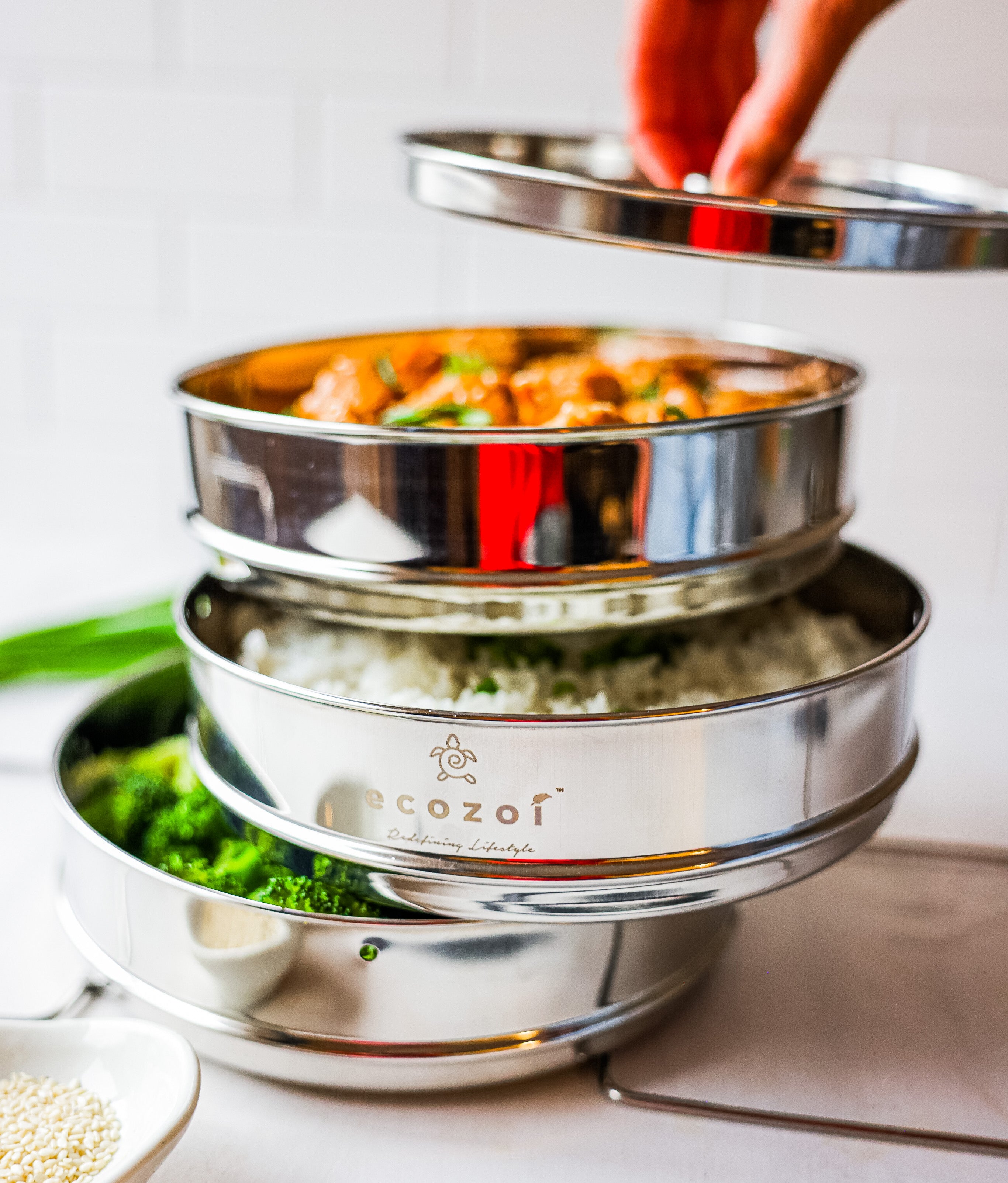
Ecozoi’s 3-Tier Stainless Steel Bento Box (42 oz) is ideal for portion control and plastic-free meal prepping
This stackable design reduces the need for multiple plastic containers.
3. Leak-Resistant & Durable
Unlike plastic that cracks over time, stainless steel is long-lasting and resistant to wear.
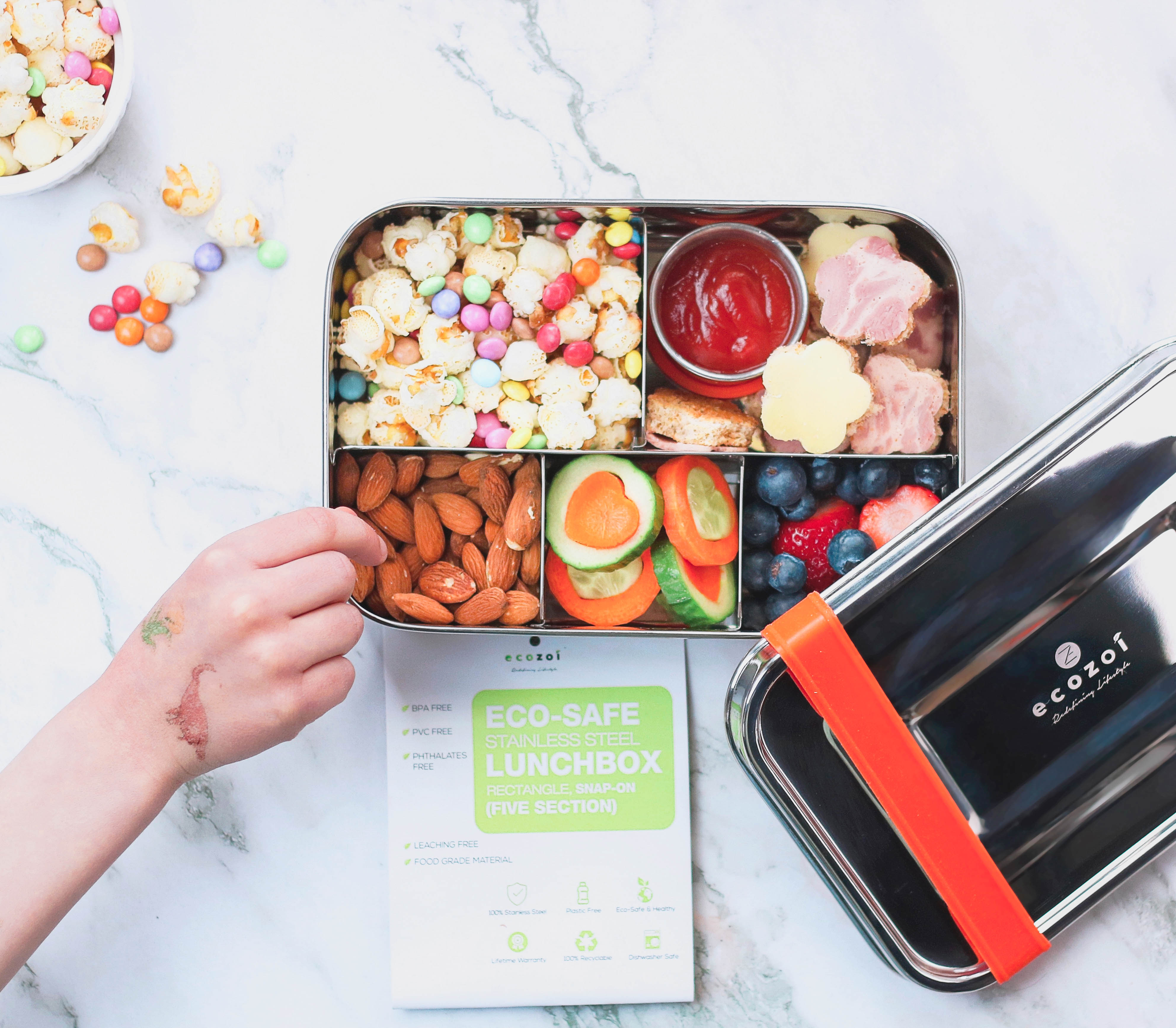
Ecozoi’s Leak Proof 3-in-1 Stainless Steel Bento Box offers compartmental storage without plastic interiors
Perfect for work lunches and school meals.
Glass vs Steel vs Plastic: Which Is Better?
| Feature | Plastic | Glass | Stainless Steel |
|---|---|---|---|
| Chemical Free | Not always | Yes | Yes |
| Break Resistant | Medium | Can break | Highly durable |
| Lightweight | Yes | Heavy | Moderate |
| Long Lasting | No | Yes | Yes |
| Eco-Friendly | No | Yes | Yes |
While glass is safe, it’s breakable and heavier. Stainless steel provides durability and portability, making it ideal for non plastic meal prep containers.
Common Materials Used for Food Storage Containers
Food storage containers are typically made from:
-
Plastic (Polypropylene, Polycarbonate)
-
Glass
-
Stainless Steel
-
Silicone
-
Ceramic
Among these, stainless steel and glass remain the safest options.
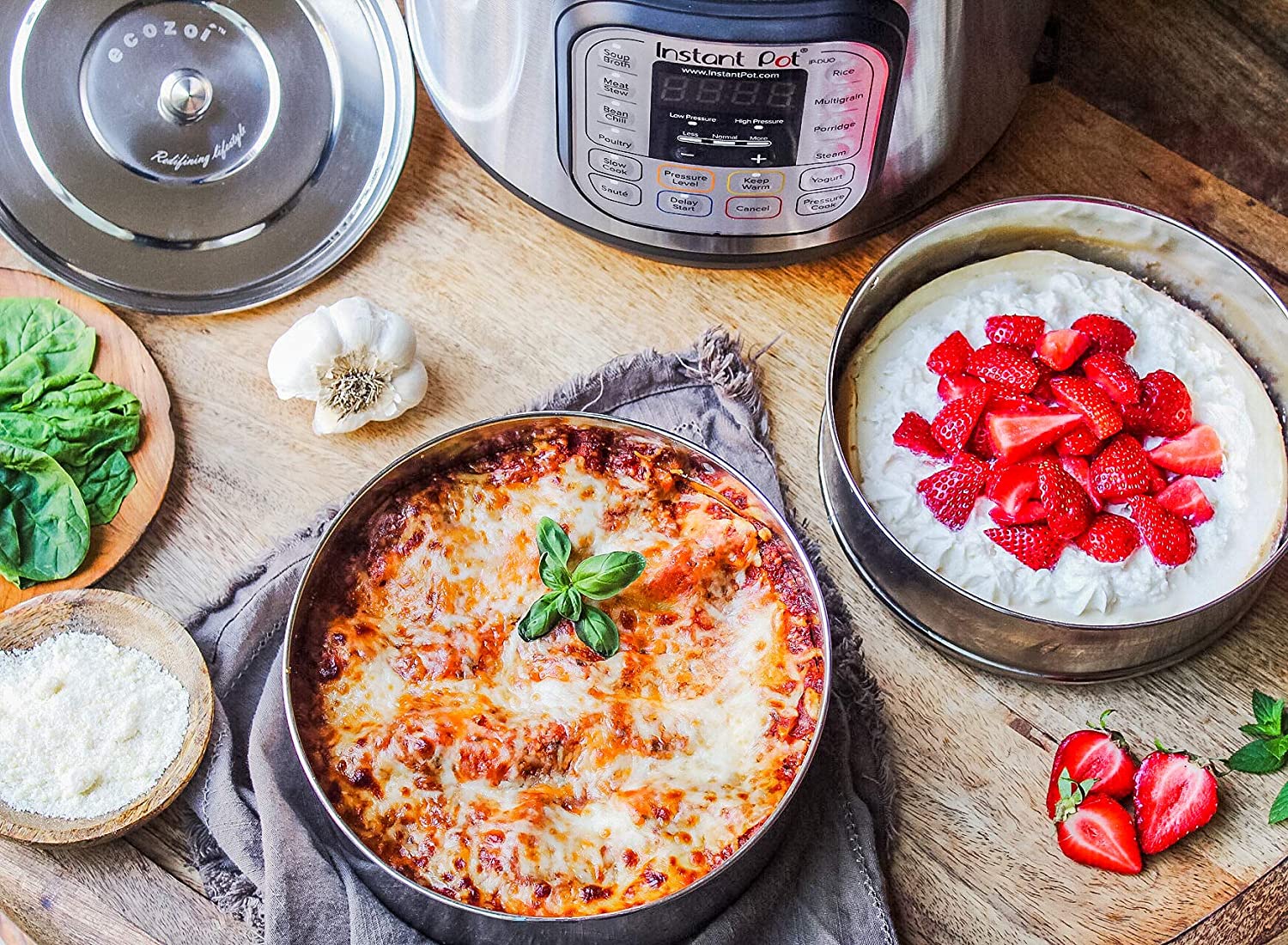
Ecozoi focuses exclusively on plastic free food containers that eliminate harmful exposure risks.
Why Choose Ecozoi Non-Plastic Food Containers?
Premium Food-Grade Stainless Steel
Ecozoi containers are PVC-free, BPA-free, and phthalate-free.
Explore the full lunch collection here:
https://ecozoi.com/collections/lunch-boxes
Sustainable, Plastic-Free Packaging
Ecozoi products are shipped in eco-conscious packaging to reduce waste.
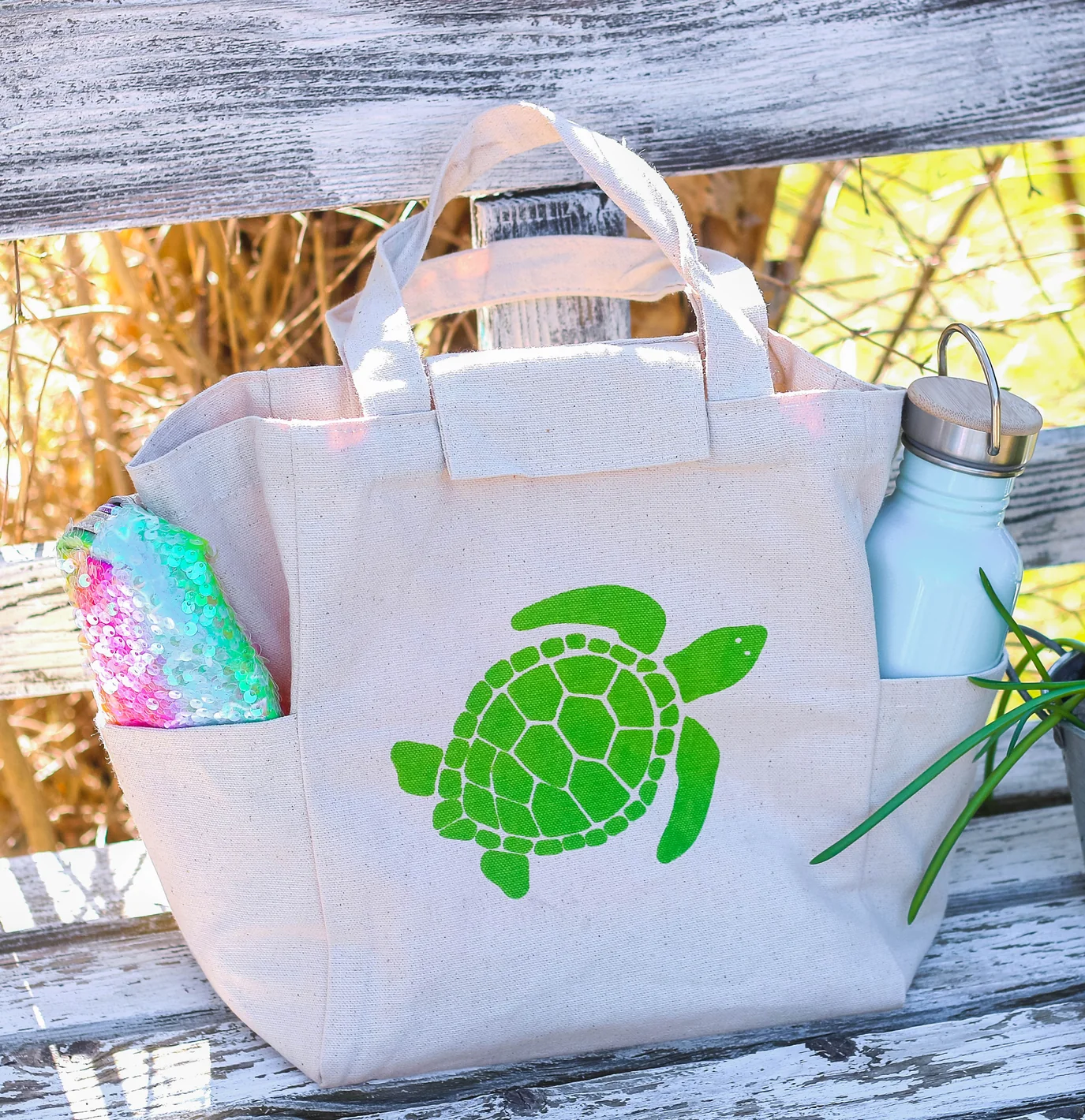
Pair your stainless lunch box with the Ecozoi Canvas Lunch Bag for a completely plastic-free carry solution
Long-Term Cost Savings
Though stainless steel containers may cost more upfront, they last for years, reducing replacement costs and environmental waste.

Environmental Benefits of Plastic-Free Meal Prep
Choosing non plastic food storage containers supports:
-
Reduced landfill waste
-
Lower microplastic pollution
-
Sustainable kitchen habits
-
Long-term resource conservation
Switching from disposable plastic to durable stainless steel is one of the simplest zero-waste lifestyle upgrades.
FAQs
Why shouldn't you store food in plastic containers?
Plastic containers may leach chemicals when heated and can degrade over time, releasing microplastics.
What is the safest material for food storage containers?
Stainless steel and glass are widely considered the safest because they are non-reactive and chemical-free.
Is it better to store your food in glass or steel or plastic containers?
Glass and stainless steel are safer than plastic. Stainless steel offers better durability and portability.
What materials are commonly used for food storage containers?
Plastic, glass, stainless steel, silicone, and ceramic are common. Stainless steel and glass are the safest.
Why should I choose non-plastic food storage containers over plastic ones?
They reduce chemical exposure, last longer, and help reduce environmental waste.
Make the Smart Swap
If you're serious about protecting your health and reducing plastic waste, switching to non plastic food containers is a simple step with lasting impact.
Ecozoi’s stainless steel solutions combine safety, durability, and sustainability, helping you meal prep confidently without harmful plastics.
Shop Ecozoi’s plastic free meal prep containers from Ecozoi
We Want to Hear From You!
Let us know how Ecozoi’s products have helped you with your eco-friendly lifestyle! Please take a moment to fill out our Ecozoi Customer Survey. Your feedback helps us grow and improve!


