






Why Stainless Steel is the Best Material for Food Storage
Choosing the right food storage material is more important than most people think. From plastics that may leach chemicals to glass that breaks easily, many storage options have drawbacks. That’s why stainless steel food storage containers are becoming the preferred choice for health-conscious families and sustainable kitchens.
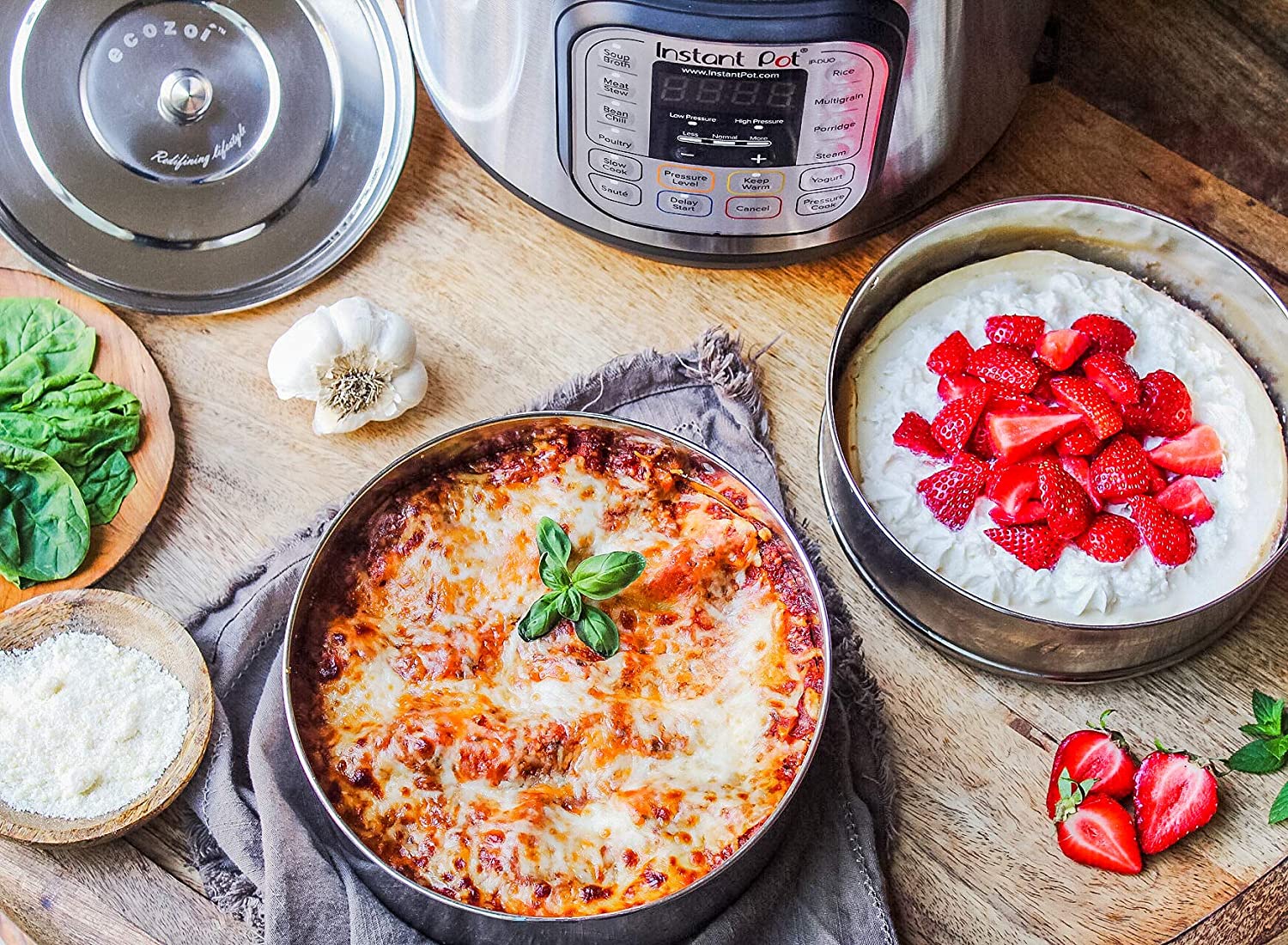
Stainless steel combines durability, hygiene, and eco-friendliness in a way few materials can match. Whether you're meal prepping, packing lunch, or storing leftovers, food storage stainless steel containers offer a long-lasting and safe solution.
In this guide, we’ll explore why stainless steel is the best material for food storage, how it compares to other materials, and how to choose the right container for your kitchen.
Why Stainless Steel Is Perfect for Food Storage

1. Safe and Non-Toxic
One of the biggest concerns with food containers is chemical exposure. Many plastic containers release harmful substances like BPA or phthalates when exposed to heat or acidic foods.
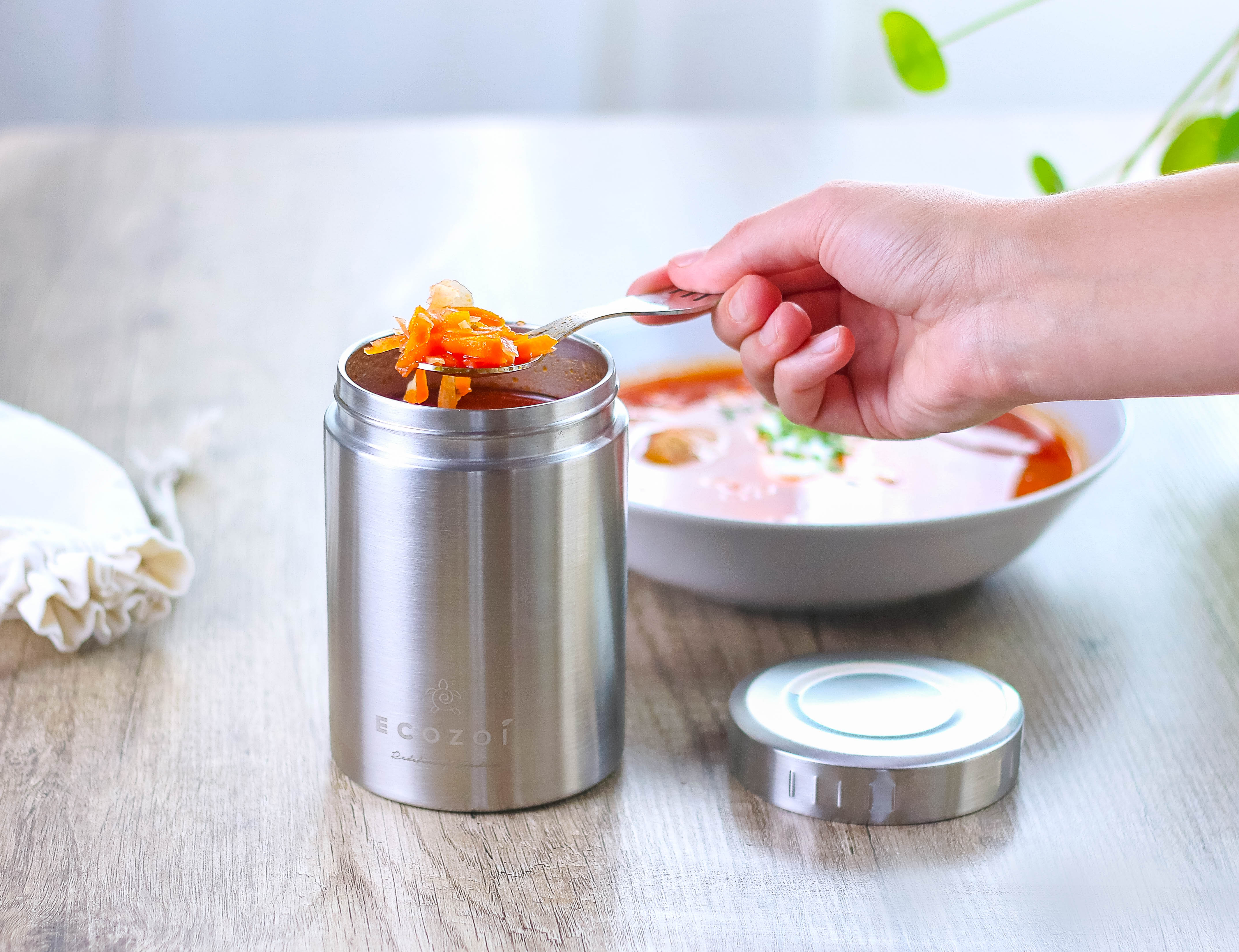
Stainless steel food containers, on the other hand, are non-reactive and toxin-free. High-quality food-grade stainless steel does not leach chemicals into food, even when used with hot meals.
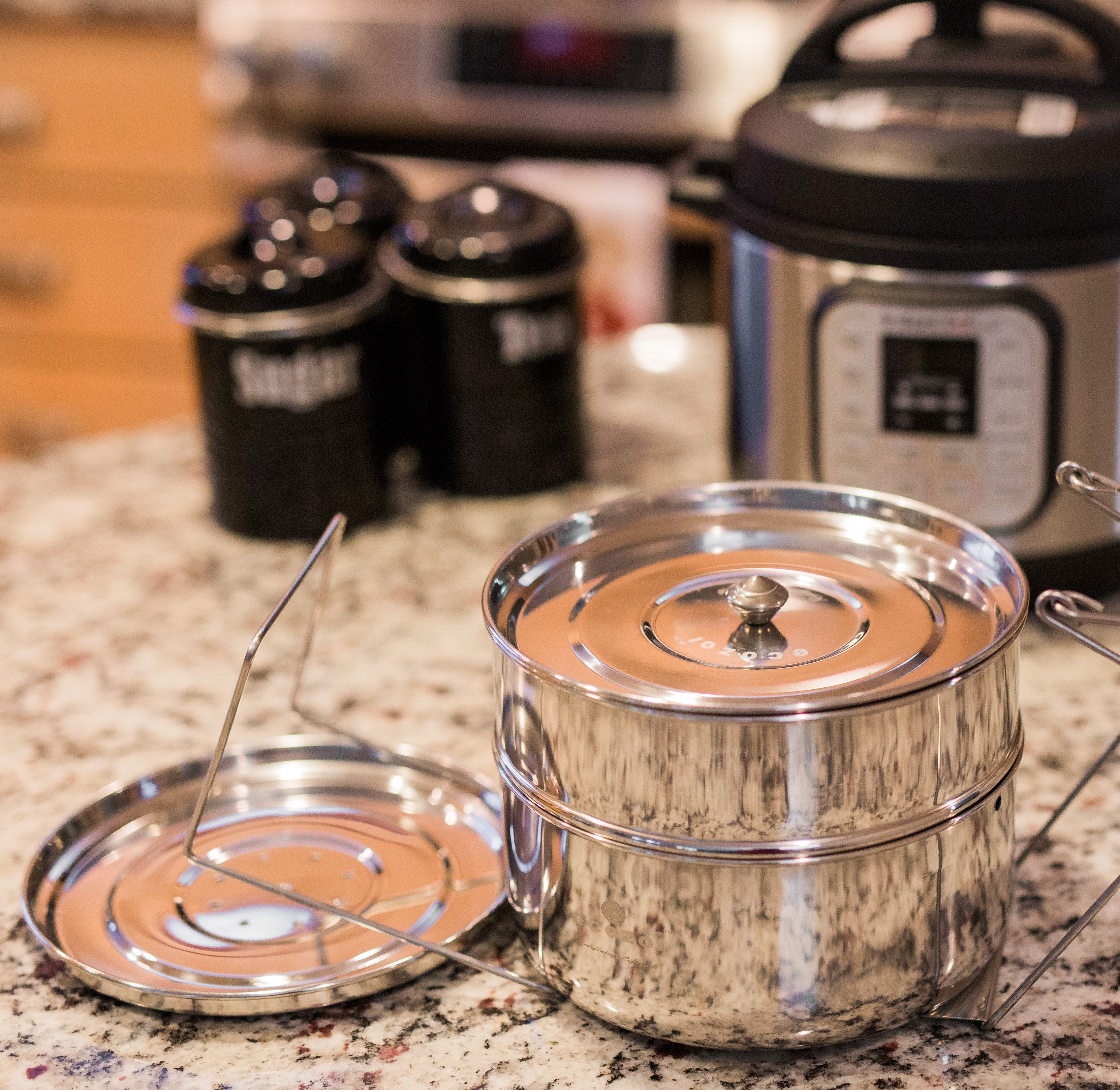
Eco-friendly brands like Ecozoi use food-grade stainless steel that is BPA-free, PVC-free, and phthalate-free, ensuring safe daily food storage.
This makes stainless steel one of the healthiest choices for storing meals, snacks, and leftovers.
2. Extremely Durable and Long-Lasting
Unlike plastic containers that crack or glass containers that shatter, stainless steel is incredibly durable.
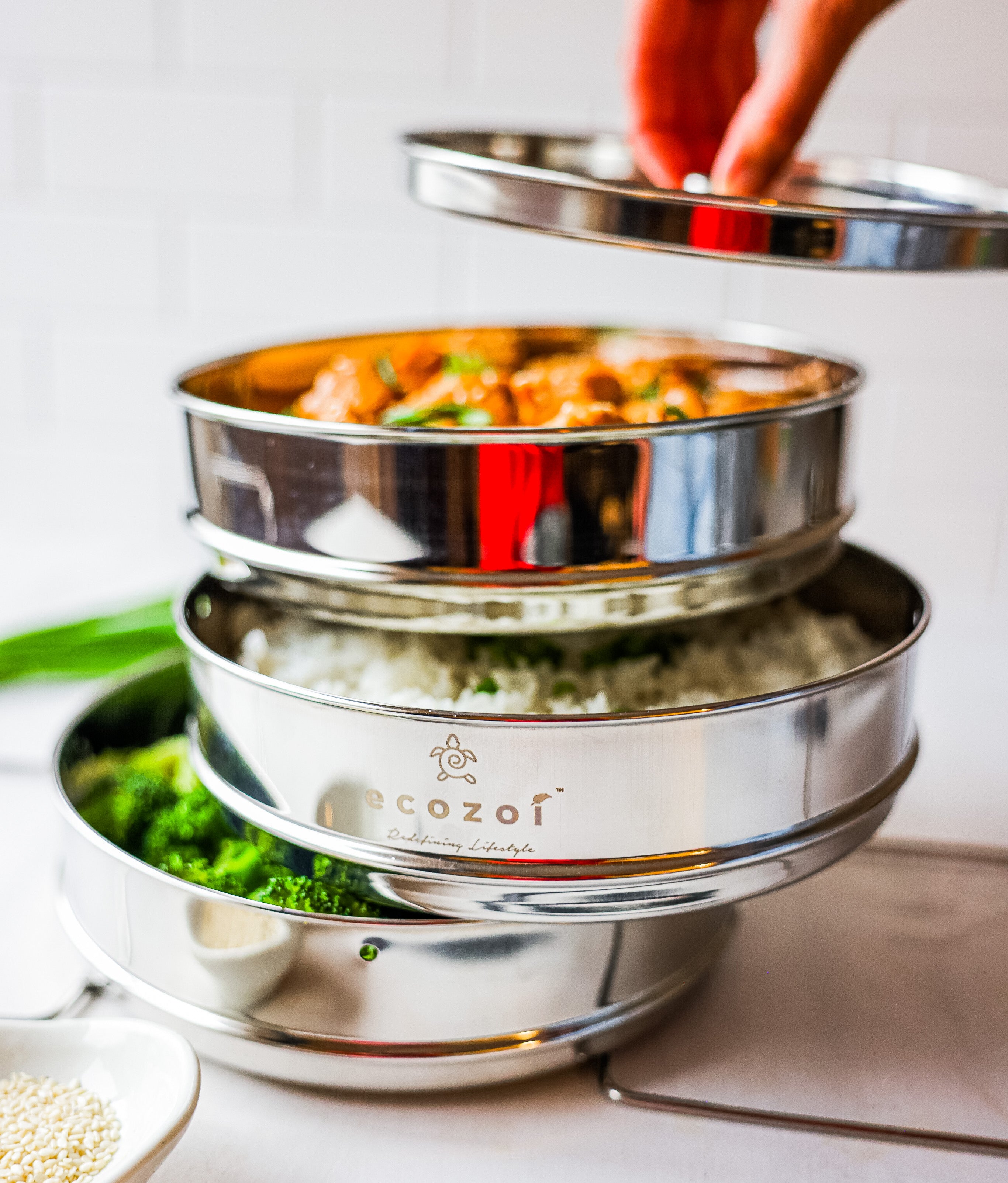
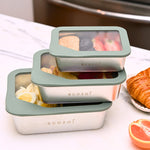
High-quality stainless steel food storage containers with lids can last for years without losing their shape or strength.
Benefits of stainless steel durability:
- Resistant to dents and cracks
- Won’t break when dropped
- Maintains structure for years
- Handles frequent washing and use
Because of this durability, a single stainless steel container can replace dozens of plastic containers over time.
3. Hygienic and Easy to Clean
Stainless steel has a non-porous surface, which means it doesn’t absorb food odors, stains, or bacteria.
This is especially useful when storing foods like curries, sauces, or fruits. After washing, your container will not retain smells or colors.
Advantages include:
- Odor-free storage
- No stains from sauces or spices
- Dishwasher-safe cleaning
- Reduced bacterial growth
Many Ecozoi containers are also dishwasher safe, making daily cleaning simple and convenient.
4. Environmentally Friendly
Plastic containers contribute heavily to global waste, taking hundreds of years to break down.
Switching to food storage stainless steel containers helps reduce plastic waste and supports a zero-waste lifestyle.
Sustainability benefits:
- Fully recyclable material
- Long lifespan reduces waste
- Lower environmental impact
- Ideal for zero-waste kitchens
Choosing stainless steel means making a small change that benefits both your health and the planet.
Stainless Steel vs Other Food Storage Materials
| Material | Pros | Cons |
|---|---|---|
| Plastic | Lightweight and cheap | May contain toxins, absorbs odors |
| Glass | Non-toxic | Breaks easily, heavier |
| Silicone | Flexible and reusable | May degrade over time |
| Stainless Steel | Durable, safe, eco-friendly | Cannot be used in microwave |
Because stainless steel combines safety, durability, and sustainability, it often becomes the best long-term food storage option.

Types of Stainless Steel Used in Food Containers
When choosing stainless steel food storage containers, the type of steel matters.
304 Stainless Steel (Best Choice)
304 stainless steel is considered the gold standard for food storage.
Features:
- Highly corrosion-resistant
- Durable and long-lasting
- Safe for food contact
- Resistant to rust
Many premium food containers use 304 stainless steel for maximum safety.
316 Stainless Steel
316 stainless steel is even more corrosion-resistant but is usually used in marine or medical environments.
While it is safe for food, it’s often more expensive and unnecessary for everyday food storage.
Foods You Should Avoid Storing in Stainless Steel
Although stainless steel is extremely versatile, some foods should not be stored long-term.
Examples include:
- Highly acidic foods (like tomato sauce for long periods)
- Fermented foods
- Strong salty solutions
Short-term storage is usually fine, but extended storage may affect flavor.
Why Stainless Steel Containers Are Great for Meal Prep
Meal prep has become a common habit for busy families and professionals. Stainless steel containers make this process easier.

Advantages include:
- Keeps food fresh longer
- Ideal for lunch boxes
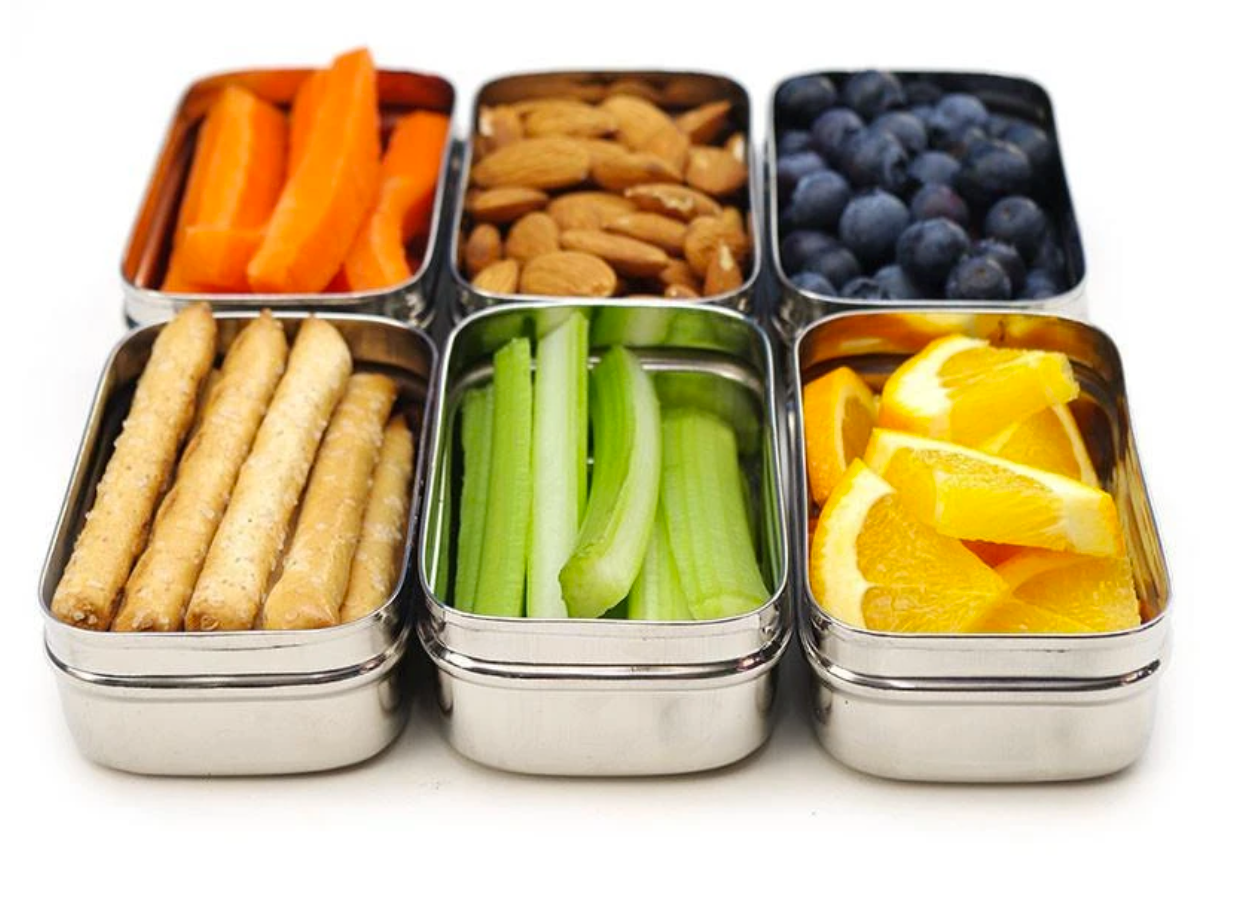
- Perfect for portion control
- Durable for travel
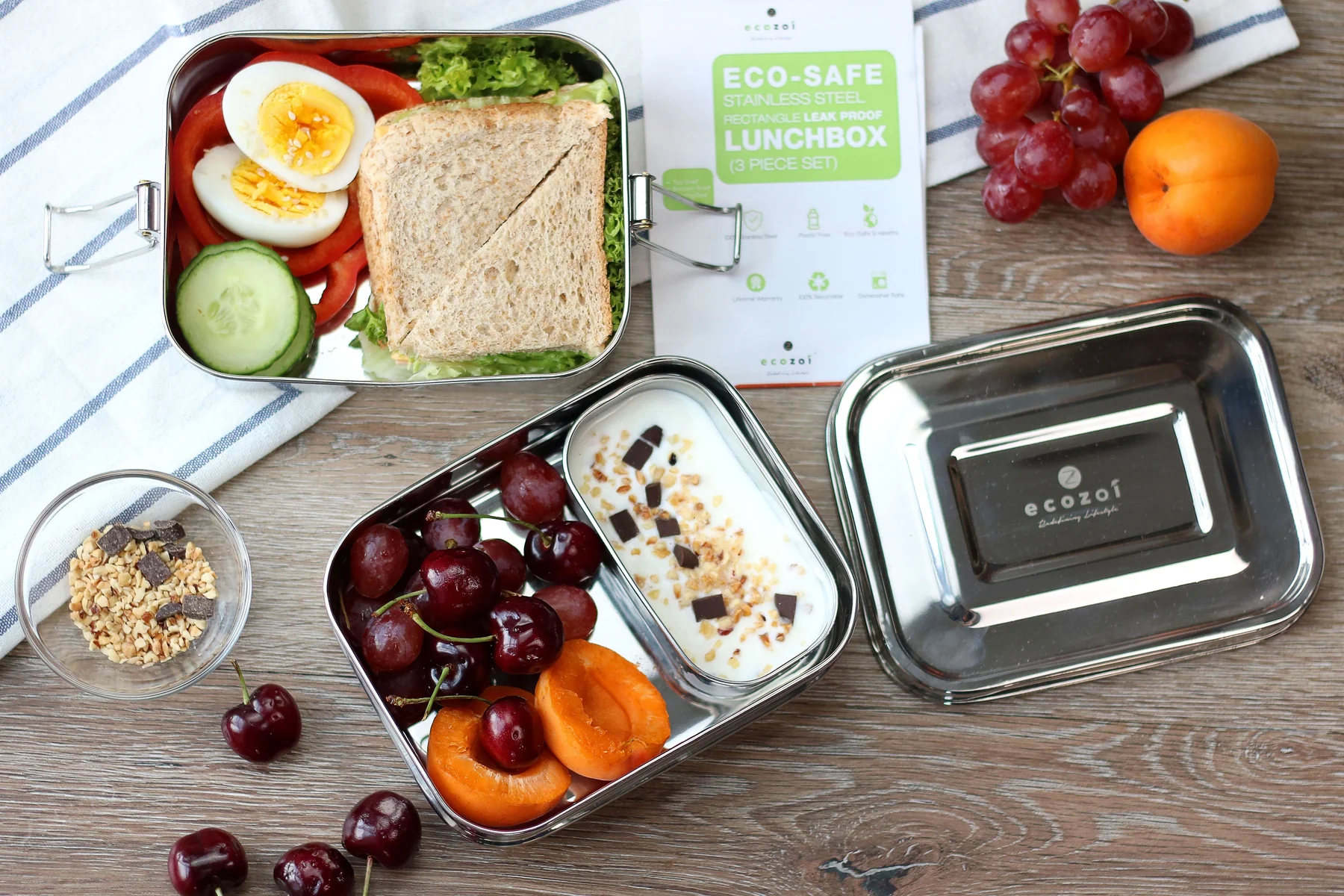
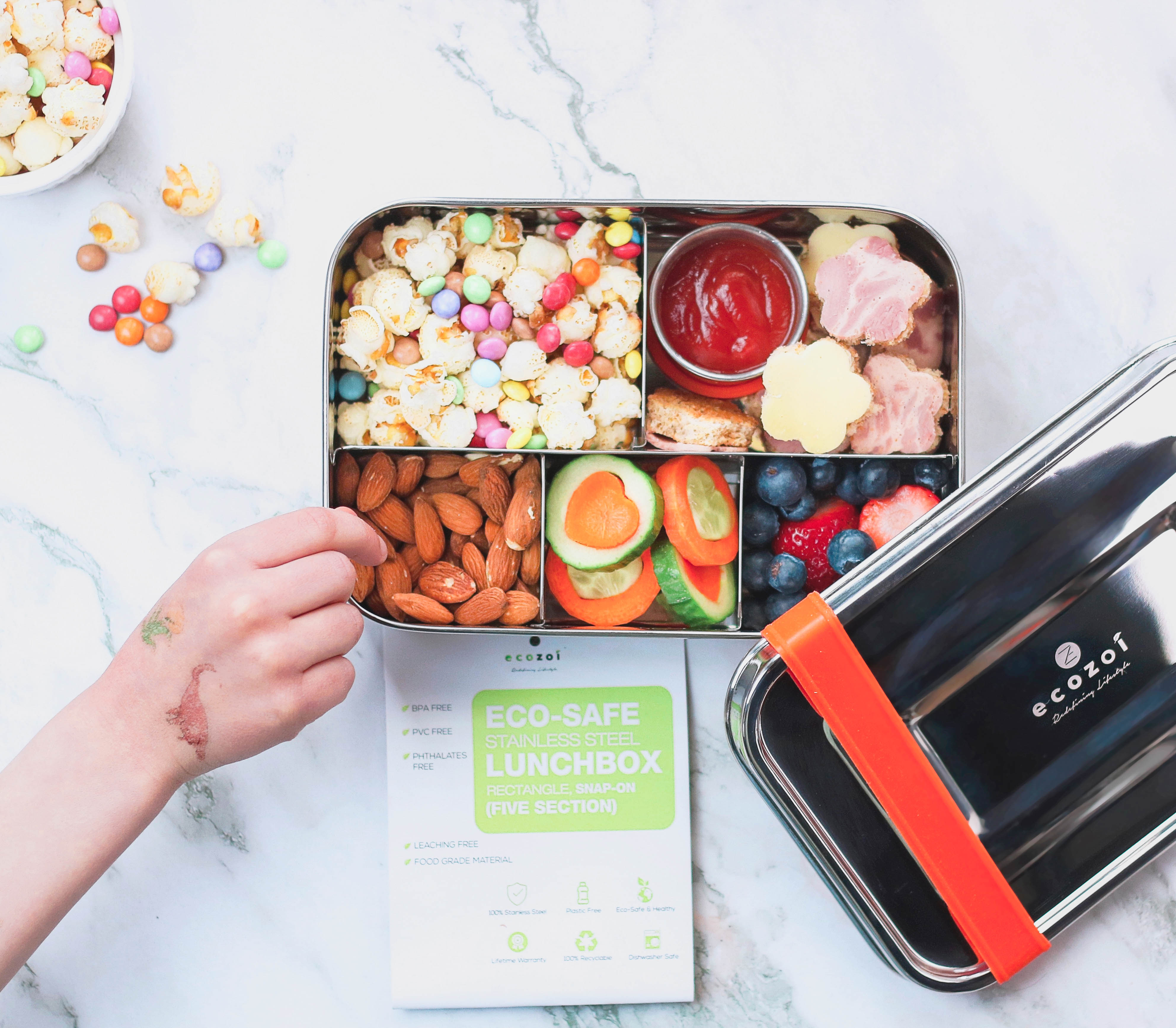
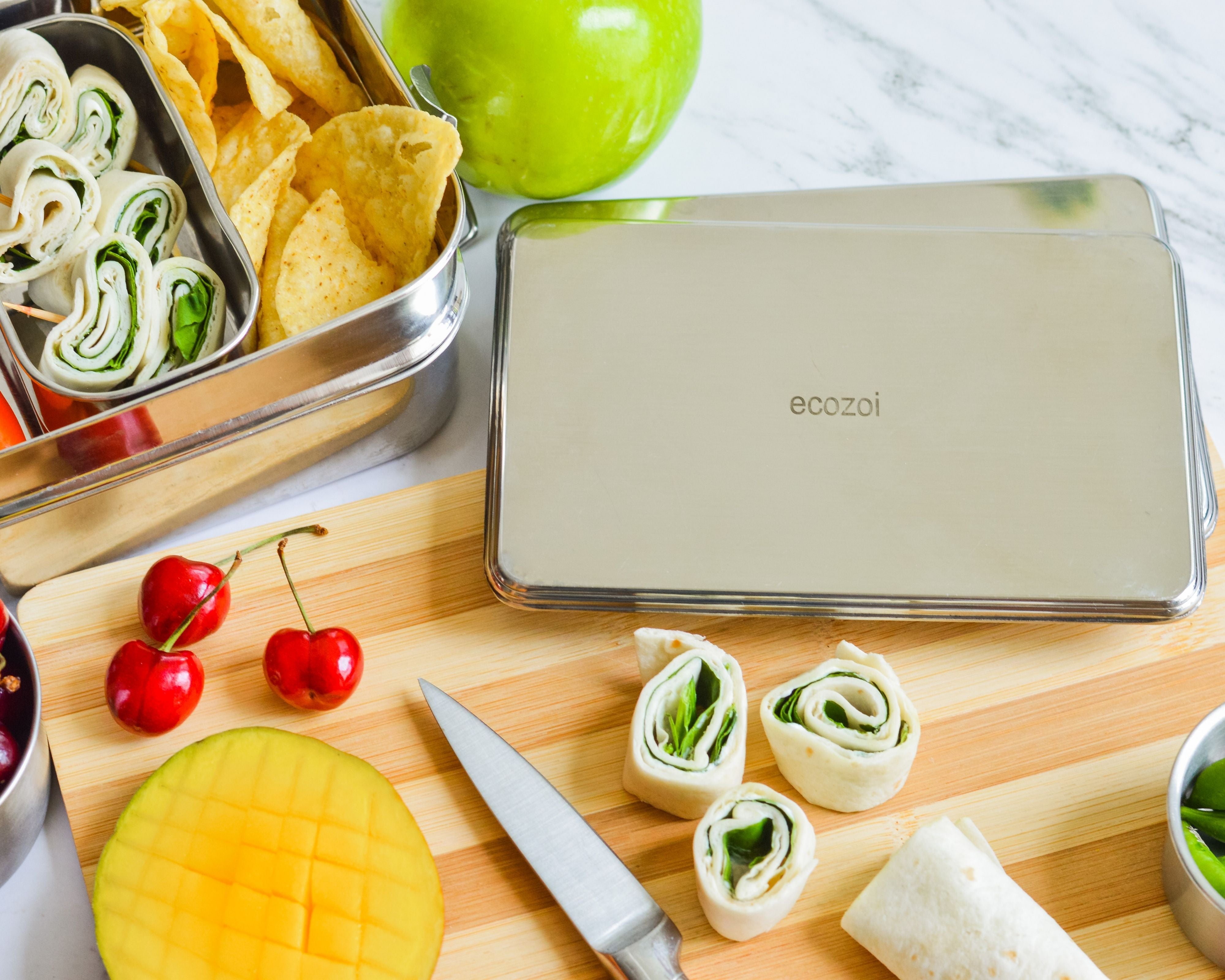
Ecozoi’s stainless steel lunch boxes are designed as a sustainable alternative to plastic containers while remaining leak-proof and durable.
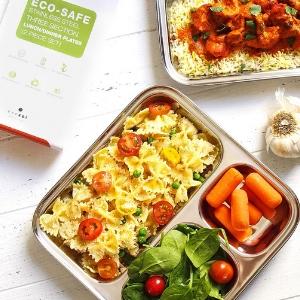
For example, their compartment lunch boxes allow you to separate foods without mixing flavors.
How to Choose the Best Stainless Steel Food Containers
When shopping for stainless steel food storage containers with lids, consider these factors:
1. Food-Grade Steel
Choose containers made from 304 or food-grade stainless steel.
2. Leak-Proof Design
Look for silicone seals that prevent spills.
3. Multiple Compartments
Compartment containers help organize meals.
4. Size and Capacity
Pick containers based on your storage needs.
5. Eco-Friendly Packaging
Sustainable brands reduce environmental impact.
Ecozoi Stainless Steel Containers: A Sustainable Choice
Ecozoi focuses on creating eco-friendly kitchen products that replace plastic containers.
Our stainless steel lunch boxes and containers are designed to be:
- Plastic-free alternatives
- Long-lasting and durable
- Dishwasher-safe
- Packaged using recyclable materials
By choosing stainless steel containers, you not only protect your health but also reduce plastic pollution.
FAQs
Is stainless steel better for food storage?
Yes. Stainless steel is one of the safest materials for food storage because it is non-toxic, durable, and resistant to stains and odors.
What is better, 304 or 316 stainless steel for food?
304 stainless steel is the most commonly used and ideal for food storage because it provides excellent corrosion resistance and durability.
Which metal material is best for food storage?
Food-grade stainless steel is considered the best metal for food storage due to its non-reactive properties, hygiene, and durability.
What foods should not be stored in stainless steel?
Highly acidic or fermented foods should not be stored in stainless steel containers for long periods because they may affect taste.
What is the healthiest food grade stainless steel?
304 stainless steel is widely considered the healthiest and safest grade for food storage containers.
Conclusion
If you’re looking for a safe, durable, and environmentally friendly way to store food, stainless steel food containers are one of the best choices available.
They provide:
- Chemical-free food storage
- Long-lasting durability
- Easy cleaning and hygiene
- Sustainable, plastic-free living
Switching to stainless steel food storage containers with lids is a simple step toward a healthier kitchen and a greener planet.


