




















How to Get Rid of Bamboo Cutting Board Smell (Garlic and Onion)
You chopped a mountain of garlic last night, rinsed the board right after, gave it a proper scrub with dish soap, and it still smells like a kitchen exhaust fan this morning. Even your hands pick up a faint whiff when you go to grab it off the rack.
This is probably the single most common complaint people have about bamboo boards, and it doesn't mean yours is faulty. Bamboo grain just grabs onto garlic and onion oils in a way plastic simply can't, so if a wash cycle hasn't touched it, that's expected, not a sign you're doing something wrong.
Key Takeaways
- Bamboo's dense grain traps garlic and onion oils that plain soap and water won't lift.
- Baking soda paste works best. It neutralizes odor instead of covering it up.
- Skip bleach and extra soap. Both strip bamboo's finish and make the smell worse.
- Wipe with vinegar after each use and oil monthly to stop odor before it starts.
The actual fix takes about ten minutes.
Why Garlic and Onion Smell Sticks to Bamboo
The second a knife breaks into an onion or a clove of garlic, sulfur compounds start releasing, and they're oily. Oil soaks into wood grain in a way it never can with sealed plastic, so wiping with soap and water only ever gets you the top layer. Whatever's left underneath will happily pass a faint garlic edge onto the next thing you slice, bread or melon included.
Plastic sidesteps this particular headache, but it pays for it elsewhere: no grain means bacteria has nowhere to burrow, so it just parks itself in the knife scratches instead. Bamboo is the opposite deal, a little more odor upkeep in exchange for a surface that keeps bacteria in check on its own. For anyone who cooks with garlic and onion regularly, that's usually a fair swap.
Part of the reason bamboo is trickier here comes down to what it actually is. It isn't really wood at all; it's a tight, fibrous grass, and it's denser than most hardwoods. That density is also why it fights bacteria so well in the first place, thanks to a natural compound called bamboo kun. But the same tightness that keeps bacteria out traps odor molecules a few millimetres below the surface, right where a quick wipe never gets close.
So if your board smells after nothing more than onion and garlic, nothing's actually wrong with it. That's just wood behaving like wood.
Left untreated, the smell won't go anywhere on its own. It sinks in slowly enough that you stop noticing day to day, until the next round of onions piles on top and the whole thing suddenly smells worse than before.
Worried about your bamboo cutting board cracking, read our full guide on Bamboo Cutting Board Cracked? How to Fix, Sand, and Re-Season It
Fast Fixes for a Smelly Board
Baking soda paste is the one to reach for first. Mix three tablespoons of baking soda with a tablespoon of water until it turns into a thick paste, spread it over the smelly patch, and leave it for ten minutes. Scrub with a stiff brush in small circles, working into the knife grooves where garlic paste tends to collect, then rinse with warm water and stand the board up to dry. Baking soda actually neutralizes the sulfur compounds instead of just covering them up, which is why it's the most dependable fix, and it's usually already sitting in your cupboard.
Lemon and salt work well for one stubborn patch. Cut a lemon in half, sprinkle coarse salt straight onto the smelly spot, and scrub the cut side of the lemon into the board like you would a scouring pad. Salt pulls oil out of the grain, the citric acid finishes it off, and you rinse and dry as normal. It's less useful once the smell has spread across the whole board rather than staying put in one corner.
If you're in a rush, white vinegar is your fastest option. Wipe the board down with undiluted vinegar on a clean cloth, let it sit for five minutes, then rinse. It won't beat baking soda on a genuinely deep smell, but it'll get the board back in service in under ten minutes.
Know more on: Best Cutting Board Material for Eco-Conscious Homes
Common Mistakes That Make It Worse
More dish soap and harder scrubbing feels productive, but soap only lifts surface grease; it never reaches the oil sitting a few millimetres down. The smell fades for an hour or two, then it's right back by dinner.
Bleach and disinfectant sprays are a worse move still. They strip away bamboo's natural finish, leaving the wood more porous than it was, so the next onion smell sinks in even faster and lingers even longer. Not a trade worth making.
One mistake catches people off guard: oiling a board before it's fully dry seals moisture in under the oil layer instead of sealing clean, dry wood. That combination is often exactly what turns a normal garlic smell into the sour, musty one covered further down.
When the Smell Won't Quit
If a board's been used for garlic and onion for months without a real deep clean, a quick fix won't be enough. Fill a basin or your sink with warm water, stir in a quarter cup of baking soda, and let the board soak for twenty minutes.
Bamboo handles water surprisingly well, so a short soak like this shouldn't warp it the way it might a cheaper board. Just don't push past half an hour, and skip the dishwasher entirely; that's a different problem waiting to happen.
One soak usually clears out a few weeks' worth of buildup. If the smell's been building for months untouched, don't be surprised if you need to repeat it a few days later, since oil sitting that deep rarely lifts out in a single round.
Once the board's completely dry, work in a thin coat of food-grade mineral oil. It won't pull any smell out by itself, but it seals the grain back up so there's less open wood for the next batch of onions to soak into.
Keep It From Happening Again
Most of this buildup comes down to one habit: chopped garlic and onion sitting on the board while you carry on with the rest of dinner. Sweep the scraps off the moment they're cut instead of letting them sit there for another ten minutes, and you'll cut down on how long the oils actually have to soak in.
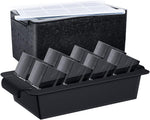
It's part of why boards with built-in organizing trays tend to do better for smell control than a plain flat one. Chop, slide it into the tray, keep moving. Less time in contact with the board means less scrubbing later.
Some cooks go a step further and set aside one side of a two-sided board, or a separate small board altogether, just for onion and garlic, so nothing else they prep, herbs and fruit included, ever picks up a trace of either.
If garlic and onion show up in your cooking most nights, get into the habit of wiping the board with vinegar as the last step before putting it away, every single time, not only once it starts smelling. A few seconds with a vinegar-dampened cloth right after chopping keeps the oils from sitting on the wood long enough to sink in, and that does more for prevention than any deep clean afterwards.
Pair that habit with a monthly mineral oil coat and a proper hand wash. Leave the dishwasher out of it altogether; it strips bamboo's finish and dries the wood out faster than daily chopping ever could.
Also read: The Ultimate Guide to Bamboo Cutting Board Care: Oil, Clean & Store
Bamboo Boards with Built-In Organizing Trays Cut Down on Smell
A board's design plays a role here too. Bamboo cutting boards with built-in organizing trays, like the ones from Ecozoi, make it easier to sweep garlic and onion scraps aside the moment you're done chopping, instead of leaving them to sit and soak in. Less contact time between food and wood means less oil working its way into the grain, and that adds up to less scrubbing down the line.
FAQs
1. How do I get onion smell out of a bamboo cutting board?
Rub the cut side of a lemon dipped in coarse salt over the smelly area, leave it for two minutes, then rinse with warm water. Onion tends to respond faster to lemon and salt than garlic does, since its sulfur compounds are milder and sit closer to the wood's surface.
2. How do I get garlic smell off a bamboo cutting board?
Skip the lemon trick here and go straight for the baking soda paste. Garlic's allicin compound is stronger than onion's and binds deeper into the grain, so soap and citrus alone often leave a faint smell behind even after a good scrub.
3. Why do my bamboo cutting boards smell in the first place?
The grain's just doing what it's built to do. A board that's never been oiled will hold onto smell longer than one on a regular oiling schedule, since dry, unsealed wood has more open grain for odor to settle into. A humid kitchen doesn't help either, since moisture keeps the grain slightly swollen and quicker to absorb.
4. How do I deodorize a bamboo board as routine upkeep, not a rescue job?
Sprinkle baking soda across the surface, spritz it with white vinegar until it fizzes, leave it for five minutes, then scrub and rinse. Do this weekly, and the smell shouldn't ever build up enough to need a full soak.
5. Why does my bamboo cutting board smell sour or musty instead of like garlic or onion?
That points to something else going on. It usually means the board went away wet or got stored flat, and moisture sat in the grain long enough to turn. Dry it thoroughly, oil it once it's fully dry, and stand it on edge afterwards so air can reach both sides.
The Bottom Line
Garlic and onion smell is a wood problem, not a hygiene one. Baking soda clears out most of it, and a regular mineral oil coat keeps it from coming back as fast. Save your money on a new board; a ten-minute paste will do more for a smelly one than a fresh board ever could.


